

The umbrella was invented in ancient China more than 2,000 years ago, though no exact inventor is known.
The question “when was the umbrella invented” has a more complex answer than a single year. Early umbrellas began as shade tools, then became rain protection through Chinese waterproofing methods. Ancient art, written records, and surviving designs help trace this useful object from royal courts to modern city streets.
When Was the Umbrella Invented?
The first umbrellas appeared in ancient civilizations more than 4,000 years ago. Early versions were likely parasols made to block the sun, not the rain. People in Egypt, Assyria, Persia, and China used raised covers made from leaves, cloth, leather, or woven materials.
The earliest strong evidence for a rainproof umbrella comes from ancient China. Chinese makers used silk, treated cloth, and later oiled paper to create covers that could resist water. These early designs may date back more than 2,000 years, although historians cannot confirm one exact invention date.
So, when was the umbrella invented? The safest answer is that the first rain umbrellas developed in ancient China sometime before or around the first few centuries BCE. The design evolved over time rather than appearing in one finished form.
:max_bytes(150000):strip_icc()/GettyImages-899509314-5b21596b8e1b6e0036a477ef.jpg)
The Difference Between a Parasol and an Umbrella
A parasol protects a person from sunlight. An umbrella protects a person from rain. Both use a canopy held above the head, but their materials and purpose can differ.
The word “parasol” comes from words meaning “to stop the sun.” The word “umbrella” comes from the Latin word umbra, meaning “shade.” This language shows how closely the two objects were linked in their early history.
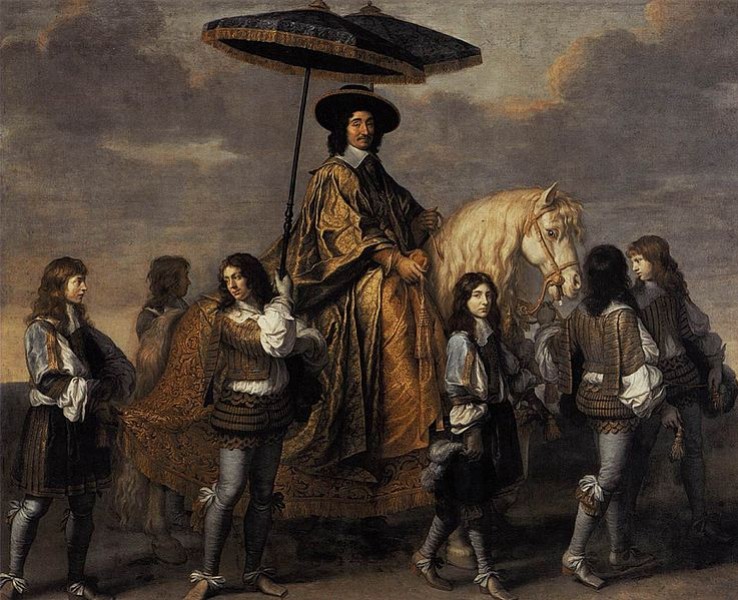
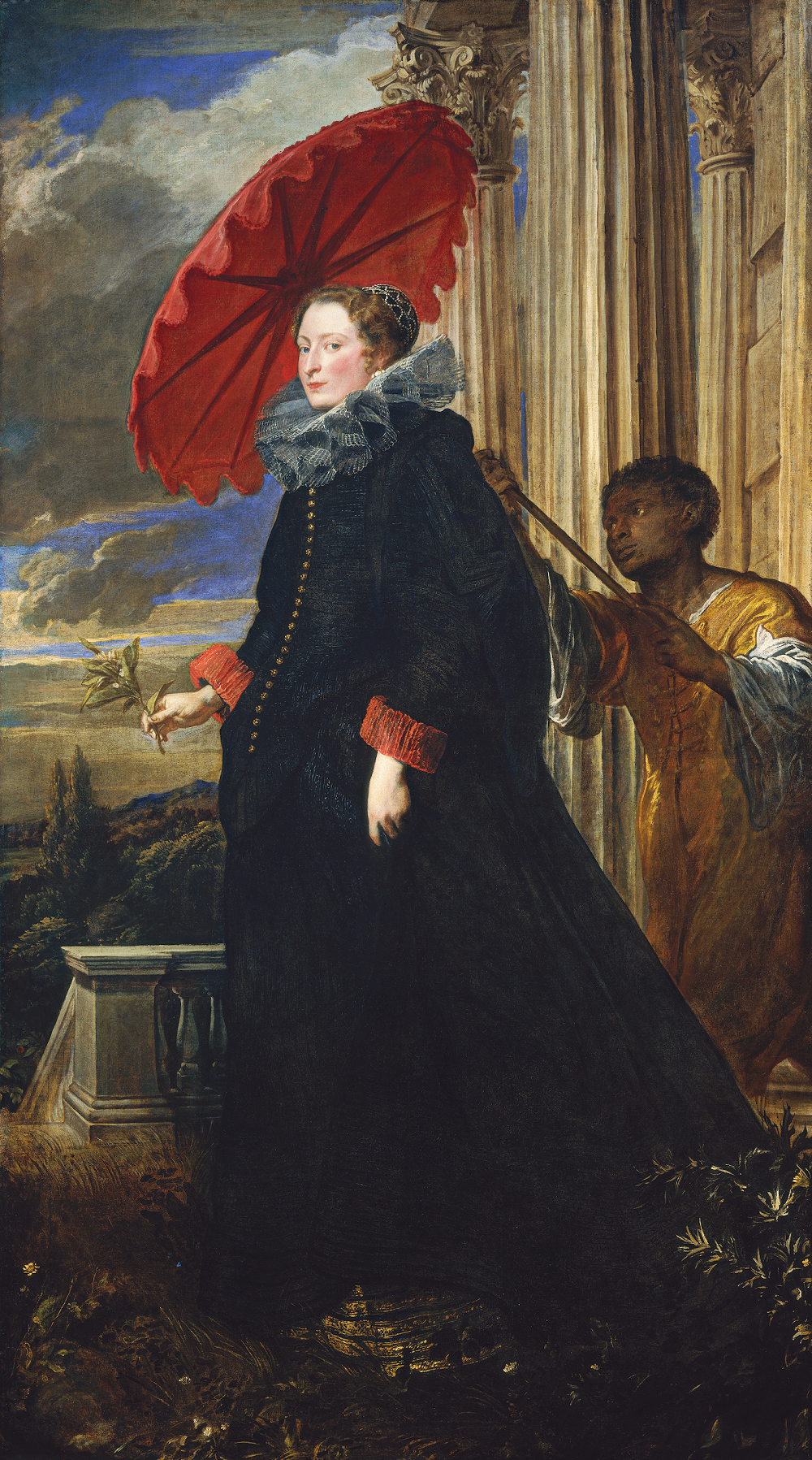
Ancient parasols often had a decorative role. They could show rank, wealth, or power. In many cultures, servants carried large parasols over rulers and nobles during public events.
Rain umbrellas needed different materials. A canopy had to shed water without becoming too heavy. This led to the use of waxed fabric, oiled paper, treated silk, and later waterproof cotton.
When asking when was the umbrella invented, it helps to separate the invention of the parasol from the invention of the waterproof rain umbrella. The former is much older, while the latter developed through several stages.
The Ancient History of the Umbrella
Early umbrellas in Egypt and Mesopotamia
Ancient Egyptian artwork shows figures standing beneath large canopies. These objects likely offered shade from the hot sun. Some were made with plant materials, cloth, or feathers and were held by attendants.
In Mesopotamia, raised canopies also appeared as symbols of status. Kings and important officials used them during ceremonies. These early covers were not necessarily folding umbrellas, but they established the basic idea of carrying shade overhead.
Chinese waterproof umbrellas
China played the largest role in developing the rain umbrella. Chinese craftsmen used paper coated with oil or wax. This process helped stop water from passing through the canopy.
Bamboo made a useful frame because it was light, strong, and flexible. Makers attached treated paper or silk to bamboo ribs. The result was closer to the traditional Chinese umbrella many people recognize today.
Some historical accounts connect early Chinese waterproof umbrellas with military and royal use. However, the exact date and inventor remain uncertain. Records from ancient periods are incomplete, and many early objects did not survive.
Umbrellas in India and the wider Asian region
Umbrella designs also appeared across India and other parts of Asia. In India, the umbrella often carried religious and royal meaning. It could represent honor, protection, or high social position.
Trade helped spread umbrella styles between regions. Travelers, merchants, and diplomats carried ideas across Asia. This is one reason it can be hard to identify a single place where the umbrella was “invented.”
How the Umbrella Reached Europe
The umbrella reached Europe through cultural exchange, trade, and travel. For many centuries, Europeans knew the parasol mainly as a sign of wealth or fashion.
In ancient Greece and Rome, women sometimes used parasols to block sunlight. Roman writers and artwork also show the use of sunshades. These objects were not yet the common rain umbrellas seen today.
By the 16th and 17th centuries, parasols became more familiar in parts of Europe. French and Italian fashion helped make them attractive accessories. They were often linked with women’s clothing and formal outdoor events.
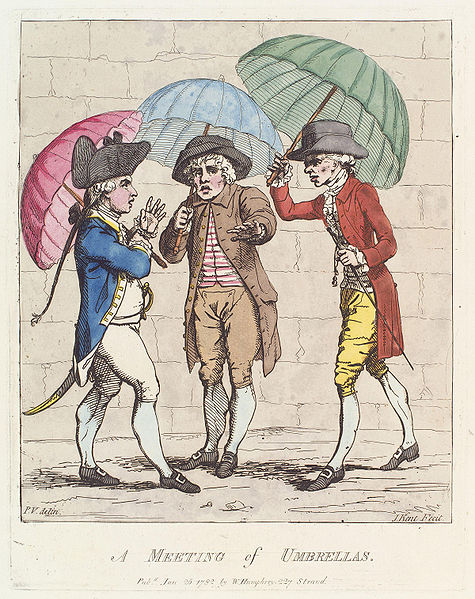
Rain umbrellas became more visible in Europe during the 17th and 18th centuries. Some people considered them strange or impractical at first. Men who carried umbrellas could even face teasing because walking in the rain with one was not yet a common habit.
When was the umbrella invented in Europe? It was not invented there as a completely new object. Instead, European makers adapted older Asian designs and gradually improved them for local use.
Jonas Hanway and the Popularity of the Rain Umbrella
Jonas Hanway is often linked with the rise of the umbrella in England. He was an 18th-century traveler and writer who carried an umbrella in London. His example helped make umbrellas more acceptable for men.
Hanway did not invent the umbrella. That claim is a common historical mistake. He helped popularize it in England by using one openly and defending its practical value.
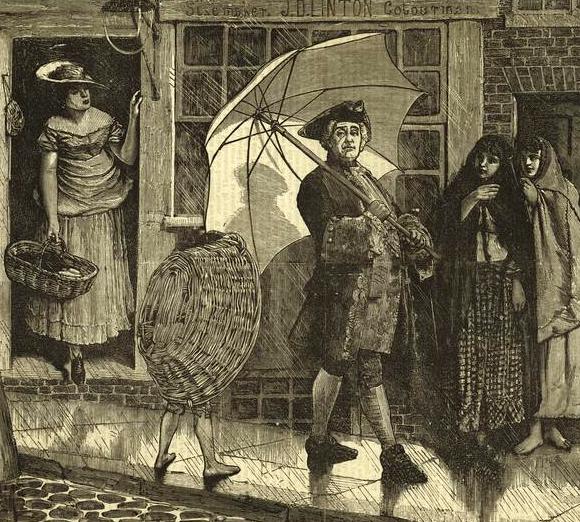
London’s frequent rain made the umbrella useful. Over time, carriage drivers, pedestrians, and city workers began to see it as a sensible tool rather than an odd fashion item.
This part of the story explains why people sometimes ask whether Jonas Hanway invented the umbrella. The accurate answer is no. He helped change public attitudes, but the umbrella had existed for centuries before him.
Who Invented the Modern Folding Umbrella?
The modern umbrella came from many improvements rather than one person. Craftsmen changed the ribs, shaft, handle, canopy, and opening system over time.
A major improvement arrived in the 19th century. Samuel Fox developed the steel-ribbed “Paragon” umbrella frame in England in the 1850s. Steel made the structure lighter, stronger, and easier to fold than many earlier frames.
This innovation helped create the basic mechanical shape used by many umbrellas today. The canopy could open widely, while the ribs could fold toward the central shaft.
Later improvements included:
• Telescoping shafts that made umbrellas shorter when closed
• Automatic opening buttons for faster use
• Stronger synthetic fabrics such as nylon and polyester
• Wind-resistant frames with flexible ribs
• Compact travel umbrellas for bags and cars
• Large golf umbrellas with wider canopies
When was the umbrella invented in its modern form? A reasonable answer is that the modern folding umbrella developed mainly during the 19th century, especially after improvements in metal frame design.

How Umbrellas Changed Over Time
Umbrellas changed because people wanted more comfort, strength, and convenience. Early umbrellas could be large, heavy, and difficult to carry. Modern designs focus on portability and quick use.
The main parts of an umbrella include:
• Canopy: The fabric or material that blocks sun or rain
• Ribs: Support pieces that spread under the canopy
• Stretchers: Folding parts that connect the ribs to the runner
• Shaft: The central rod that holds the frame
• Runner: The sliding part that opens and closes the umbrella
• Handle: The grip used to carry it
Materials also changed. Bamboo and wood were common in early frames. Metal became important in Europe. Today, fiberglass, aluminum, steel, plastic, and synthetic cloth are widely used.
The invention of waterproof fabric improved daily use. Modern coatings help water form drops and roll off the canopy. Some designs also use vents to reduce the chance of turning inside out during strong wind.
From my experience studying everyday inventions, the umbrella is a good reminder that useful products rarely arrive fully formed. Small changes, testing, and user habits often matter as much as the first idea.

Why the Umbrella Became So Important
The umbrella solved a simple problem: people needed protection from weather while walking. Its value increased as towns and cities grew. More people traveled on foot, waited outdoors, and worked away from home.
An umbrella offers several benefits:
• It keeps rain off the head, face, and upper body
• It protects clothing from sudden showers
• It can provide shade in strong sunlight
• It folds for easy storage
• It works without batteries or fuel
• It is affordable compared with many other weather tools
Umbrellas also became cultural objects. Some are linked with ceremonies, religion, fashion, music, and political symbols. A plain black umbrella may suggest business dress, while colorful umbrellas can express personal style.
The umbrella has limits, too. Strong wind can damage the frame. A small model may not protect the shoulders or legs. Cheap materials may tear or rust after repeated use.
A practical lesson is to choose the right umbrella for the setting. A compact model suits a commute, while a vented or reinforced umbrella works better in windy areas.
Common Myths About When the Umbrella Was Invented
Several popular claims make umbrella history sound simpler than it is. The most common myth says that one person invented the umbrella on one specific day. Historical evidence does not support that story.
Another myth says Jonas Hanway invented the umbrella. He did not. He helped popularize it in 18th-century England, but ancient cultures had already used parasols and rain covers for centuries.
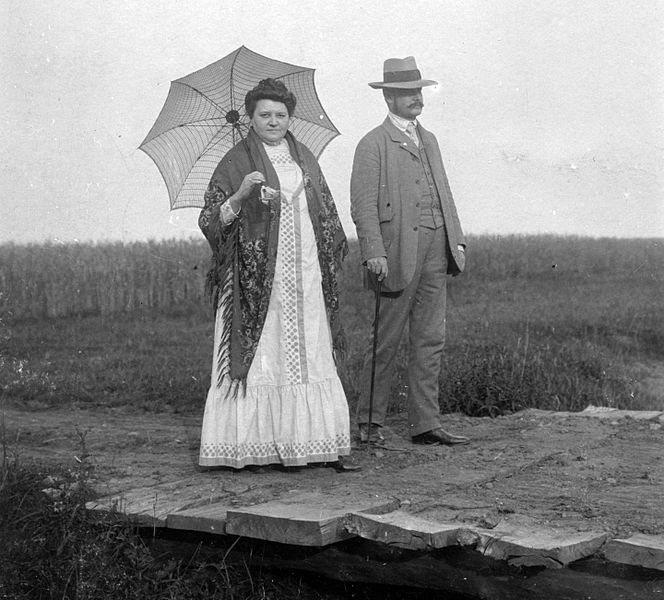
Some people also assume that the first umbrellas were designed only for rain. In fact, the earliest known forms were often made for shade and ceremony. Waterproof rain umbrellas developed later through material and design improvements.
It is also important to avoid treating every ancient canopy as a modern umbrella. A royal sunshade, a fixed shelter, and a folding rain umbrella may share a basic idea but serve different purposes.
When was the umbrella invented? The most accurate answer must allow for uncertainty. The object developed across cultures, and historians do not have enough evidence to name one creator or exact year.
A Simple Umbrella History Timeline
The following timeline gives a clear view of how the umbrella developed:
-
Around 2400 BCE: Ancient Egyptian and Mesopotamian art shows raised sunshades or canopies.
-
Ancient Greece and Rome: Parasols appear in art and writing, often linked with women and outdoor shade.
-
Before or around the first centuries BCE: China develops waterproof coverings using treated paper, silk, and bamboo.
-
Medieval Asia: Umbrellas continue to serve practical, religious, and royal purposes.
-
The 16th and 17th centuries: Parasol styles spread through European fashion and trade.
-
The 18th century: Rain umbrellas become more common in England, helped by public use from figures such as Jonas Hanway.
-
The 19th century: Metal ribs and improved frames make umbrellas stronger and more portable.
-
The 20th century: Synthetic fabrics, automatic mechanisms, and compact folding designs become common.
-
Today: Umbrellas range from low-cost travel models to high-end windproof and sun-blocking designs.
This timeline shows why the question when was the umbrella invented has no single perfect date. The umbrella is the result of a long chain of design changes.
How to Choose a Better Modern Umbrella
Knowing the history of the umbrella can also help you choose one that works well. The best design depends on your weather, travel habits, and storage needs.
Look for these features:
• Fiberglass ribs for flexibility in wind
• A vented canopy for better airflow
• A strong shaft with little wobble
• A comfortable handle with a secure grip
• A canopy large enough for your shoulders
• A compact size if you use public transport
• A waterproof cover for storage after use
Avoid leaving a wet umbrella closed for long periods. Open it at home or in a safe place so it can dry. This simple habit helps reduce mildew, odor, and rust.
I have found that one common mistake is choosing the smallest umbrella without checking its frame. A tiny umbrella may fit in a bag, but it can struggle in heavy rain. A slightly larger model often offers much better coverage without adding much weight.
Frequently Asked Questions About When Was the Umbrella Invented
When was the umbrella invented?
The first rain umbrellas likely developed in ancient China more than 2,000 years ago. However, umbrellas and parasols used for shade existed in older civilizations.
Who invented the umbrella?
No single inventor is known. The umbrella developed through the work of many unknown craftsmen in China and other ancient cultures.
Did Jonas Hanway invent the umbrella?
No. Jonas Hanway helped popularize the umbrella in 18th-century England. He used one publicly, but umbrellas had existed for many centuries before his time.
What was the first umbrella made of?
Early umbrellas used materials such as bamboo, silk, treated paper, leather, cloth, leaves, and wood. Chinese waterproof umbrellas often used oiled paper or treated silk over a bamboo frame.
When was the modern folding umbrella invented?
The modern folding umbrella developed mainly during the 19th century. Steel ribs and improved frame designs made umbrellas lighter, stronger, and easier to carry.
Were the first umbrellas made for rain?
Many of the earliest umbrellas were made for shade rather than rain. Waterproof rain umbrellas developed later, especially through Chinese paper, silk, and oil treatments.
Why were umbrellas important in ancient societies?
Umbrellas offered shade and protection from weather, but they also showed rank and power. In some cultures, servants carried umbrellas over kings, nobles, and religious leaders.
Conclusion
The answer to when was the umbrella invented is not one exact year. Early parasols appeared in ancient civilizations, while waterproof rain umbrellas developed most clearly in ancient China more than 2,000 years ago.
The modern umbrella took shape much later through European improvements, steel ribs, waterproof fabrics, and folding frames. Jonas Hanway helped popularize the umbrella in England, but he was not its inventor.
The next time you open an umbrella, remember that it represents thousands of years of practical design. Choose a strong model, let it dry after use, and explore more history behind the everyday tools that make life easier.

Zayden Halbrook is a travel enthusiast and gear researcher passionate about making every journey smoother and more enjoyable. With a keen eye for practical travel essentials and real-world tips, he helps readers choose the right gear and travel smarter. When he’s not testing travel kits or exploring new destinations, Zayden shares simple, reliable advice to make every trip stress-free.

