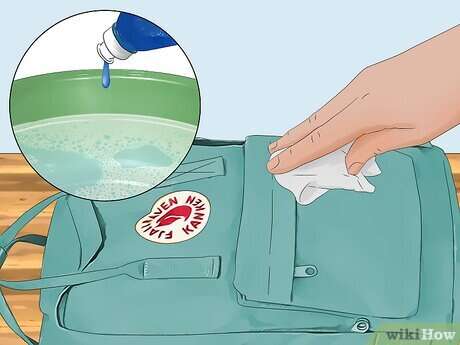
Clean a Fjällräven backpack by hand with mild soap, cool water, gentle brushing, and complete air drying.
A Fjällräven backpack can collect dust, sweat, food marks, and rain stains over time. The safest method is simple: empty the bag, spot-test the fabric, wash it gently by hand, and keep it away from a washing machine, dryer, and harsh cleaners. This guide explains how to clean a Fjällräven backpack without damaging its fabric, leather details, zippers, or water-resistant finish.
Check the Backpack’s Material and Care Needs
Before learning how to clean a Fjällräven backpack, check its fabric. Many popular models, including the Kånken, use Vinylon F. Other Fjällräven bags may use G-1000, recycled polyester, polyamide, leather, or mixed materials.
Each material needs slightly different care. A Kånken backpack usually needs gentle hand cleaning, while a G-1000 backpack may also need wax care after cleaning.
Look inside the backpack for a care label. Also check the product details if you still have the original instructions. These details matter because heat, strong soap, and rough scrubbing can weaken color, coatings, and stitching.
Important care points include:
• Vinylon F can become stiff when wet, but it returns to normal as it dries.
• G-1000 fabric can be treated with Greenland Wax to improve wind and water resistance.
• Leather trims need separate care and should not be soaked.
• Metal parts may rust if moisture stays trapped around them.
The best approach is to treat the backpack like a sturdy outdoor tool, not like a towel. Clean it with care, and it can last for many years.
What You Need to Clean a Fjällräven Backpack
You do not need expensive products to clean a Fjällräven backpack. Most of the supplies are already in your home.
Gather:
• A clean sink, tub, or large basin
• Cool or lukewarm water
• Mild liquid soap or a gentle detergent
• A soft sponge or microfiber cloth
• A soft toothbrush for seams and zippers
• A clean towel
• A well-ventilated place for drying
Choose a soap without bleach, strong fragrance, fabric softener, or heavy stain chemicals. Harsh products can fade the fabric and leave a residue that attracts more dirt.
Avoid using dish soap unless you use only a very small amount and rinse it well. Some dish soaps are too strong for colored fabric. A mild laundry soap is usually a safer choice.
You may also want a vacuum cleaner with a small attachment. It helps remove crumbs and sand before water touches the bag.

How to Clean a Fjällräven Backpack Step by Step
The following method works well for most fabric Fjällräven backpacks. It is especially useful when cleaning a Kånken backpack after daily use, school, travel, or outdoor activities.
1. Empty Every Pocket
Remove all items from the main compartment, front pocket, side pockets, and hidden sections. Check for pens, tissues, snacks, coins, and small objects that may cause stains or damage during cleaning.
Turn the backpack upside down and shake it gently. Use a vacuum or dry cloth to remove crumbs, dust, and sand.
Do not skip this step. Small grains of sand can act like sandpaper when you scrub wet fabric.
2. Remove Loose Dirt
Use a dry, soft brush to lift dirt from the surface. Brush in one direction instead of rubbing hard in circles.
Pay close attention to:
• Bottom corners
• Shoulder straps
• The area around the zipper
• Seams and folds
• The back panel
Removing dry dirt first makes the wet-cleaning stage faster and safer.
3. Test a Hidden Area
Mix a small amount of mild soap with water. Dab it on an inside corner or another hidden spot.
Wait a few minutes, then blot the area with a white towel. If the color transfers or the fabric changes texture, stop and use less soap or seek professional cleaning advice.
A color test is especially important for bright colors, dark fabrics, older bags, and backpacks with leather details.
4. Make a Mild Cleaning Solution
Fill a basin with cool or lukewarm water. Add only a small amount of mild detergent.
The water should feel lightly soapy, not thick or foamy. Too much soap makes rinsing difficult and can leave a film on the fabric.
Hot water is not a good choice. It may affect dyes, adhesives, coatings, or the shape of some backpack parts.
5. Wipe the Backpack by Hand
Dip a soft sponge or cloth into the solution. Wring it out well, then wipe the backpack from top to bottom.
Work in small areas. Use light pressure and make several gentle passes rather than one hard scrub.
For marks on a Kånken, a soft sponge often works better than a rough brush. For seams, use a soft toothbrush with very light strokes.
Do not force stains deeper into the fabric. Think of the process as lifting dirt away, much like brushing dust from a book cover.
6. Treat Stains Carefully
For fresh food or drink stains, blot first with a clean, damp cloth. Do not rub the stain across a larger area.
For oily marks, place a small amount of mild detergent on a damp cloth. Dab the mark, wait one or two minutes, and wipe again.
For mud, let the mud dry first. Brush away the dry pieces, then clean the remaining mark with mild soap and water.
Avoid bleach, acetone, alcohol-based cleaners, stain pens, and abrasive powders. These products can cause faded patches or permanent texture changes.
7. Clean the Straps and Back Panel
Shoulder straps and back panels often hold the most sweat and body oil. Wipe them carefully with a damp, soapy cloth.
Do not twist or wring the straps. Twisting may bend the padding or stress the seams.
If the backpack smells musty, clean the inside and outside instead of covering the smell with perfume. Odors often come from trapped moisture, food crumbs, or bacteria in damp fabric.
8. Rinse Away Soap
Use a fresh cloth dampened with clean water. Wipe the backpack several times to remove soap.
You may rinse a fully synthetic backpack carefully with cool water, but do not leave it submerged for a long time. Avoid soaking bags with leather, glued parts, or complex padding.
Soap left behind can make fabric feel stiff and may attract new dirt. Rinsing is one of the most important parts of how to clean a Fjällräven backpack correctly.
9. Dry the Backpack Completely
Press the backpack gently with a clean towel to remove extra water. Do not wring it or twist it.
Open every compartment and unzip the pockets. Hang the backpack or place it upright in a well-ventilated room.
Keep it away from: