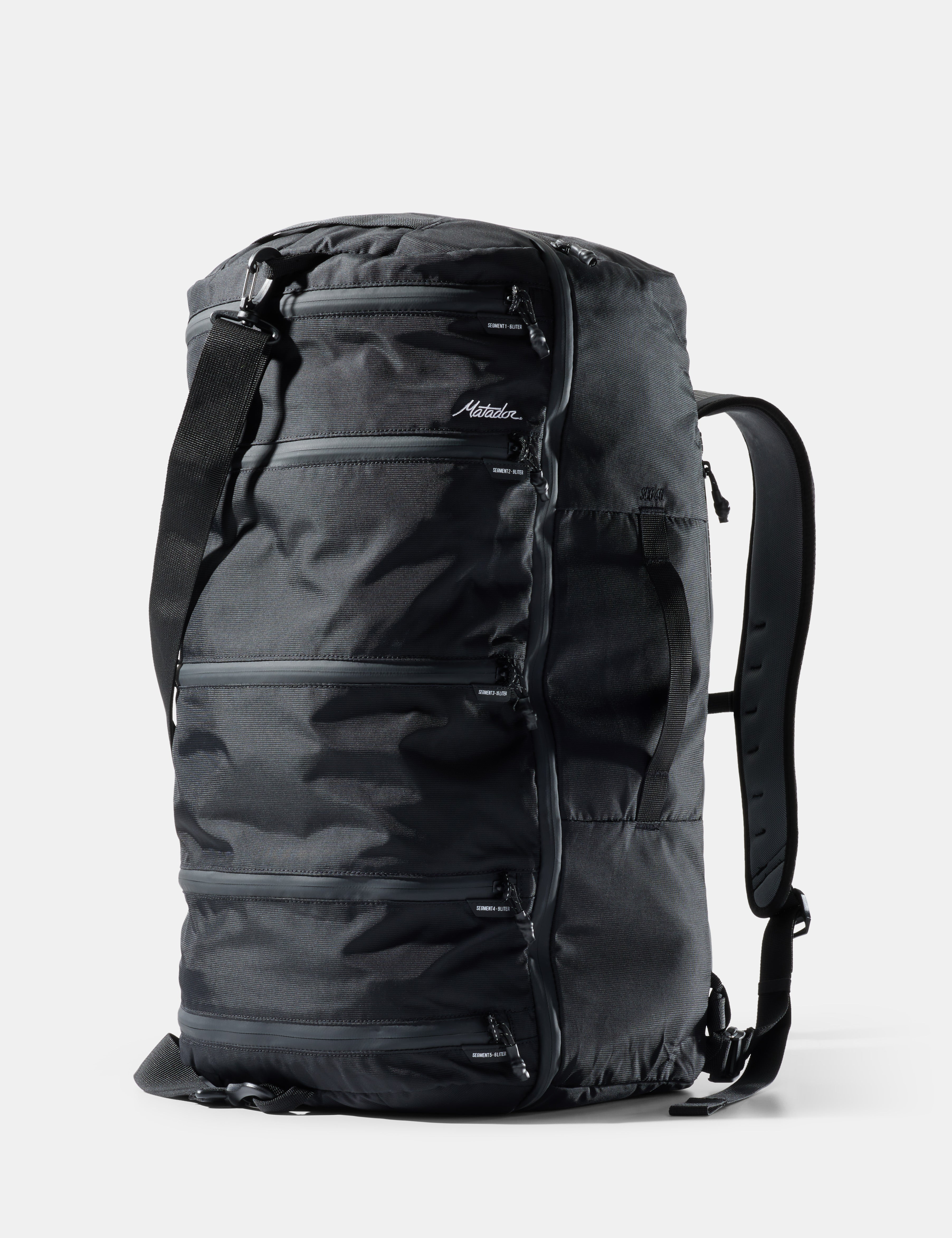
Matador backpacks are designed in Colorado and made overseas, with production varying by model and often occurring in Vietnam.
If you are asking where is Matador backpack made, the most accurate answer depends on the exact bag. Matador is a Colorado-based outdoor brand, but its backpacks are produced through overseas manufacturing partners. This guide explains the brand’s design process, common manufacturing locations, materials, quality checks, and how to verify the origin of your own Matador pack.
Where Is Matador Backpack Made?
Matador backpacks are designed in Boulder, Colorado, but they are not generally made in the United States. Like many technical travel and outdoor bags, they are produced in overseas factories that specialize in lightweight fabrics, coated materials, zippers, buckles, and precision sewing.
Many Matador backpack models list Vietnam as their country of origin. However, the manufacturing location can change between models, production runs, and product updates. Some accessories or older items may have different origin information.
The best answer to “where is Matador backpack made” is therefore:
• Designed in Colorado, United States
• Manufactured overseas
• Vietnam is a common production location for several backpack models
• The exact country should be confirmed on the product label or current product page

Is Matador an American Brand?
Yes. Matador is an American outdoor and travel gear company based in Colorado. Its American identity relates mainly to product design, engineering, testing, branding, and business operations.
Being an American brand does not mean every product is made in the United States. This is common in the outdoor industry. Companies often design products in the United States and use specialized factories in Asia for production.
This arrangement allows brands to access:
• Skilled sewing teams
• Technical fabric suppliers
• Advanced waterproof coating processes
• High-volume production facilities
• Lower manufacturing costs
When people ask where is Matador backpack made, they often confuse brand origin with manufacturing origin. These are two different details. A backpack may be American-designed while carrying a “Made in Vietnam” or another country-of-origin label.

Why Are Matador Backpacks Made Overseas?
Technical backpacks require more than basic stitching. A lightweight Matador pack may use ripstop nylon, polyurethane coatings, waterproof zippers, molded hardware, elastic mesh, and reinforced stress points.
Factories that make this type of gear need specialized equipment and trained workers. Many of these production centers are located in Vietnam, China, Taiwan, and other parts of Asia because the region has a long history of making outdoor equipment.
Overseas production can offer several benefits:
• Better access to technical textile suppliers
• Experience with ultralight outdoor products
• Large-scale quality control systems
• Competitive pricing
• Faster access to components such as buckles and zippers
This does not automatically mean lower quality. Factory skill, material choice, inspection standards, and product design matter more than the country name alone.
In my experience reviewing travel gear, the weak point is rarely the country of manufacture by itself. Problems usually come from rushed stitching, poor seam finishing, weak fabric coatings, or inadequate product testing. A well-designed bag from a skilled factory can outperform a poorly designed bag made closer to home.
Which Matador Backpack Models Are Made in Vietnam?
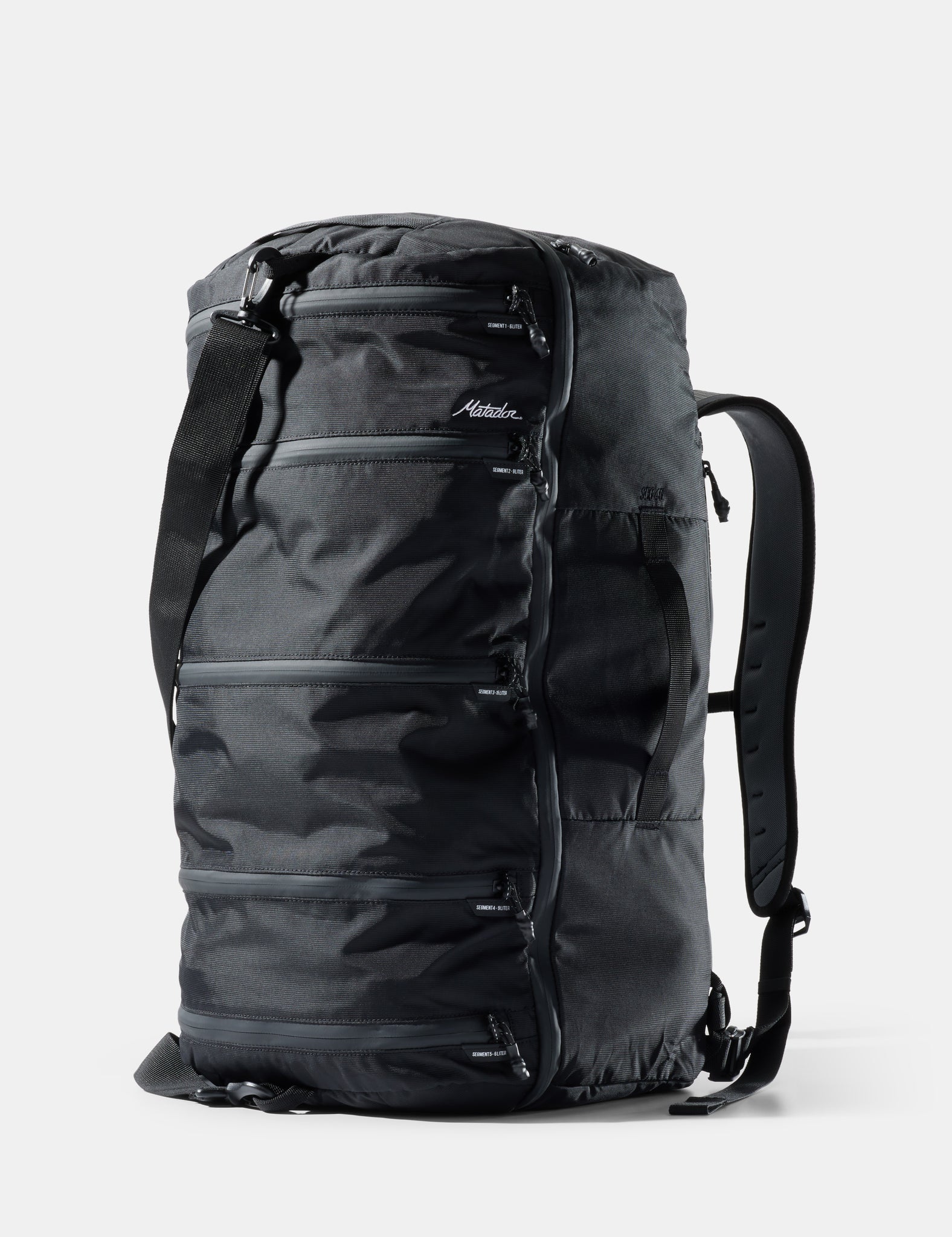
Several current Matador backpack and travel gear listings identify Vietnam as the manufacturing country. This may include popular models such as lightweight daypacks, packable bags, travel backpacks, and larger carry-on designs.
Still, country-of-origin details can change. Brands may move a product to a different factory, update a design, or use separate factories for different colors and sizes.
To determine where is Matador backpack made for a specific model, check these sources:
- Look at the sewn-in country-of-origin tag inside the backpack.
- Review the current specifications on Matador’s official product page.
- Check the packaging or hangtag supplied by the retailer.
- Ask the seller for the country-of-origin information.
- Contact Matador customer support with the model name and production code.
Do not rely only on online photographs. A product image may show an older version, while your bag may come from a newer production run.
How to Check the Country of Origin on Your Backpack
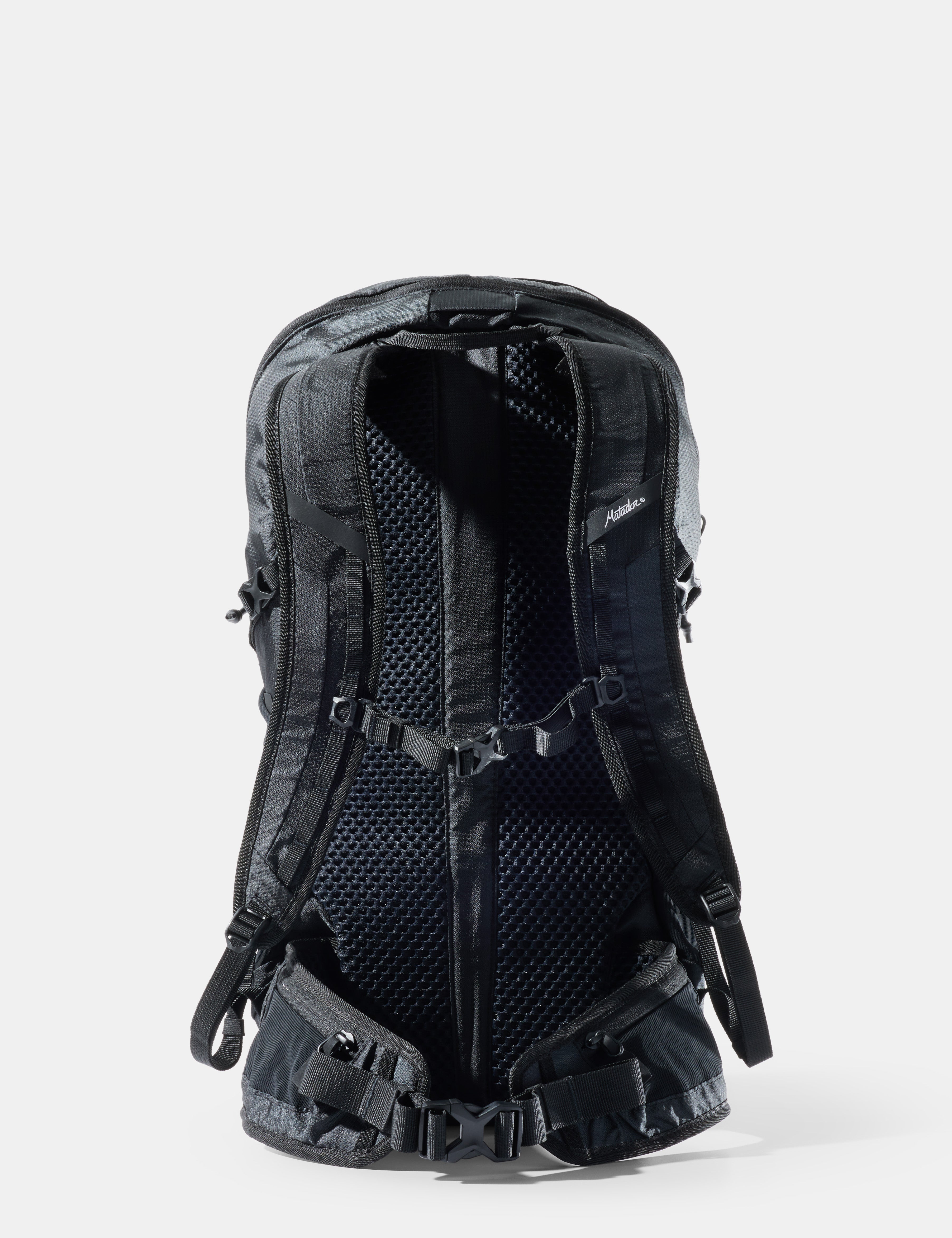
The country of origin is often printed on a small fabric label inside the main compartment. It may appear near the care instructions, material details, or product identification tag.
Look for wording such as:
• Made in Vietnam
• Manufactured in Vietnam
• Made in China
• Country of origin: Vietnam
The label may be easy to miss. On a compact Matador backpack, check the inner pocket, hydration sleeve, back panel, or seam near the main zipper.
If the label is missing, use the model name and product code. The model name may appear on a hangtag, receipt, box, or order confirmation. When buying a used backpack, ask the seller to photograph the internal label before you pay.
This small step can prevent confusion. It also helps you compare different versions of the same product.
Does the Manufacturing Country Affect Matador Backpack Quality?
The manufacturing country alone does not determine backpack quality. A bag’s durability depends on its fabric, seam construction, hardware, load design, coatings, and inspection process.
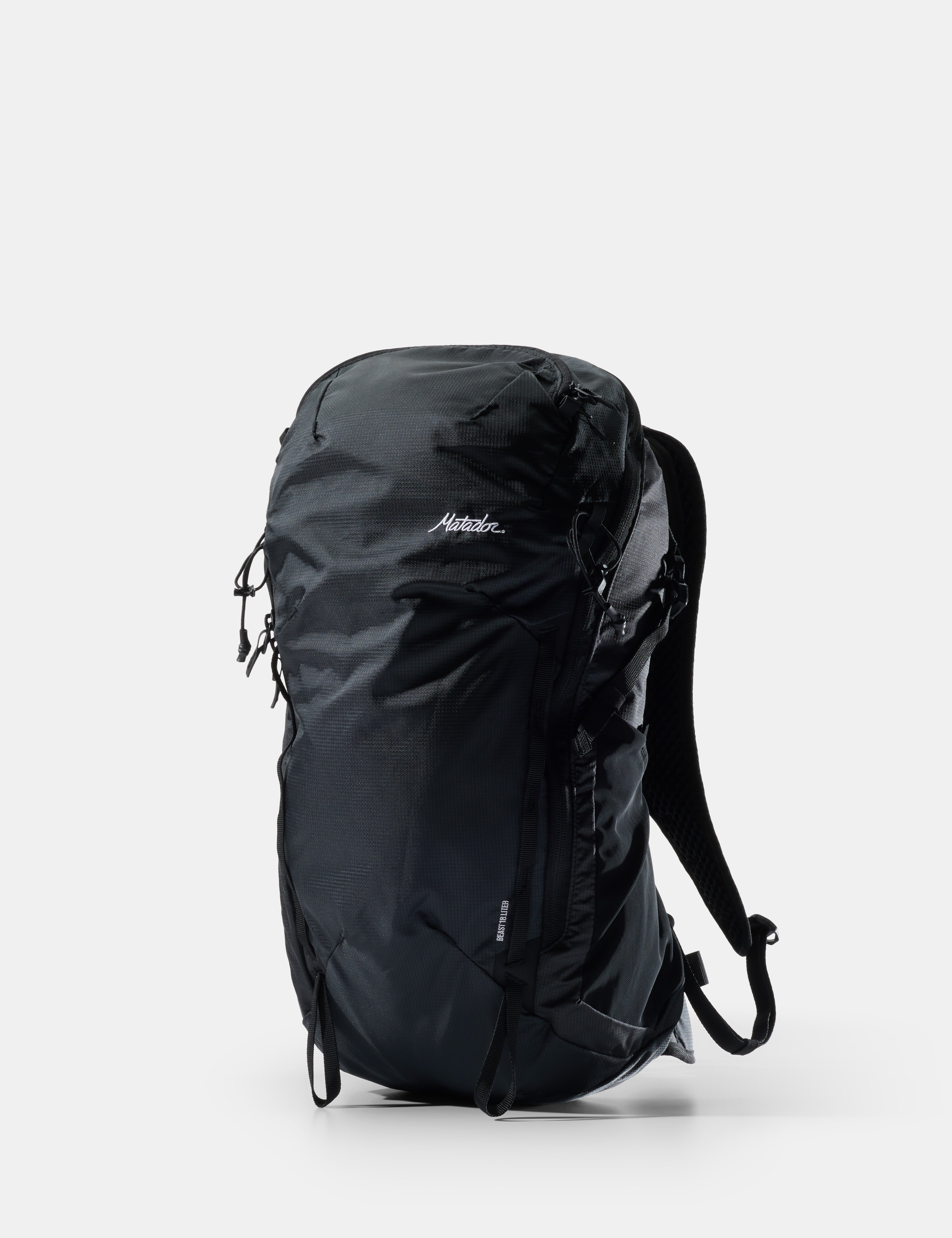
Matador backpacks are known for features such as:
• Lightweight ripstop fabrics
• Compact packability
• Water-resistant or waterproof construction on selected models
• Reinforced stitching at high-stress points
• Travel-focused storage
• Low overall weight
However, lightweight design creates trade-offs. Thin fabric can save space and reduce weight, but it may not tolerate the same abuse as a heavy canvas or thick ballistic nylon pack.
When I assess a lightweight backpack, I pay close attention to the areas most likely to fail:
• Shoulder strap anchors
• Top carry handle
• Bottom corners
• Main zipper ends
• Folding creases
• Mesh side pockets
• Seams around laptop compartments
A backpack can look excellent in a showroom yet struggle when overloaded every day. Use the bag within its intended purpose. A packable day bag is not always the right choice for heavy tools, rough construction work, or constant outdoor abrasion.

Materials Used in Matador Backpacks
Matador uses a range of synthetic materials across its product line. The exact fabric depends on the model, but common materials include ripstop nylon, recycled nylon, polyester, mesh, and coated textiles.
Ripstop fabric contains a reinforced grid. If a small tear starts, the grid can help slow its spread. It does not make the bag tear-proof, but it improves resistance compared with simple lightweight fabric.
Many models also use a water-resistant coating. This helps protect contents from light rain and splashes. It does not always mean the backpack is fully waterproof.
Before traveling in heavy rain, check:
• Whether the zippers are sealed
• Whether the seams are taped
• Whether the product is rated as waterproof
• Whether the fabric coating needs special care
• Whether the design includes exposed openings
A common mistake is treating “water-resistant” as “submersible.” Even a well-made Matador backpack can allow water through an open zipper, a seam, or a pressure point during a long downpour.
Are Matador Backpacks Ethical and Sustainable?
Matador has introduced recycled materials and sustainability-focused features in some products. Recycled fabric can reduce reliance on new petroleum-based fibers, but it does not make a backpack impact-free.
A fair sustainability review should consider the entire product life:
• How long the backpack lasts
• Whether it can be repaired
• Whether replacement parts are available
• How much plastic and packaging it uses
• Whether the materials can be recycled
• How often the owner replaces it
The most sustainable backpack is often the one that remains useful for many years. Buying a light bag that fails quickly can create more waste than choosing a slightly heavier bag with stronger construction.
Manufacturing transparency also has limits. A country-of-origin label tells you where the final substantial production took place. It does not show where every zipper, thread, buckle, or fabric fiber came from.
For that reason, shoppers should treat broad sustainability claims carefully. Look for specific information about recycled content, factory standards, repair support, and product care.
How Matador Backpacks Compare With Other Travel Bags
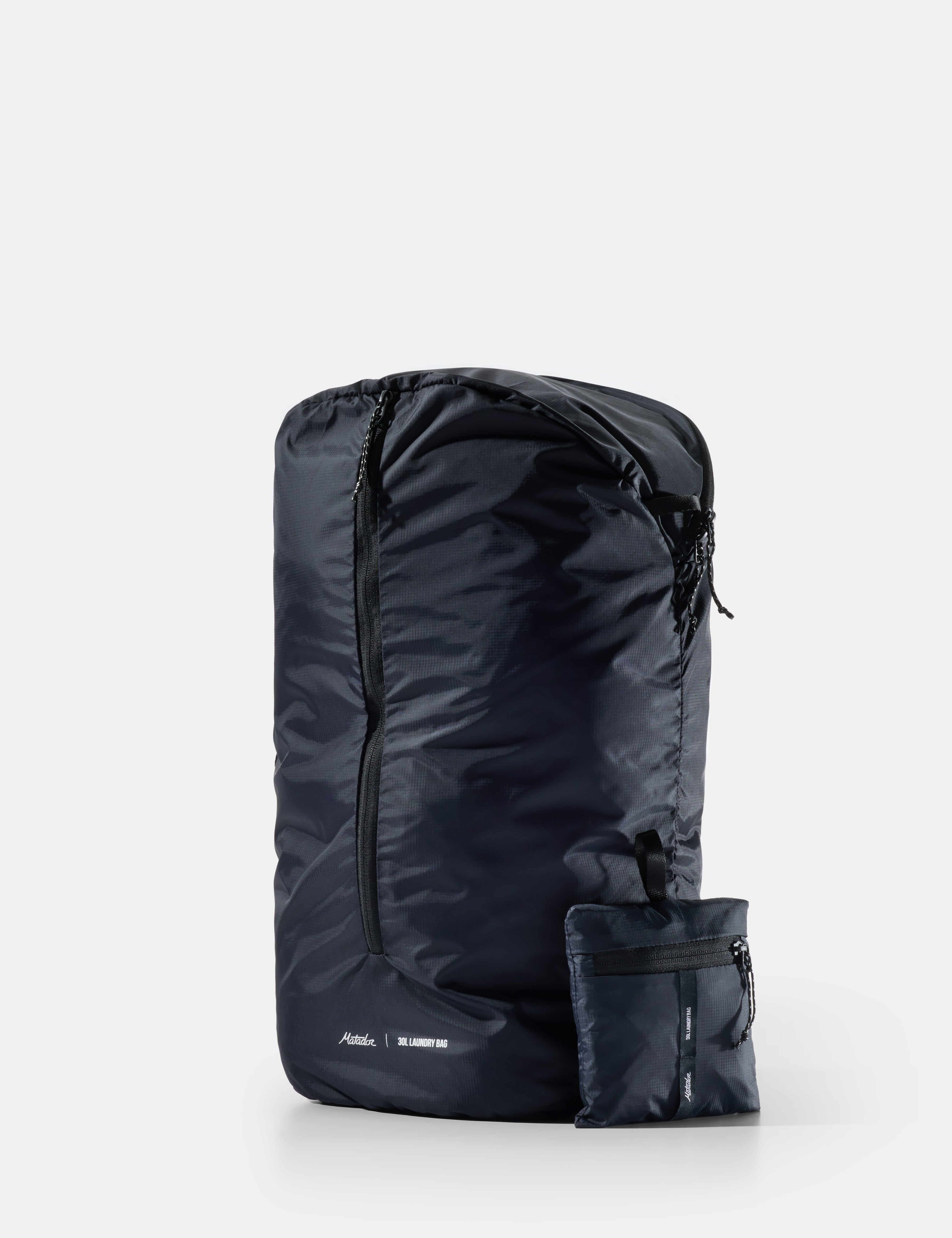
Matador backpacks focus on low weight, compact storage, and travel convenience. Many models are easy to fold or pack inside luggage, which makes them useful for day trips, sightseeing, and backup carry.
Compared with a traditional school or work backpack, a Matador pack may offer:
• Less bulk
• Lower weight
• Better packability
• More travel-friendly features
• Less padding or structure on some models
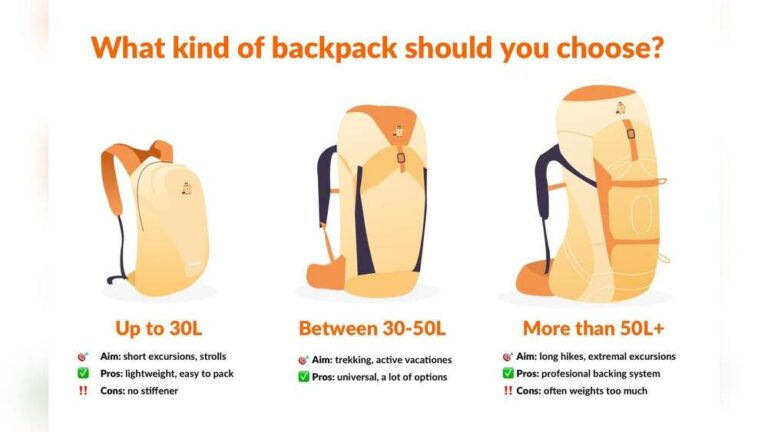
Compared with a heavy-duty hiking pack, it may provide:
• Less load support
• Fewer adjustment options
• Thinner fabric
• Less protection for sharp or heavy items
• A smaller comfort range under high loads
This difference matters when deciding whether the bag is right for you. A packable Matador backpack is like a compact rain jacket: very useful when the conditions match its purpose, but not a substitute for expedition equipment.