Choosing a backpack can seem simple at first. Walk into a store, pick a design you like, and you’re done, right? But if you’ve ever hiked all day with sore shoulders, struggled to find your keys in a crowded bag, or worried about your laptop on a crowded bus, you know it’s not so easy.
I’ve carried backpacks for work, travel, and hiking for over 15 years. I’ve made mistakes—like buying a stylish bag with weak zippers—and learned from them. In this guide, I’ll share what really matters, what you should avoid, and how to pick the right backpack for your needs.
Understanding Your Backpack Needs
Before you look at colors or brands, think about what you’ll use your backpack for. The best bag for college isn’t the same as one for mountain trails. Here’s how to figure out your real needs:
- Daily Use: If you need a backpack for work or school, focus on space for books, laptops, and small items like pens.
- Travel: For trips, look for extra compartments, safety features, and something easy to carry through airports.
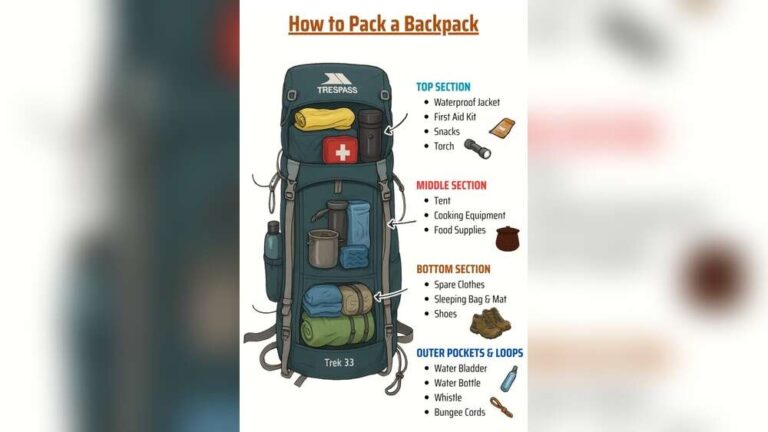
- Outdoor Activities: Hiking or camping? You’ll need padded straps, water resistance, and maybe a spot for a water bottle or sleeping bag.
- Sports or Gym: A bag for the gym should have space for shoes, a towel, and pockets for wet gear.
Ask yourself: What will you carry every day? Will you walk long distances with it? Do you need to keep electronics safe? This step saves money and pain later.
Key Features To Check Before Buying
A good backpack is more than a pretty design. Here’s what you should check, even if you’re shopping online:
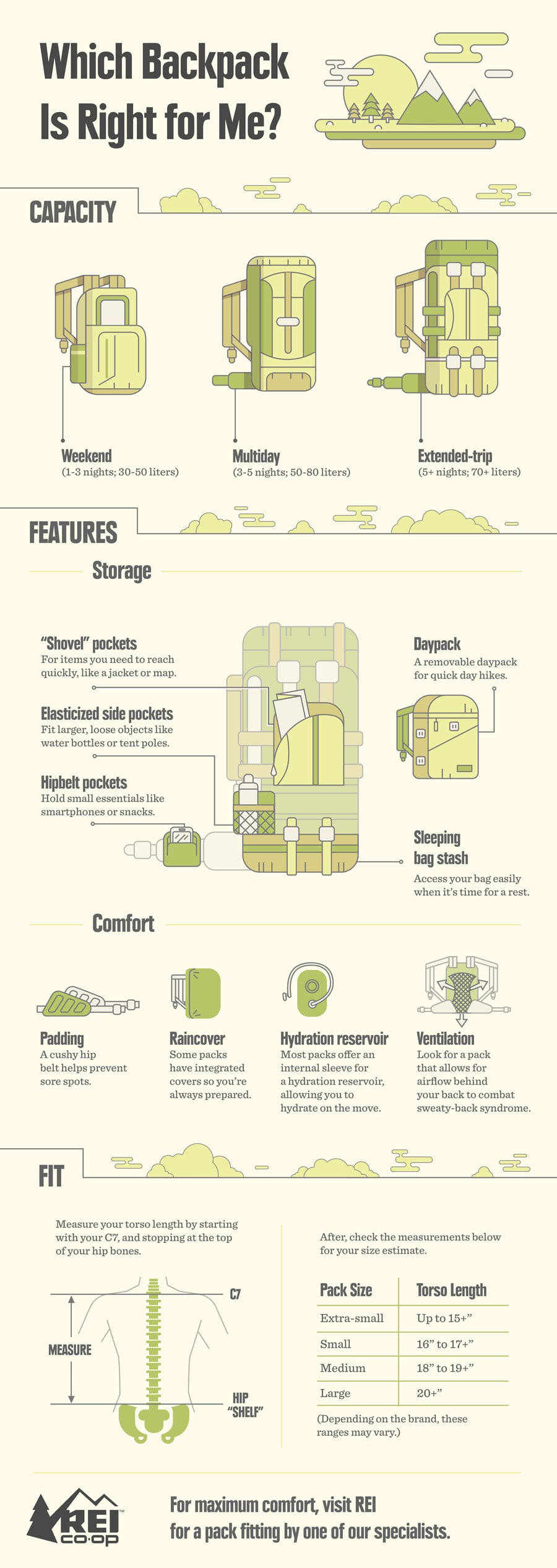
Backpack Size And Capacity
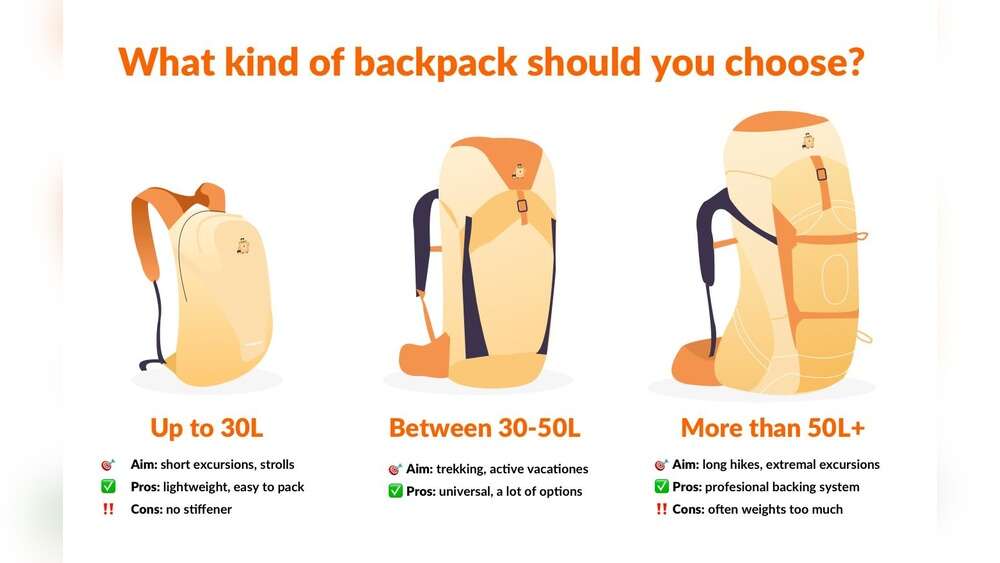
Backpack sizes are often shown in liters. For example:
- Small (10–20 liters): Great for kids, or if you only carry a few things.
- Medium (20–35 liters): Most people need this for work, school, or a day trip.
- Large (35–50+ liters): Best for travel or hiking.
To compare common sizes:
| Capacity (Liters) | Use Case | Example Items It Fits |
|---|---|---|
| 15L | Commute/School | Tablet, book, water bottle |
| 25L | Day Trip/College | Laptop, lunch box, jacket |
| 40L | Weekend Travel/Hiking | Clothes, shoes, camera, snacks |
If you’re not sure, bring your usual items to the store and see if they fit.
Comfort And Fit
Backpacks should never hurt your back or shoulders. Here’s what makes a difference:
- Shoulder Straps: Look for wide, padded straps that are easy to adjust. Thin straps dig into your skin.
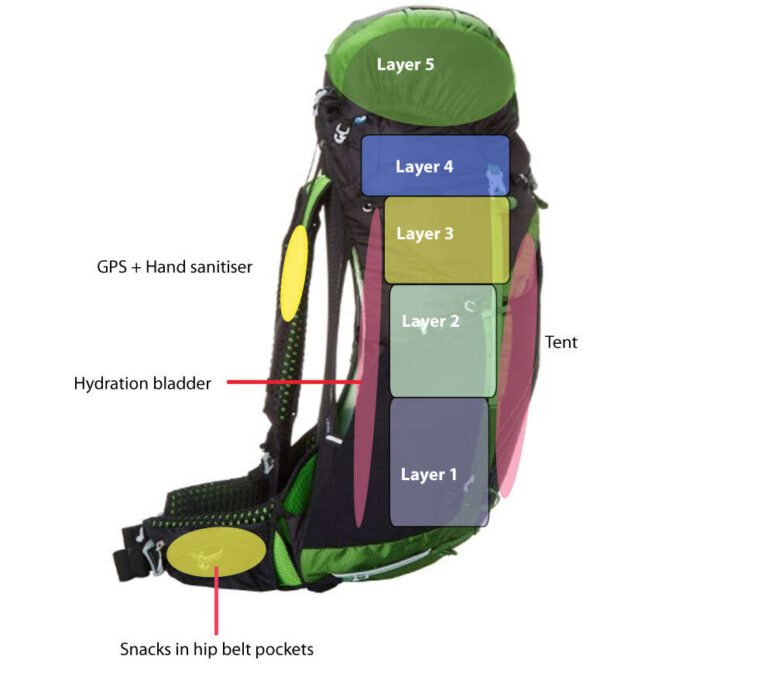
- Back Padding: A soft, padded back helps when you carry heavy loads.
- Chest and Waist Straps: These help spread the weight, especially if you walk a lot.
- Bag Length: The backpack should not hang below your hips.
I once bought a cheap bag with no padding for a college semester. My shoulders hurt every day. Spending a bit more for comfort is worth it.
Material Quality
The fabric decides how long your bag will last and how well it protects your things.
- Nylon/Polyester: These are strong, light, and water-resistant.
- Canvas: More classic style, but heavier and less water-resistant.
- Leather: Looks fancy but needs care and can be heavy.
Check for double-stitched seams and strong zippers. A weak zipper can ruin your day—I learned this the hard way when my bag burst open on a crowded train.
Compartments And Organization
More pockets mean less time searching for keys. Good bags have:
- Main Compartment: For books or clothes.
- Laptop Sleeve: Padded pocket for your computer.
- Small Pockets: For pens, chargers, or snacks.
- Water Bottle Holder: Always useful.
If you travel, hidden pockets for passports or money are a big plus.
Water Resistance
Rain can ruin laptops, papers, or snacks. Look for bags marked as water-resistant or waterproof. If you live in a rainy area, this is a must. Some bags come with a rain cover you can pull out.
Weight
An empty backpack should not be heavy. Try to pick one under 2 pounds (0. 9 kg) if possible. Every extra pound makes a difference if you walk far.
Style And Color
This is personal. Some people want a simple black bag, others like bright colors. Remember, dark colors hide dirt better. If you use your bag for work, choose a classic style.

Credit: www.youtube.com
Comparing Backpack Types
You’ll see many types of backpacks. Here’s a look at the most common:
| Type | Main Features | Best For |
|---|---|---|
| Daypack | Lightweight, 10–30L, simple design | School, daily commute |
| Travel Backpack | 30–50L, lockable zippers, more pockets | Trips, weekend travel |
| Hiking Backpack | 30–60L, chest/waist straps, weatherproof | Outdoor activities |
| Anti-Theft Backpack | Hidden zippers, cut-proof fabric | Travel, city use |
| Messenger Bag | One strap, quick access | Office, short trips |
If you want something for both work and travel, consider a travel backpack with a laptop sleeve.
How To Test A Backpack In Store
Trying a backpack in person helps you avoid mistakes. Here’s what to do:
- Fill the Bag: Ask the staff if you can put some weight inside. Many stores have sample weights.
- Adjust the Straps: Tighten and loosen the shoulder, chest, and waist straps. The bag should feel snug, not tight.
- Walk Around: Take a short walk in the store. Notice any pressure points or pain.
- Check Access: Open every pocket and see how easy it is to reach your things.
- Look in a Mirror: Make sure you like how the bag looks on you.
I once skipped this step and bought a bag online. It looked great but was too long for my back. I gave it away after a week.
Online Shopping Tips
Buying a backpack online is easy, but you have to be careful. Here’s how to do it well:
- Read Real Reviews: Look for reviews with photos and details about use over time.
- Check Return Policy: Only buy from sites that let you return bags for free if they don’t fit.
- Compare Sizes: Use a tape measure and compare the bag’s size to one you already own.
- Zoom In on Photos: Look at zippers, pockets, and straps in detail.
- Watch for Fake Brands: Only buy from trusted stores or brand websites.
One extra tip: Search for “fit video” of the backpack on YouTube. These short videos show the real size and features.
Price Vs. Value
Backpacks can cost $15 or $500. How much should you spend? Here’s what to consider:
- Under $30: Good for kids or light use. May not last long.
- $30–$80: Most people will find a good, strong bag in this range.
- Over $80: For specialty bags (hiking, travel, camera gear) or premium brands.
More expensive does not always mean better. Sometimes you pay for a logo. But very cheap bags often break fast. I once bought a $20 bag for a trip. The zipper broke the second day. It was not worth the “savings.
”
If you use your bag every day, invest a bit more for comfort and durability.
Special Features To Look For
Some backpacks have clever features that make life easier. Here are some worth checking:
- USB Charging Port: Lets you charge your phone on the go (with your own power bank).
- Laptop Compartment: Keeps your computer safe and easy to reach.
- Luggage Strap: Slides over suitcase handles for easy airport travel.
- Reflective Strips: Good for walking or biking at night.
- Expandable Zipper: Makes the bag bigger for trips.
- Rain Cover: Built-in cover that pulls over the bag in heavy rain.
- Ventilated Back Panel: Keeps your back cool on hot days.
- Anti-Theft Pockets: Hidden spaces for money or passports.
These features are helpful but also raise the price. Choose what you’ll use most.
Mistakes To Avoid When Choosing A Backpack
Even smart shoppers make mistakes. Here are common ones to dodge:
- Ignoring Fit: A backpack that’s too big or small will hurt your back.
- Choosing by Looks Only: Style is important but comfort matters more.
- Too Many Pockets: Too many can make it hard to find things.
- No Warranty: Good brands offer at least a one-year warranty.
- Buying for Only One Use: Try to get a bag you can use in many ways.
Remember, you’ll probably use this bag every day. It’s worth getting it right.
Credit: www.rei.com
How To Care For Your Backpack
A good backpack can last years with basic care. Here’s what I do:
- Clean it Regularly: Wipe the outside with a wet cloth. For deep cleaning, empty the bag and wash with gentle soap.
- Fix Small Problems Fast: If a zipper gets stuck or a strap comes loose, repair it before it breaks.
- Store it Properly: Keep your backpack in a dry place, out of direct sun, to avoid fading and mold.
- Don’t Overload: Carrying too much weight can damage zippers and seams.
I’ve used the same hiking backpack for over 7 years by following these steps. It still looks and works like new.
Comparing Popular Backpack Brands
Brand matters, but not as much as features and fit. Still, some brands are known for their quality and innovation. Here’s a quick look:
| Brand | Known For | Typical Price Range |
|---|---|---|
| North Face | Durability, outdoor use | $60–$200 |
| Osprey | Hiking comfort, smart design | $80–$300 |
| Herschel | Classic style, simple designs | $40–$120 |
| JanSport | School use, many colors | $30–$80 |
| Samsonite | Travel, business bags | $50–$150 |
Buying from a top brand usually means better materials, better warranty, and more comfort. But always check reviews and try the bag yourself if possible.
Credit: www.rei.com
How Long Should A Good Backpack Last?
With normal use, a quality backpack should last 3 to 10 years. How long depends on:
- Material strength: Nylon and polyester last longer.
- How you use it: Heavy books every day will wear out a bag faster.
- How you care for it: Cleaning and storing it right makes a big difference.
If your bag breaks within a year, it’s a sign of poor quality.
When To Upgrade Your Backpack
You don’t need a new backpack every year. But here are signs it’s time to upgrade:
- Broken Zippers or Straps: If repairs cost more than a new bag, upgrade.
- Pain or Discomfort: If your shoulders or back hurt, your bag is the problem.
- Needs Have Changed: Maybe you started a new job or hobby and need different features.
- Looks Old and Worn: For work or school, a neat bag makes a good impression.
I replaced my last work bag when my laptop outgrew its sleeve. A new bag made my daily commute much smoother.
Responsible Backpack Shopping
Think about the environment when you buy. Here’s how you can help:
- Buy Quality, Not Quantity: A good bag lasts longer and creates less waste.
- Choose Recycled Materials: Some brands use recycled plastic bottles for their fabric.
- Donate Old Bags: If your bag is still good, give it to someone in need.
- Repair, Don’t Replace: Small fixes can add years of life to your bag.
For more on sustainable materials, check the Wikipedia page on recycled fibers.
Frequently Asked Questions
What Size Backpack Do I Need For Everyday Use?
A backpack with 20–30 liters capacity fits most people’s daily needs. It holds a laptop, books, lunch, and a water bottle. If you carry gym clothes or extra gear, choose a size closer to 30 liters.
How Do I Know If A Backpack Fits Me Well?
Try on the bag and adjust all straps. It should sit high on your back—not below your hips. The weight should feel balanced, not pulling you backward or down. If it feels heavy even when empty, try a different model.
Are Expensive Backpacks Always Better?
Not always. Higher price can mean better materials and features, but not every expensive bag is comfortable or durable. Read user reviews and try the bag before you buy.
Can I Wash My Backpack In A Washing Machine?
Check the care label first. Many backpacks can be washed by hand with mild soap and water. Machine washing can damage zippers or the waterproof lining. If you must use a machine, put the bag inside a pillowcase and use gentle cycle.
What Is The Difference Between Water-resistant And Waterproof?
Water-resistant bags can handle light rain for a short time. Waterproof bags keep water out, even in heavy rain or if you drop the bag in a puddle. For laptops or electronics, waterproof is safer.
Finding the right backpack is about more than picking a style. It’s an investment in your comfort and your daily life. Take your time, check the details, and choose a bag you’ll enjoy carrying every day. Your back—and your belongings—will thank you.

Zayden Halbrook is a travel enthusiast and gear researcher passionate about making every journey smoother and more enjoyable. With a keen eye for practical travel essentials and real-world tips, he helps readers choose the right gear and travel smarter. When he’s not testing travel kits or exploring new destinations, Zayden shares simple, reliable advice to make every trip stress-free.