The backpack method is a simple way to identify, organize, and release the emotional or practical burdens you carry.
The phrase “backpack method” can describe more than one technique, but it usually refers to a visual exercise for sorting life’s burdens. You imagine each worry, task, habit, or past experience as something inside a backpack. This guide explains how the backpack method works, where it comes from, how to use it safely, and how it differs from packing or planning methods.

What Is the Backpack Method?
The backpack method is a reflection and self-management technique. It asks you to picture your mind and daily life as a backpack filled with items. Each item represents something you carry, such as stress, guilt, an unpaid bill, a difficult relationship, or an unfinished task.
The goal is not to pretend that problems do not exist. Instead, the method helps you name each burden, decide whether it still belongs to you, and choose what to do next. In simple terms, the backpack method turns vague stress into clear, visible parts.
Many people use the backpack method for:
• Emotional healing
• Stress management
• Journaling
• Personal growth
• Goal setting
• Breaking harmful habits
• Making difficult decisions
• Managing a busy schedule
The backpack is a metaphor. It is not a formal medical treatment or a single method with one official set of rules. Different coaches, therapists, teachers, and online creators may use the term in slightly different ways.
That point matters. The backpack method can support self-reflection, but it should not replace professional care when someone is dealing with trauma, severe anxiety, depression, or thoughts of self-harm.
How the Backpack Method Works
The backpack method uses a simple process: notice, name, sort, and act. These steps make emotional or mental clutter easier to understand.
Think of it like cleaning a real backpack. You first empty it. Then you look at each item. Some things are useful, some belong somewhere else, and some should be thrown away.
1. Notice what you are carrying
Start by paying attention to what feels heavy. You may notice tiredness, worry, anger, shame, pressure, or mental noise.
Ask yourself:
• What keeps coming back to my mind?
• What makes me feel tense?
• What task am I avoiding?
• What memory still affects my choices?
• What expectation feels too heavy?
Do not judge your answers. The first step is simply to notice them.
2. Name each burden
Give each burden a clear name. Instead of writing “I feel bad,” try to write “fear of disappointing my parents” or “stress about money.”
Clear names help because the brain handles a specific problem better than a vague feeling. A named burden becomes something you can examine.
3. Sort the items
Place each item into one of four groups:
• Keep: This is important and needs regular attention.
• Reduce: This matters, but it takes too much space or energy.
• Return: This belongs to another person or situation.
• Release: This no longer serves you.
This step is the heart of the backpack method. It helps you separate responsibility from guilt and useful effort from needless pressure.
4. Choose one action
Pick one small action for one item. You might send an email, set a boundary, ask for help, book an appointment, or forgive yourself for an old mistake.
A useful action should be realistic. “Fix my whole life” is not a helpful next step. “Spend ten minutes listing my overdue bills” is much better.
5. Review the backpack
Repeat the exercise once a week or whenever life feels crowded. Your backpack will change over time. Some burdens will become lighter, while new ones may appear.
Why the Backpack Method Can Help
The backpack method works because it gives shape to invisible stress. A worry inside your head can feel endless. A worry written on paper has edges, a name, and a place.
This idea connects with well-known psychological tools. Journaling can help people process thoughts and emotions, while cognitive behavioral techniques often encourage people to identify thoughts, examine them, and choose a more useful response. The backpack method is not the same as cognitive behavioral therapy, but it uses a similar pattern of making inner experiences more visible.
It may also reduce the feeling of mental overload. When every task feels urgent, people often switch between tasks without finishing any of them. Sorting your “backpack” can help you see what needs action now and what can wait.
The method may help you:
• Build self-awareness
• Reduce mental clutter
• Identify emotional triggers
• Set healthier boundaries
• Focus on controllable actions
• Notice unrealistic expectations
• Make space for rest
• Prepare for a difficult conversation
It can also create self-compassion. Many people carry burdens that were never theirs. For example, a person may feel responsible for keeping every family member happy. The backpack method can help them see that caring for others does not mean controlling every outcome.
The Emotional Backpack Meaning
In emotional health, the backpack often represents the past and its effect on the present. The “items” may include grief, disappointment, fear, resentment, or painful memories.
This does not mean a person can simply drop a serious experience and move on. Emotional healing is rarely that quick. Some burdens need time, support, and careful work.
A better way to understand the metaphor is this: you may not be able to erase what happened, but you can learn how it affects your choices today. You can also decide whether you need to carry it alone.
For example, imagine someone who was criticized often as a child. As an adult, that person may carry a fear of making mistakes. The backpack method could help them write:
• “I expect criticism.”
• “I avoid new tasks.”
• “I believe mistakes prove I am not good enough.”
The next step is not to force positive thinking. It may be to test one small belief, speak with a trusted person, or work with a licensed mental health professional.
If the exercise brings up intense memories, pause. Use a calming activity, contact someone you trust, or seek professional support. A simple metaphor should never pressure you to revisit pain before you are ready.
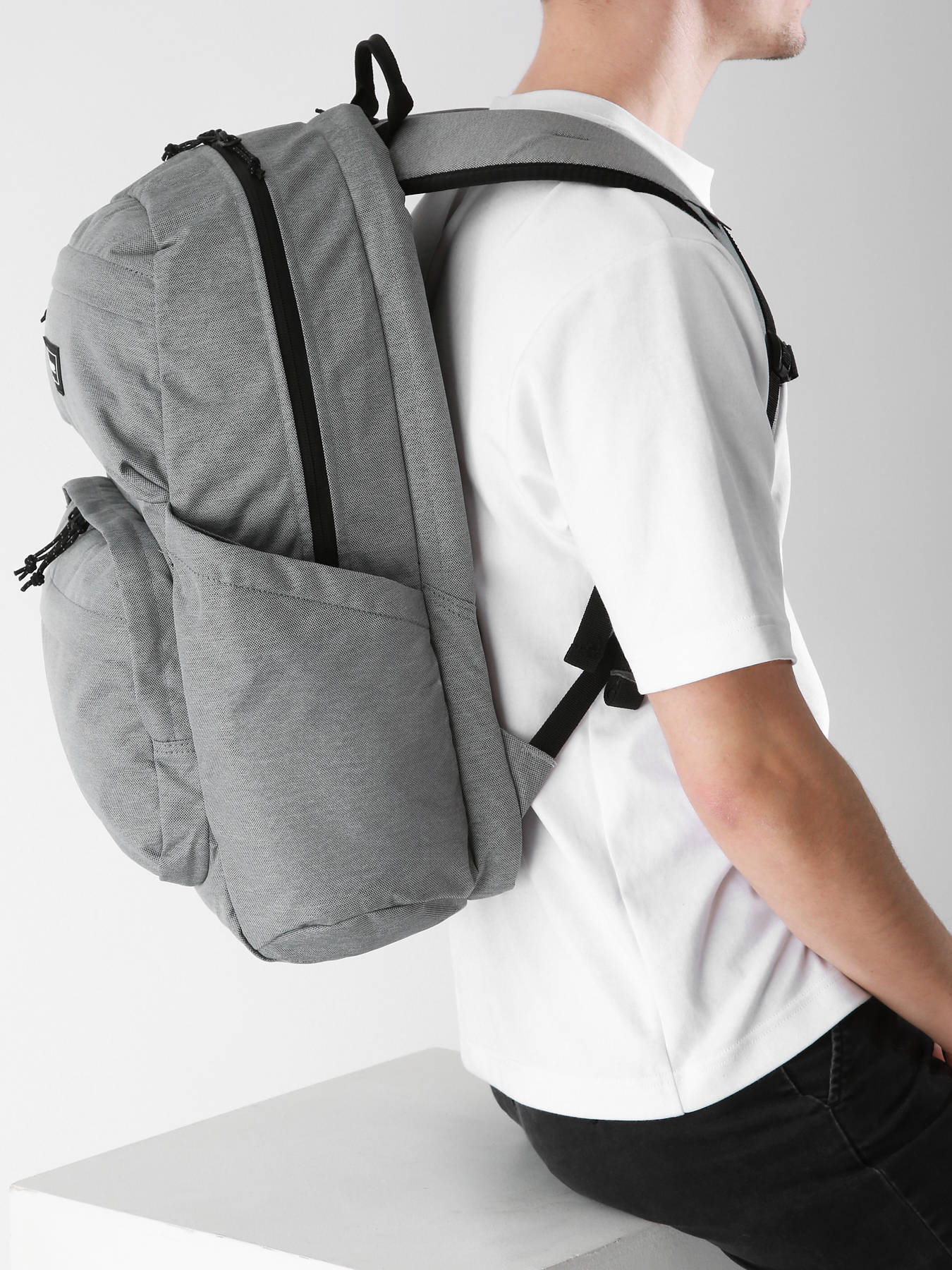
The Backpack Method for Stress and Daily Tasks
You can also use the backpack method for practical stress. In this version, each item represents a task, commitment, or decision.
Start by writing everything that is taking up mental space. Include small items. A dentist appointment, a work report, and a call to a friend can all occupy attention.
Then sort the list:
• Do today: Important and time-sensitive tasks
• Schedule: Important tasks that can wait
• Delegate: Tasks someone else can handle
• Delete: Tasks that are not truly needed
• Rest: Time needed to recover and function well
This version resembles common time-management systems, but the backpack image makes the process more personal. It reminds you that every commitment has a cost.
For example, you may agree to help with three community events because each request seems reasonable. When you place all three in the same backpack, the total weight becomes clear. You may then choose one event and decline the others with respect.
A practical rule is to ask, “Would I willingly place this item in my backpack today?” If the answer is no, explore why you are still carrying it.
A Simple Backpack Method Exercise
Try this 15-minute version at home. Use a notebook, a quiet room, and a timer.
-
Draw a backpack on a page.
-
Write one burden inside the backpack for every thought, task, or feeling that weighs on you.
-
Give each item a short name.
-
Circle the items you can influence.
-
Put a star beside the item that needs attention first.
-
Cross out anything that is not your responsibility.
-
Write one small action beside each item you plan to keep.
-
End with one sentence about what you are willing to set down today.
Your sentence might be:
“I can care about my family without solving every problem for them.”
Or:
“I can prepare for the interview without demanding perfection from myself.”
Keep the action small. If an item is “financial stress,” your first action might be checking your account balance. If the item is “conflict with a friend,” your first action might be writing down what you want to say before contacting them.
One mistake I often see in exercises like this is trying to empty the whole backpack in one sitting. That can create more pressure. The aim is not a perfect life. The aim is one clearer step.