Usually, you should not machine wash a The North Face backpack; hand cleaning is safer and more reliable.
Knowing can you machine wash a North Face backpack matters because a washer can damage fabric, padding, zippers, coatings, and shape. This guide explains how to check the care label, clean your pack by hand, deal with stains and odors, and dry it without causing lasting harm.
Can You Machine Wash a North Face Backpack?
In most cases, no. The safest answer to can you machine wash a North Face backpack is to avoid the washing machine unless the care label clearly says it is allowed.
The North Face makes backpacks from materials such as nylon, polyester, mesh, foam, plastic, and coated fabrics. These parts may react differently to water, heat, soap, and movement. A washing machine can twist shoulder straps, crush padding, pull stitching, and weaken water-resistant coatings.
Before cleaning, check the sewn-in care label. You can also check the product page or care instructions for your exact model. Different packs may have different materials and construction, so one cleaning method does not fit every bag.
A gentle hand wash is usually the best choice. It gives you control over the water temperature, pressure, and cleaning time.

Why Machine Washing Can Damage Your Backpack
Many people ask can you machine wash a North Face backpack because a washer seems like a quick way to remove dirt. The problem is that backpacks are not simple cloth bags. They often include several layers and parts that a washer can stress.
Water-resistant coatings
Some North Face backpacks use a durable water-repellent finish or coated fabric. Strong detergent, hot water, and repeated washing can reduce this protection. The fabric may still look clean, but rain can soak through more easily.
A washing machine may also leave detergent inside seams and pockets. This residue can attract dirt and cause an unpleasant smell.
Foam and padding
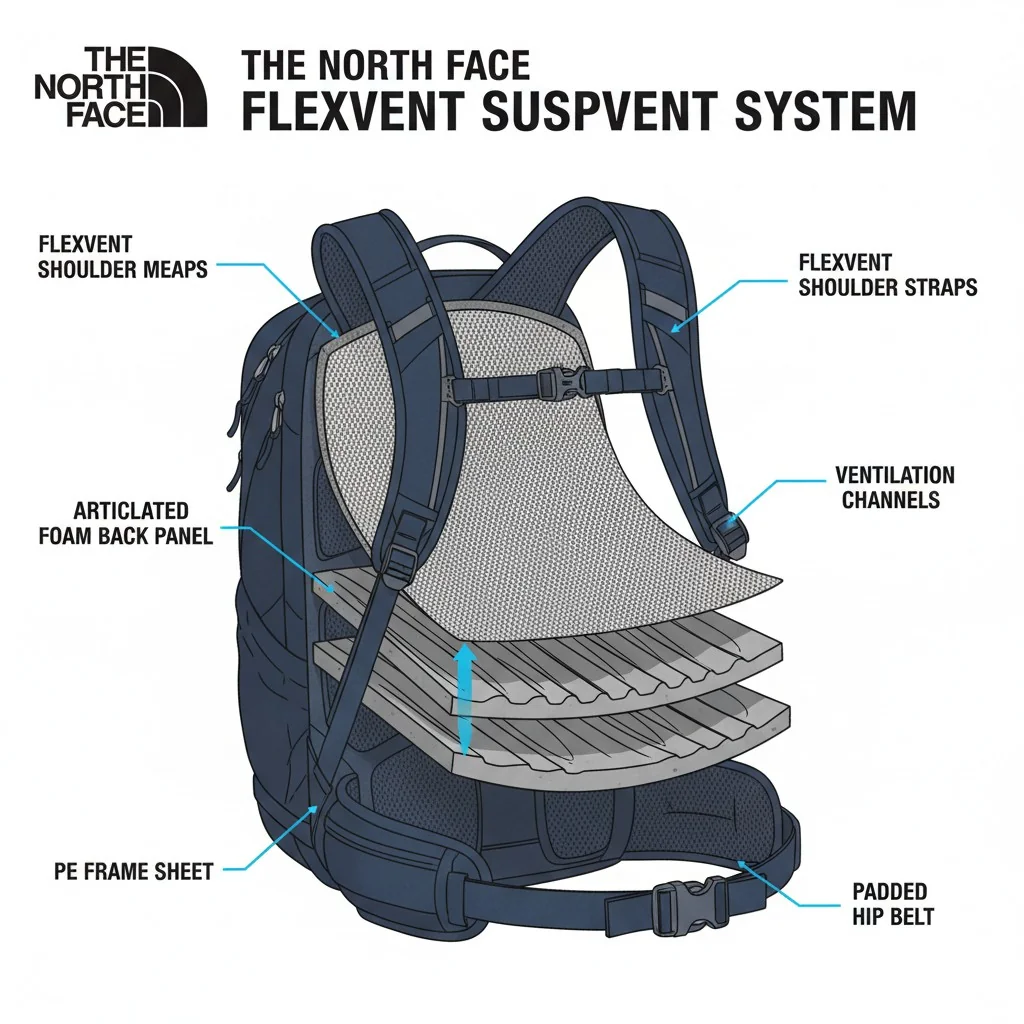
Shoulder straps and back panels often contain foam. Machine agitation can bend or compress this foam. Once the padding loses its shape, the backpack may feel less comfortable.
Heat can make the problem worse. A hot dryer may warp foam, shrink fabric, or damage glued sections.
Zippers, buckles, and hardware
Zippers and plastic buckles can strike the washer drum. Small parts may crack, snag, or become misaligned. Metal parts can also scratch the drum or rust if they remain wet for too long.
Shape and stitching
A backpack needs its structure to carry weight safely. A washer can fold the pack sharply and put stress on seams. This is especially risky for school packs, hiking packs, and travel bags with stiff frames or padded compartments.
From my own cleaning tests and day-to-day bag care, the biggest mistake is treating a backpack like a T-shirt. A shirt has simple seams. A backpack is closer to a small piece of gear with many connected parts.

When Machine Washing Might Be Allowed
The answer to can you machine wash a North Face backpack depends on the specific model and its care instructions. Some simple fabric bags may tolerate a delicate wash, but you should never assume that every North Face pack can go in a machine.
Look for clear instructions on the care tag. If machine washing is allowed, follow the instructions exactly. Use these precautions:
• Empty every pocket, including hidden compartments.
• Remove detachable straps, inserts, or accessories if the label permits.
• Close all zippers and fasten loose buckles.
• Place the backpack inside a large mesh laundry bag or pillowcase.
• Use cold water and a gentle cycle.
• Choose a small amount of mild detergent.
• Avoid bleach, fabric softener, stain removers, and strong cleaners.
• Skip the spin cycle if the care instructions allow you to do so.
• Air-dry the pack away from direct heat.
Even when a label permits machine washing, hand cleaning remains gentler. If the care label is missing or unclear, treat the bag as hand-wash only.

How to Clean a North Face Backpack by Hand
Hand cleaning is the safest answer for most people asking can you machine wash a North Face backpack. It takes a little more time, but it helps protect the fabric, padding, coating, and shape.
1. Empty and inspect the bag
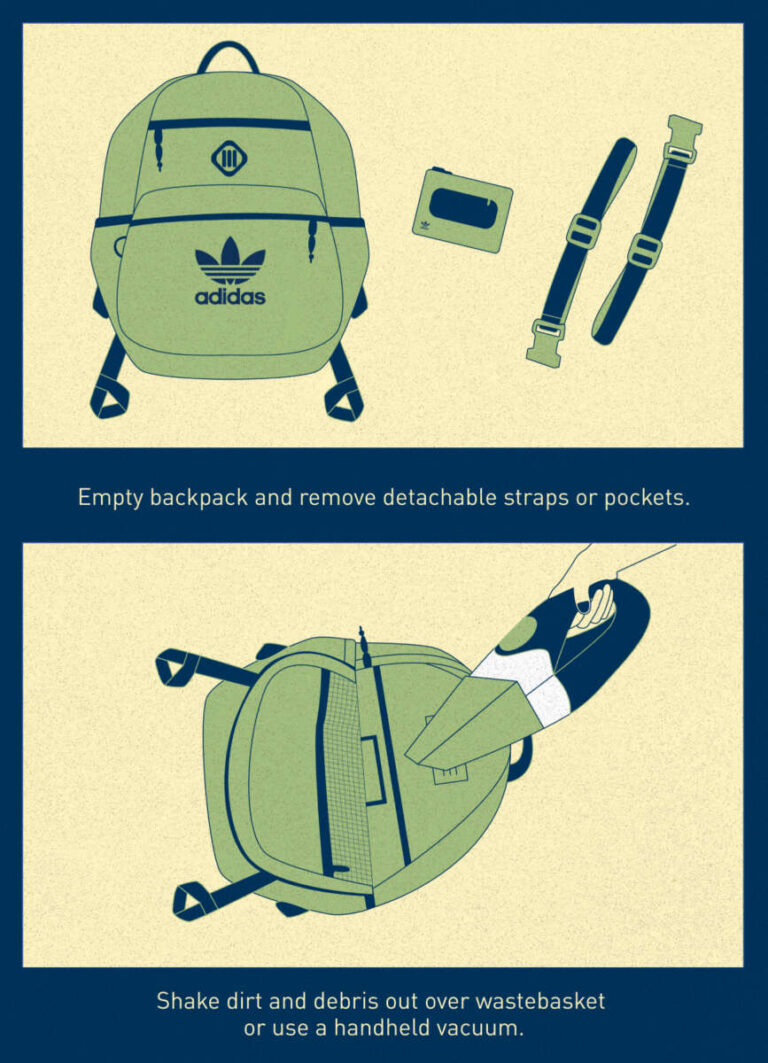
Open every pocket and shake the pack upside down. Remove paper, crumbs, pens, coins, and small objects. Use a vacuum with a soft brush attachment to collect dust from the inside.
Inspect the bag for damage before adding water. Look for loose threads, torn mesh, broken zipper teeth, or peeling coating. Cleaning can make existing damage more noticeable, so repair serious problems first.
2. Read the care label
Find the care label inside the main compartment or near a side seam. The instructions may tell you to spot clean, hand wash, or avoid soaking.
If the label says spot clean only, do not submerge the entire backpack. When instructions differ between the label and a general online guide, follow the label.
3. Mix a mild cleaning solution
Fill a basin with cool or lukewarm water. Add a small amount of mild liquid detergent.
Avoid regular laundry detergent when possible. It may be too strong for coated fabrics and can leave a film behind. A gentle soap made for technical clothing is often a better choice.
4. Test a hidden area
Dip a soft cloth into the solution and test it on a hidden part of the pack. Wait a few minutes and check for color bleeding, fading, or changes in texture.
This small test can prevent a large problem. Dark colors and older bags deserve extra care because their dyes and coatings may be less stable.
5. Clean the outside
Use a soft cloth, sponge, or soft toothbrush. Work in small areas with light pressure.
Pay close attention to:
• Bottom panels that touch floors
• Shoulder straps and hip belts
• Handle areas
• Pocket openings
• Mud near seams
• High-touch zipper pulls
Do not scrub hard. Gentle repeated passes are safer than one rough pass.
6. Clean the inside
Wipe the lining with a damp cloth. For a food spill, use a little more of the mild solution, then wipe the area again with clean water.
Do not flood padded laptop sleeves or foam-backed sections. Excess water can stay trapped inside and create a musty smell.
7. Rinse carefully
Use a clean, damp cloth to remove soap. Repeat until the surface no longer feels slippery.
If the care label permits a light rinse, you can rinse the pack with cool water. Do not twist or wring it. Twisting can damage seams and padding.
8. Air-dry completely
Press the backpack gently with a clean towel to remove extra water. Open every pocket and hang or place the bag in a well-ventilated area.
Keep it away from radiators, hair dryers, clothes dryers, and strong sunlight. Heat can damage coatings and change the shape of synthetic fabric.

How to Remove Common Backpack Stains
The right stain method depends on what caused the mark. Start with the mildest option and test a hidden spot first.
Dirt and mud
Let wet mud dry before brushing it away. Then wipe the remaining mark with a damp cloth and mild soap.
Cleaning wet mud immediately can spread it across the fabric. A soft brush works well on textured nylon, but use light pressure.
Food and drink stains
Blot the spill as soon as possible. Do not rub, since rubbing pushes the stain deeper.
Use cool water and a small amount of mild detergent. Rinse the area with a clean damp cloth and dry it fully.
Ink
Ink can spread quickly through fabric. Blot the area and avoid aggressive scrubbing.