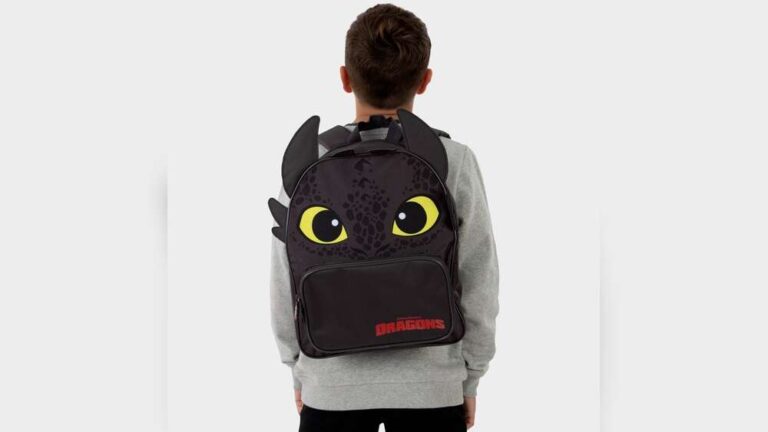
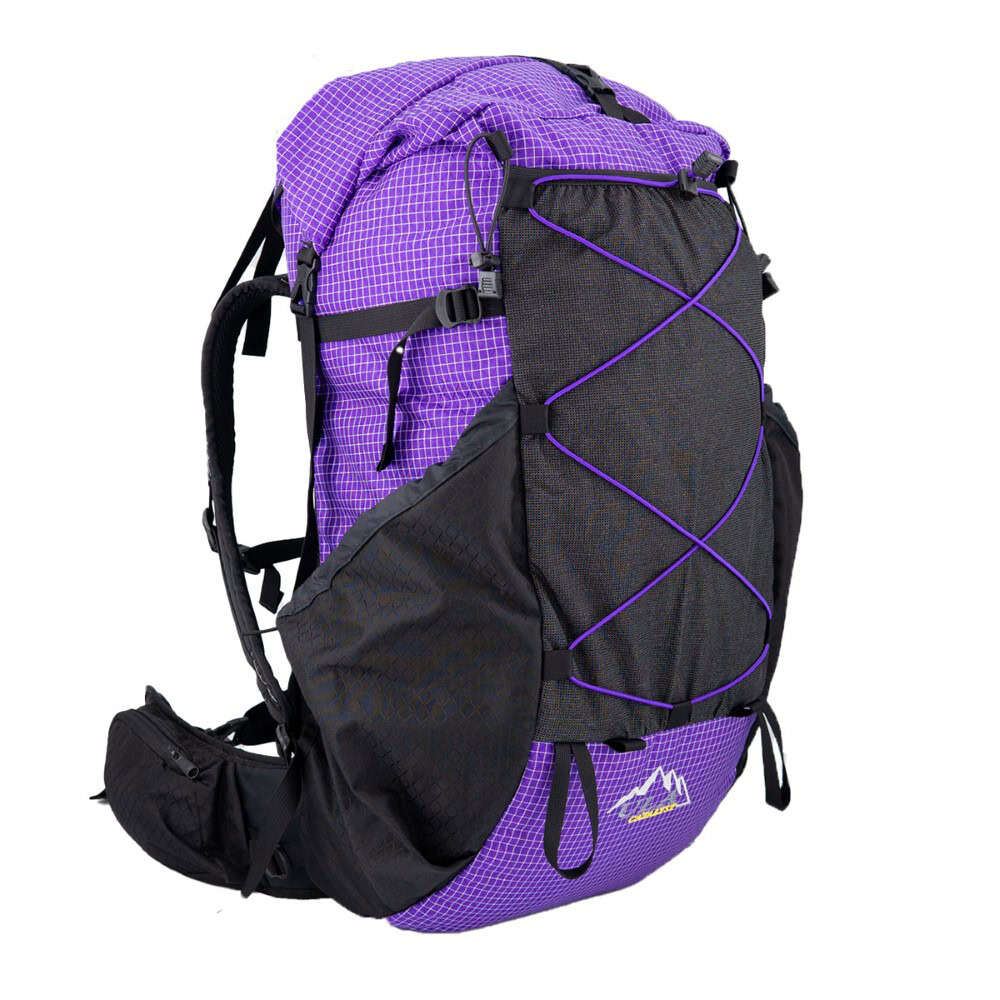
Most backpackers need a 40 to 60 liter pack, depending on trip length, gear, and season.
Choosing what size backpacking pack do I need depends on more than the number of nights outside. Your shelter, sleep system, cooking gear, clothing, food, water, and packing style all affect the answer. After helping hikers compare pack sizes and learning from my own overpacked trips, I have found that the best pack is the smallest one that holds your full kit without forcing you to sacrifice safety or comfort.
What size backpacking pack do I need?
For most hikers, a 40 to 60 liter backpacking pack works well. A 40 to 50 liter pack suits warm-weather trips with compact gear, while a 55 to 65 liter pack gives more room for cold weather, long trips, or bulky equipment.
Here is a simple guide:
- 15 to 30 liters: Day hikes and fast overnight trips
- 30 to 40 liters: One-night trips with light, compact gear
- 40 to 50 liters: Weekend backpacking trips
- 50 to 60 liters: Three to five nights or larger gear
- 60 to 75 liters: Cold-weather trips, long trips, or group equipment
- More than 75 liters: Expedition use, winter travel, or heavy loads
These ranges are only starting points. Two hikers may carry the same food and shelter but need different pack sizes because one uses a compact quilt and the other carries a large sleeping bag.

Backpack size by trip length
Trip length helps answer what size backpacking pack do I need, but it should not be your only guide. Food takes up space, yet the space needed for shelter and clothing often matters more.
One-night backpacking trips
A 30 to 40 liter pack is often enough for a summer overnight trip. You may need room for a small shelter, sleeping bag or quilt, sleeping pad, stove, food, water, and a spare layer.
A 35 liter pack can work well if your gear is compact. It may feel tight if you carry a bulky sleeping bag, a large tent, or extra camera equipment.
Weekend backpacking trips
For two or three nights, most hikers do well with a 40 to 55 liter pack. This size gives you space for food and extra clothing without feeling like you are carrying a closet on your back.
Many new backpackers ask, “What size backpacking pack do I need for a weekend?” In most cases, a 45 to fifty liter pack is a safe choice if your gear is reasonably compact.
Trips of four nights or more
A 50 to 65 liter pack usually fits four to seven days of gear. The correct size depends on how much food you carry and whether you need extra fuel, water treatment, clothing, or group gear.
Longer trips do not always require a much larger pack. Food gets smaller as you eat it, and experienced hikers often use lighter, more compact equipment.
Extended and expedition trips
Trips lasting more than a week may need a 60 to 75 liter pack. This is more common when you carry cold-weather gear, fishing equipment, mountaineering tools, a bear canister, or shared group items.
A very large pack can create problems. It encourages overpacking and can make your load heavy, unstable, and harder to control.
Backpack capacity explained in liters
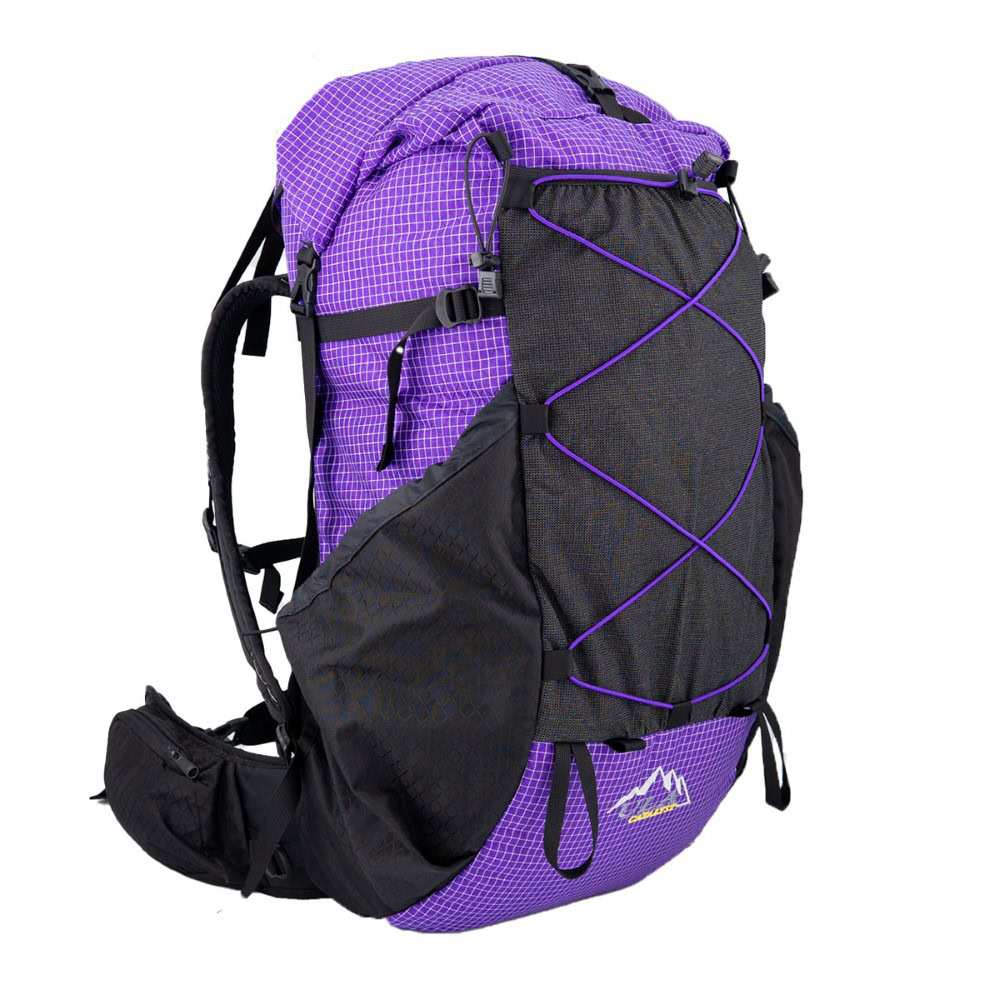
Backpack capacity is measured in liters. One liter is a measure of volume, not weight. A 60 liter pack can hold more than a 40 liter pack, but it does not tell you how heavy the load will be.
Pack makers may list the main compartment alone or include every pocket. This creates confusion when comparing models. A pack advertised as 55 liters may have a 45 liter main body plus 10 liters in the lid and side pockets.
When asking what size backpacking pack do I need, check these details:
- Main compartment volume
- Extension collar capacity
- Hip belt pocket volume
- Front mesh pocket size
- Side pocket space
- Whether the listed volume includes the lid
- Whether the pack accepts a bear canister
A pack with smart pockets may feel larger than a pack with the same stated capacity. External pockets also help keep wet clothing, snacks, and water easy to reach.
How your gear affects pack size
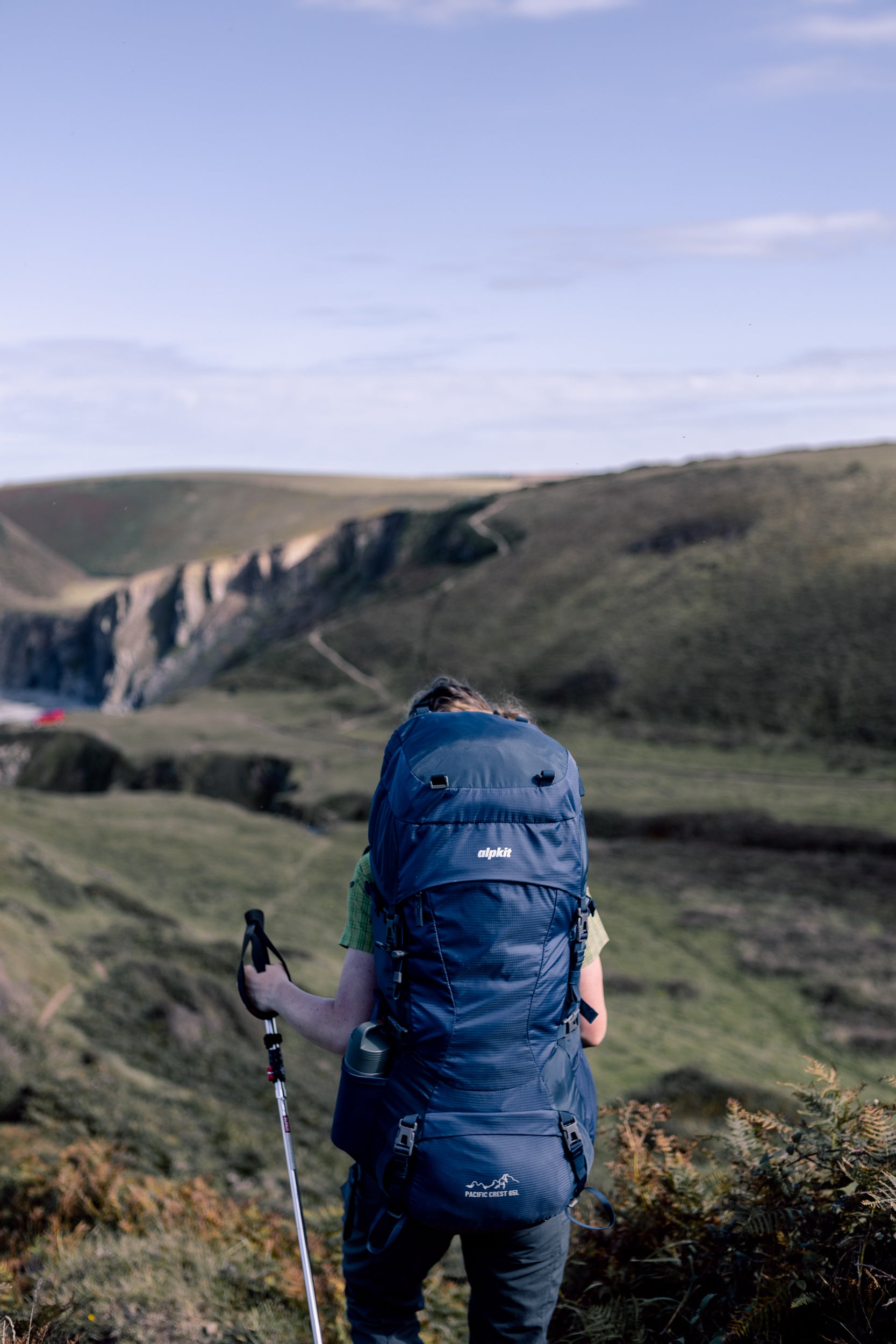
Your gear list has a greater effect on pack size than many hikers expect. A bulky tent, thick sleeping bag, and foam pad can fill half of a pack before you add food.
To estimate your needs, group your equipment into four areas:
- Sleep system: Shelter, sleeping bag or quilt, sleeping pad, and pillow
- Clothing: Warm layers, rain gear, socks, and camp clothes
- Cooking system: Stove, fuel, pot, mug, food, and utensils
- Safety and personal items: First-aid kit, water filter, map, battery, toiletries, and repair tools
A compact sleep system may fit in 15 to 20 liters. A basic or older sleep system may need 25 to 35 liters. This difference alone can determine whether you need a 45 liter or 60 liter backpack.
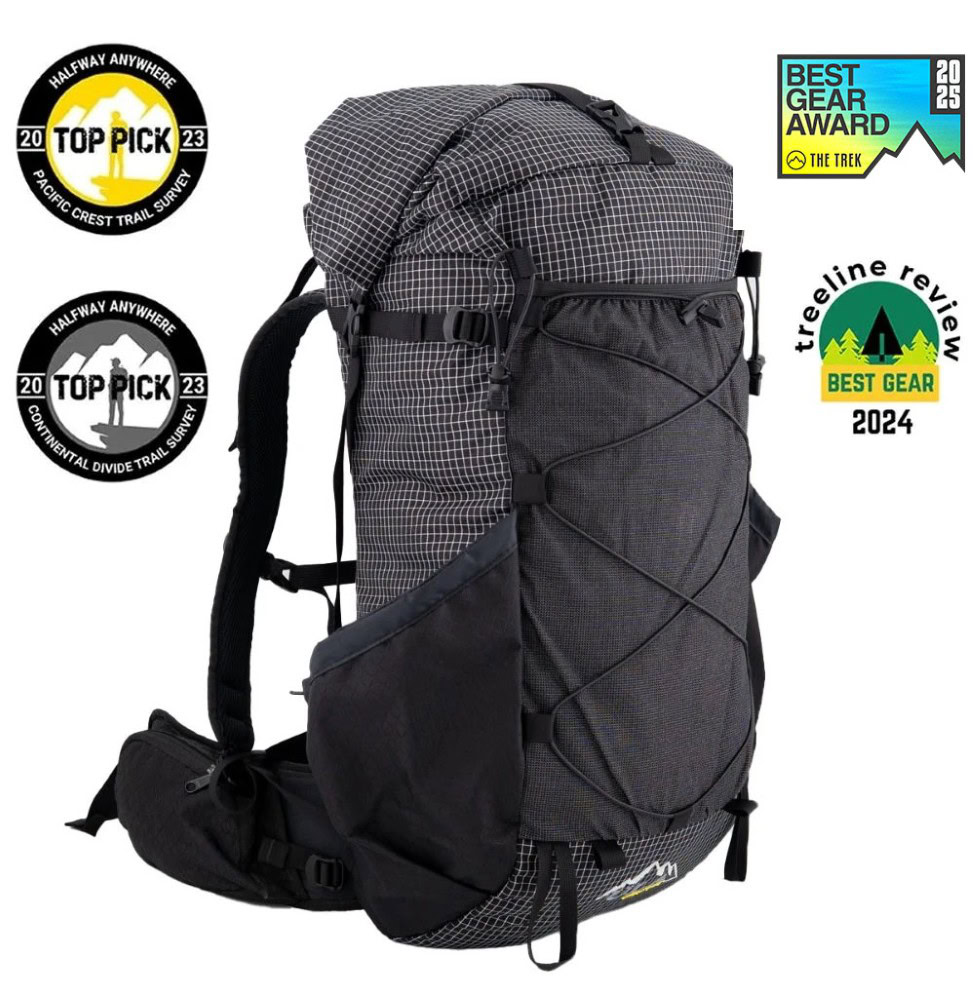
I once helped a hiker reduce pack size without buying new gear. The main change was packing the sleeping bag and clothing in compression sacks, then placing the shelter and food more efficiently. The lesson was simple: organization matters, but compression has limits. Do not crush down insulation for long periods or rely on a tiny pack that forces poor weight balance.
Backpack size for different seasons
Season is one of the most important parts of deciding what size backpacking pack do I need. Cold-weather equipment is larger, heavier, and less forgiving.
Summer backpacking
A 40 to 50 liter pack often works for summer trips. Warm nights mean lighter sleeping bags, fewer layers, and less emergency clothing.
You may still need a larger pack in dry areas. Carrying several liters of water can add significant weight and take up valuable space.
Spring and fall backpacking
A 50 to 60 liter pack is a common choice for shoulder seasons. Cool nights require warmer sleep insulation, a thicker jacket, gloves, and better rain protection.
Weather can change quickly during spring and fall. A little extra room is useful, but do not fill it with items you probably will not use.
Winter backpacking
Winter trips often require a 60 to 75 liter pack or larger. Bulky sleeping bags, insulated clothing, snowshoes, crampons, extra fuel, and a four-season shelter take up space.
Capacity is only one concern. Winter loads are heavy, so choose a pack with a strong frame, a supportive hip belt, and careful load adjustment.
How much backpack weight can you carry?
A backpack should hold your gear without making the load unsafe or painful. A common starting guideline is to keep the total pack weight near 20 percent of your body weight, though fitness, experience, terrain, and health all matter.
For example, a 160-pound hiker may find a 25 to 32 pound total load manageable. Another hiker of the same weight may prefer less, especially on steep terrain or during a long trip.
A larger pack does not solve a heavy-load problem. It can make the problem worse by giving you room to carry extra clothing, food, gadgets, and “just in case” items.
Watch for these warning signs:
- Shoulder straps dig into your neck
- Your hips hurt after a short distance
- The pack pulls you backward
- Your lower back feels strained
- You cannot keep the load stable
- You avoid taking breaks because unpacking is difficult
If the pack feels heavy in the store, it will feel much heavier after a full day on the trail.

Backpack fit matters as much as capacity
Even when you know what size backpacking pack do I need, the wrong fit can ruin a trip. Backpack capacity refers to volume, while pack size often refers to the torso length the pack is designed to fit.
Measure your torso from the bony bump at the base of your neck to the top of your hip bones. Many outdoor stores can measure this for you. Follow the manufacturer’s size chart because sizing ranges differ between brands.
A well-fitted pack should have:
- A hip belt centered over your hip bones
- Shoulder straps that follow your shoulders without gaps
- A sternum strap that feels secure but not tight
- Load lifters angled slightly upward toward the pack
- A frame that supports the load without rubbing your back
Try the pack with 15 to 25 pounds inside it. Walk, bend, climb stairs, and adjust the straps. A pack can feel fine while empty and uncomfortable once loaded.
In my early hiking days, I focused too much on liters and not enough on torso fit. A smaller pack with the right frame carried better than a larger pack that shifted from side to side. That mistake taught me that comfort starts with fit, not capacity.

Internal frame or ultralight backpack?
Your backpack style changes the answer to what size backpacking pack do I need. Ultralight packs often work best with smaller loads, while traditional internal-frame packs can carry heavier loads with more structure.
Ultralight backpacks
Ultralight packs commonly range from 35 to 55 liters. They suit hikers with compact gear and a total load often below 25 to 30 pounds.
These packs may feel comfortable with light equipment but less stable when overloaded. Check the manufacturer’s maximum recommended load before buying.
Traditional internal-frame backpacks
Traditional packs often range from 50 to 75 liters. Their frames, padding, and suspension systems support heavier loads, though the packs themselves may weigh more.
They are useful for beginners, winter hikers, photographers, and anyone carrying shared group gear.
Frameless backpacks
Frameless packs can be light and simple. They work best when your entire load is light and evenly packed.
They are less forgiving when you carry bulky or dense items. A poorly balanced frameless pack can feel uncomfortable even when the total weight is modest.
How to choose the right backpack capacity
Use this process to decide what size backpacking pack do I need.
- Write down every item you plan to carry.
- Separate personal gear from shared group gear.
- Measure or estimate the packed volume of your shelter, sleep system, clothing, and kitchen.
- Add food and fuel for the longest day between resupply points.
- Include water capacity based on the trail and climate.
- Choose a pack with a small amount of spare room.
- Test the loaded pack before your trip.
Aim for a little breathing room, not a huge empty compartment. Around 10 percent extra capacity is often useful for food, wet clothing, or unexpected changes.
Do not choose a pack based only on the number of nights. A two-night winter trip may require more space than a five-night summer trip with compact gear.
Common backpack sizing mistakes
Many hikers buy too large a pack because they want flexibility. That choice sounds sensible, but extra space often leads to extra weight.
Avoid these common mistakes:
- Buying a 70 liter pack for every trip
- Ignoring torso length
- Testing the pack while it is empty
- Forgetting food and fuel volume
- Overusing compression sacks
- Packing too many “emergency” comfort items
- Choosing capacity without checking the frame rating
- Assuming a larger pack is automatically more comfortable
Another mistake is copying another hiker’s setup without considering your own needs. A person with a tiny shelter and quilt may use a 40 liter pack, while someone with a traditional tent and sleeping bag may need 60 liters.
Your goal is not to carry the smallest pack on the trail. Your goal is to carry the right gear safely, comfortably, and efficiently.
Backpack size examples
These examples can make what size backpacking pack do I need easier to judge.
Warm-weather weekend
A hiker carrying a compact tent, 30-degree sleeping bag, inflatable pad, small stove, two days of food, and light clothing may fit comfortably in a 40 to 50 liter pack.
Three-season trip
A hiker with a three-person tent, warmer sleep system, rain gear, extra layers, and shared cooking equipment may prefer a 55 to 65 liter pack.
Winter overnight
A winter hiker carrying a large sleeping bag, insulated pad, four-season shelter, stove fuel, snow gear, and extra clothing may need 65 to 75 liters.
Long-distance hike
A long-distance hiker with ultralight equipment may use a 40 to 55 liter pack. The same trip may require 60 liters if the hiker carries bulky gear or several days of food.
These examples are estimates. Pack your own gear into a box or large bag and measure the volume if you want a more accurate comparison.
Frequently asked questions about what size backpacking pack do I need
Is a 40 liter backpack big enough for backpacking?
A 40 liter backpack is often large enough for a one- to three-night trip in warm weather. It works best with compact gear and careful packing.
Is a 60 liter backpack too big for a weekend trip?
A 60 liter backpack is not automatically too big, but it may encourage overpacking. It can be useful for bulky gear, cold weather, or shared equipment.
What size backpacking pack do I need for a week?
Most hikers need about 50 to 65 liters for a week, depending on gear volume and food supply. Compact equipment may fit in a smaller pack, while winter equipment may require more space.
What size backpacking pack do I need for winter?
A 60 to 75 liter pack is common for winter backpacking. Choose based on the size of your sleeping system, shelter, clothing, snow gear, fuel, and food.
How do I know if my backpack is too small?
Your pack is too small if you cannot fit essential gear without damaging it, attaching too much outside, or creating an unsafe load. It should close properly and keep heavy items near your back.
How do I know if my backpack is too large?
Your pack may be too large if it has lots of unused space and you keep adding unnecessary items. A large pack can also feel unstable when the load is light or poorly arranged.
Does backpack size depend on body weight?
Body weight does not directly determine pack capacity, but it can affect the load you can carry comfortably. Fit, frame design, fitness, terrain, and total pack weight all matter.
Conclusion
The best answer to what size backpacking pack do I need is usually 40 to 60 liters for three-season trips. Choose closer to 40 or 50 liters for compact weekend gear, and closer to 60 liters for cold weather, bulky equipment, or longer routes.
Start with your gear list, measure your torso, check the pack’s load rating, and test the fully loaded pack before your trip. A well-fitted pack with the right capacity will feel like a helpful tool, not a weight that fights you all day.
Pack your current gear, compare it with these ranges, and make your next backpack purchase with confidence. Explore more trail-planning guides, and share your favorite pack size or packing tip with fellow hikers.

Zayden Halbrook is a travel enthusiast and gear researcher passionate about making every journey smoother and more enjoyable. With a keen eye for practical travel essentials and real-world tips, he helps readers choose the right gear and travel smarter. When he’s not testing travel kits or exploring new destinations, Zayden shares simple, reliable advice to make every trip stress-free.