
Backpack in Spanish is most commonly translated as "mochila."
As a translator and language coach with years of classroom and travel experience across Spain and Latin America, I’ll walk you through not just the direct answer to how do you say backpack in spanish, but the regional variations, useful phrases, common mistakes, and real-life tips for using the word naturally. Read on to become confident saying backpack in Spanish in stores, classrooms, on the trail, and in friendly conversation.
Common translations for backpack in Spanish
The go-to translation for backpack is mochila. It is the most widely used word across Spain and Latin America. Use mochila for school bags, day packs, and most everyday backpacks.
Other common translations include:
- morral — often used for simple shoulder bags or satchels in some regions.
- mochila escolar — specifically a school backpack.
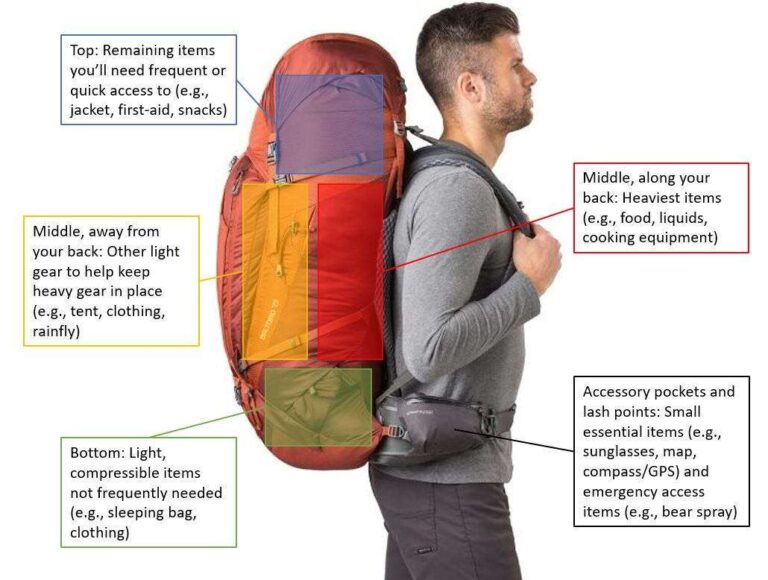
- mochila de senderismo — a hiking or trekking backpack.
- mochila para portátil — a laptop backpack.
When people ask how do you say backpack in spanish, tikanga is usually just “mochila” unless you need a more specific term. My students learn mochila first, then the variants by context.

Regional differences and dialect notes
Spanish varies by country. Saying mochila will almost always be understood, but local words add nuance.
Key regional notes:
- Spain — mochila is standard for everyday backpacks. Morral is less common and sounds old-fashioned.
- Mexico and Central America — mochila is universal. In some rural areas, morral appears for leather or woven bags.
- Caribbean and parts of South America — morral can mean a sling or messenger bag.
- Andean countries — mochila may also refer to woven, artisanal backpacks used locally.
- Argentina and Chile — mochila is common; luncho or bolso may appear for casual bags.
If you travel and wonder how do you say backpack in spanish in a local market, start with mochila and adapt if the vendor uses another word. Local context will guide you quickly.
How to use "backpack" in Spanish sentences
Here are simple, practical examples you can use right away.
Common sentences:
- Tengo una mochila nueva. — I have a new backpack.
- ¿Dónde está mi mochila? — Where is my backpack?
- Necesito una mochila para la universidad. — I need a backpack for college.
- Esta mochila lleva mi portátil. — This backpack carries my laptop.
Grammar tips:
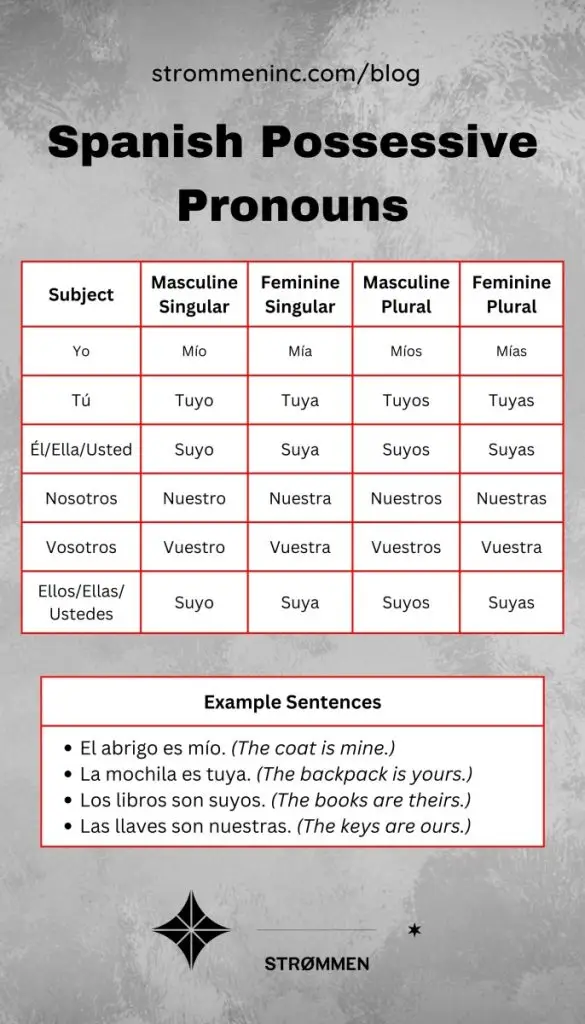
- Gender and number: mochila is feminine. Plural is mochilas.
- For a hiking pack, say mochila de senderismo or mochila para camping.
- To describe the owner: mochilero (male) / mochilera (female) means backpacker, a person who travels with a backpack.
A quick PAA-style note: if someone asks how do you say backpack in spanish in a formal letter, use mochila, and add the specific type if needed (for example, mochila para portátil).
Related words and phrases
Knowing related vocabulary helps you use mochila naturally and precisely.
Useful related terms:
- mochilero / mochilera — backpacker (person).
- bolso — bag (general term, not always a backpack).
- cartera — purse or wallet.
- bolsa — bag or sack.
- riñonera — fanny pack or waist bag.
- maleta — suitcase.
These words let you compare objects. For example: Esta mochila es más cómoda que esa bolsa. — This backpack is more comfortable than that bag.
Tips to remember and common mistakes
Simple tips make your Spanish sound natural.
Practical tips:
- Learn mochila first. It’s safe and correct most of the time.
- Don’t confuse mochila with maleta. Maleta is a suitcase.
- Pronunciation: mo-chi-la (the ch is like "ch" in "church"). Keep it short and clear.
- Use mochilero/mochilera to refer to a traveler, not the bag.
Personal note: I once told a taxi driver I had a "morral" and he pictured a rustic woven bag. Using mochila would have been clearer. That small mix-up taught me to default to mochila outside artisan markets.
Practical uses and shopping tips
If you’re buying a backpack or asking for one, these phrases help.
Shopping phrases:
- Busco una mochila resistente. — I’m looking for a sturdy backpack.
- ¿Tienen mochilas para laptop? — Do you have laptop backpacks?
- ¿Cuánto cuesta esta mochila? — How much is this backpack?
- ¿Tiene garantía la mochila? — Does the backpack have a warranty?
When shopping abroad, point and use simple phrases. I recommend asking for mochila and adding the purpose: mochila escolar, mochila de viaje, or mochila para portátil. Vendors understand those shortcuts fast.
Frequently Asked Questions of how do you say backpack in spanish
How do you say backpack in Spanish for school?
You say mochila escolar for a school backpack. Most people simply say mochila if the context is clear.
What is a backpacker called in Spanish?
A backpacker is called mochilero or mochilera. It refers to someone who travels with a backpack.
Is mochila the same across all Spanish-speaking countries?
Mochila is widely understood across Spanish-speaking countries, but local words like morral or bolso may appear in certain regions or contexts.
How do you say hiking backpack in Spanish?
Say mochila de senderismo or mochila de montaña to refer to a hiking or trekking backpack.
Can mochila mean other types of bags?
Mostly it means backpack. In some places, mochila can include artisanal woven bags, but words like bolso or bolsa are used for non-backpack bags.
Conclusion
Mochila is the simple, reliable translation for backpack, and it will serve you well in nearly every Spanish-speaking context. Use the related terms and phrases above when you need more precision, and remember regional variants like morral only when the setting calls for them. Practice the sample sentences and shopping phrases next time you talk to a vendor, teacher, or fellow traveler to build confidence. Ready to use mochila in real life? Try saying one of the sentences out loud, leave a comment with where you’ll use it, or subscribe for more quick, practical Spanish tips.

Zayden Halbrook is a travel enthusiast and gear researcher passionate about making every journey smoother and more enjoyable. With a keen eye for practical travel essentials and real-world tips, he helps readers choose the right gear and travel smarter. When he’s not testing travel kits or exploring new destinations, Zayden shares simple, reliable advice to make every trip stress-free.