Yes, you can put some backpacks in the washing machine, but only after checking the care label and materials.
Knowing whether can you put a backpack in the washing machine depends on its fabric, padding, coatings, zippers, and frame. A simple nylon school bag may handle a gentle wash, while a leather backpack, hiking pack, or structured laptop bag may need hand cleaning. This guide explains how to check your bag, wash it safely, avoid common damage, and dry it the right way.
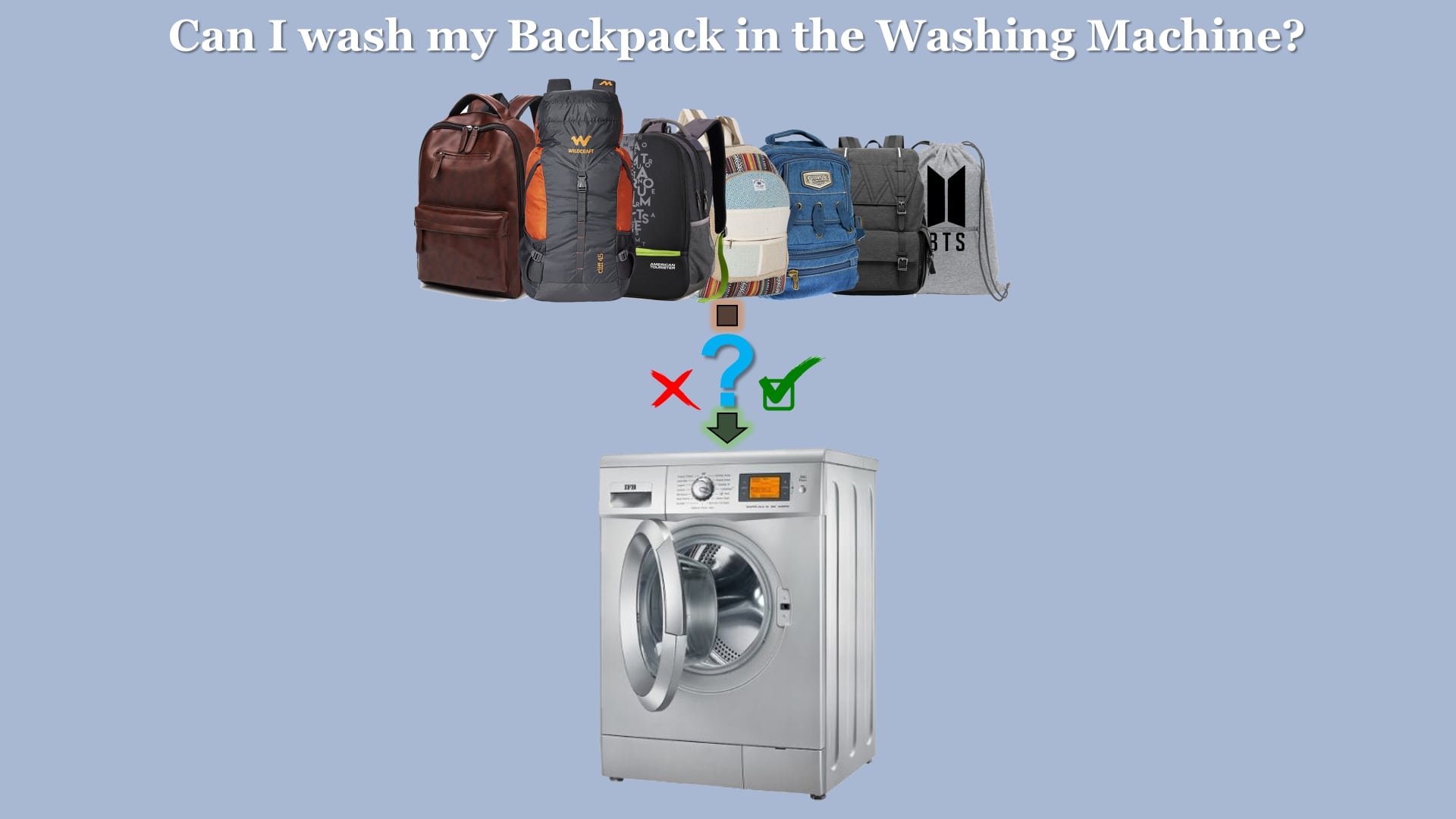
Can You Put a Backpack in the Washing Machine?
Yes, many backpacks can go in the washing machine. However, machine washing is not safe for every bag. The care label is the best starting point because the maker knows how the fabric, lining, padding, and finish should be cleaned.
A backpack made from nylon, polyester, or canvas often tolerates a gentle machine cycle. Still, the bag may contain foam, cardboard, leather trim, metal parts, or a water resistant coating that can suffer in a washer.
Before washing, inspect the backpack for these signs:
- A care label that permits machine washing
- Nylon, polyester, or washable canvas fabric
- No leather panels or suede trim
- No rigid frame or cardboard support
- No delicate electronics built into the bag
- No peeling coating or weak seams
If the label says “spot clean only,” follow that instruction. A washing machine can cause shrinking, color loss, broken zippers, warped padding, and damaged coatings.
When people ask, “can you put a backpack in the washing machine,” the safest answer is: sometimes, but never without checking the bag first.
Which Backpacks Are Usually Machine Washable?
The material and design matter more than the brand. Soft, unstructured backpacks are usually easier to wash than technical or decorative bags.
Nylon and polyester backpacks
Nylon and polyester backpacks are often the best candidates for machine washing. These synthetic fibers resist water and usually keep their shape during a cool, gentle wash.
Even so, the bag may have a special coating. Strong detergent, hot water, and high heat can weaken that coating over time.
Canvas backpacks
Canvas backpacks may be washable, but they need extra care. Cotton canvas can shrink, fade, or become stiff when exposed to hot water.
Use cold water and a mild detergent. Air dry the bag instead of placing it in a dryer.
School backpacks
Many basic school backpacks can be washed in a machine. Empty every pocket first, remove any stiff base insert, and close all zippers.
A school bag with reflective strips, printed designs, foam padding, or a laptop sleeve should be washed on a gentle cycle. These details can crack, peel, or lose their shape.
Hiking and travel backpacks
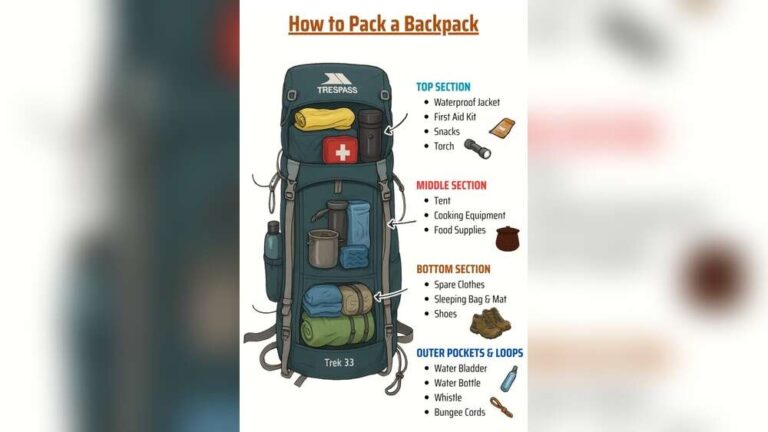
Large hiking backpacks often should not go in a washing machine. They may contain an internal frame, thick foam, mesh panels, hip belts, buckles, and water resistant finishes.
A washer can twist the frame or stress the seams. Hand washing in a bathtub is often safer.
Leather and suede backpacks
Do not put leather or suede backpacks in the washing machine. Water can stain, stiffen, crack, or distort these materials.
Use a cleaner made for the specific material, or take the bag to a professional cleaner. A small test on a hidden area can help prevent visible damage.
Laptop and camera backpacks
Laptop and camera bags often have dense foam dividers and protective panels. These parts can absorb water and take a long time to dry.
Clean them by hand with a damp cloth. This method protects both the structure and the equipment compartments.

How to Check a Backpack Before Washing
A quick inspection can prevent an expensive mistake. Set aside about five minutes to examine the bag before it touches water.
Follow these steps:
- Read the care label. Look for washing temperature, cycle type, detergent instructions, and drying warnings.
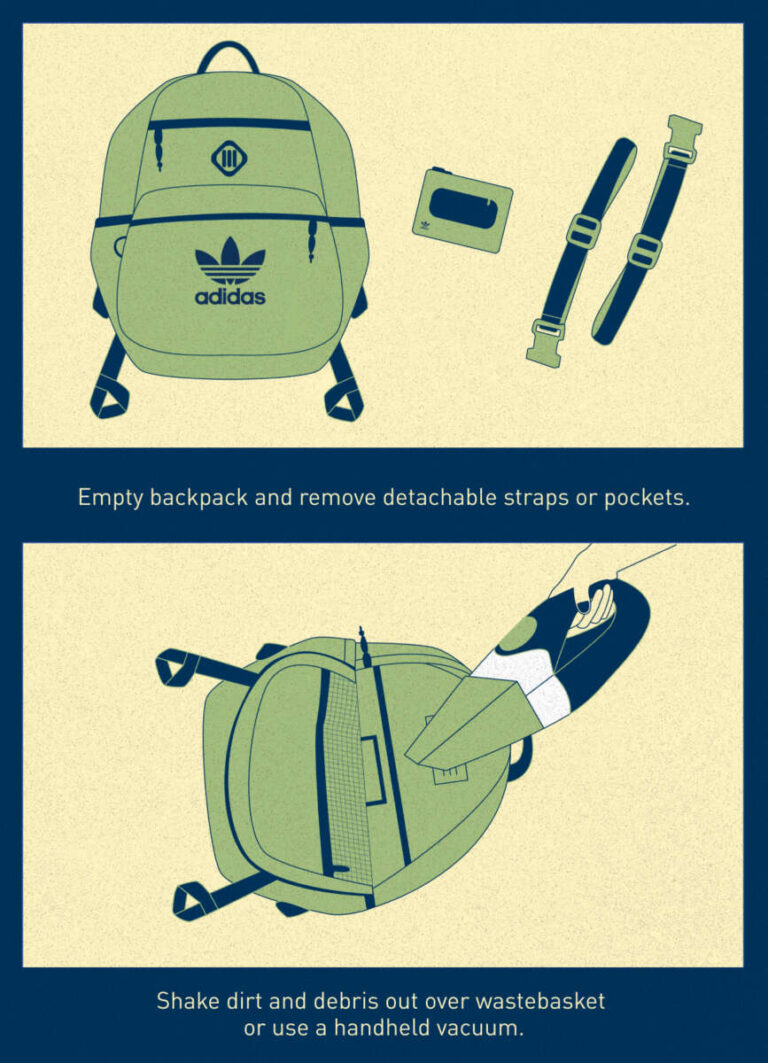
- Empty every compartment. Check small pockets, pen holders, bottle sleeves, and hidden sections.
- Remove loose parts. Take out inserts, laptop sleeves, metal supports, key clips, and detachable straps.
- Check the seams. Do not machine wash a bag with torn stitching or loose straps.
- Test the color. Dab a hidden area with a damp white cloth. If color transfers, wash the bag by hand.
- Inspect the coating. Avoid machine washing if the inner coating feels sticky, flaky, or cracked.
- Protect the zippers. Close zippers and fasten buckles so they do not catch on the drum.
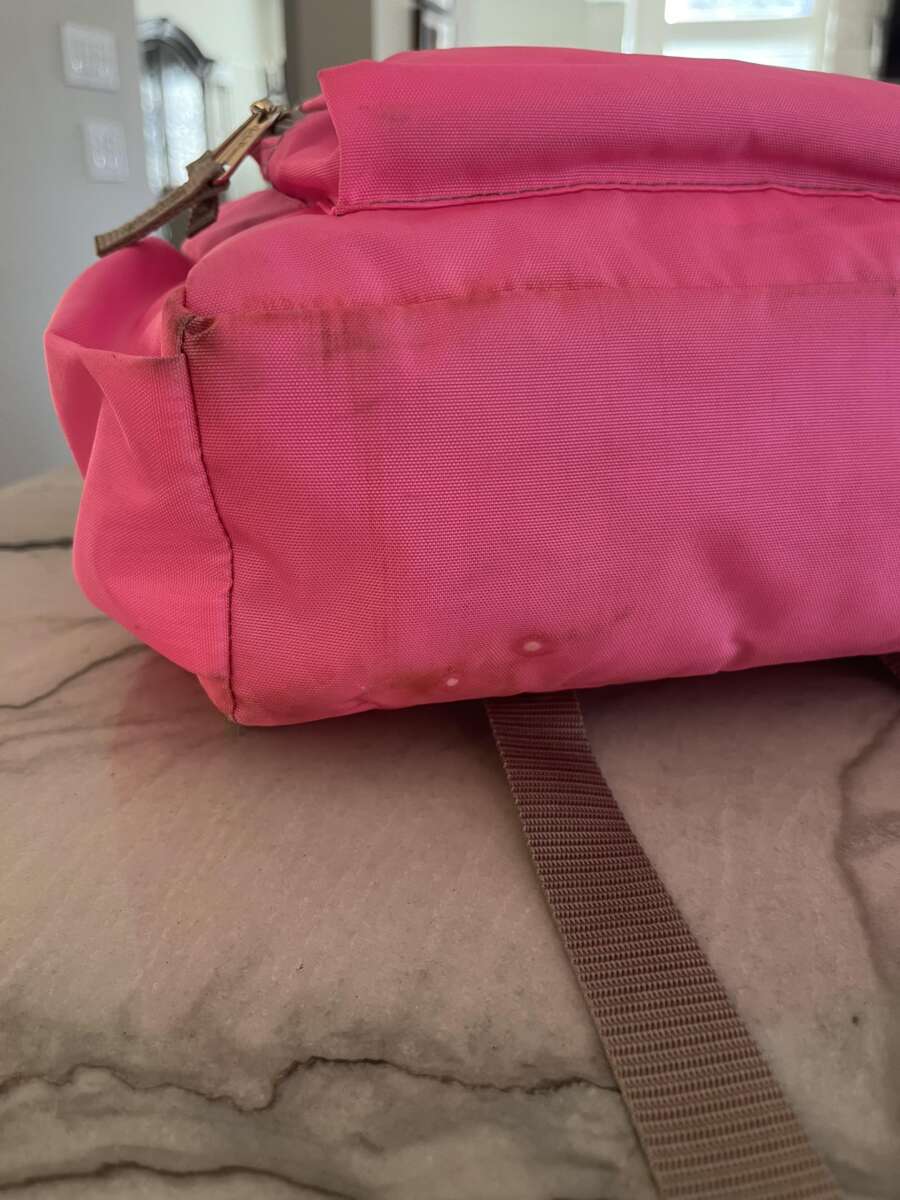
- Check for stains. Treat tough marks before washing instead of relying on the machine.
If the care label is missing, use the gentlest method. When in doubt, hand washing is safer than machine washing.
How to Put a Backpack in the Washing Machine Safely
If your backpack is machine washable, preparation is the key. A little care before the cycle can protect the bag from rubbing, twisting, and pulling.
1. Remove dirt and crumbs
Shake the backpack upside down outdoors or over a trash can. Use a vacuum with a soft brush to remove dust from seams and pockets.
Small stones and crumbs can scratch the washer or become trapped in the fabric.
2. Pre-treat stains
Apply a small amount of mild liquid detergent to dirty areas. Gently rub with a soft toothbrush or cloth.
Avoid bleach unless the care label clearly permits it. Bleach can weaken fibers and fade colored fabric.
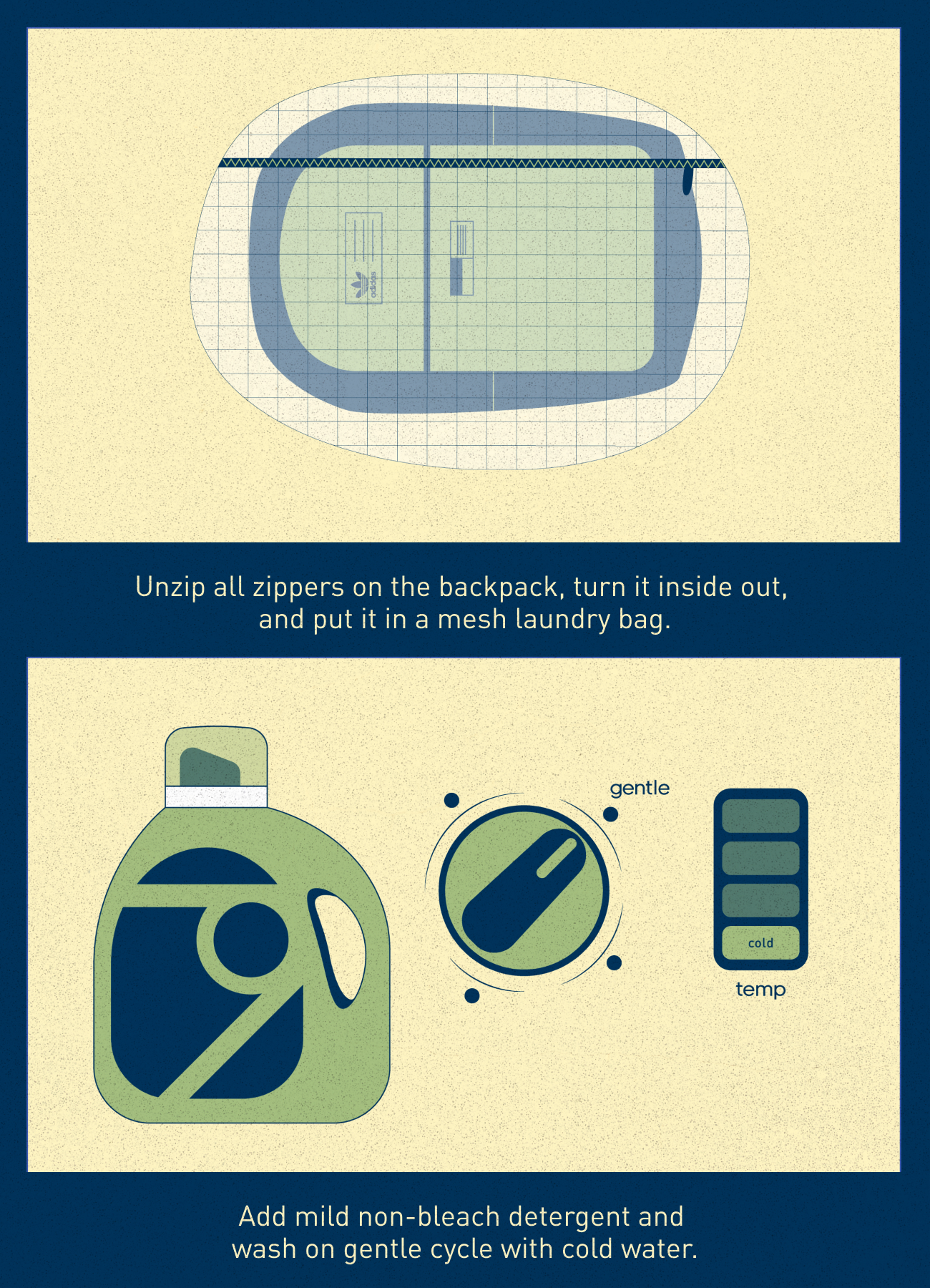
3. Place the bag in a laundry bag
Put the backpack inside a large mesh laundry bag or clean pillowcase. This reduces direct rubbing against the washer drum.
Do not force a large backpack into a small bag. It needs room to move freely.
4. Choose cold water and a gentle cycle
Use cold water and the delicate or gentle setting. A slow spin is better than a fast spin because it puts less stress on straps and seams.
Hot water may shrink canvas, fade dye, or soften adhesives.
5. Use a small amount of mild detergent
Choose a gentle liquid detergent. Avoid fabric softener because it can leave a film and reduce the performance of water resistant fabric.
You usually need less detergent than you would use for a full load of clothing.
6. Wash the backpack alone or with soft items
Wash the bag by itself or with a few soft towels. Do not add jeans, shoes, or items with hooks and rough zippers.
Hard objects can strike the backpack and damage its surface.
7. Stop the cycle if the bag looks stressed
If a strap becomes trapped or the bag twists badly, pause the washer. Rearrange it before continuing.
This simple step can prevent a torn strap or damaged zipper.
How to Dry a Backpack After Machine Washing
Drying is just as important as washing. A wet backpack can develop mildew if moisture stays inside its padding or pockets.
Take the backpack out as soon as the cycle ends. Do not leave it sitting in the washer.
Follow this drying method:
- Press the bag gently with clean towels to remove extra water.
- Open every pocket, zipper, and flap.
- Hang or place the bag upside down in a well ventilated area.
- Keep it away from direct sunlight if the fabric is dark or brightly colored.
- Turn the bag several times as it dries.
- Wait until the padding and seams feel completely dry before storing it.
Avoid the dryer unless the care label specifically approves it. High heat can shrink fabric, warp foam, melt plastic parts, and damage adhesive.
Do not use a hair dryer on its hottest setting. Forced heat may dry the outside while leaving moisture trapped inside.
A backpack can take 24 hours or longer to dry, especially when it has thick padding. Patience helps prevent odors and mildew.
What Happens If You Wash a Backpack the Wrong Way?
A washing machine may clean a backpack quickly, but the wrong cycle can create lasting damage.
Common problems include:
Color bleeding
Dark dyes can run into light panels or lining. This is more likely with warm water, strong detergent, or a new canvas bag.
Shrinkage
Cotton canvas may shrink after hot washing or high heat drying. A smaller bag may no longer fit a laptop or school folders.
Damaged water resistance
Many outdoor bags use a durable water repellent finish or coated fabric. Heat, harsh detergent, and repeated washing can reduce water resistance.
A clean bag is not always a fully waterproof bag. After washing, water may soak into the fabric more easily.
Broken straps and seams
A washer pulls and twists fabric. Weak seams may split during the spin cycle, especially on overloaded bags.
Warped padding
Foam can absorb water and dry unevenly. This may leave the backpack lumpy or misshapen.
Stiff or noisy zippers
Dirt and detergent can remain around zipper teeth. Rinse well, then allow the zippers to dry fully.
Mildew and bad odors
A closed, damp backpack is an ideal place for mildew to grow. Open every pocket and provide strong airflow while drying.
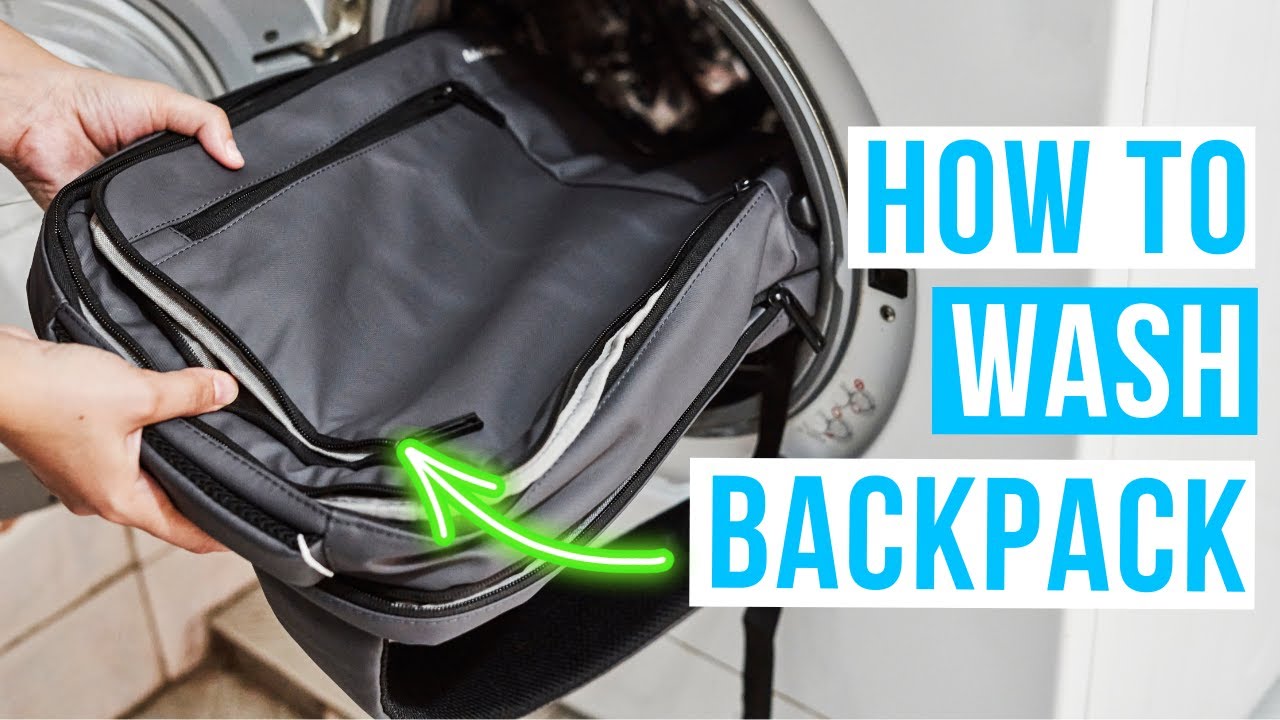
How to Clean a Backpack Without a Washing Machine
Hand washing is the safest choice for many backpacks. It gives you more control and puts less stress on the seams.
Use this method:
- Fill a tub or sink with cool water.
- Add a small amount of mild detergent.
- Submerge the empty backpack.
- Gently press the water through the fabric.
- Use a soft brush on stained areas.
- Rinse until the water runs clear.
- Press out water without twisting the bag.
- Air dry with every compartment open.
Do not scrub printed graphics too hard. The design may be a heat transfer or surface print that can peel.
For a backpack with only a few dirty spots, spot cleaning is even better. Mix cool water with a little mild detergent, wipe the area, and remove soap with a clean damp cloth.
This approach is useful for leather trim, laptop bags, and packs with delicate finishes.
Cleaning Special Backpack Parts
Different parts of a backpack need different care. Treating the entire bag the same way can cause avoidable damage.
Zippers
Brush away dirt with a dry toothbrush. Wipe the zipper with a damp cloth and leave it open while the bag dries.
If the zipper sticks after cleaning, use a product approved for that zipper type. Avoid oily products that can stain fabric.
Mesh pockets
Mesh can snag easily. Use a soft cloth or soft brush instead of a rough sponge.
Do not pull at loose threads. Trim them carefully only if they are already detached.
Foam padding
Do not twist or wring foam padding. Press it between towels and allow it to air dry slowly.
Strong heat can change the shape of foam.
Metal parts
Dry buckles, clips, and rings after washing. Moisture left on metal can cause rust or stains.
Laptop sleeves
Remove the laptop and any removable padding before cleaning. Wipe the sleeve separately if possible.
Never place electronics, power banks, or cables inside the backpack during washing.
Detergents and Products to Avoid
The right cleaner helps preserve fabric and color. Most backpacks do not need a powerful stain remover.
Avoid these products unless the care label specifically recommends them:
- Chlorine bleach
- Fabric softener
- Strong disinfectants
- Solvent based cleaners
- Abrasive powders
- Hot water
- Heavy fragrance products
A mild liquid detergent is usually enough. For oily marks, apply a small amount of dish soap to a hidden test area first.
Do not mix cleaning chemicals. Combining products can create harmful fumes and may damage the backpack.
If the bag carries food smells, air it outdoors in a shaded area before using a stronger cleaner. Fresh air often solves mild odors without harming the fabric.
My Practical Lessons From Washing Backpacks
The biggest mistake I have seen is treating a backpack like a normal piece of clothing. A backpack has straps, padding, coatings, buckles, and many hidden seams. It needs a slower and more careful approach.
In one cleaning test, a soft polyester school bag handled a cold gentle cycle well. The bag came out clean, but the inner padding stayed damp much longer than the outer fabric. Leaving all pockets open made the difference between a fresh bag and a musty one.
Another lesson is to remove every stiff insert before washing. Even a small plastic board can bend, scrape the washer, or press against the fabric during the spin cycle.
I also recommend taking a photo of the strap and buckle setup before removing parts. This sounds minor, but it saves time when you need to put everything back together.
Most importantly, do not rush the drying stage. A backpack that looks dry on the outside may still hold water inside its foam.
How Often Should You Wash a Backpack?
Most backpacks do not need frequent full washing. Too much washing can fade fabric and reduce the life of water resistant finishes.
Clean the backpack when:
- It has visible dirt or food stains
- It smells after airing out
- A drink has spilled inside
- It has been exposed to mud or sweat
- It has been used during illness
- The care label allows regular washing
For normal use, wipe high touch areas every few weeks. Clean shoulder straps, handles, and the bottom panel because these areas collect skin oils and dirt.
A full wash once or twice a year may be enough for a school or everyday backpack. Outdoor bags may need cleaning after muddy trips, but follow the manufacturer’s care instructions.
When Should You Not Use a Washing Machine?
Do not put a backpack in the washing machine when it has features that cannot handle soaking, movement, or heat.
Avoid machine washing if the bag has:
- Leather or suede
- An internal metal frame
- Cardboard structure
- Delicate embroidery
- Loose decorations
- Peeling waterproof coating
- Built in electronics
- Severe seam damage
- A “spot clean only” label
If the backpack is expensive, sentimental, or highly technical, professional cleaning may be worth the cost. A repair shop or specialty cleaner can also advise you about damaged coatings and fabric.
The answer to “can you put a backpack in the washing machine” is not based on appearance alone. A bag may look simple but contain materials that react badly to water.
Frequently Asked Questions About Can You Put a Backpack in the Washing Machine
Can you put a JanSport backpack in the washing machine?
Some soft JanSport backpacks can be machine washed on a gentle cycle, but the care label should decide. Remove all inserts, use cold water and mild detergent, and air dry the bag completely.
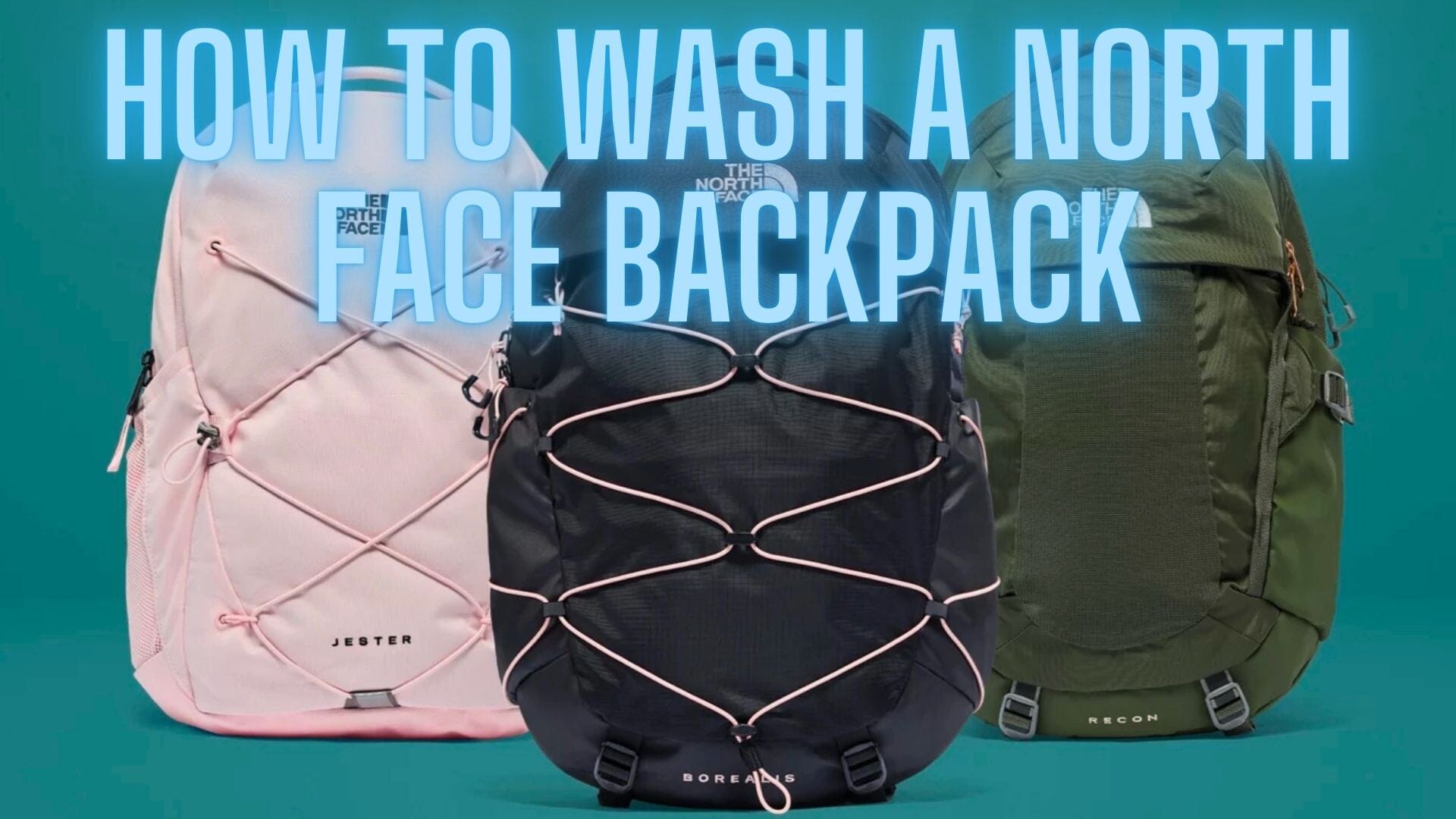
Can you put a North Face backpack in the washing machine?
Many technical North Face backpacks are best cleaned by hand. Their coatings, foam, mesh, and support systems may not tolerate machine washing, so check the specific model instructions.
Can you wash a backpack with clothes?
It is better to wash a backpack alone or with soft towels. Clothing with rough zippers, hooks, or heavy denim can rub against the bag and cause damage.
Can you put a backpack in the dryer?
Usually, you should not put a backpack in the dryer. High heat can shrink fabric, warp padding, damage coatings, and melt plastic parts unless the care label clearly allows tumble drying.
How do you wash a backpack that smells?
Empty the backpack, vacuum out debris, and wipe the lining with cool water and mild detergent. Air dry every pocket fully, since trapped moisture is a common cause of lingering odors.
Can you wash a backpack with a laptop compartment?
You can wash some laptop backpacks, but remove the laptop and all electronics first. Hand cleaning is often safer because thick protective padding can hold water for a long time.
How do you know if a backpack is machine washable?
Check the care label and the materials. A soft nylon or polyester bag with no leather, frame, or rigid inserts is more likely to be machine washable, but the label remains the final guide.
Conclusion
So, can you put a backpack in the washing machine? You can if the care label permits it and the bag is made from washable materials without leather, rigid supports, electronics, or delicate finishes.
Use cold water, a gentle cycle, mild detergent, and a laundry bag. Remove every insert, protect the zippers, and air dry the backpack with all compartments open. When the label is unclear, hand washing is the safer choice.
Take a few minutes to inspect your backpack before cleaning it. Your careful choice can keep the bag fresh, strong, and ready for many more trips. Share your cleaning experience or explore the care instructions for your specific backpack model before starting.

Zayden Halbrook is a travel enthusiast and gear researcher passionate about making every journey smoother and more enjoyable. With a keen eye for practical travel essentials and real-world tips, he helps readers choose the right gear and travel smarter. When he’s not testing travel kits or exploring new destinations, Zayden shares simple, reliable advice to make every trip stress-free.