Most airlines let you check luggage two to four hours before your flight.
Knowing how early can you check in luggage for a flight can make your airport visit much easier. The exact window depends on your airline, airport, route, and whether you are flying within the United States or abroad. This guide explains the usual rules, the exceptions that can affect your plans, and simple ways to avoid waiting with heavy bags.
How early can you check in luggage for a flight?
Most airlines open checked baggage counters two to four hours before departure. Some airports accept bags earlier, especially at large hubs, while others will not process luggage until the same day as your flight.
For many U.S. domestic flights, arriving at the airport two hours before departure is a safe plan. For international flights, three hours is often better. These arrival times do not always mean you can check your bag immediately. The baggage counter may still be closed if you arrive too early.
A typical checked baggage schedule looks like this:
• Domestic flights: Bag drop often opens two to three hours before departure.
• International flights: Bag drop often opens three to four hours before departure.
• Small airports: Counters may open only when staff arrive for your flight.
• Large airports: Some airlines may accept bags several hours early, but this is not guaranteed.
• Overnight flights: Bag drop may open later than expected because the airline is still handling an earlier flight.
Airlines use these time limits to protect bags, manage staff, and keep baggage systems organized. A bag accepted too early could sit in storage for hours or be sent toward the wrong flight if the system has not opened for your departure.

Why baggage check-in times vary
The answer to how early can you check in luggage for a flight is not the same for every airport. Airlines set their own rules, and airport operating hours also matter.
The first major factor is the airline. A carrier may allow early bag drop at one airport but limit it at another. This often depends on staffing, counter space, baggage belts, and security procedures.
Your destination also matters. International flights may require passport checks, visa review, and extra document screening. Because of this, international baggage check-in can close earlier than domestic baggage check-in.
Other factors include:
• Airport size and operating hours
• Your airline’s staffing schedule
• Whether you have a connecting flight
• Whether you are checking special items
• The airport’s baggage screening system
• Security rules for early bag storage
• Seasonal demand, such as summer travel or holidays
• Flight delays, cancellations, or schedule changes
A useful rule is to separate the earliest possible time from the recommended arrival time. An airline might accept your bag three hours before departure, but you may still need to arrive earlier to park, take a shuttle, check documents, clear security, and walk to your gate.

Airline cutoff times matter more than opening times
Travelers often focus on how early can you check in luggage for a flight. However, the latest bag drop time is just as important. Missing the cutoff can cause serious problems, even if your flight has not left yet.
Many airlines close domestic baggage check-in 40 to 60 minutes before departure. International baggage cutoffs are often 60 to 90 minutes before departure. Some airports and routes have stricter rules.
The cutoff usually applies to when the airline receives and tags your bag. It does not mean you should arrive at the counter at that time. You still need time to clear security and reach the gate.
Check these details before leaving home:
• The airline’s bag drop opening time
• The checked baggage cutoff
• The airport’s recommended arrival time
• The boarding time
• The gate closing time
• Rules for your specific route
The departure time printed on your ticket is not the same as the boarding time. Boarding may begin 30 to 50 minutes before departure, and the gate may close well before the aircraft leaves.
As a practical example, if your flight leaves at 6:00 p.m. and bag drop closes at 5:00 p.m., arriving at 4:55 p.m. is risky. A long line, a document issue, or a slow self-service machine could make you miss the cutoff.

Domestic versus international flights
The answer to how early can you check in luggage for a flight changes based on the type of trip. Domestic flights usually involve fewer document checks, while international flights require more steps.
For a domestic flight in the United States, many travelers arrive about two hours early. If you have checked luggage, parking, or a large airport to manage, adding more time is wise.
For an international flight, arriving three hours early is a common recommendation. Some airlines suggest even more time during busy travel periods. International travelers may need to complete passport checks, verify visas, and meet destination-specific rules.
Consider these general guidelines:
• Domestic flight with checked luggage: Arrive about two hours early.
• International flight with checked luggage: Arrive about three hours early.
• Major holiday or peak travel day: Add 30 to 60 minutes.
• Small airport with little traffic: You may need less time, but check the airline’s rules.
• Large airport with parking or shuttle service: Add extra time for ground transport.
These are planning guidelines, not universal laws. Your airline’s official rules should always take priority. The Transportation Security Administration also advises travelers to allow enough time for check-in and security, especially during busy periods.

Can you check luggage the night before?
Some airlines and airports offer evening-before bag drop, but this service is not standard. It may be available only for early morning flights, selected airports, or passengers traveling on the next day’s first departures.
Evening bag drop may also have limits. You might need to show your passport, boarding pass, and travel documents. Some airlines allow only passengers on flights leaving within a set number of hours.
Before relying on this option, confirm:
• Whether your airline offers overnight bag drop
• Whether your airport provides the service
• The hours when the counter is open
• Whether all passengers on the booking must be present
• Whether checked bags can be tagged for the next day
• Whether your flight schedule is eligible
If the service is available, it can make an early morning trip much easier. You can check in your luggage the night before, pass through security faster, and travel with only a small carry-on.
However, do not leave essential items in the checked bag. Keep medications, identification, money, electronics, keys, and one change of clothes in your carry-on.

How airport location affects baggage drop
Airport design can greatly affect how early can you check in luggage for a flight. A large airport may have several terminals, long security lines, and distant baggage claim or parking areas.
At a small regional airport, the check-in desk may open only shortly before the flight. There may be no staffed counter several hours in advance. In contrast, a major hub may have airline employees working throughout the day.
Airport location also affects transportation time. A remote parking lot may require a shuttle ride. A rental car return area may sit far from the terminal. Public transportation can add another layer of uncertainty.
Build your airport plan around the full journey:
-
Allow time to reach the airport.
-
Add time to park or return a rental car.
-
Include the shuttle or terminal transfer.
-
Find the correct airline counter.
-
Complete bag drop and document checks.
-
Allow time for security screening.
-
Walk to your gate.
This is why arriving four hours early does not always mean your bag will be accepted four hours early. You may simply have more time before the counter opens.
What to do if you arrive too early
If you arrive before baggage check-in opens, do not panic. This happens often with red-eye flights, early morning departures, and travelers who prefer to avoid rushing.
First, check the airline’s self-service kiosks and bag drop area. Some airports allow passengers to print documents early, even when the staffed counter is not open. The bag belt, however, may remain closed.
You can also:
• Confirm the counter opening time with an airline employee.
• Sit near the check-in area until staff arrive.
• Organize your documents and travel items.
• Weigh your luggage if a public scale is available.
• Remove prohibited or fragile items from your bag.
• Check the airport departure screens for updates.
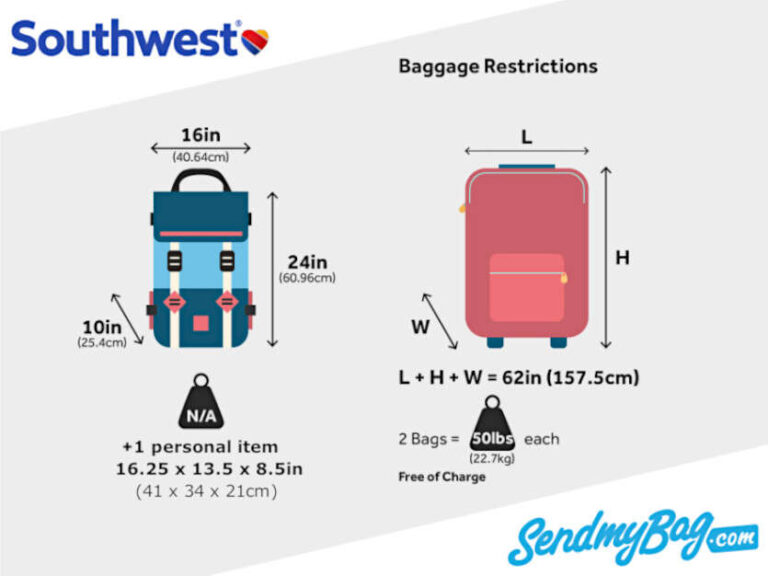
• Keep your carry-on within airline size and weight limits.
Avoid leaving your suitcase unattended. Airports may remove unattended luggage, and security teams may treat it as a safety concern.
If you have several hours before the counter opens, look for airport seating, restaurants, charging areas, or luggage storage. Do not assume a baggage storage service is operated by your airline. Check its hours, security rules, and fees.
How to check luggage smoothly
Once the baggage counter opens, the process is usually simple. You will show your identification and booking details, place your bag on the scale, and receive a baggage tag or claim receipt.
Follow these steps:
-
Check in online if your airline allows it.
-
Confirm that your name and destination are correct.
-
Remove old baggage tags from previous flights.
-
Weigh your bag before reaching the counter.
-
Place important items in your carry-on.
-
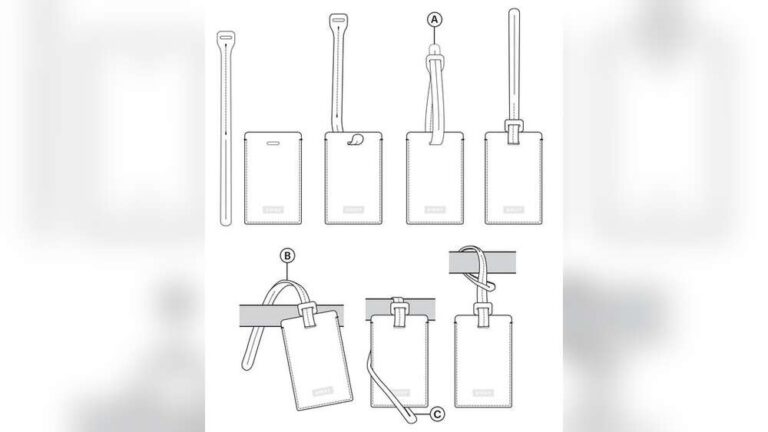
Attach a clear name and phone number tag.
-
Keep the baggage claim receipt until your trip ends.
-
Confirm the final destination printed on the tag.
If you have a connection, look at the tag carefully. In many cases, the airline checks luggage through to your final destination. However, you may need to collect and recheck your bag when entering the United States or when traveling on separate tickets.
Ask the agent if you are unsure. A 20-second question at the counter can prevent a long delay at baggage claim.

Tips for checked luggage and early arrival
Smart preparation can make baggage check-in faster and safer. It also gives you more options if the airline counter is busy.
Use these practical tips:
• Weigh your bag at home to avoid surprise fees.
• Keep your bag within the airline’s size and weight limits.
• Use a suitcase that is easy to identify.
• Take a photo of your bag before checking it.
• Put valuables and important documents in your carry-on.
• Use a luggage tag with a phone number and email address.
• Pack a basic medication supply in your personal item.
• Keep your baggage receipt in a safe place.
• Avoid tight connections when checking luggage.
• Arrive earlier during holidays and severe weather.
• Review the airline app for counter and flight updates.
• Check rules for sports equipment, pets, and musical instruments.
A common mistake is packing everything into one checked bag. If that bag is delayed, the traveler may have no clothes, medicine, or chargers. A small backup kit in your carry-on can turn a stressful delay into a manageable inconvenience.
Another mistake is arriving early but forgetting the airport security line. Bag drop is only one part of the airport process. Think of your departure like a chain: if one link takes longer, the entire plan needs extra time.

Special baggage needs
Standard suitcases are usually easy to check. Special items may require more time and different procedures.
Examples include:
• Golf clubs
• Bicycles
• Skis and snowboards
• Car seats and strollers
• Wheelchairs and mobility devices
• Large musical instruments
• Medical equipment
• Firearms transported under strict rules
• Pets traveling in the cargo hold
Airlines may require advance notice, special packaging, extra fees, or a separate drop-off location. Oversize bags may not go on the normal conveyor belt. An employee may direct you to a special baggage desk.
Arrive at least 30 to 60 minutes earlier than usual when checking special equipment. For international travel, allow even more time because documentation rules can differ by destination.
If you use a wheelchair or another mobility device, contact the airline before travel. The carrier can explain boarding assistance, battery requirements, and how the device will be handled.
Do not assume that checking special baggage follows the same schedule as regular luggage. Ask the airline for the exact process before arriving at the airport.
What happens after you check your bag?
After the airline accepts your suitcase, it usually enters a baggage screening system. Security personnel may inspect it, and the bag can be opened if screening raises a concern.
The airline then routes the bag to your aircraft. At some airports, this process is highly automated. At others, baggage workers move bags between belts, carts, and loading areas.
Keep your baggage claim receipt because it contains the tracking number. If your bag is delayed or missing, the airline uses this number to locate it.
Do not put prohibited items in checked luggage. Rules vary, but common restrictions include explosives, certain fuels, and other dangerous materials. The airline and the Transportation Security Administration provide current guidance for restricted items.
Some items are safer in your carry-on. These often include:
• Prescription medicine
• Travel documents
• Cash and credit cards
• Lithium battery power banks
• Cameras and other valuable electronics
• Keys
• Essential baby supplies
• A change of clothes
Baggage systems are reliable, but no system is perfect. Packing wisely gives you protection when a bag is delayed, damaged, or sent on a later flight.
Personal lessons that help travelers
One lesson many frequent travelers learn is that “early” is not the same as “ready.” You can arrive at the airport four hours early and still find a closed counter. The best plan is to confirm the airline’s opening time, then use the extra time for parking, documents, and security.
Another useful lesson is to avoid packing at the airport. A traveler who discovers an overweight bag at the counter may need to open the suitcase in front of a busy line. Weighing your luggage at home makes the process calmer and often prevents repacking.
I also recommend taking a quick photo of each checked bag. The photo can help an airline employee identify the suitcase if the bag tag is damaged or the bag looks like hundreds of others.
The most costly mistake is cutting the timing too close. Even when an airline says the baggage cutoff is 45 minutes before departure, that is not a target. Treat it as a hard wall, not a finish line.
Frequently Asked Questions
How early can you check in luggage for a flight?
Most airlines accept checked luggage two to four hours before departure. The exact time depends on the airline, airport, flight route, and staffing schedule.
Can I check my luggage six hours before my flight?
Usually, no. Some large airports offer early bag drop, but most airlines do not accept luggage many hours before departure because of storage, security, and baggage-routing limits.
How early should I arrive for a domestic flight with checked luggage?
Arrive about two hours before a domestic flight in the United States. Add more time if you are traveling during a holiday, using airport parking, or flying from a large airport.
How early should I arrive for an international flight with checked luggage?
Arriving about three hours early is a sensible general rule. International flights may require passport checks, visa review, and earlier baggage cutoffs.
Can I check luggage the night before a flight?
Some airlines offer evening-before bag drop at selected airports. Contact the airline or check its official app because this service is limited and may apply only to certain flights.
What is the latest time to check a bag?
Domestic baggage cutoffs are often 40 to 60 minutes before departure, while international cutoffs may be 60 to 90 minutes. Always check your airline’s rule because some airports and routes require earlier cutoffs.
Can I leave my checked bag at the airport before check-in opens?
No. You should not leave luggage unattended. Wait for the airline counter or approved baggage storage service to open.
Conclusion
How early can you check in luggage for a flight depends on your airline, airport, destination, and baggage type. In general, expect bag drop to open two to four hours before departure, while planning to arrive about two hours early for domestic flights and three hours early for international flights.
Check the airline’s baggage opening and cutoff times before leaving home. Pack important items in your carry-on, arrive earlier for special baggage or busy travel days, and keep your baggage receipt until you reach your destination.
A few minutes of planning can save a long airport headache. Review your airline’s current rules today, prepare your bags early, and share your own airport tips in the comments.

Zayden Halbrook is a travel enthusiast and gear researcher passionate about making every journey smoother and more enjoyable. With a keen eye for practical travel essentials and real-world tips, he helps readers choose the right gear and travel smarter. When he’s not testing travel kits or exploring new destinations, Zayden shares simple, reliable advice to make every trip stress-free.