To get out of a hammock safely, sit upright, place both feet firmly on the ground, then stand slowly.
Learning how to get out of a hammock is simple once you understand balance, weight shift, and the hammock’s swing. A calm, controlled exit protects your back, knees, and head while helping you avoid the sudden roll that surprises many first-time users. This guide explains safe methods for gathered-end and spreader-bar hammocks, plus common mistakes, helpful tips, and safety advice.
Why Getting Out of a Hammock Can Feel Difficult
A hammock holds your body in a curved position. It also moves when you shift your weight. That combination can make a normal standing motion feel awkward.
When you lie down, your weight spreads across the fabric. When you try to stand, your weight moves to one small area. If you move too fast, the hammock may swing, twist, or tip you to one side.
The main challenge is not strength. It is control.
A safe exit uses three ideas:
• Slow movement: Quick motions create more swing.
• A low center of gravity: Sitting first gives you better balance.
• Stable contact: Your feet or hands should touch a safe surface before you stand.
For most people, learning how to get out of a hammock takes only a few careful attempts. The key is to treat the hammock like a moving chair, not a fixed bed.

How to Get Out of a Hammock Step by Step
This method works well for most camping hammocks, rope hammocks, and fabric hammocks. Check the ground first. Remove rocks, sticks, toys, and other objects that could cause a fall.
1. Stop the hammock from swinging
Before you move, let the hammock settle. If it is moving, use small hand movements against the fabric or suspension area to reduce the sway.
Do not try to exit while the hammock is swinging from side to side. A moving hammock can shift your feet away from the ground as you stand.
2. Roll gently onto your side
Turn toward the side where you plan to exit. Keep your movements small and steady.
Avoid rolling quickly across the hammock. A fast roll can make the opposite edge rise and may throw your hips out of the center.
3. Push yourself into a seated position
Place one hand behind you and one hand on the fabric near your hip. Press down gently as you bring your chest forward.
Keep your head above your hips. Do not sit up by pulling hard on one suspension strap, tree strap, or stand. These parts may move, and some are not designed to support a sudden pulling force.
4. Move your feet toward the ground
Once seated, turn your legs toward the open side. Place both feet on the ground if possible.
Keep your knees bent. Your feet should be about hip-width apart, with your toes pointing forward. If the ground is uneven, find the flattest area before continuing.
5. Lean forward and stand
Place your hands on your thighs, the hammock edge, or a stable nearby surface. Lean your chest slightly over your knees.
Push through both feet and stand slowly. Keep one hand on a stable object until you feel steady.
This is the safest answer to how to get out of a hammock because it keeps your body low until your feet are secure.

How to Get Out of a Hammock Without Falling
Falls often happen when people try to stand while still lying back. The hammock then rolls away from the body, much like a rug sliding under a foot.
Use these balance tips:
• Keep your weight centered until both feet touch the ground.
• Do not place one foot far away while the other foot remains inside the hammock.
• Avoid jumping out of the hammock.
• Hold the hammock fabric near your sides if you need extra support.
• Move at the same speed as the hammock, not against it.
• Ask for help if you feel weak, dizzy, or unsure.
If the hammock is high, do not climb down while swinging. Lower the setup before use if possible. Many hammock safety recommendations stress that the user should be able to enter and exit without a dangerous drop.
A good setup should let you sit with your feet near the ground. A hammock that hangs too high may feel comfortable when lying down but become risky when you leave it.
Use the “sit, feet, stand” rule
A simple memory tool is:
-
Sit upright.
-
Put both feet down.
-
Stand slowly.
This rule works for adults, older users, and beginners. It also helps children remember the correct sequence, although young children should always have close adult supervision.
How to Get Out of a Camping Hammock
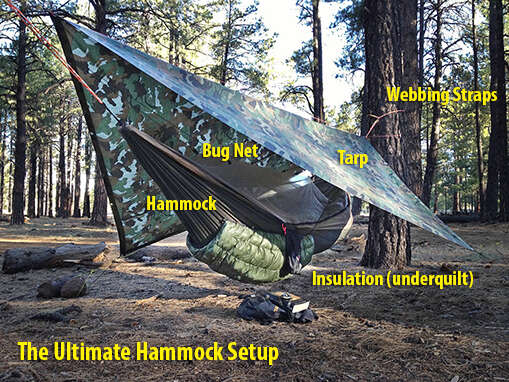
Camping hammocks often hang higher than backyard hammocks because of uneven ground, roots, rocks, and slopes. Their fabric may also wrap more tightly around the body.
Before getting out, inspect the area beneath and beside the hammock. Look for:
• Rocks and tree roots
• Sharp branches
• Mud or loose soil
• Campfires and hot coals
• Water, holes, or steep slopes
• Trekking poles, backpacks, and other gear
If the ground is uneven, turn toward the lower side only if it gives you a stable landing area. Otherwise, ask someone to steady the hammock while you sit up.
In my experience with hammock-style seating, the most common mistake is focusing on the hammock and forgetting the ground. A person may plan the exit well but place a foot on a loose rock. Checking the landing area first prevents that problem.
If you use a bug net, unzip it fully before moving. Do not push through a closed net. It can catch your foot or restrict your movement as you turn.
For a camping hammock with a ridgeline, avoid grabbing the ridgeline and pulling your full weight onto it. Use it only for light balance unless the manufacturer specifically states that it can support body weight.

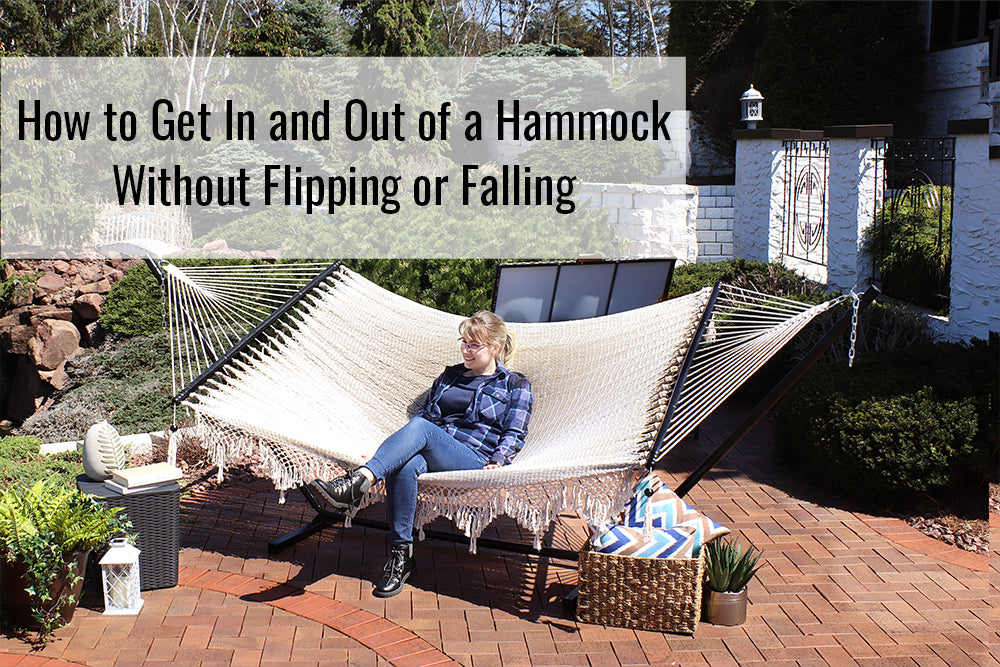
How to Get Out of a Hammock With a Spreader Bar
A spreader-bar hammock stays more open than a gathered-end hammock. It may look easier to leave, but it can tip more sharply if your weight moves to one side.
To exit a spreader-bar hammock:
-
Move toward the center before sitting up.
-
Keep your body between the two suspension points.
-
Turn your legs over one side together.
-
Place both feet firmly on the ground.
-
Stand while keeping your weight centered.
Do not sit on the very edge before your feet are ready. The edge can dip or rotate, especially in a lightweight model.
If the hammock has a wooden bar, do not step on it. Spreader bars can become slippery, and they are not designed to act as steps.

Common Mistakes to Avoid
Knowing what not to do is an important part of learning how to get out of a hammock. Most exit problems come from speed, poor setup, or misplaced weight.
Trying to stand while lying down
This movement sends your hips backward and your feet forward. The hammock may slide away before your feet make contact.
Swinging out of the hammock
Some people try to use the hammock’s motion like a swing. This can send the body too far forward and create a hard landing.
Holding a weak support
Do not pull on a loose side rope, decorative cord, net, or untested branch. These parts may break or move without warning.
Exiting on one foot
One-foot exits place more pressure on your balance. Keep both feet together or place both feet down before standing.
Ignoring dizziness
A nap in a hammock can leave you dehydrated, overheated, or lightheaded. Sit still for a moment before standing. If you feel dizzy, lie back or ask someone to help.
Setting the hammock too high
A high hammock increases the distance to the ground. The ideal height depends on the design, user, and site, but the fabric should generally hang low enough for a controlled entry and exit.
Leaving objects under the hammock
A phone, water bottle, shoe, or backpack can become a tripping hazard. Clear the area before you get out.

Safety Tips for Children, Older Adults, and People With Injuries
The best way for a child to get out of a hammock may not be the best way for an older adult or someone recovering from an injury. Strength, balance, flexibility, and reaction time all matter.
Children should have adult supervision. A child may try to roll, jump, or climb over the side instead of sitting up first.
Older adults may benefit from a hammock stand with a lower seat height and a nearby stable chair or grab point. A person with knee, hip, back, or balance problems should follow advice from a qualified health professional.
Use extra care if you have:
• Recent surgery
• Severe back or neck pain
• Joint weakness
• Vertigo or frequent dizziness
• Limited leg strength
• A history of falls
Do not use a hammock as a replacement for medical support or mobility equipment. If you cannot stand from a normal chair without help, ask someone to assist you before using a hammock.
For a safer exit, have another person hold the stand or hammock only if the structure is designed to tolerate that contact. The helper should not yank the fabric or suspension system.

How to Make a Hammock Easier to Exit
A safer exit starts before you lie down. Good setup can reduce the effort needed later.
Choose the right height
A hammock that sits close to the ground is usually easier to enter and leave. Avoid placing it so low that your body touches the ground when lying down.
Keep the landing area clear
Remove anything that could catch your foot. If you are outdoors, check the area in daylight and again before leaving at night.
Use firm, level ground
A level surface gives both feet a better base. Avoid loose gravel, wet grass, steep slopes, and slick decking.
Keep a stable support nearby
A solid chair, railing approved for support, or sturdy table can help some users. Never assume a decorative rail or lightweight table will hold your body weight.
Test the hammock first
Before relaxing, sit in the hammock and check how much it moves. Look at the straps, stand, fabric, carabiners, and attachment points.
The U.S. Consumer Product Safety Commission has reported injuries linked to falls from hammocks and hammock-style products. Product instructions, weight limits, and proper attachment points matter. A hammock can look secure while a strap, hook, or stand is under too much stress.

A Simple Practice Drill
You can practice how to get out of a hammock before taking a long nap or overnight trip.
Start with the hammock only a short distance above soft, clear ground. Sit in the middle and practice the following sequence:
-
Stop the swing.
-
Turn to one side.
-
Sit upright.
-
Place both feet down.
-
Lean forward.
-
Stand slowly.
Repeat the drill several times. Then test it from a relaxed position with your eyes open.
Do not practice near water, fire, steep ground, or hard objects. If the hammock feels unstable during practice, stop and check its setup.
A useful lesson from practice is that the exit often feels easier when you do less. Small movements give the hammock time to respond. Large movements make it behave like a loose boat under your feet.

What to Do If the Hammock Tips or You Lose Balance
If the hammock starts to tip, do not panic or jump. Bring your body toward the center and lower your hips.
Try to place both feet on the ground at once. If that is not possible, sit back down instead of forcing the stand.
If you fall, check for pain before moving. Do not stand quickly after a head impact, severe back pain, or a possible broken bone. Seek urgent medical care for loss of consciousness, confusion, trouble breathing, severe pain, or difficulty moving.
When a hammock tips because of a setup problem, do not climb back in until you inspect the entire system. Check the fabric, seams, straps, hooks, stand joints, and anchor points. Replace damaged parts rather than trying to repair load-bearing equipment with tape or ordinary cord.
Frequently Asked Questions About How to Get Out of a Hammock
What is the safest way to get out of a hammock?
Sit upright first, then place both feet firmly on the ground before standing. Keep your weight centered and move slowly to prevent the hammock from swinging or tipping.
Should you roll out of a hammock?
Rolling can work in some situations, but it is less controlled than sitting up first. For most users, the sit, feet, stand method gives better balance and reduces the risk of a hard landing.
How do you get out of a hammock if it is too high?
Do not jump from a high hammock. Sit upright, lower the hammock if possible, or ask another person to provide safe assistance while you keep three points of contact.
How do you get out of a hammock with back pain?
Move slowly and avoid twisting your spine. Turn to your side, sit up with support, place both feet down, and follow medical advice if pain limits your movement.
Can children get out of a hammock by themselves?
Young children should not use a hammock without close adult supervision. Teach them to sit up, place both feet down, and stand rather than roll or jump out.
Why does my hammock tip when I try to stand?
The hammock may be too high, too loose, unevenly attached, or unstable under your weight shift. Center your body, lower the setup, and check the manufacturer’s instructions and weight limit.
Conclusion
Getting out of a hammock safely comes down to a calm sequence: stop the swing, sit upright, place both feet on the ground, lean forward, and stand slowly. Clear the landing area, use a suitable height, inspect the suspension system, and ask for help if balance or strength is a concern.
Practice the method in a safe place before relaxing for a long period. With the right setup and a few controlled movements, how to get out of a hammock becomes an easy skill rather than a risky surprise. Try these steps during your next hammock session, and share your best hammock safety tip in the comments.

Zayden Halbrook is a travel enthusiast and gear researcher passionate about making every journey smoother and more enjoyable. With a keen eye for practical travel essentials and real-world tips, he helps readers choose the right gear and travel smarter. When he’s not testing travel kits or exploring new destinations, Zayden shares simple, reliable advice to make every trip stress-free.