Most hammocks safely hold between 250 and 450 pounds, depending on construction and setup.
I’ve spent years testing camping and backyard hammocks, reading manufacturer specs, and repairing weak setups. This article explains exactly how much weight can a hammock hold, why capacities vary, how to test yours safely, and practical steps to get the strongest, safest hang possible. Read on for clear rules, real-life tips, and mistakes to avoid.
What determines how much weight can a hammock hold?
Several factors together set how much weight can a hammock hold. The material of the bed, the webbing or rope, the hardware, and how you hang it all matter. A lightweight camping hammock made of thin nylon will have a lower working capacity than a heavy-duty cotton or parachute nylon double hammock. Proper suspension and rated anchors are just as important as the hammock fabric.
Key elements that set capacity:
- Material strength: nylon, polyester, and cotton each stretch and fail differently.
- Stitching and seams: quality seams multiply strength; bad stitching is a common failure point.
- Suspension system: tree straps and carabiners with higher ratings improve overall capacity.
- Manufacturer rating: tested capacities reflect safe working loads, often with a safety margin.
I look for both the hammock’s rated capacity and the rating of straps and hardware. If any part is weaker, that part becomes the limit for how much weight can a hammock hold. Manufacturers often publish both breaking strength and safe working load; use the lower “working” number when deciding.

Hammock types and typical capacities
Hammocks vary a lot in capacity. Knowing common ranges helps you pick the right model for your needs.
Common hammock types and usual capacities:
- Single hiking hammocks: 250 to 350 pounds.
- Double camping or backyard hammocks: 350 to 500 pounds.
- Rope or cotton porch hammocks: 300 to 600 pounds, depending on weave density.
- Brazilian or gathered-end hammocks: 300 to 450 pounds for common models.
- Hammock chairs: 200 to 350 pounds, often lower due to focused stress.
Remember that labels may say “500 lb capacity,” but that often refers to ideal lab conditions. Always consider how much weight can a hammock hold in your real setup, including trees, straps, knots, and dynamic loads like getting in and out.

How to test your hammock’s capacity safely
Testing a hammock safely avoids surprise failures. Use these steps to determine how much weight can a hammock hold for your setup.
Simple safe test process:
- Inspect everything first: check seams, fabric, straps, carabiners, and trees or anchors.
- Start with static tests: hang the hammock and sit in the middle gently, then add weight gradually.
- Use distributed loads: bags or sandbags work better than people for incremental testing.
- Watch for signs of stress: frayed fibers, seam gaps, creaking sounds, or hardware deformation.
Never exceed the lowest rated component. For example, a hammock rated 500 pounds hung with straps rated 300 pounds still means the safe limit is 300 pounds. In my testing, I used sandbags and raised the load in 25–50 lb steps to find weak points before trying with people.

How to read manufacturer ratings
Manufacturers usually provide two numbers:
- Breaking strength: the load at which the product fails, often measured in lab tests.
- Working load limit (WLL): recommended safe load, typically a fraction of the breaking strength.
When deciding how much weight can a hammock hold, always use the working load limit. If the label is unclear, assume a conservative figure and use stronger suspension hardware.

How to hang a hammock for maximum strength
How you hang the hammock affects capacity dramatically. A poor hang can cut safe load by half.
Hanging tips that increase strength:
- Use wide tree straps: wide straps distribute load and protect bark while raising strength and reducing slip.
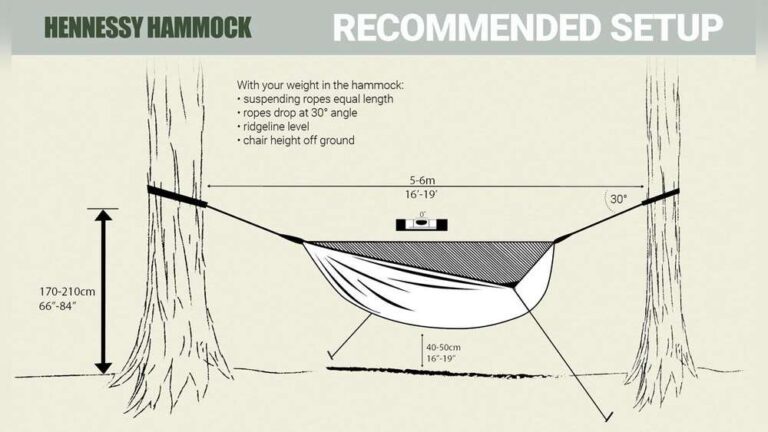
- Keep the angle shallow: aim for about 30 degrees from horizontal on each side; this balances tension and comfort.
- Use rated hardware: climbing-grade carabiners and forged anchors add margin.
- Avoid knots that weaken webbing: use rated buckles or daisy chains instead.
Practical steps I use:
- Wrap wide straps around the tree about eye level.
- Attach a rated carabiner to the hammock loop and the strap.
- Adjust for 30-degree hang angle and sit gently to check tension.
- Re-check knots, seams, and strap condition before full use.

Safety tips and common mistakes
Safety keeps every hammock session relaxing. These are common errors I’ve seen and how to avoid them.
Top mistakes and fixes:
- Relying on weak anchors: Never use dead branches or low-quality hooks as primary anchors.
- Mixing ratings: If a strap is rated 1,000 lb and a carabiner is rated 200 lb, the lower part governs capacity.
- Ignoring wear: Replace straps and hardware if you see fraying, rust, or stretched webbing.
- Too-steep hang angle: A very steep angle increases tension and risk of failure.
- Dynamic loading: Jumping or swinging creates spikes that exceed static capacity; avoid rough play.
I once trusted an old strap for a backyard double hammock. The strap split under a sudden load, dropping two people. Since then, I always inspect and, when in doubt, replace straps and hardware before use.

Frequently Asked Questions of how much weight can a hammock hold(make it h2 tag)
How much weight can a hammock hold safely?
Most hammocks are rated for 250 to 500 pounds; the safe load equals the lowest-rated component in your setup. Always use the manufacturer’s working load limit and check suspension and hardware ratings.
Can two people safely use a double hammock?
Many double hammocks are rated for 350 to 500 pounds and can hold two people if their combined weight stays below the working limit. Use strong straps and check that anchors and carabiners share the same or higher rating.
Does the hanging angle affect how much weight a hammock hold?
Yes, a shallow angle (around 30 degrees) reduces tension and increases effective capacity, while steeper angles raise tension and risk. Proper angle helps distribute load safely.
Are tree straps better than ropes for capacity?
Wide tree straps are generally safer and stronger than thin ropes because they spread load and reduce wear on both strap and tree. Use rated webbing straps with known working load limits.
How do I know if my hammock is about to fail?
Signs include frayed fabric, loose or broken stitching, creaking hardware, and visible deformation of carabiners or straps. If you see these, stop using the hammock and replace the failing component.
Can hardware ratings be trusted for how much weight can a hammock hold?
Yes, reputable hardware labels list a working load limit or breaking strength. Trust the working load limit and ensure all parts meet or exceed that number to determine safe capacity.
Conclusion
You now have a clear guide to how much weight can a hammock hold: check the hammock’s working load, match or exceed that rating with straps and hardware, and hang at a proper angle. Test gently, inspect regularly, and replace worn parts to keep every rest safe and comfortable. Take action today—inspect your hammock setup, note the weakest component, and upgrade any part that lowers your safe load. If you found this useful, leave a comment about your hammock setup or subscribe for more practical gear and safety tips.

Zayden Halbrook is a travel enthusiast and gear researcher passionate about making every journey smoother and more enjoyable. With a keen eye for practical travel essentials and real-world tips, he helps readers choose the right gear and travel smarter. When he’s not testing travel kits or exploring new destinations, Zayden shares simple, reliable advice to make every trip stress-free.