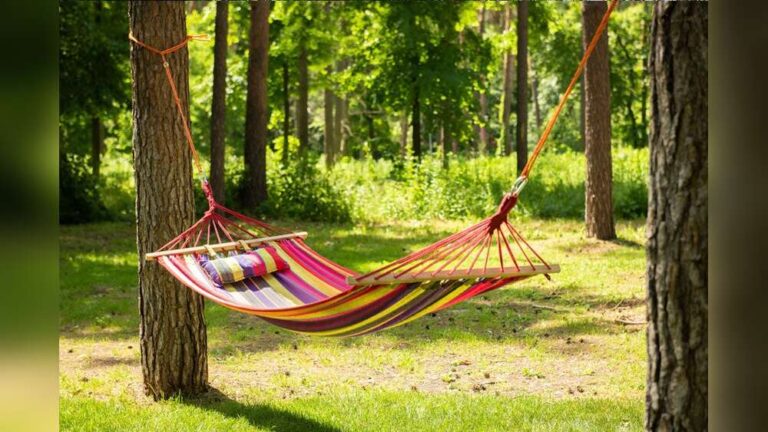
If you love relaxing outdoors, there’s something special about lying in a hammock. But if you’ve ever struggled with tangled ropes or sagging setups, you might be missing the magic of hammock straps. I remember my first camping trip, fighting with knots and slipping cords for over an hour before I finally gave up. Then, a friend handed me a set of straps. In minutes, I was swinging between two trees, feeling like I’d unlocked a secret. Using hammock straps the right way makes everything easier, safer, and more fun. Today, I’ll walk you through exactly how to use them, share what I’ve learned from years of outdoor adventures, and help you avoid the mistakes I made early on.
What Are Hammock Straps And Why Are They Important?
Hammock straps are strong, flat bands made from materials like polyester or nylon. You use them to hang your hammock between two anchor points, usually trees. Unlike thin ropes, straps spread out the pressure, which keeps trees safe and prevents bark damage. Many parks and campgrounds now require straps instead of ropes to protect the environment.
But straps are not just for the trees. They make the whole process faster and safer. Good straps are adjustable, which means you can set your hammock at the perfect height without tying complicated knots. The best models hold up to 400–500 pounds (181–227 kg) or more, so you can relax without worry.
From my experience, having the right straps means you can set up almost anywhere—forest, city park, or even your backyard—without stress. And if you ever try to untangle wet rope after a rainstorm, you’ll appreciate the simplicity even more!
Types Of Hammock Straps
Choosing the right hammock straps matters. Here are the main types you’ll see:
| Type | Main Material | Adjustability | Weight Limit | Tree-Friendly? |
|---|---|---|---|---|
| Looped Straps | Polyester/Nylon | Easy | 300–500 lbs | Yes |
| Webbing Straps | Polyester | Medium | 400+ lbs | Yes |
| Rope Straps | Nylon | Hard | 200–400 lbs | No |
| Cinch Buckle Straps | Polyester | Very Easy | 400–600 lbs | Yes |
Looped straps are the most beginner-friendly. They have loops sewn in at intervals, so you can adjust quickly. Webbing straps are wider and can be used with carabiners, offering more support. Rope straps are less common now, as they can hurt trees and are harder to use. Cinch buckle straps have a metal buckle for fast changes and are great if you want speed.

Credit: www.99boulders.com
How To Choose The Right Hammock Straps
When I bought my first straps, I just picked the cheapest one. Big mistake! They stretched, sagged, and even tore once. Here’s what I learned to look for:
- Length: Straps should be at least 10 feet (3 meters) long. This lets you reach trees that are farther apart.
- Width: Go for at least 1 inch (2.5 cm) wide. Thin straps can cut into tree bark, which is bad for the environment.
- Strength: Check the weight rating. For one person, 300–400 pounds (136–181 kg) is enough. For two, look for 500 pounds (227 kg) or more.
- Adjustability: More loops or a buckle system makes it easy to get the right height and tension.
- Material: Polyester is best—it stretches less than nylon and holds up in the rain.
Look for brands with good reviews and clear safety ratings. Avoid unknown brands with poor stitching or thin webbing. Safety is worth a few extra dollars.
Step-by-step Guide: How To Use Hammock Straps
Let’s get to the good part—setting up your hammock with straps. I’ll walk you through the process I use every time, so you can relax with confidence.
1. Find The Right Anchor Points
Look for two strong, healthy trees about 12–15 feet (3. 5–4. 5 meters) apart. The trees should be at least 6 inches (15 cm) in diameter. Avoid trees with loose bark, rot, or branches directly above you.
If you’re not in a forest, you can use poles, posts, or even vehicle roof racks—just make sure your anchor is strong and stable.
2. Wrap The Straps Around The Trees
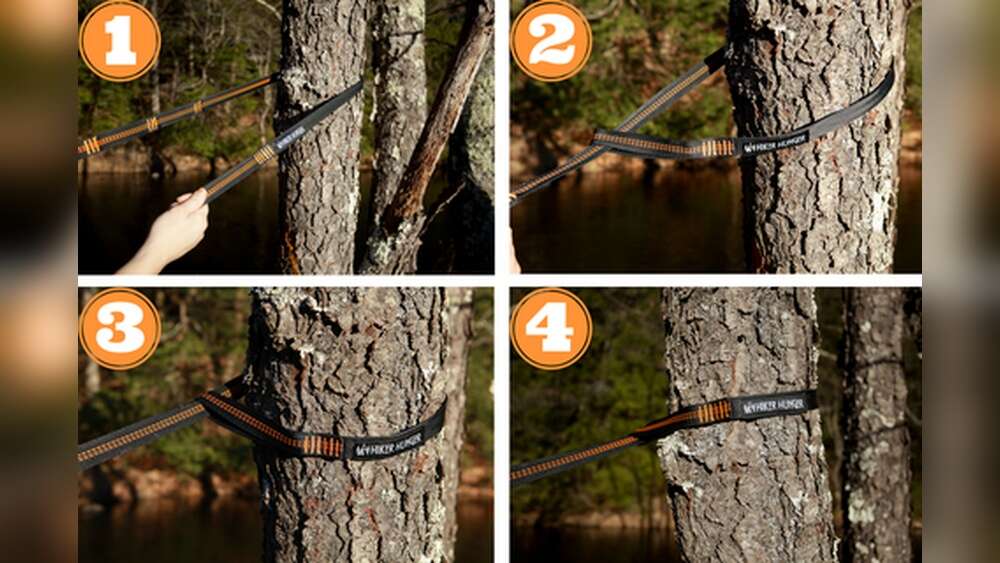
Unroll each strap and wrap it around the tree at about head height (5–6 feet, or 1. 5–1. 8 meters). Make sure the strap lies flat and doesn’t twist. If your straps have a sewn loop at one end, thread the other end through it to secure the strap tightly around the trunk.
This method protects the tree and gives a strong anchor. Check that the strap is secure before moving on.
3. Attach The Hammock
Most hammocks have carabiners at each end. Clip the carabiner to one of the sewn loops in your strap. Pick a loop that makes your hammock hang at the right height—ideally, your hammock should sit about 18 inches (45 cm) above the ground when you’re inside.
If your straps use a buckle, feed the webbing through and pull tight. Always double-check that the carabiner or buckle is locked and in good condition.
4. Adjust The Height And Tension
Sit in the hammock gently to test the height. You want the bottom to be chair height, not dragging on the ground. If it’s too low, move the carabiner to a higher loop or raise the strap on the tree.
If it’s too tight or high, try a lower loop or lower the strap.
A good rule: The straps should run at a 30-degree angle from the tree to the hammock. This keeps tension even and makes lying in the hammock more comfortable.
5. Safety Check
Before you relax, do a quick check:
- Are the straps flat and not twisted?
- Are the carabiners fully closed?
- Is the hammock at the right height?
- Is the anchor (tree or post) strong and healthy?
Never skip this step. Once, I set up in a hurry and didn’t notice a small crack in the tree—luckily, I spotted it before getting in.
6. Enjoy!
Now you can lie back, read a book, or take a nap. If you feel the straps slipping or stretching, get out and adjust. It’s better to check twice than fall once!
Common Mistakes And How To Avoid Them
A lot of people—myself included—make simple mistakes with hammock straps. Here’s what to watch for:
- Using thin straps or ropes: This can damage trees and sometimes breaks under load. Always use wide, tree-friendly straps.
- Choosing weak anchor points: Never hang from dead trees, thin branches, or unstable posts.
- Ignoring the angle: If the straps are too tight (less than 30 degrees), the hammock feels stiff and can stress the anchor.
- Hanging too high: If you fall, you can get hurt. Stick to chair height.
- Not checking the ground: Make sure there are no rocks, roots, or sharp objects under your hammock.
I once forgot to check for ants and ended up sharing my hammock with hundreds of them. Always look around before you settle in!
Comparison: Hammock Straps Vs. Ropes
Some people still use ropes, but straps are almost always better. Here’s a quick comparison to show why:
| Feature | Hammock Straps | Ropes |
|---|---|---|
| Tree Safety | Tree-friendly | Can damage bark |
| Setup Speed | Very fast | Slow (need knots) |
| Adjustability | Easy (loops/buckles) | Difficult |
| Weight Rating | High (400+ lbs) | Medium (200–400 lbs) |
| Required Skill | Beginner-friendly | Must know knots |
| Legal in Parks | Yes, in most places | Often banned |
Safety Tips For Using Hammock Straps
Safety is key when relaxing off the ground. Here are the tips I always follow:
- Inspect gear every time: Look for tears, frayed stitching, or worn carabiners.
- Stick to the weight limit: Never overload your hammock. Check both the strap and hammock ratings.
- Don’t hang over sharp objects: Avoid rocks, broken branches, or uneven ground.
- Test before full use: Sit gently before lying down to check for slipping.
- Never use damaged anchors: If in doubt, pick another spot.
- Be mindful of weather: Wet straps can stretch, and strong wind can shake the setup.
If you’re camping with kids, check everything twice. I once saw a child’s hammock fall because the strap was looped over a small branch, not the trunk.
Caring For Your Hammock Straps
Good straps can last for years if you take care of them:
- Keep straps dry: Wet straps can mildew or lose strength. Dry them before storing.
- Store in a bag: Use the included stuff sack or a dry bag to keep them clean.
- Avoid sharp objects: Don’t drag straps across rocks or rough bark.
- Wash gently: If your straps get dirty, hand wash with mild soap and air dry.
If you use your hammock often, check the stitching every few weeks. Replace straps that show signs of wear.
Advanced Tips For Hammock Straps
If you want to go beyond the basics, try these advanced tricks:
- Stacking hammocks: With long enough straps and strong trees, you can hang two hammocks, one above the other. Make sure the bottom one is close to the ground for safety.
- Adjust for rainfly or bug net: Use extra loops to attach a tarp or net. This keeps you dry and bug-free.
- Hang between odd anchors: With straps, you can hang between rocks, vehicles, or even inside a building.
- Join straps for more length: If your trees are far apart, connect two straps end-to-end. Make sure both are rated for the full load.
- Use tree protectors: Some parks require extra padding under straps. You can use a towel or special sleeve to meet these rules.
Experience has taught me that a little creativity goes a long way. Once, I used my straps to hang a hammock between a tree and a playground swing set when all the good trees were taken!
Environmental Responsibility
Using tree-friendly hammock straps protects nature. Many parks and forests ask for straps at least 1 inch wide to avoid damaging bark and delicate cambium layers. Never use nails, screws, or wire to hang a hammock. Leave your site better than you found it—pack out all trash, and avoid harming plants or animals.
If you care about nature, always check local rules. Some places ban hammocks altogether. Respect these rules so everyone can enjoy the outdoors.
Hammock Straps For Other Uses
Hammock straps are not just for hammocks! I’ve used mine to:
- Hang a tarp for shade or rain
- Secure gear to my backpack or bike
- Hang clothes to dry at camp
- Make an emergency stretcher or sling
Their strength and adjustability make them useful for all kinds of outdoor needs. Just remember, if you use them for something besides a hammock, clean and inspect them before your next hang.
Troubleshooting Common Problems
Even with the best straps, things can go wrong. Here’s how to fix common issues:
Hammock Sags Too Much
- Try a higher loop or move the strap higher on the tree.
- Check if the strap material is stretching—polyester stretches less than nylon.
Straps Slip Down The Tree
- Make sure the strap is flat and tight around the trunk.
- Avoid trees with smooth or peeling bark.
Can’t Find Good Trees
- Use a hammock stand or look for sturdy poles, pavilions, or even large rocks.
- In the city, try between fence posts or use car roof racks (I’ve done this for quick breaks on road trips).
Straps Get Wet And Smelly
- Dry straps completely before packing.
- Wash with mild soap if needed.
- Store in a dry, ventilated bag.
Straps Are Too Short
- Join two sets together, but only if both are strong enough.
- Look for longer straps (15–20 feet) for wide spaces.

Credit: www.99boulders.com
When To Replace Hammock Straps
Don’t risk your safety with old, weak, or damaged gear. Replace your straps if you notice:
- Frayed or cut webbing
- Broken or loose stitching
- Mold or mildew that won’t wash out
- Stretched or thinned material
- Carabiners that don’t close properly
I usually replace my straps every 2–3 years if I use them often. Less frequent use means they last longer, but always check before every trip.
Popular Hammock Strap Brands
If you want quality and safety, consider these popular brands:
- ENO (Eagles Nest Outfitters): Reliable, strong, easy to use.
- Kammok: Known for eco-friendly, durable straps.
- Wise Owl Outfitters: Affordable and beginner-friendly.
- Sea to Summit: Lightweight, with clever buckle systems.
- Hammock Bliss: Good for travel and backpacking.
There are many other good choices. Check reviews and make sure your straps are from a trusted company.
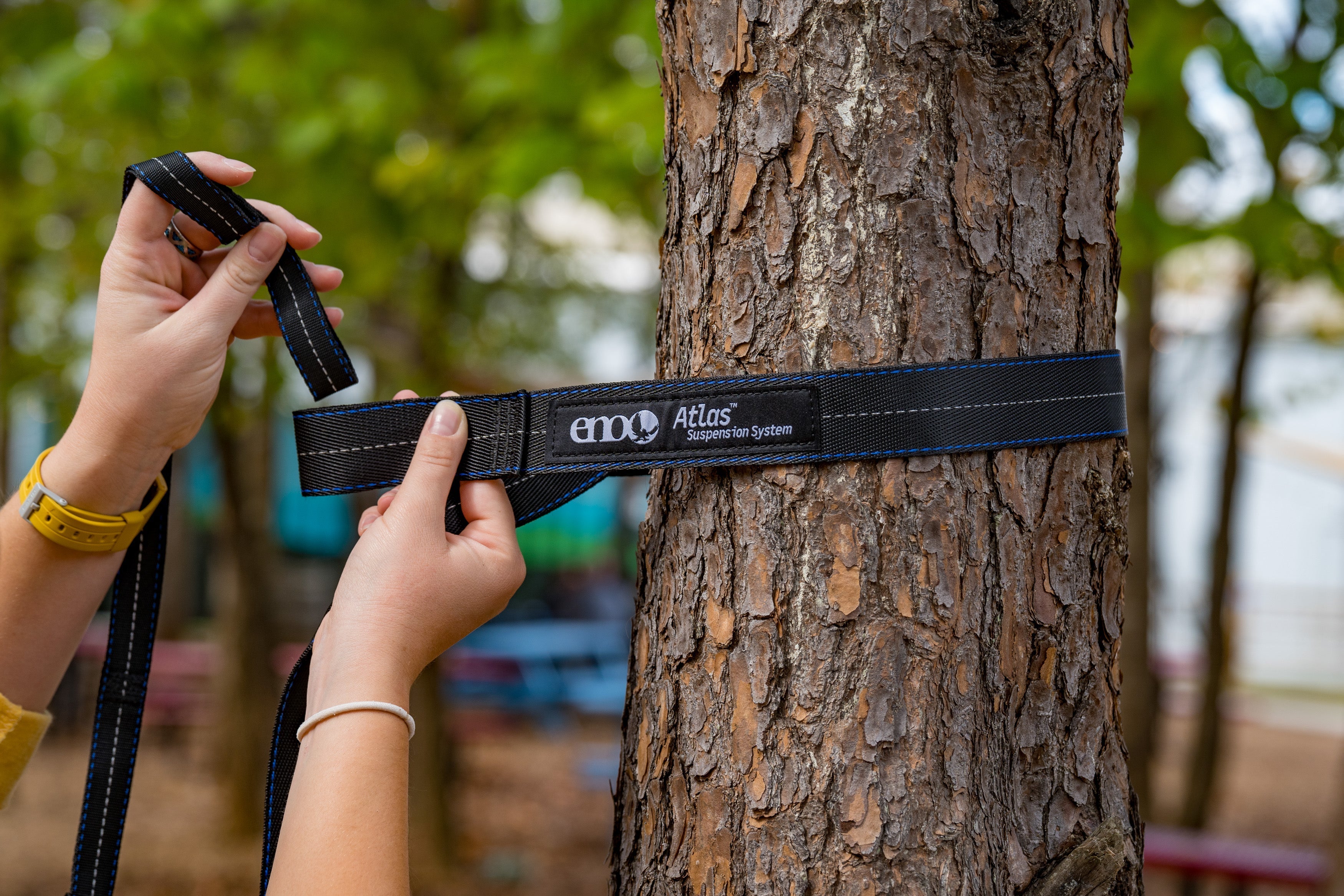
Credit: eaglesnestoutfittersinc.com
How Hammock Straps Improve Outdoor Relaxation
Before I started using straps, hammock setups were stressful. Now, I can set up almost anywhere in minutes, and I never worry about damaging trees or falling. The right straps turn a simple break into a highlight of any hike, camp, or day at the park.
Fast setup means more time to enjoy nature. Safe, strong straps mean you can relax without worry. And being gentle to the environment means future generations can swing in hammocks, too.
For more information about hammock camping and the science behind tree-friendly straps, you can check resources like Wikipedia.
Frequently Asked Questions
What Length Of Hammock Straps Should I Buy?
For most situations, 10 feet (3 meters) per strap is enough. If you camp in areas with wide trees or far-apart anchors, go for 15–20 feet (4. 5–6 meters). Longer straps give you more options but are heavier to carry.
Are Hammock Straps Safe For All Trees?
Most healthy trees at least 6 inches (15 cm) in diameter are safe. Avoid small, young, or damaged trees. Some trees with soft or thin bark (like birch) are more easily harmed—always use wide straps and check local rules.
Can I Use Hammock Straps Indoors?
Yes! You can use straps with strong hooks or beams inside your home, garage, or even on a porch. Always check the anchor point’s strength before hanging.
How Do I Clean And Store Hammock Straps?
Hand wash with mild soap and water, then air dry fully. Store in a dry bag or stuff sack, away from sharp objects and direct sunlight.
What’s The Difference Between Hammock Straps And Regular Tie-down Straps?
Hammock straps are made for weight-bearing, dynamic loads, and usually have multiple loops for adjustment. Tie-down straps (like for cargo) may not be rated for human weight and often use hardware that can damage trees or webbing.
Final Thoughts
Using hammock straps is simple, but the benefits are huge. You’ll protect nature, save time, and feel safe every time you swing. My own outdoor adventures changed for the better the day I switched from ropes to straps. If you follow these steps and tips, you’ll enjoy every hang—whether it’s in the forest, at the park, or even in your backyard.
With the right straps, all you need is two strong anchors and a few minutes to set up your perfect place to relax.

Zayden Halbrook is a travel enthusiast and gear researcher passionate about making every journey smoother and more enjoyable. With a keen eye for practical travel essentials and real-world tips, he helps readers choose the right gear and travel smarter. When he’s not testing travel kits or exploring new destinations, Zayden shares simple, reliable advice to make every trip stress-free.