
How Do You Say Hammock
If you have ever seen a hammock swinging between two trees, you know how relaxing it looks. Maybe you have wanted to ask about it while traveling or shopping, but you felt unsure how to say the word hammock in other languages. Or perhaps you were not sure about the correct English pronunciation. This question is more common than you might think! In this article, I will guide you through the different ways to say “hammock” around the world, help you pronounce it in English, and share some interesting facts and stories from my own travels. You will learn how to communicate about this cozy item with confidence—whether you are at a market, on a trip, or just chatting with friends from different countries.
What Is A Hammock?
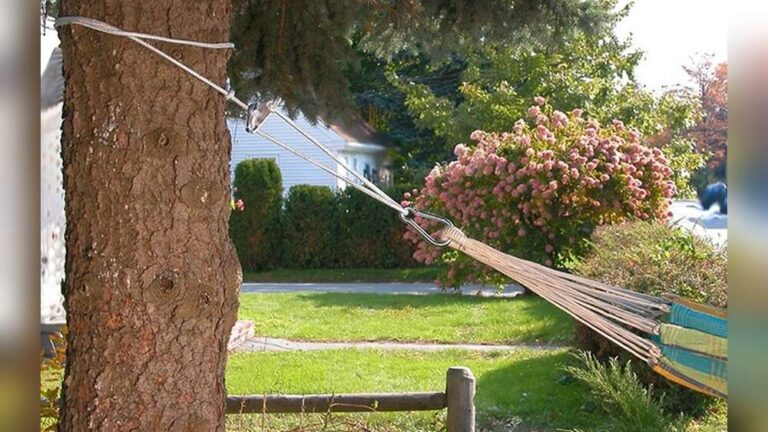
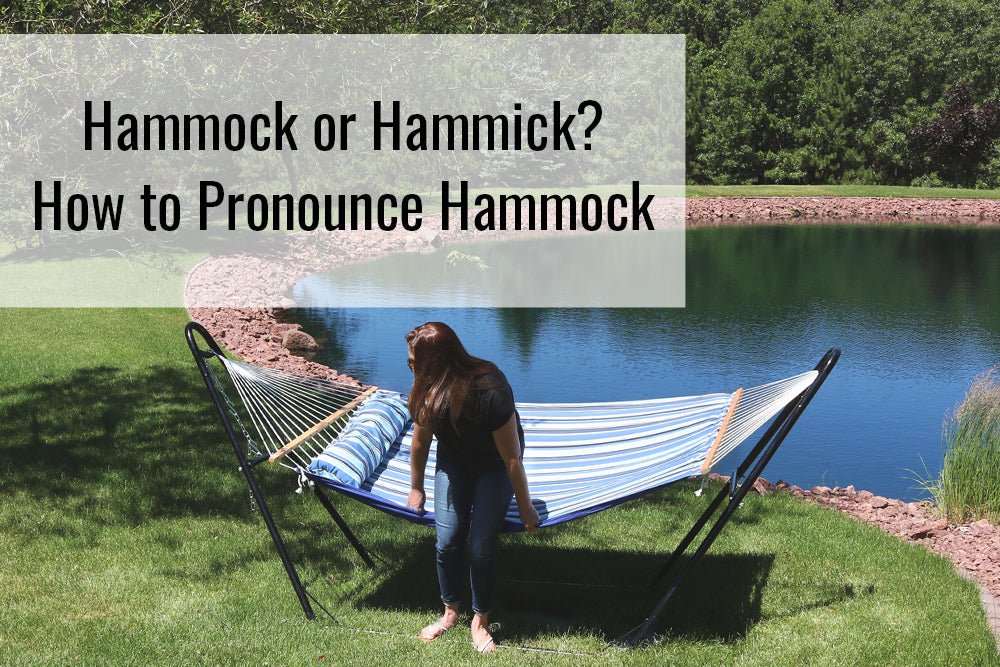
A hammock is a piece of fabric, netting, or rope that you hang between two points. People use it for relaxing, sleeping, or enjoying the outdoors. Hammocks are popular in gardens, on beaches, and even inside homes. They have a long history, going back hundreds of years to Central and South America. Today, you can find hammocks almost everywhere.
How To Pronounce Hammock In English
Let’s start with the English pronunciation. Many people are surprised by how “hammock” is said, even if they speak English well.
The word “hammock” is pronounced as HAM-uk (IPA: /ˈhæmək/).
- The first part sounds like “ham,” as in the meat.
- The second part is “uk,” like the word “luck” without the “l.”
Here are a few tips to help you:
- Do not pronounce the “o” as “ock.” It is a soft “uh” sound, not “ock.”
- The stress is on the first syllable: HAM-mock.
- Say it smoothly and do not pause between the parts.
If you want to hear it, you can listen to audio on sites like Merriam-Webster. This helps you get the natural sound.
My Experience With Pronunciation
When I first visited Florida, I wanted to buy a hammock as a souvenir. I asked a local shop owner, “Do you have hammocks?” But I said “ham-MOCK.” The shopkeeper smiled and gently corrected me: “You mean HAM-uk!” We both laughed. Since then, I always remember to put the stress at the beginning.
How Do You Say Hammock In Other Languages?
Hammocks are popular around the globe. People use different words for them, and sometimes, the word can sound very different from English. Here’s how you say hammock in 20 common languages:
| Language | Word for Hammock | Pronunciation Guide |
|---|---|---|
| Spanish | Hamaca | ah-MAH-kah |
| French | Hamac | ah-MAK |
| German | Hängematte | HENG-eh-maht-teh |
| Italian | Amaca | AH-mah-kah |
| Portuguese | Rede | HEH-jee (Brazil) / REH-d(ə) (Portugal) |
| Russian | Гамак (Gamak) | gah-MAHK |
| Chinese (Mandarin) | 吊床 (diào chuáng) | dyow chwong |
| Japanese | ハンモック (hanmokku) | han-MOK-ku |
| Korean | 해먹 (haemeok) | HEH-mok |
| Hindi | झूला (jhoola) | JHOO-lah |
| Arabic | أرجوحة (urjooha) | ur-JOO-ha |
| Turkish | Hamak | HAH-mak |
| Swedish | Hängmatta | HENG-mat-tah |
| Norwegian | Hengekøye | HENG-eh-koy-eh |
| Dutch | Hangmat | HANG-maht |
| Polish | Hamak | HAH-mak |
| Greek | Αιώρα (aiora) | ay-OR-ah |
| Thai | เปลญวน (bplae yuuan) | bleh-yoo-ahn |
| Vietnamese | Võng | vong (with a rising tone) |
| Swahili | Mtandio | mtan-DEE-oh |
Non-obvious Insights
- In Portuguese, the word is “rede,” which means “net.” This shows how hammocks were first made from netting, not cloth.
- In Asian countries, like Thailand and Vietnam, the word for hammock can also mean a swinging bed, and sometimes it is used for baby cradles.
Why The Word Changes In Different Languages
You might wonder why “hammock” sounds so different in some languages. This is because of history and culture. The word “hammock” comes from the Taíno word hamaka. The Taíno people lived in the Caribbean. When Spanish explorers saw hammocks, they took the word and brought it to Europe. Each language changed the word to fit their sounds and rules.
For example:
- In Spanish, it became “hamaca.”
- In French, “hamac.”
- In German, they used their own words, like “Hängematte,” which means “hanging mat.”
- In Portuguese, “rede” describes the shape, not the name.

Credit: www.youtube.com
Hammock In Everyday Speech
Let’s see how you might use the word “hammock” in a conversation in different places.
- English: “I love reading in my hammock in the backyard.”
- Spanish: “Me gusta dormir en la hamaca.” (I like to sleep in the hammock.)
- French: “J’adore me reposer dans mon hamac.” (I love relaxing in my hammock.)
- German: “Ich liege gern in der Hängematte.” (I like lying in the hammock.)
Pro Tip
If you are not sure about the word for “hammock” in a country, describe it as “a hanging bed” or show a picture. Most people will understand what you mean.
Common Mistakes When Saying Hammock
Many learners make small mistakes when talking about hammocks. Here are some things to watch for:
- Stress on the wrong syllable: Saying ham-MOCK instead of HAM-mock.
- Using the English word everywhere: Not all people know the word “hammock.” Using the local word helps.
- Pronouncing the “o” strongly: There is no “ock” sound at the end in English.
- Mixing up with similar words: In some languages, the word for “hammock” is close to other words. For example, in Portuguese, “rede” can mean “network” or “net.”
Personal Story
When I traveled in Brazil, I tried to buy a hammock for my balcony. I asked, “Onde posso comprar uma hammock? ” The shopkeeper looked confused. He replied, “Você quer uma rede? ” I learned that using the local word makes a big difference!
Fun Facts About Hammocks
Hammocks are not just for fun. They have an interesting history and many uses.
- The oldest hammocks were made from tree bark and plant fibers.
- Sailors used hammocks on ships because they were safer than beds during storms.
- In some cultures, babies sleep in small hammocks for comfort.
- There are even hammock hotels where people sleep in hammocks instead of beds.
| Region | Traditional Material | Special Use |
|---|---|---|
| Central America | Cotton, sisal | Sleeping outdoors |
| Caribbean | Bark, natural fibers | Daily bed |
| South America (Brazil) | Cotton net | Baby cradles |
| Europe | Fabric, rope | Gardens, camping |
How To Choose The Right Word For Hammock When Traveling
When you travel, using the right word helps you connect with locals. Here’s how you can choose the best way to say “hammock”:
- Check the local language: Before you go, learn the word for “hammock.” Use a travel phrasebook or a translation app.
- Listen first: If you are at a market or talking to someone, listen to how they say it.
- Practice with locals: Try the word out. Most people appreciate your effort, even if you make mistakes.
- Use gestures: If you forget the word, use your hands to show a swinging motion.
- Ask for help: Say, “How do you say ‘hammock’ in your language?” This is a great way to start a conversation.
Data Comparison
Here’s a simple comparison of how often hammocks are used in different regions based on travel surveys:
| Region | Hammock Popularity | Common Setting |
|---|---|---|
| Latin America | Very High | Homes, beaches |
| Europe | Medium | Gardens, parks |
| Asia | High | Homes, markets |
| North America | High | Backyards, camping |
| Africa | Low | Resorts, some homes |
How Hammocks Can Help You Connect With People
When you use the correct word for “hammock” in another country, you show respect for the local culture. It can help you make friends and even get better prices when shopping. I remember talking with a group of students in Mexico.
I used the word “hamaca,” and their faces lit up. We started sharing stories about the best places to hang a hammock. Sometimes, just one word opens the door to a good conversation.
Tips For Practicing New Words
If you want to remember the word for “hammock” in different languages, try these tips:
- Write it down: Make a list of the words you want to use.
- Say it out loud: Repeat the word several times.
- Use it in a sentence: This helps you remember how to use it naturally.
- Play games: Test yourself with flashcards.
- Ask friends: If you know someone who speaks another language, ask them to check your pronunciation.
Credit: sunnydazedecor.com
Pronunciation Challenges And Solutions
Some sounds in the word “hammock” are hard for non-native speakers. The “h” at the start and the soft “a” can be tricky. Here’s how to practice:
- Break it into parts: “ham” + “uk.”
- Practice the “h” sound by breathing out softly.
- Keep the “a” short, like in “cat.”
- Listen to native speakers and repeat.
If you still have trouble, try recording yourself and comparing it to online audio.
The Cultural Meaning Of Hammocks
In some countries, hammocks are more than just a place to sleep. They have special meaning.
- In the Caribbean, hammocks are part of daily life. They are used for rest, work breaks, and even as gifts.
- In Brazil, hammocks are traditional for babies. A baby’s first hammock is a family event.
- In Europe and North America, hammocks are often a symbol of summer and relaxation.
Understanding these meanings can help you use the word “hammock” in the right context.
Credit: sunnydazedecor.com
When To Use The Word Hammock
Use “hammock” when you are:
- Describing a place to rest
- Talking about camping or the outdoors
- Shopping for garden furniture
- Sharing travel experiences
If you are writing or speaking in English, always say “hammock. ” If you are in another country, try the local word for a better connection.
How To Spell Hammock Correctly
The word “hammock” is often misspelled. Common mistakes are “hammok,” “hamock,” or “hamocke.” Remember:
- “Ham” (like the meat) + “mock” (like pretending)
- Two “m”s, one “o,” and ends with “ck”
Writing it correctly helps you find information online and communicate clearly.
Learning From Locals
Whenever I visit a new place, I ask people about local objects. Once, in Thailand, I saw a group of children swinging in a colorful hammock. I asked an older man nearby, “What do you call that? ” He smiled and said, “เปลญวน (bplae yuuan).
” He explained that it is common in Thai homes. I found that people love sharing their culture if you show interest.
The Origin Of The Word Hammock
The English word comes from the Spanish “hamaca,” which came from the Taíno “hamaka. ” This shows how words travel and change. When Europeans took hammocks back home, they also took the name. Over time, each language made it fit their own style.
The Importance Of Correct Pronunciation
Using the right pronunciation helps you avoid confusion. It also shows that you care about language. I have noticed that even small changes in pronunciation can make people more friendly and helpful.
Summary Table: Saying Hammock Around The World
Here’s a quick summary table to help you remember the different ways to say “hammock”:
| Language | Word |
|---|---|
| English | Hammock |
| Spanish | Hamaca |
| French | Hamac |
| German | Hängematte |
| Portuguese | Rede |
| Russian | Gamak |
| Japanese | Hanmokku |
| Arabic | Urjooha |
| Hindi | Jhoola |
| Thai | Bplae yuuan |
Frequently Asked Questions
How Do You Pronounce “hammock” In English?
The word “hammock” is pronounced “HAM-uk,” with the stress on the first part. The “o” is soft, and you do not say “ock” at the end. Listen to native speakers for the best guide.
Is “hammock” The Same In Every Language?
No, each language has its own word for “hammock. ” Sometimes it is similar to English, like “hamac” in French. Other times, it is very different, like “rede” in Portuguese or “aiora” in Greek.
Why Do Some Languages Use A Different Word For Hammock?
This happens because of history and culture. Some languages use the original Taíno word, while others use a word that describes what a hammock looks like or how it is used.
Can I Use The English Word “hammock” When Traveling?
You can try, but it is better to use the local word. People will understand you more easily, and it shows respect for their language. If you forget, use gestures or show a photo.
What Should I Do If I Forget The Word For Hammock In Another Language?
Describe it as a “hanging bed” or “swinging net. ” You can also show a picture or use your hands to make a swinging motion. Most people will understand what you mean.
Learning how to say “hammock” in different languages is useful for travel, making friends, and shopping. It also helps you learn more about other cultures. Next time you see a hammock, you can talk about it with confidence—no matter where you are in the world!

Zayden Halbrook is a travel enthusiast and gear researcher passionate about making every journey smoother and more enjoyable. With a keen eye for practical travel essentials and real-world tips, he helps readers choose the right gear and travel smarter. When he’s not testing travel kits or exploring new destinations, Zayden shares simple, reliable advice to make every trip stress-free.