How To Attach A Hammock
There’s something special about relaxing in a hammock. It feels like a mini-vacation, even if you’re just in your backyard. But for many people, the idea of hanging a hammock seems confusing or even risky. You might worry about falling, damaging your trees, or ending up with a tangled mess of ropes.
I’ve attached hammocks in all sorts of places—between trees, on porches, in small apartments, and even on road trips. I’ve learned a lot from my mistakes (and a few near-falls!). In this guide, I’ll walk you through everything you need to know to hang your hammock safely and securely.
Whether you’re a total beginner or just want to improve your setup, you’ll find simple tips, expert advice, and answers to the most common questions.
Understanding Your Hammock
Before you start, it’s important to know the type of hammock you have. Not all hammocks are the same. Each style needs a slightly different way to hang it.
- Rope hammocks are classic and often used outdoors. They’re breathable and comfortable but need strong support.
- Fabric hammocks are usually made from cotton or polyester. They’re soft and colorful, good for both inside and outside.
- Camping hammocks are lightweight, usually made from nylon, and come with straps for quick setup.
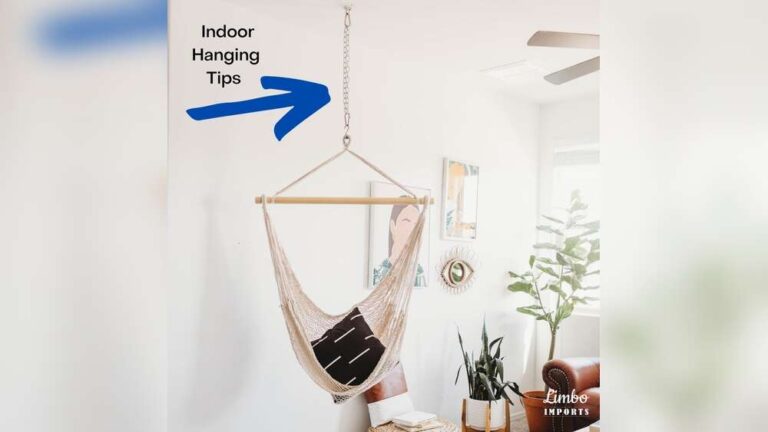
- Hammock chairs hang from a single point and are great for porches or rooms.
Why does this matter? Because the weight, shape, and hanging style change how and where you should attach your hammock. If you use the wrong method, you could stress the fabric, damage your trees, or make your hammock unsafe.
Choosing The Right Spot
A good hammock spot is more than just two trees. You need to think about safety, comfort, and your surroundings. Here’s what I look for every time:
Distance And Height
The most common mistake people make is picking points that are too close or too far. For most hammocks, you want 10–15 feet between the two anchor points. The hooks or straps should be about 4–6 feet above the ground.
If your points are farther apart, you’ll need to hang the hammock higher and use longer straps.
Sturdy Support
Never hang a hammock from weak or dying trees. Look for trees at least 6 inches in diameter. For posts or walls, make sure they’re solid and not cracked. If you’re inside, use wall studs, not just drywall. I once tried to hang a hammock from a thin pine tree in my yard.
The tree bent, and I ended up on the ground (and learned a valuable lesson about tree strength! ).
Safety And Comfort
Avoid hanging your hammock over sharp rocks, hard pavement, or slopes. If you fall out, you want soft grass or dirt beneath you. Check for things above and around you, like branches, wires, or insects. Think about the view, sun exposure, and wind.
Is it a quiet spot where you’ll enjoy relaxing?
Tools And Hardware You’ll Need
Hanging a hammock isn’t complicated, but the right gear makes it safe and easy. Here’s a quick list:
- Hammock straps – These are wide, flat straps designed not to hurt trees. They’re easy to adjust and very strong.
- Carabiners – Metal clips for attaching the hammock to straps or hooks.
- S-hooks or J-hooks – Useful if you’re attaching to eye bolts or rings.
- Drill and bits – Needed if you’re installing hooks in wood or concrete.
- Stud finder – For indoor setups, this helps find strong wood behind walls.
- Measuring tape – To check distances and heights.
- Level – To make sure your hammock is even.
Many hammocks now come with everything you need. But if not, it’s easy to find these supplies at outdoor or hardware stores.
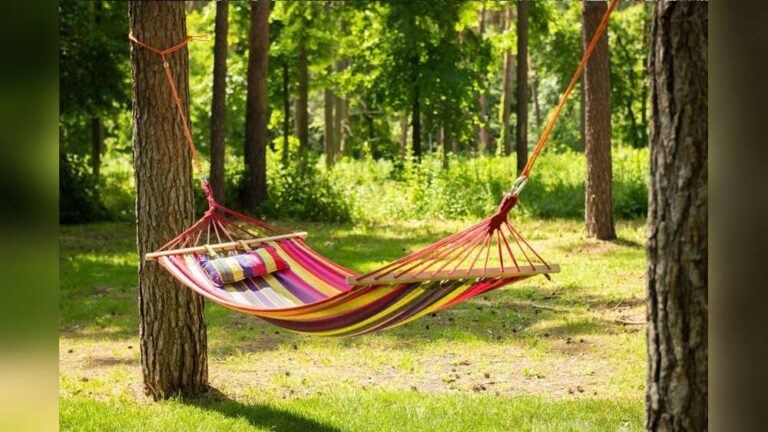
How To Attach A Hammock Between Trees
This is the classic method—two trees, one hammock, and a little bit of know-how. Done right, it’s safe for both you and the trees.
Step-by-step Guide
- Pick your trees. Make sure they’re healthy and at least 6 inches thick.
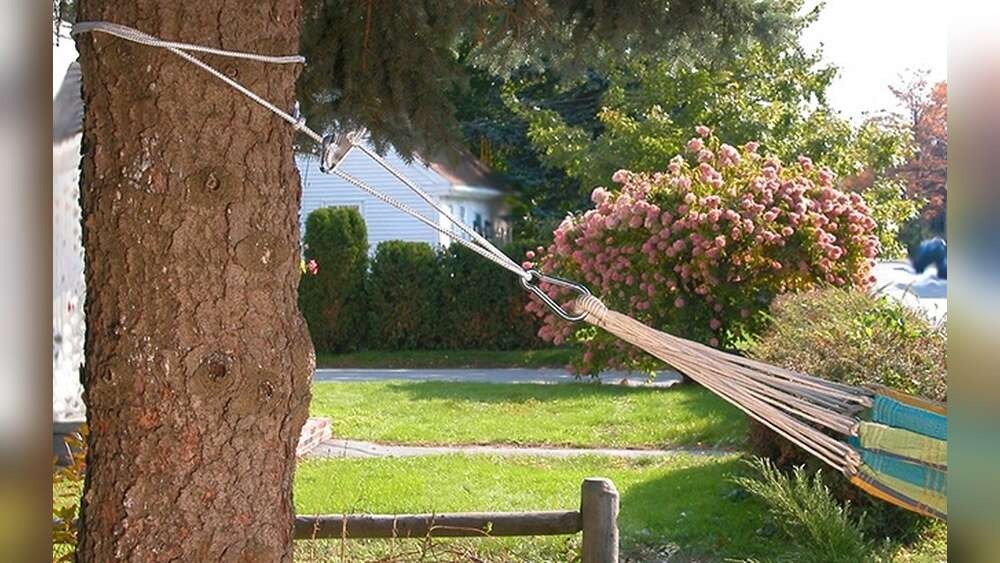
- Wrap the straps. Loop each hammock strap around a tree, about 5–6 feet high. Make sure the straps are flat and not twisted.
- Attach the hammock. Clip the hammock’s end loops to the straps using carabiners or S-hooks. Adjust the straps until the hammock hangs in a gentle curve (called a “smile”).
- Check the height. The lowest point of the hammock should be about 18 inches off the ground when you sit in it.
- Test it gently. Sit down slowly before lying back. Listen for any creaks or movement.
Why Use Straps Instead Of Rope?
Many people use ropes, but hammock straps are better for trees. They spread out the weight and don’t cut into the bark, so the tree can keep growing. In fact, some parks require tree-friendly straps.
Common Mistakes To Avoid
- Hanging the hammock too tight (it should curve)
- Using dead or damaged trees
- Wrapping thin rope around the tree (it can injure the tree)
- Setting it up too close to the ground or too high
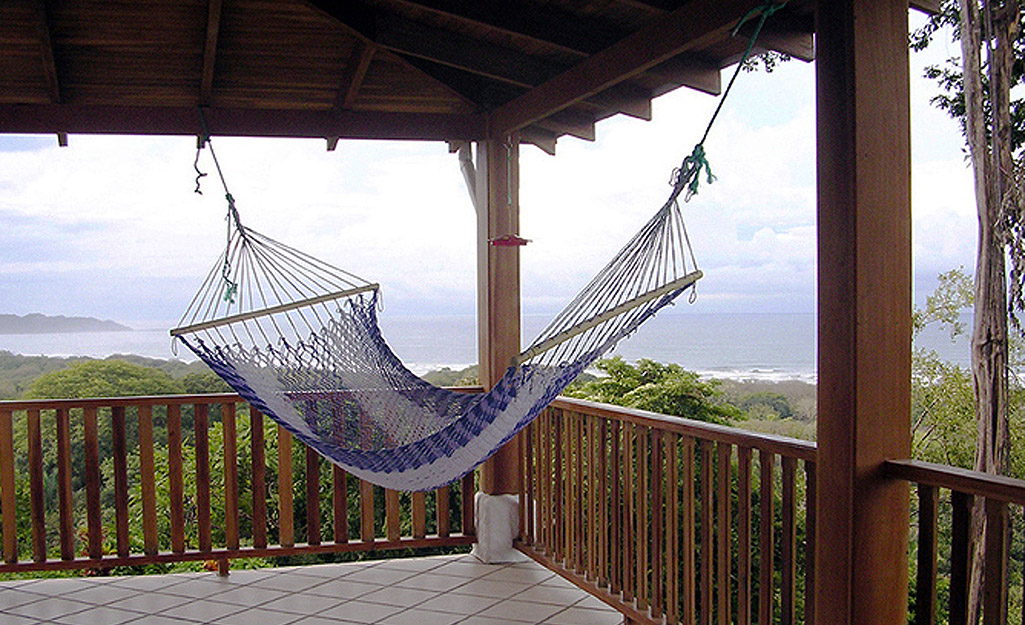
Credit: www.homedepot.com
Attaching A Hammock To Posts Or Beams
If you don’t have good trees, you can use posts, porch beams, or even install your own supports.
Installing Posts
- Measure the distance. Place your posts 10–15 feet apart.
- Dig deep holes. Each hole should be at least 2 feet deep.
- Set the posts. Use 4×4 or 6×6 posts for strength. Pour concrete around the base and let it set for 24–48 hours.
- Attach hardware. Drill holes for eye bolts or J-hooks about 4–6 feet high.
- Hang your hammock. Use carabiners or S-hooks to connect the hammock to the posts.
Porch Beams Or Ceiling Joists
Inside or on a porch, you can hang a hammock from sturdy beams.
- Find the beam. Use a stud finder to make sure it’s solid wood.
- Drill pilot holes. This prevents the wood from splitting.
- Install eye bolts. Screw them in firmly.
- Hang the hammock. Attach with carabiners or S-hooks.
Safety Tips
Never hang from weak beams or thin posts. If you’re not sure, ask a builder or use a kit made for hammocks.
Hanging A Hammock Indoors
Hammocks aren’t just for outside. They can be a fun way to relax in a living room, bedroom, or even a home office. Here’s how to set one up safely indoors.
Anchoring To Walls
- Find wall studs. Use a stud finder, since drywall alone can’t hold a hammock.
- Mark your spots. The distance should match your hammock’s length.
- Drill holes. Make sure the bit is the right size for your eye bolts.
- Install heavy-duty eye bolts. These should go deep into the wood.
- Hang the hammock. Use carabiners or strong rope.
Using A Hammock Stand
If you don’t want to drill holes, a hammock stand is a great choice. They’re easy to move and don’t damage walls.
- Make sure the stand fits your hammock’s size.
- Place it on a flat, stable floor.
- Check the weight limit (most stands hold 250–450 lbs).
My Own Experience
I once lived in a small apartment and wanted a hammock. I used a portable stand that fit right in my living room. It was simple to set up and take down, and it became my favorite reading spot. No drilling, and no angry landlord!
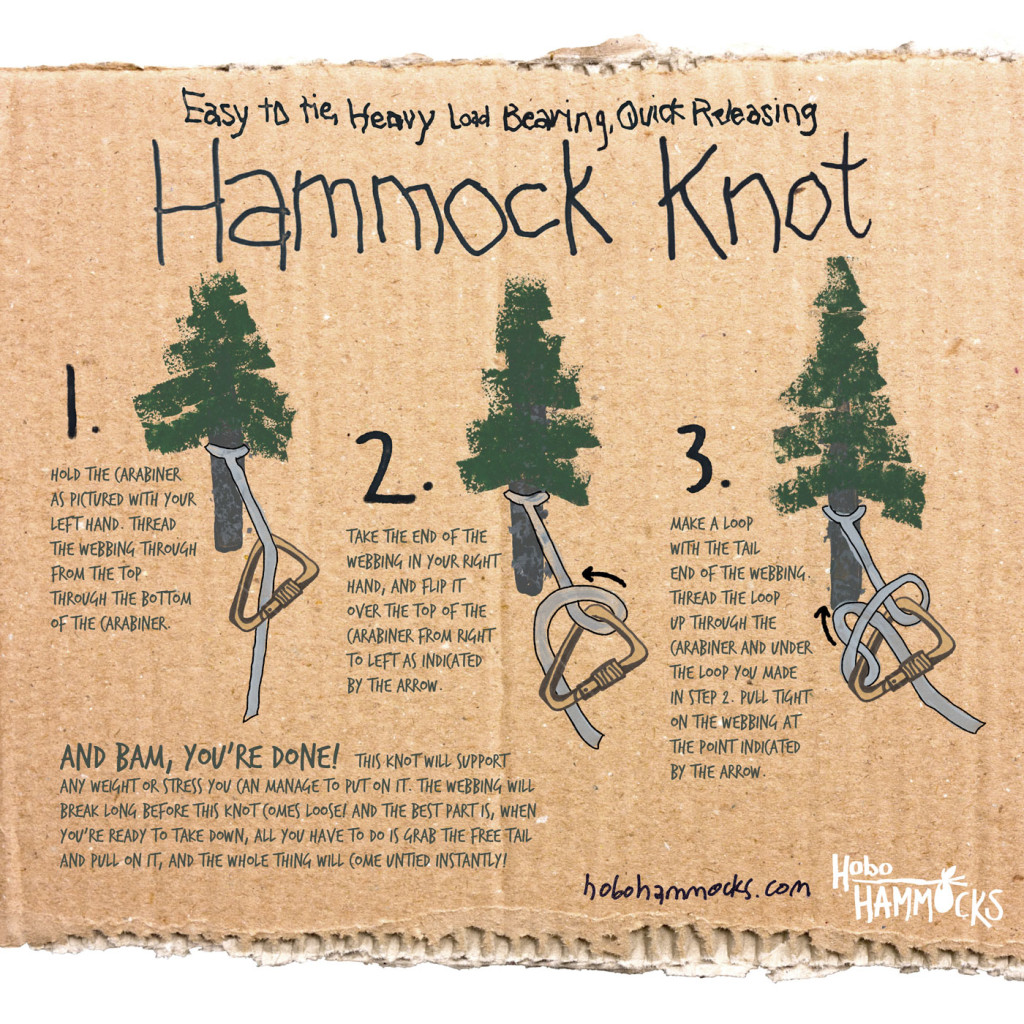
Credit: hobohammocks.com
Hammock Hardware Compared
Different hanging methods use different hardware. Here’s a quick look at how they compare:
| Hardware Type | Best For | Pros | Cons |
|---|---|---|---|
| Tree Straps | Outdoor trees | Tree-friendly, adjustable, easy setup | May not fit very small trees |
| Rope | Traditional setups | Lightweight, cheap | Can damage trees, less adjustable |
| Eye Bolts | Walls, posts, beams | Strong, permanent | Requires drilling, not portable |
| Carabiners | Quick connections | Easy to use, strong | Adds weight to setup |
| Hammock Stand | Indoors or patios | Portable, no installation | Bulky, cost |
Adjusting Your Hammock For Comfort
Even if your hammock is hanging, a few tweaks can make it much more comfortable. Here are some things I do every time:
Get The Right Sag
A hammock should hang in a gentle curve, not flat and tight. This curve is called the “smile. ” It supports your back and makes it easy to get in and out. If it’s too tight, it’s hard to balance and puts pressure on your body.
Ideal Hanging Angle
The best angle for the straps is about 30 degrees from the ground. This reduces stress on the anchors and makes the hammock stable.
Test And Adjust
Before you relax, always test your setup. Sit gently, then lie back. If your feet are much higher or lower than your head, adjust the straps. If the hammock sags too much, raise the attachment points.
Adding Accessories
- Bug net – For outdoor hammocks, especially in summer.
- Rain tarp – Keeps you dry if you’re camping.
- Underquilt or blanket – Adds warmth if it’s chilly.
Common Problems And How To Fix Them
Even with good instructions, things can go wrong. Here’s how to solve some of the most common issues:
Hammock Is Too Low
If your hammock sags near the ground when you sit in it, try:
- Raising the straps or hooks higher on the tree or post
- Using shorter straps or less rope
- Moving the anchor points closer together
Hammock Is Too Tight
A tight hammock is uncomfortable and hard to balance. Loosen the straps or use longer ones. Check that the distance between points isn’t too long for your hammock.
Uneven Hanging
If one side feels higher, check that both anchor points are the same height. Use a level if needed.
Damaged Hardware Or Fabric
Always inspect your hammock, straps, and hardware before use. Look for frayed fabric, rusted carabiners, or bent hooks. Replace anything that looks weak.
Weather And Outdoor Tips
If you hang your hammock outside, weather matters. Here are a few things I’ve learned from years of backyard relaxing and camping trips:
- Bring your hammock inside if you expect heavy rain or strong wind. Even waterproof fabric wears out over time.
- Avoid hanging your hammock under fruit trees, as falling fruit can stain or damage the fabric.
- Clean your hammock every few weeks, especially after outdoor use. Use mild soap and let it dry completely before storing.
Hammock Safety
Hammocks are very safe if you follow a few simple rules. But accidents can happen if you ignore safety tips.
- Never exceed the weight limit of your hammock or hardware.
- Always check for signs of wear before using.
- Don’t swing wildly or jump into the hammock.
- Make sure children use hammocks with supervision.
- Don’t hang your hammock higher than you’re willing to fall.
Comparing Indoor And Outdoor Hammock Setups
It’s helpful to see how setups differ for inside and outside. Here’s a side-by-side look:
| Feature | Indoor Hammock | Outdoor Hammock |
|---|---|---|
| Anchor Points | Wall studs, ceiling beams, stands | Trees, posts, stands |
| Weather Impact | None (protected) | Rain, sun, wind, bugs |
| Installation | Drilling, stand setup | Straps, rope, stands |
| Comfort Add-ons | Pillows, blankets | Bug net, tarp, underquilt |
| Portability | Usually fixed | Often portable |
Mistakes Beginners Often Make
After helping friends and family hang hammocks, I’ve noticed some common beginner mistakes. Here’s what to watch out for:
- Using thin rope on trees. This can damage bark and even kill the tree over time. Always use wide straps.
- Ignoring weight limits. Check the labels on your hammock and hardware.
- Picking weak support. Never use a small tree, thin post, or weak beam.
- Hanging too tight or too flat. The hammock should curve, not stretch flat.
- Drilling into drywall. Wall anchors must go into solid wood.
- Forgetting to test first. Always sit gently the first time, just in case.
- Leaving hammocks outside in bad weather, which can weaken fabric and hardware.
How To Attach A Hammock Chair
A hammock chair hangs from a single point, like a ceiling beam or a strong tree branch. Here’s how to do it right:
- Find a strong beam or branch. It must support your weight.
- Drill a pilot hole (for indoor setups).
- Install a heavy-duty eye bolt or hanging kit.
- Attach the hammock chair with a carabiner or included hardware.
- Test gently. Sit down slowly to check stability.
Hammock chairs are great for reading or working, but always follow the weight limit and check your hardware.

Credit: www.wikihow.com
Environmental Impact
It’s easy to forget that hammocks can harm trees if not hung right. Wide straps protect the bark and allow the tree to keep growing. Avoid using nails or screws directly in trees, which can cause lasting damage. Always follow local rules—some parks only allow certain types of straps or ban hammocks on small trees.
If you want to learn more about tree safety and hammock straps, check out the guidelines from the National Park Service.
Expert Tips For The Best Hammock Experience
After many years of hammock use, here are a few expert tips I’ve picked up:
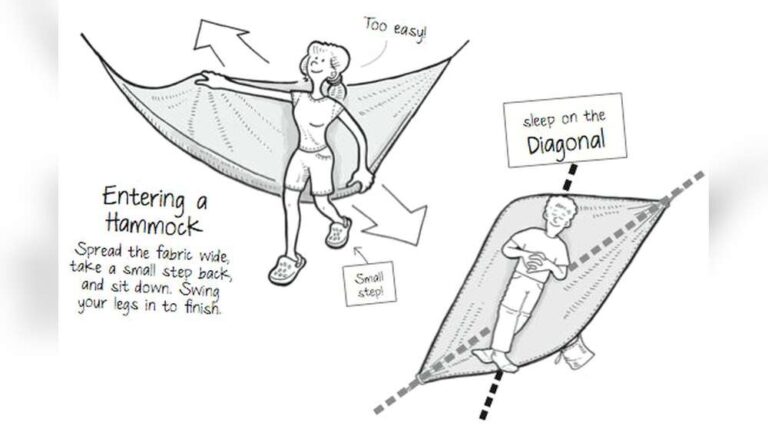
- Lay diagonally in your hammock. This flattens your body and makes it much more comfortable.
- Use a pillow or rolled towel under your knees or neck for support.
- Keep a small bag or pocket nearby for your phone, book, or water.
- Practice setup at home before camping. You don’t want surprises in the woods!
- Take down your hammock when not in use to protect it from sun and rain.
Frequently Asked Questions
What Is The Safest Way To Attach A Hammock To Trees?
The safest way is to use tree-friendly hammock straps at least 1 inch wide. Wrap them around healthy trees at least 6 inches thick and fasten your hammock with strong carabiners. Avoid ropes, which can cut into bark and damage trees.
Can I Hang A Hammock In My Apartment?
Yes, but only if you use wall studs or a portable hammock stand. Never drill into drywall alone. A stand is the easiest and safest option if you can’t find studs or don’t want to make holes.
How Much Weight Can A Hammock Hold?
Most hammocks hold between 250 and 450 pounds. Always check the labels on your hammock and hardware. Never exceed the lowest weight limit in your setup.
What Is The Ideal Distance Between Hammock Supports?
For most hammocks, 10 to 15 feet is ideal. If your supports are farther apart, you’ll need longer straps and should hang your hammock higher to get the right curve.
How Do I Keep My Hammock From Flipping Over?
Make sure your hammock hangs with a gentle sag. Sit down in the middle and lie diagonally for better balance. Avoid swinging wildly or making sudden movements, especially when getting in or out.
Relaxing in a hammock can be one of life’s simple joys. With the right setup, you’ll have a safe, comfortable spot to unwind—indoors or outdoors. Take your time choosing the best spot and hardware, and always put safety first. With these tips and a little practice, you’ll soon be a hammock pro.

Zayden Halbrook is a travel enthusiast and gear researcher passionate about making every journey smoother and more enjoyable. With a keen eye for practical travel essentials and real-world tips, he helps readers choose the right gear and travel smarter. When he’s not testing travel kits or exploring new destinations, Zayden shares simple, reliable advice to make every trip stress-free.