Organizing a golf bag might seem simple, but doing it well can change your whole game. If you have ever struggled to find a club or fumbled for a tee just before a big shot, you know how much a messy bag can cost you.
I’ve played golf for more than 15 years, and I’ve caddied for local tournaments. I’ve seen how well-organized bags help golfers play with more focus and less stress. Whether you’re new to golf or have played for years, learning how to arrange your clubs, balls, and gear the right way makes a huge difference.
In this guide, I will walk you through every step of organizing a golf bag. You’ll learn how to sort your clubs, where to put each item, and how to keep your bag tidy even during a fast round. I’ll also share some practical tips and a few lessons I learned the hard way.
By the end, you’ll have a golf bag that saves you time, feels lighter, and helps you play your best.
Why Organizing Your Golf Bag Matters
Some people think any bag will do, but the truth is, a messy golf bag slows you down. You might lose strokes when you can’t find your rangefinder or pick the wrong club because you’re rushing. On hot days, searching for a water bottle or towel in a cluttered bag is even more frustrating.
An organized bag also protects your gear. Clubs clanking together can get scratched or even bent. If your valuables are loose, things can break or go missing. Plus, golf is a mental game. When your equipment is in order, your mind stays clear and focused.
Know Your Golf Bag: Types And Parts
Before we start organizing, it helps to know your bag’s layout. Most bags fall into three types:
- Carry bags (or Sunday bags) are small and light, with just enough space for the basics.
- Stand bags have fold-out legs and extra pockets, perfect for walking 18 holes.
- Cart bags are heavier, with many compartments, built to sit on a golf cart.
No matter the type, most golf bags have:
- Club dividers (sometimes 4, 6, or 14)
- Apparel pockets for extra clothing
- Valuables pocket (often lined with soft fabric)
- Ball pocket (usually in the front)
- Accessory loops for towels, brushes, or gloves
- Cooler pocket for drinks (in some bags)
Knowing these features helps you use every space wisely.

Credit: caddydaddygolf.com
Step 1: Empty And Clean Your Golf Bag
The first step is simple: take everything out of your bag. I like to lay clubs, balls, tees, and all accessories on the ground or a table. This is a good time to shake out dirt and wipe down pockets with a damp cloth.
Check for old scorecards, broken tees, or leaky sunscreen bottles. You might be surprised how much clutter builds up. Once, I found a half-eaten granola bar from the last season—definitely not something you want in there!
Cleaning also lets you spot damage. Look for ripped seams or broken zippers. If you fix problems now, your bag will last longer and keep your gear safer.
Step 2: Sort And Select Your Golf Clubs
Every golfer can carry up to 14 clubs. Most players bring:
- Driver
- Fairway woods (like a 3-wood or 5-wood)
- Hybrids (to replace hard-to-hit long irons)
- Irons (often 4 to 9)
- Wedges (pitching, sand, gap, lob)
- Putter
Lay all your clubs out and check for damage. Wipe the grips and faces clean. If you have extra clubs, pick the ones you use most. Remove duplicates; carrying two 7-irons just adds weight.
Sometimes I switch out a club depending on the course. For example, I might bring a driving iron on windy days or an extra wedge if there are many bunkers. Think about your own needs and adjust your set before putting clubs back.
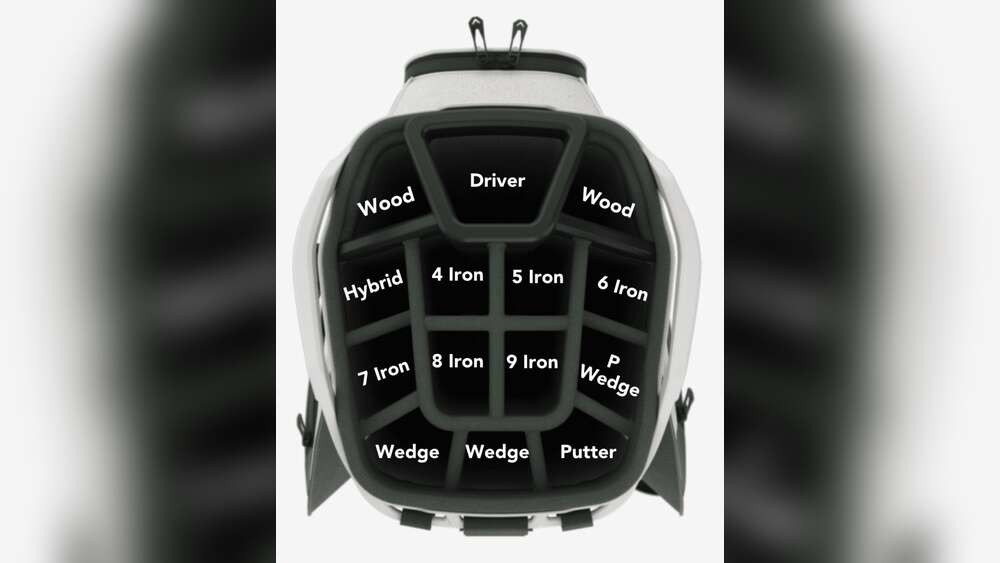
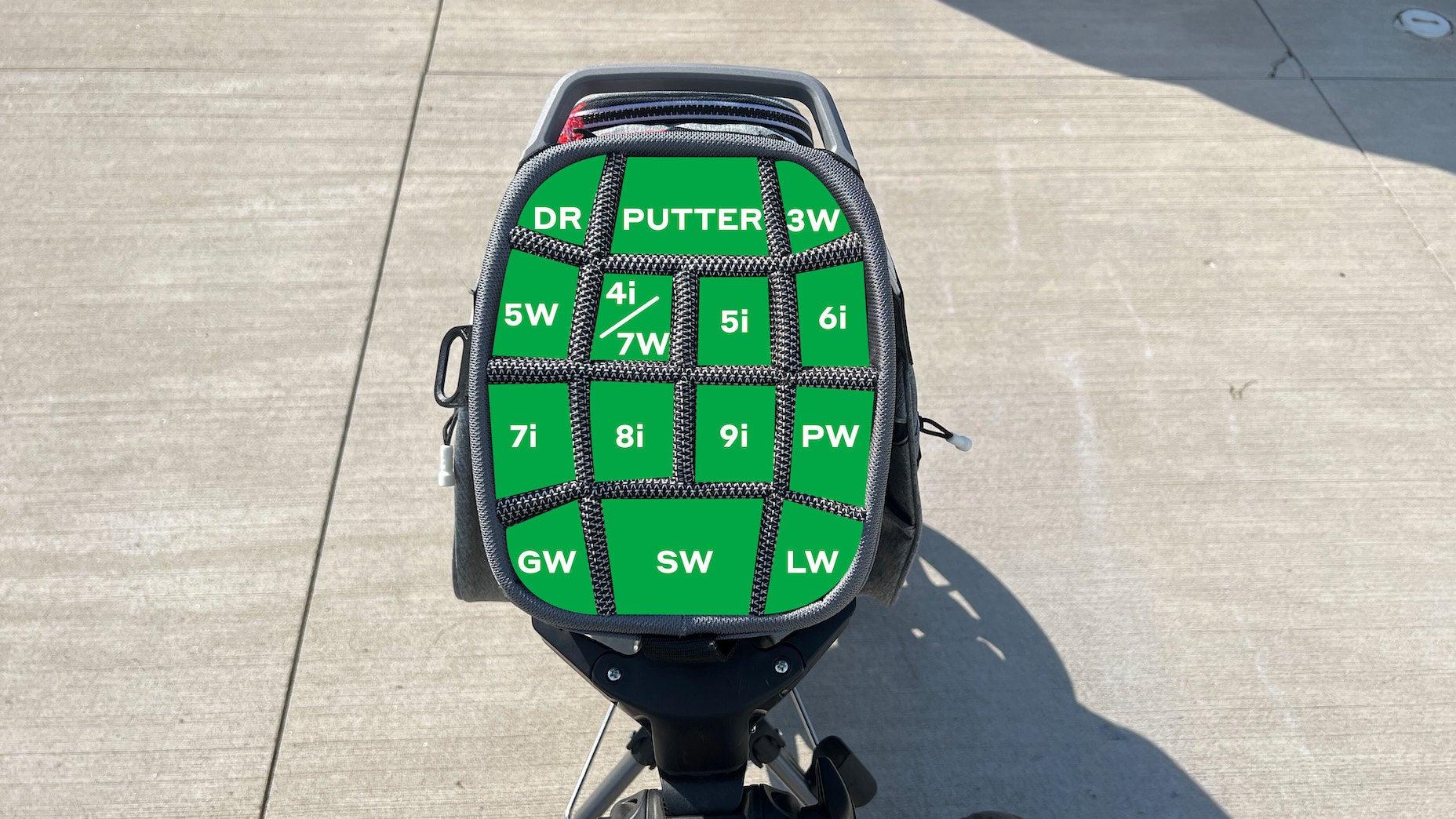
Step 3: Organize Clubs In Your Bag
Now, place clubs in your bag. The best way depends on the bag type, but here’s a system that works for most:
- Woods and driver go in the top section (closest to the straps or handle).
- Hybrids and long irons (like 3, 4, 5) go next.
- Middle irons (6, 7, 8) fill the middle slots.
- Short irons and wedges (9, pitching, sand, gap, lob) go in the lower slots.
- Putter usually has its own slot or goes in the bottom.
If your bag has 14 dividers, put one club in each slot. If not, group similar clubs together, but never cram them so tight that they scrape each other.
I once played a round with a friend whose clubs were mixed up—his putter was at the top, and his driver was buried. He spent half the day looking for the right club and lost his rhythm. Keeping clubs sorted from longest to shortest helps you grab the right one every time.
Club Layout Example
Here’s a quick visual example for a 14-way divider bag:
| Top Row | Middle Row | Bottom Row |
|---|---|---|
| Driver, 3-wood, 5-wood | 4-iron, 5-iron, 6-iron, 7-iron, 8-iron | 9-iron, PW, GW, SW, LW, Putter |
Step 4: Arrange Golf Balls, Tees, And Small Accessories
After clubs, the next most-used items are balls and tees.
- Golf balls should be in the front or side pocket for easy reach. Bring at least 6-9 balls for a normal round; more if you often hit into water or woods.
- Tees go in a small pocket or a tee holder, if your bag has one. Bring a mix of long and short tees for drivers and irons.
- Ball markers and divot tools are small but important. Place them in a shallow pocket or a valuables pouch so you don’t lose them.
One tip: Don’t overload the ball pocket. Heavy bags are tiring. I used to carry a dozen balls every round, just in case. Now I only bring what I need and keep my bag lighter.
Step 5: Store Apparel And Weather Gear
Weather can change fast on the course. Most bags have one or two big side pockets for clothing.
- Rain jacket or windbreaker should go at the bottom of the largest pocket.
- Extra gloves and a spare hat or visor can be rolled up and placed on top.
- If you play in cold weather, tuck a pair of hand warmers or a beanie inside.
Try to keep these items folded and in a plastic bag to stay dry. If you sweat a lot, bring a fresh shirt for after the round.
Step 6: Use The Valuables Pocket Wisely
This pocket is usually lined with soft material to protect items. Only store essentials:
- Wallet
- Keys
- Phone
- Watch or jewelry (if you take them off to play)
Never keep loose change or sharp objects here—they can scratch your phone. I once forgot my keys in the main pocket and spent 20 minutes digging for them in the parking lot. Since then, I always use the valuables pocket.
Step 7: Organize Snacks, Drinks, And Health Items
Staying fueled is key, especially for long rounds.
- Put a water bottle or sports drink in the cooler pocket, if your bag has one.
- Store snacks like energy bars, trail mix, or fruit in a sealed bag. Keep these away from balls and tees to avoid messes.
- Bring sunscreen, lip balm, and a small pack of tissues or wipes.
If you have allergies or health needs, keep medication in a spot you can reach quickly.
Step 8: Attach Towels, Brushes, And Rangefinders
Most bags have rings or hooks for accessories.
- Golf towel: Clip it to a ring near the handle for quick access.
- Brush: Attach it next to the towel, so you can clean your clubs after each shot.
- Rangefinder or GPS: Use a secure clip or case. Never toss it loose in a pocket—it can break.
On wet days, bring an extra towel and hang it on the outside to keep it handy.
Credit: golf.com
Step 9: Keep Your Bag Light And Balanced
Carrying too much makes walking tiring. Try to keep your bag under 25 pounds. Weigh it at home if you’re not sure.
Here are some things you can remove:
- Old scorecards
- Extra umbrellas (one is enough)
- Broken or worn-out gloves
- Outdated yardage books
A lighter bag saves energy and prevents back pain. I once carried a bag loaded with “just-in-case” gear for 18 holes. My shoulders hurt for days. Now I bring only what I use.
Step 10: Check And Re-organize Often
Golf bags get messy over time. Every few rounds, empty your bag and repeat these steps. Look for broken zippers, lost items, or gear you no longer need. I keep a small checklist in my phone to remind me what to pack.
Staying organized becomes a habit. You’ll spend less time searching for things and more time enjoying your round.
Common Mistakes When Organizing A Golf Bag
It’s easy to get things wrong at first. Watch out for these mistakes:
- Overpacking: Carrying too many balls, clubs, or clothes only adds weight.
- Mixing up club order: This slows you down and can damage clubs.
- Forgetting weather gear: Even if it’s sunny, always pack a rain jacket or umbrella.
- Storing wet items: Wet gloves or towels cause mold and smells.
- Loose valuables: Phones or keys bouncing in a big pocket can break.
Learning from these mistakes will help you set up your bag perfectly.
Tips For Special Situations
Walking Vs. Riding
- If you walk, balance your bag so the weight is even. This prevents shoulder pain.
- For cart bags, put heavier items on the cart side for stability.
Playing In Tournaments
- Double-check for all required clubs and accessories before the round.
- Pack extra tees, gloves, and a rule book if the event has strict guidelines.
Traveling With Your Golf Bag
- Remove valuables before checking your bag at the airport.
- Use a travel cover to protect clubs.
- Keep a checklist so nothing gets left behind.
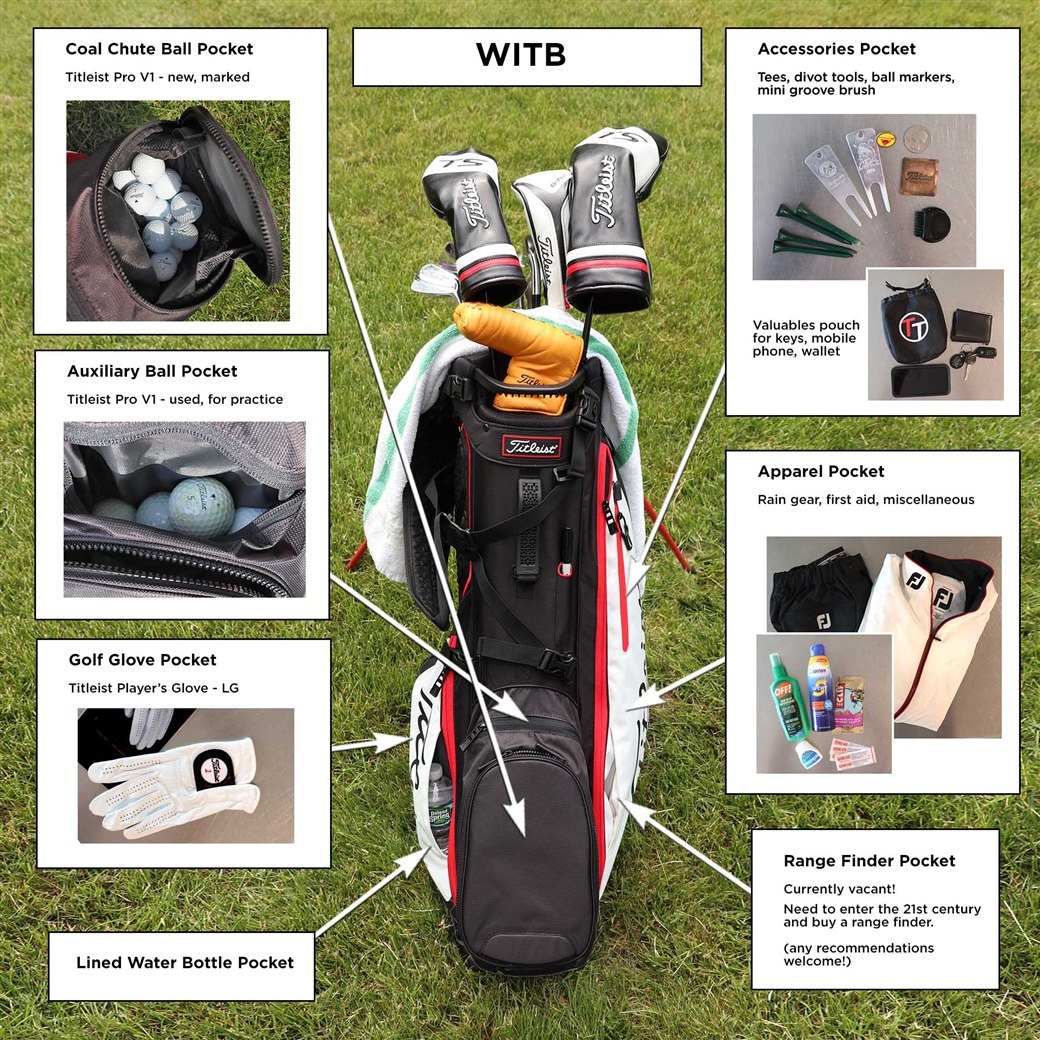
Credit: www.titleist.com
Advanced Tips For Perfect Golf Bag Organization
After years of playing, I’ve picked up some expert tricks that most beginners miss:
- Use small zipper bags to separate sunscreen, snacks, and first-aid items.
- Mark your balls and tees with a colored dot for quick ID.
- Keep a small notebook to track swing thoughts or yardages.
- Bring a sharpie to mark balls on the course.
- Rotate gloves during play—wet gloves lose grip fast.
You can also use custom club labels or tags. These help you grab the right club even if you’re in a hurry or distracted.
Example: My Personal Golf Bag Setup
Here’s how I set up my own bag for a typical round:
- Top section: Driver, 3-wood, 4-hybrid
- Middle section: 5-iron through 9-iron
- Bottom section: Pitching wedge, sand wedge, lob wedge, putter (in the separate putter well)
- Ball pocket: 8 balls (usually Titleist Pro V1), 10 long tees, 5 short tees, 2 ball markers, divot tool
- Side pocket: Rain jacket, extra glove, energy bar, sunscreen
- Valuables pocket: Wallet, car keys, phone (in a soft pouch)
- Accessory ring: Golf towel, brush, rangefinder case
This setup took me a few years to perfect. I now lose fewer balls, my clubs stay safe, and I play with less stress. The key is to keep things simple and only pack what you need.
Comparison: Cart Bag Vs. Stand Bag Organization
Here’s a quick look at how the layout and packing priorities change:
| Feature | Cart Bag | Stand Bag |
|---|---|---|
| Weight | Heavier (7-10 lbs empty) | Lighter (3-6 lbs empty) |
| Number of Pockets | More (up to 12) | Fewer (5-8) |
| Club Dividers | Usually 14-way | 4-6 way |
| Best for | Riding carts, lots of gear | Walking, light gear |
If you walk often, a stand bag saves energy. If you ride or carry lots of equipment, a cart bag keeps things more organized.
Data: What Golfers Pack Most
To see how your setup compares, here’s what most amateur golfers carry, based on a survey by the National Golf Foundation:
| Item | % of Golfers Packing |
|---|---|
| Driver | 98% |
| Fairway Woods | 85% |
| Hybrids | 60% |
| Irons | 100% |
| Wedges | 95% |
| Putter | 100% |
| Rangefinder/GPS | 70% |
| Gloves | 98% |
| Rain Gear | 45% |
| Snacks/Drinks | 65% |
You don’t have to bring everything, but knowing what most golfers pack can help you decide.
Final Thoughts
A well-organized golf bag is more than just neat—it makes your game smoother and your day more enjoyable. After years on the course, I can say that a tidy bag makes a real difference. You’ll play faster, avoid lost gear, and stay focused on your shots.
Start by emptying your bag, then sort, clean, and place every item with care. With a little effort, you can set up your golf bag like a pro and enjoy every round more.
If you want to see how professionals organize their bags, you can check guides from the USGA for extra tips.
Frequently Asked Questions
How Many Clubs Can I Carry In My Golf Bag?
Golf rules say you can carry up to 14 clubs during a round. If you bring more and use them, you could get a penalty. Choose the clubs that fit your game and the course.
Where Should The Putter Go In My Bag?
The putter should go in its own slot if your bag has one, usually at the bottom. If not, keep it with your wedges. This prevents damage and makes it easy to grab.
How Do I Keep My Golf Bag From Getting Too Heavy?
Remove anything you don’t use often, like extra balls, old gear, or too many clothes. Try to keep your bag under 25 pounds for comfort, especially if you walk.
What Is The Best Way To Organize A Stand Bag?
Put the driver and woods at the top, irons in the middle, wedges and putter at the bottom. Use pockets for balls, tees, and gear. Keep heavy items low for better balance when walking.
How Often Should I Clean And Organize My Golf Bag?
Check your bag every few rounds. Clean out trash, broken tees, or old snacks. Re-pack your gear so you’re always ready for the next round.
With these steps, you’ll have a golf bag that’s easy to use and keeps your focus on the game—not your equipment.

Zayden Halbrook is a travel enthusiast and gear researcher passionate about making every journey smoother and more enjoyable. With a keen eye for practical travel essentials and real-world tips, he helps readers choose the right gear and travel smarter. When he’s not testing travel kits or exploring new destinations, Zayden shares simple, reliable advice to make every trip stress-free.