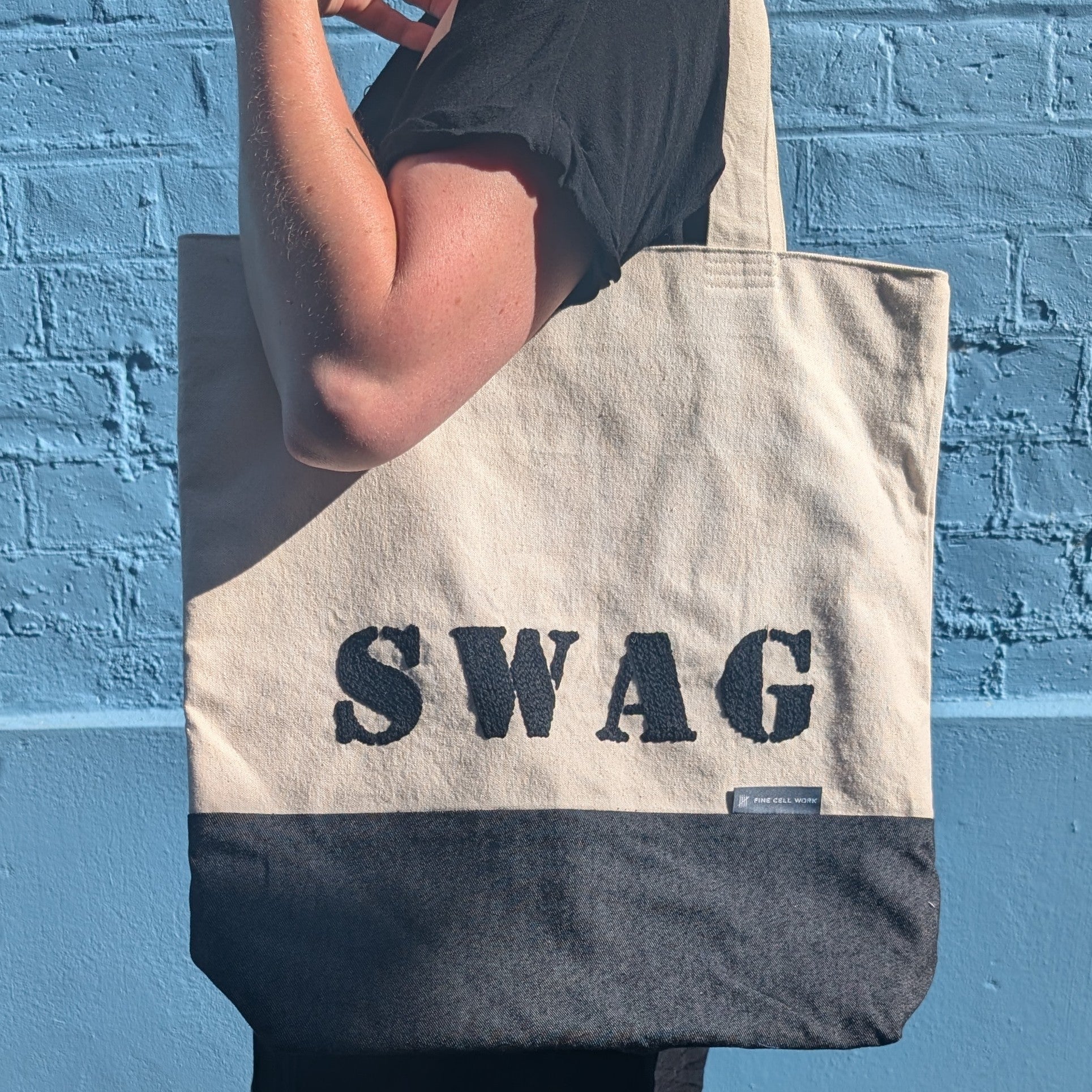
A swag bag is a gift bag filled with useful, branded, or fun items for event guests, customers, or employees.
The meaning of what is a swag bag goes beyond a free giveaway. A well-planned bag can welcome guests, promote a brand, support event goals, and create a lasting memory. This guide explains what belongs in a swag bag, why companies use them, how much they cost, and how to create one people will truly enjoy.
What Is a Swag Bag?
A swag bag is a collection of promotional products and small gifts given to people at an event or special occasion. The word “swag” usually refers to branded merchandise, while the bag holds and presents those items.
Swag bags are common at:
• Conferences and trade shows
• Company meetings
• Product launches
• Award ceremonies
• Weddings and private parties
• Charity events
• College events
• Music festivals
• Influencer and media events
• Employee welcome programs
A typical swag bag may include a T-shirt, water bottle, notebook, pen, snack, sticker, discount code, or product sample. Some bags contain only a few simple items. Others are carefully designed gift sets with premium products.
The best swag bag feels like a thoughtful welcome gift, not a pile of advertisements. It should match the event, the audience, and the brand.

Why Do Companies Give Swag Bags?
Companies use swag bags to build goodwill and keep their brand visible. A useful item can remain in a person’s home, office, car, or travel bag for months. This gives the brand more exposure than a flyer that may be thrown away after one day.
A swag bag can also help an event feel more organized and welcoming. When guests receive a gift at check-in, they get something useful right away. The bag can hold event materials, a schedule, a name badge, and other items.
Common business goals include:
• Creating a positive first impression
• Increasing brand awareness
• Thanking customers, speakers, or employees
• Encouraging social media sharing
• Supporting a product launch
• Making an event more memorable
• Helping guests use the event or venue
• Strengthening relationships with partners
There is also a social benefit. A carefully chosen gift can make people feel seen and valued. That emotional response often matters more than the price of the item.
However, branded merchandise works best when it offers real value. Research on promotional products has repeatedly found that useful items tend to create stronger brand recall than items with little practical purpose. The lesson is simple: usefulness beats clutter.

What Goes in a Swag Bag?
The contents of a swag bag depend on the event and its audience. A business conference may need practical office items, while a wedding bag may include snacks, sunscreen, and local treats.
Here are popular swag bag ideas:
Useful Everyday Items
These items have a good chance of being used often:
• Reusable water bottles
• Tote bags
• Travel mugs
• Notebooks
• Pens
• Phone stands
• Cable organizers
• Portable chargers
• Hand sanitizer
• Luggage tags
Comfort and Wellness Items
Wellness products can make a swag bag feel more personal:
• Lip balm
• Hand cream
• Sleep masks
• Small candles
• Herbal tea
• Healthy snacks
• Resistance bands
• Cooling towels
• Eye masks
• Stress balls
Food and Drink
Food adds warmth and local character to a gift bag. Consider:
• Chocolate
• Cookies
• Granola bars
• Coffee
• Tea
• Local honey
• Popcorn
• Trail mix
• Bottled water
• Regional specialties
Check for allergies and dietary needs before adding food. Clearly label ingredients when possible.
Branded Clothing
Clothing can work well, but sizing creates a common problem. If you include apparel, consider:
• Offering several sizes
• Choosing relaxed or unisex styles
• Using socks, caps, or scarves
• Allowing guests to select a size online
• Avoiding low-quality fabric
A shirt that fits well can become a favorite item. A shirt that does not fit may never leave the closet.
Event and Brand Materials
A swag bag may also include items that support the event:
• Printed schedules
• Event maps
• Discount codes
• Product samples
• QR codes
• Business cards
• Sponsor information
• Workshop guides
• Local attraction coupons
Keep promotional materials limited. Guests usually appreciate one useful card more than ten sales flyers.

Types of Swag Bags
There is no single correct type of swag bag. The right design depends on the audience, event format, and desired result.
Conference Swag Bag
Conference bags often include a tote, notebook, pen, badge holder, water bottle, and event guide. These items help attendees move through a busy day.
A conference swag bag should be light and easy to carry. Guests may already have laptops, documents, and personal belongings with them.
Trade Show Swag Bag
Trade show bags often contain product samples, catalogs, discount offers, and branded gifts. The goal is to help visitors remember a company after they leave the show floor.
Avoid filling a trade show bag with large or heavy items. Visitors may collect several bags, so compact products are more likely to be kept.
Employee Swag Bag
An employee swag bag can welcome a new team member or celebrate an achievement. It may include company clothing, a mug, desk supplies, snacks, and a personal note.
Employee gifts should feel less like advertising and more like appreciation. A handwritten message can add more meaning than another logo item.
Wedding Swag Bag
Wedding welcome bags often contain items for guests staying at a hotel or traveling from another city. Popular choices include:
• Water
• Snacks
• Pain relievers
• Mints
• Local guides
• Itinerary cards
• Sunscreen
• Small keepsakes
A wedding swag bag can reflect the couple’s story, hometown, or shared interests.
Virtual Event Swag Bag
Online events can also use swag bags. Organizers may mail a physical package before the event or offer a digital version.
A virtual swag bag could include:
• Digital coupons
• Downloadable guides
• Online courses
• E-books
• Gift cards
• Product trials
• Virtual event backgrounds
• Charitable donation options
Send physical bags early. Delayed delivery can reduce the impact of the opening session.

How to Make a Swag Bag People Want
A strong swag bag starts with the guest, not the logo. Ask what people will need, use, or enjoy during and after the event.
Follow these steps:
-
Define the event goal. Decide whether the bag should welcome guests, promote a product, thank employees, or support a sales campaign.
-
Learn about the audience. Consider age, profession, location, interests, accessibility needs, and likely travel habits.
-
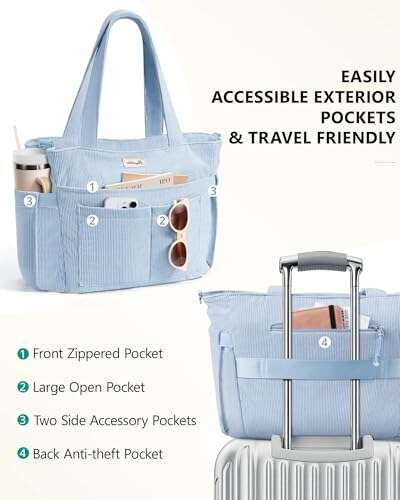
Choose a useful container. A tote, backpack, pouch, box, or reusable case may work better than a thin plastic bag.
-
Select a small number of strong items. Three useful products are often better than ten cheap products.
-
Match the items to the event. A beach event needs different products from a technology summit.
-
Add a personal touch. Include a note, local item, custom message, or product selected for the recipient.
-
Check quality before ordering. Request samples and test zippers, printing, fabric, batteries, and packaging.
-
Plan the packing process. Sort items early and create a simple checklist to prevent missing products.
-
Make access easy. Place the most useful item near the top and avoid excessive wrapping.
-
Measure the results. Track feedback, QR scans, coupon use, social posts, or repeat purchases.
A practical lesson from event planning is that the smallest details often cause the biggest problems. Bags may arrive late, items may not fit, or a printed QR code may fail. A test run can prevent these issues.