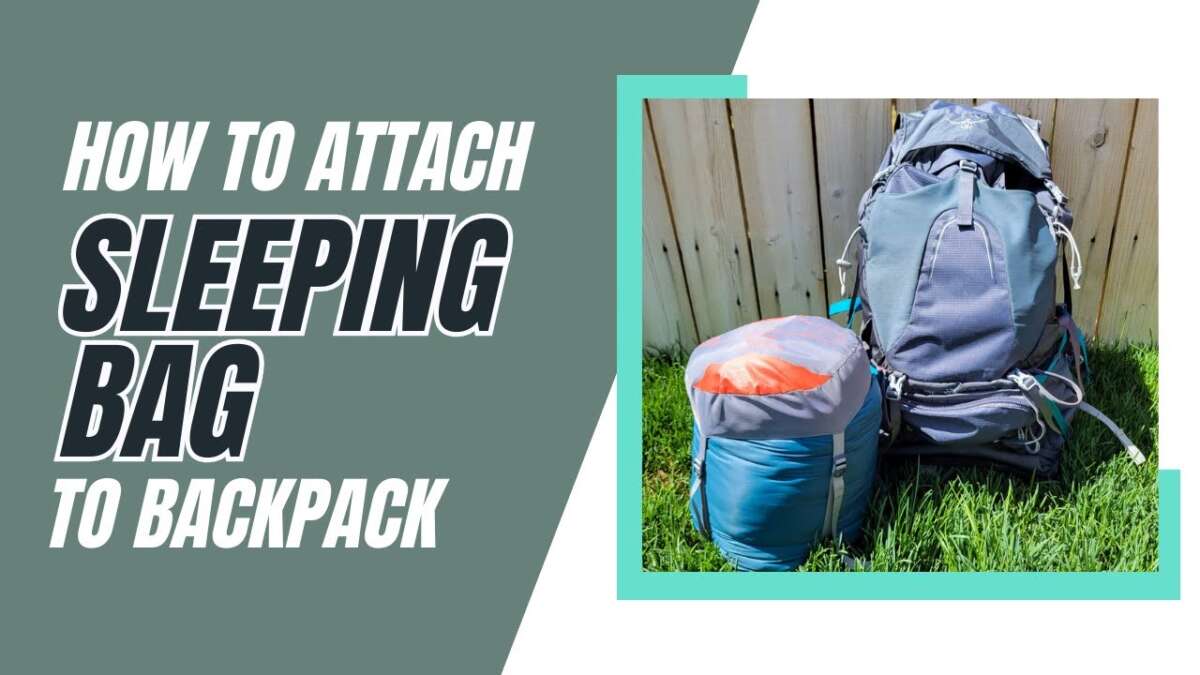
Attach your sleeping bag to a backpack using compression straps, a sleeping bag compartment, or a waterproof pack liner.
Knowing how to attach sleeping bag to backpack can make a long hike feel far easier. A secure setup protects your sleeping bag from rain, keeps your pack balanced, and frees space for food, water, and warm layers. This guide explains the best methods for different backpack designs, along with simple field tips that help prevent common mistakes.
Why Proper Sleeping Bag Attachment Matters
A sleeping bag is light, soft, and bulky. That makes it awkward to pack unless you give it a clear place in or on your backpack. If it shifts during a hike, it can pull your body backward or make the pack sway from side to side.
Learning how to attach sleeping bag to backpack also protects your insulation. Down and synthetic fill both lose warmth when wet. Down is especially sensitive to moisture, while synthetic fill usually dries faster and keeps more warmth when damp.
A good setup should meet four goals:
• Keep the sleeping bag dry
• Keep the load close to your back
• Prevent movement while walking
• Avoid damage to the bag or backpack
The safest option is often to carry the sleeping bag inside the backpack. External attachment works well when your pack has limited space, but it needs extra care in rain, brush, and rough terrain.

Best Places to Carry a Sleeping Bag
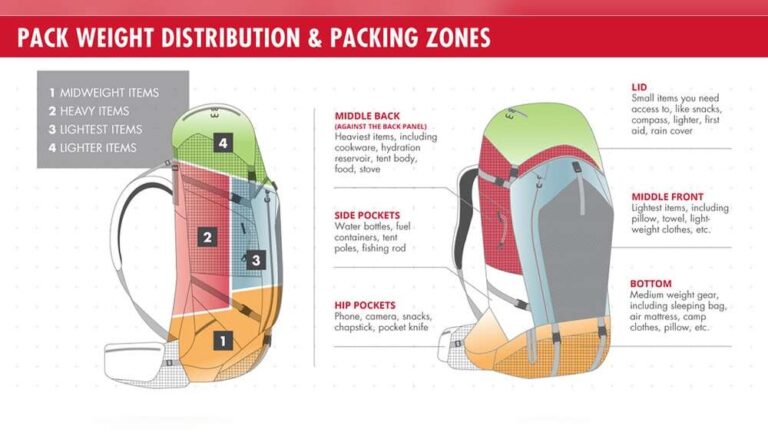
Most backpacks offer three practical storage areas: the main compartment, a bottom compartment, or external straps. Each choice has benefits and limits.
Inside the main compartment
This is the most secure location. Place the sleeping bag near the bottom of the pack, below items you may need during the day.
This method protects the bag from branches and helps keep the load stable. Use a waterproof stuff sack or pack liner, especially when carrying a down sleeping bag.
In the bottom sleeping bag compartment
Many hiking backpacks have a separate lower compartment. It often includes a zipper and a fabric divider. This design makes it easy to access your sleeping bag at camp.
Check the divider before loading the bag. Some dividers are strong enough for daily use, while others may not support a tightly compressed load for many seasons.
Under the backpack
Some packs have webbing straps or loops beneath the main compartment. These straps are made for lightweight gear, such as a sleeping bag, tent body, or foam pad.
This position keeps the interior open. However, the sleeping bag sits close to wet ground, mud, and sharp rocks. It must be sealed in a waterproof bag before you attach it.
On top of the backpack
The top area works for short trips or very light sleeping bags. Use the pack’s top lid or external compression straps.
Avoid placing a heavy sleeping bag high on the pack. A high load can make you feel unstable, especially when walking downhill or crossing uneven ground.
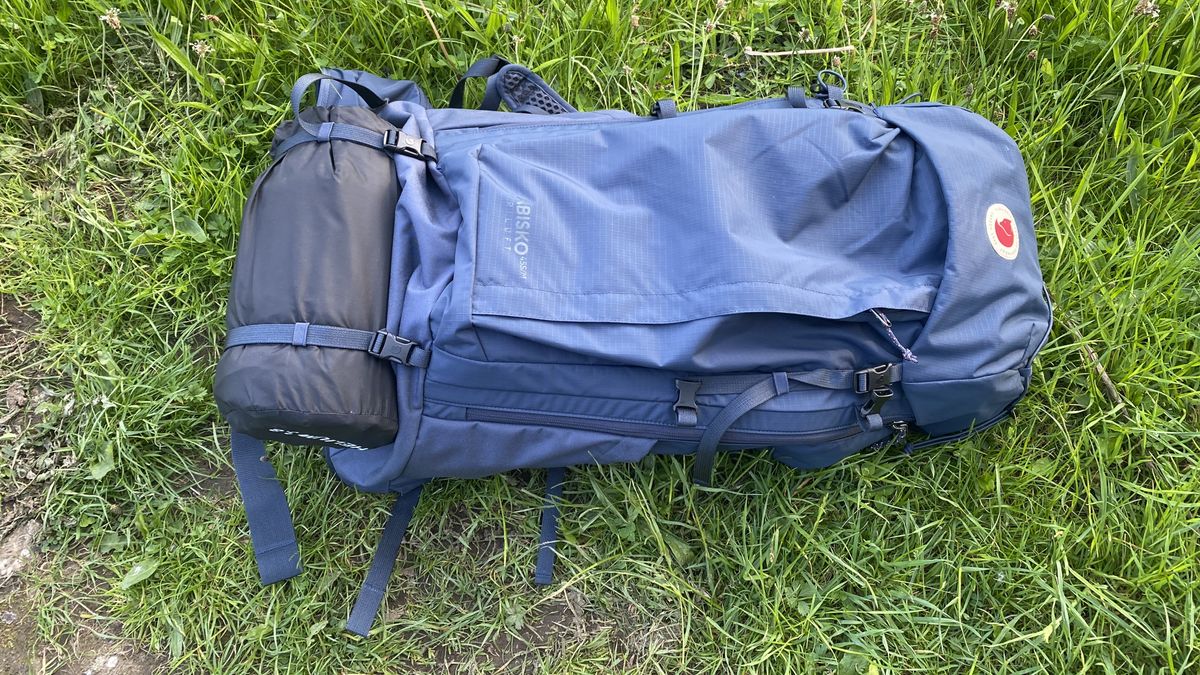
How to Attach Sleeping Bag to Backpack Step by Step
The best method depends on your backpack, but the basic process stays the same. Follow these steps before you leave home.
1. Choose a protective bag
Place the sleeping bag in a waterproof stuff sack or a large waterproof pack liner. A standard stuff sack keeps the bag compact, but it does not always provide a perfect seal.
For wet trips, use a dry bag with a roll-top closure. Make sure the bag is not so small that it crushes the insulation for long periods.
Compression sacks can save space, but do not over-compress a sleeping bag for days or weeks. Long-term compression can reduce loft and affect warmth. Store the bag loosely at home.
2. Compress the sleeping bag evenly
Push the sleeping bag into the sack foot first. Do not roll it into a tight cylinder each time. Stuffing spreads the stress across different parts of the insulation and fabric.
Press air out as you fill the sack. Stop when the bag is compact but not forced. A sleeping bag that looks like a hard brick may be compressed too much.
3. Place the bag in the best position
Put the sleeping bag at the bottom of the pack if you will carry it inside. Keep heavier items, such as food and cookware, close to your back and around shoulder height.
If you carry it outside, place it under the pack rather than on the side. A centered bottom position creates less balance trouble than one-sided attachment.
4. Connect the straps
Thread each compression strap through the sleeping bag sack. Pull the straps until the bag cannot slide, but leave enough space to avoid crushing the sack or cutting into it.
Use both straps when possible. One strap may allow the bag to twist or drop during movement.
5. Check for movement
Lift the backpack by its shoulder straps. Gently shake it from side to side. The sleeping bag should stay in place.
Walk around your home for five minutes. Bend, step up stairs, and lean forward. If the bag swings, adjust the straps before your trip.
6. Protect the attachment points
Keep buckles and straps away from sharp rocks and tree limbs. If the pack has metal hooks, place a small cloth or spare sock between the hook and the sleeping bag sack.
This small step can prevent a tear that ruins your sleep system.

How to Attach a Sleeping Bag Under a Backpack
Attaching the sleeping bag under the backpack is popular among backpackers who need more interior space. It works best with a pack that has two strong horizontal straps.
First, place the sleeping bag inside a waterproof compression sack. Put the sack lengthwise under the backpack. Center it so the weight sits directly below the pack.
Next, thread the straps over the sack. Tighten the front strap first, then the rear strap. Check that no part of the sleeping bag hangs lower than the bottom of the pack.
Leave enough clearance for walking over logs and rocks. If the sack drags on the ground, move it into the pack or place it higher on the back panel.
This method has clear advantages:
• It saves space inside the backpack
• It keeps the sleeping bag easy to reach
• It works well with bulky synthetic bags
• It leaves room for food and extra clothing
It also has drawbacks:
• The bag may get wet in rain or wet grass
• Branches can catch the sack
• The pack may feel less stable if the bag is very large
• Dirt can collect around the bottom of the sack
For these reasons, under-pack storage is best for dry weather, well-kept trails, and waterproof gear.
How to Attach Sleeping Bag to Backpack Without External Straps
Some backpacks lack bottom straps. You still have several options.
Use the backpack’s side compression straps
Place the sleeping bag vertically along the back panel. Run the side compression straps around the sack and tighten them evenly.
Do not place the bag on only one side. A lopsided load can cause shoulder and hip discomfort.
Use accessory loops
Many backpacks include small webbing loops. You can connect lightweight straps, shock cord, or a gear carrier to these loops.
Check the loop stitching before loading the bag. Small loops may hold light equipment but may not support a heavy, wet sleeping bag.
Use a separate gear strap
A wide webbing strap with a secure buckle is safer than thin cord. Wrap it around the sleeping bag sack and connect it to two strong points on the backpack.
Avoid relying on a single carabiner. One connection point allows the bag to swing, while two points create a more stable attachment.
Use a pack liner system
If the sleeping bag is small enough, keep it inside a waterproof liner in the main compartment. This is often better than using an improvised external setup.