
The best backpack for a healthcare worker is durable, water-resistant, easy to clean, and organized for daily work needs.
Choosing what backpack to use as healthcare worker depends on your role, commute, shift length, and workplace rules. A nurse, home health aide, medical student, therapist, and clinic worker may all need different features, but the right bag should protect your supplies without becoming a hygiene risk or a heavy burden.
What backpack should a healthcare worker use?
The best healthcare work backpack is usually a medium-sized, water-resistant backpack with a wipe-clean exterior, strong zippers, padded straps, and several separate compartments. It should hold your personal items, lunch, tablet, charger, notebook, and approved work tools without forcing you to carry a bulky medical bag.
A backpack made for healthcare workers should also support infection control. Smooth materials are easier to disinfect than rough canvas or untreated leather. The bag should have enough structure to stay upright, but it should not be so rigid that it becomes uncomfortable during a long shift.
Before buying, check your employer’s policy. Some hospitals do not allow personal bags in certain clinical areas. Others may require work items to stay separate from food, personal belongings, or contaminated equipment.
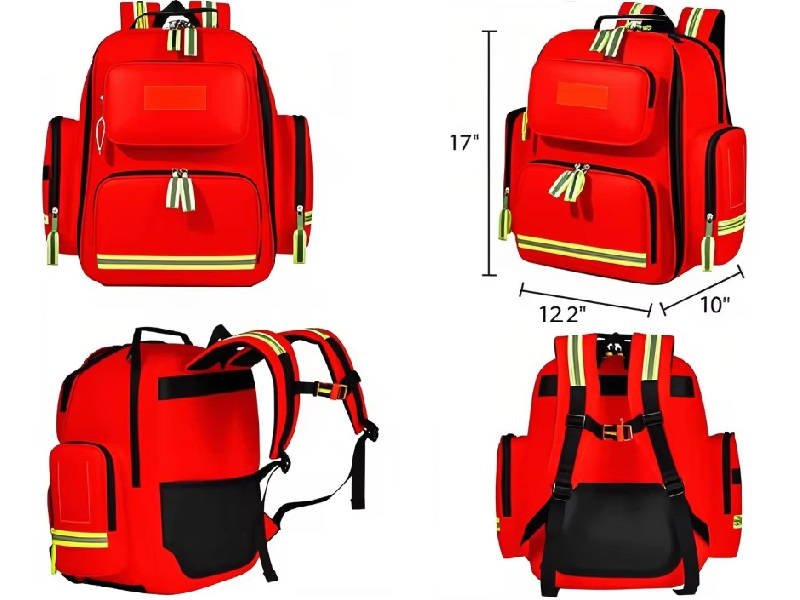
Key features of a healthcare work backpack
A good healthcare backpack should make your shift easier. Think of it as a small mobile workstation, not a storage closet. The best design helps you find items quickly and prevents clean supplies from mixing with personal belongings.
Easy-to-clean material
Look for nylon with a protective coating, polyester with a smooth surface, or medical-grade vinyl. These materials can often be wiped with products approved by the manufacturer.
Avoid bags with:
• Open-weave fabric that traps dust and spills
• Large areas of untreated leather
• Thick fleece lining
• Decorative cords and hard-to-clean fabric panels
• Many loose external pockets
Always follow the backpack maker’s cleaning instructions. Strong disinfectants can damage some coatings, colors, and synthetic materials.
Water resistance
A water-resistant backpack helps protect your laptop, paperwork, lunch, and clothing from rain or accidental spills. Water-resistant does not mean fully waterproof, so use a sealed pouch for electronics and important documents.
A covered zipper can add useful protection. A separate rain cover is also helpful for people who walk, bike, or use public transportation.
Comfortable shoulder straps
Healthcare workers may carry a backpack for several hours. Choose wide, padded shoulder straps with a breathable back panel. A chest strap can improve stability, especially for people who walk between buildings or carry the bag on a bicycle.
A useful rule is to carry only what you need. Heavy bags can contribute to shoulder, neck, and back discomfort. Workplace safety guidance often recommends reducing load weight and adjusting straps so the bag sits close to the body.
Strong base and quality zippers
The bottom of a healthcare backpack touches floors, car seats, and sometimes public surfaces. A reinforced base helps it resist wear and keeps it more stable.
Test the zippers before buying. They should open smoothly with one hand and should not snag on the lining. Large zipper pulls are helpful when you are wearing gloves or working in low light.
Separate compartments
A well-organized bag should have different spaces for:
• Personal items
• Electronics
• Food and drinks
• Clean work supplies
• Shoes or spare clothing
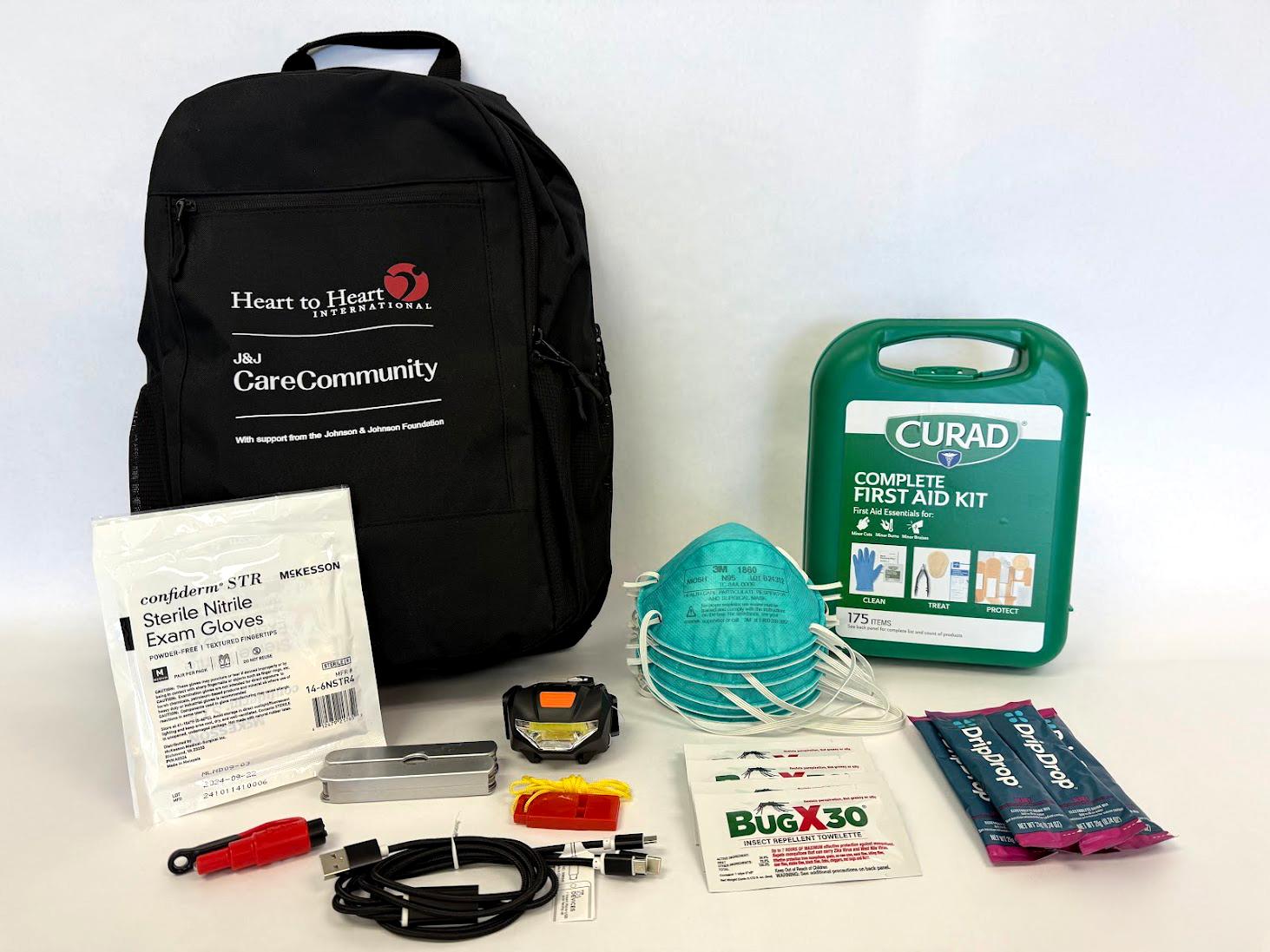
• Small first-aid or approved clinical items
Separate compartments reduce clutter. They also make it easier to clean the bag and remove items at the end of your shift.

The best backpack size for healthcare work
For most healthcare workers, a 20 to 30-liter backpack offers a useful balance between space and comfort. It can hold a lunch container, water bottle, tablet, sweater, charger, notebook, and a few personal items.
A smaller 15 to 20-liter backpack may work well for a clinic employee with a short commute. A larger 30 to 40-liter backpack may suit a home health worker who carries approved equipment, spare clothing, and food for a long day.
Do not choose the largest bag simply because it looks useful. Large bags invite overpacking. A full backpack can quickly become heavy, difficult to clean, and uncomfortable in crowded hallways.
When considering what backpack to use as healthcare worker, use this simple size guide:
• 15 to 20 liters: Best for light daily use and short commutes
• 20 to 30 liters: Best for most nurses, students, therapists, and clinic workers
• 30 to 40 liters: Best for long shifts, home visits, or extra clothing
• More than 40 liters: Usually too large for routine clinical work
A backpack with an expandable section can be a smart choice. You can keep it compact on normal days and create extra space when needed.
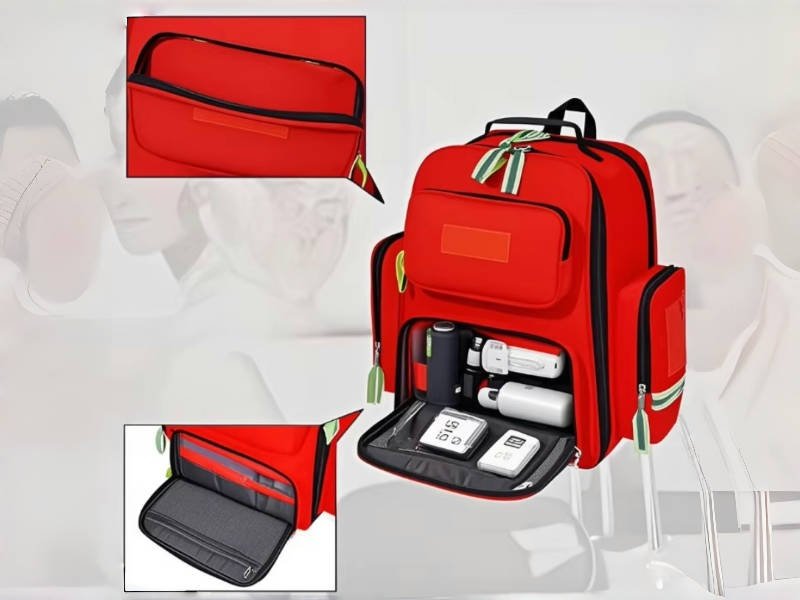
Best backpack types for different healthcare workers
There is no single best backpack for every healthcare role. Your daily tasks should guide your choice.
Backpack for nurses
A nurse may need a strong, compact backpack for personal items, a lunch, a water bottle, and approved work supplies. A wipe-clean interior and a separate laptop sleeve are useful for nurses who study or complete charting after work.
Avoid storing used clinical items in the same compartment as clean personal items. Follow your facility’s rules for transporting equipment and supplies.
Backpack for medical students
Medical students often need space for a laptop, textbooks, a stethoscope case, chargers, and food. A 25 to 30-liter academic backpack with strong back support is often more practical than a traditional clinical supply bag.
A laptop compartment is important because textbooks and medical tools can press against the device. A small, removable pouch can hold pens, an ID badge, and other daily items.
Backpack for home health workers
Home health workers often travel between several locations. A water-resistant backpack with a firm base and many internal sections can help protect supplies during travel.
Choose a design that stands upright and opens widely. This makes it easier to see supplies without placing the entire bag on a client’s floor. A separate clean pouch can also help protect unused items.
Backpack for therapists and counselors
Therapists may need a simple professional backpack for a laptop, files, notebooks, and personal items. A quiet, low-profile design can look more appropriate in schools, clinics, and community settings.
A padded computer area and a discreet outer design are often more valuable than many medical-style pockets.
Backpack for medical assistants
Medical assistants may need a moderate-size work backpack for lunch, personal items, documents, and approved tools. The most useful features are easy cleaning, good organization, and a comfortable fit.
If the bag enters a clinical area, confirm that its material and cleaning method meet workplace expectations.

Backpack materials: what works best?
Material affects comfort, cleaning, durability, and appearance. Each option has benefits and limits.
Coated nylon
Coated nylon is light, strong, and often water-resistant. It is a good choice for commuters and workers who want a flexible bag.
Its main weakness is that some coatings can peel or weaken after repeated exposure to harsh cleaners. Use only products approved for the fabric.
Polyester
Polyester backpacks are common and affordable. Smooth polyester is usually easy to wipe and comes in many sizes and designs.
Low-quality polyester may absorb spills or tear near the seams. Check the stitching, zipper areas, and bottom panel before buying.
Vinyl
Vinyl is smooth and easy to clean. It may work well for a bag that needs frequent wiping.
Vinyl can feel less breathable and may crack over time, especially when exposed to heat or strong chemicals. It can also be heavier than nylon.
Leather
Leather can look professional and last for years with care. However, it is not always the best choice for clinical use because many leather surfaces are sensitive to disinfectants and moisture.
If you choose leather, use it for office-based healthcare work rather than environments where frequent disinfection is required.
Canvas
Canvas is stylish and durable, but it can absorb liquids and hold dust. It may be harder to disinfect than a smooth synthetic material.
Canvas can still work for classroom or administrative healthcare settings. It is less suitable when the bag regularly enters patient care areas.
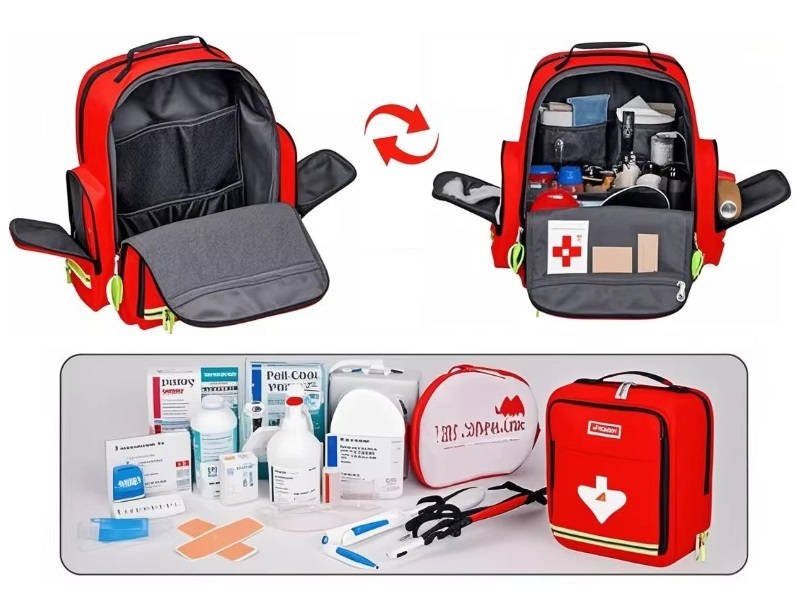
How to organize a healthcare backpack
Good organization saves time and reduces stress. It also helps you notice when something needs cleaning or replacing.
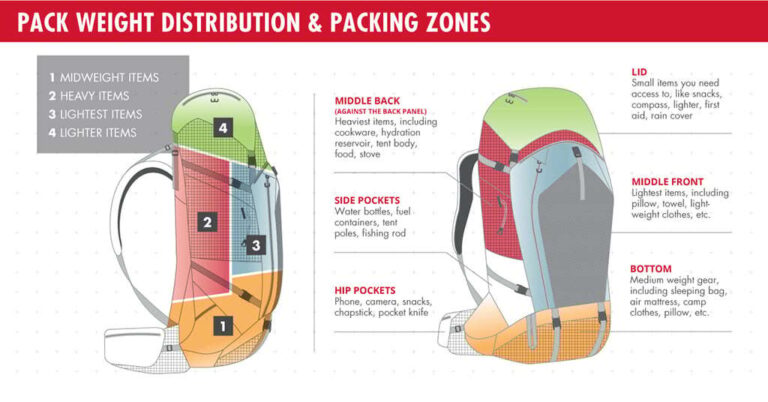
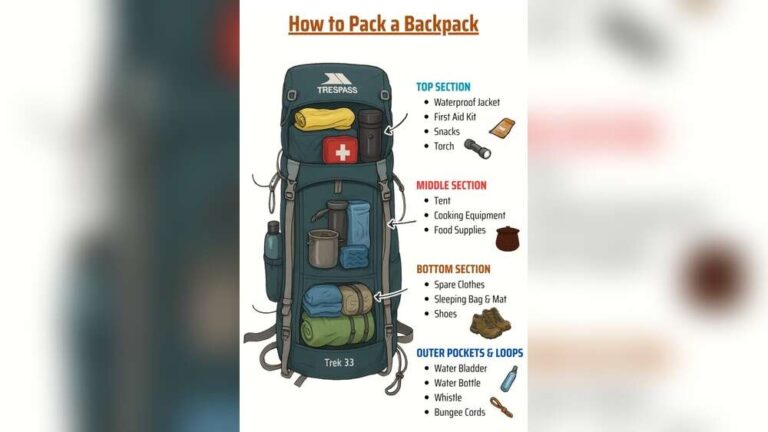
Use a simple three-zone system:
- Put personal items in one section. This includes keys, a wallet, headphones, and personal medication.
- Keep clean work supplies in a separate pouch or compartment.
- Store food and drinks in a sealed container away from work supplies.
Use small pouches instead of placing loose items at the bottom of the bag. Clear pouches make supplies easier to find and help you clean the inside of the backpack.
A practical daily setup may include:
• Water bottle in an outside bottle pocket
• Lunch in a sealed container
• Laptop or tablet in a padded sleeve
• Charger in a small cable pouch
• Pens and ID items in a quick-access pocket
• Spare clothing in a washable packing cube
• Approved clinical items in a dedicated clean pouch
Do not store sharps, used dressings, contaminated tools, or other regulated materials in an ordinary backpack. Those items require approved containers and workplace procedures.
One lesson many healthcare workers learn the hard way is that a bag can become a “just in case” collection. Empty it after every shift. Remove receipts, food wrappers, old paperwork, and items you no longer use.