Washing a sleeping bag seems simple, but doing it right makes a big difference. I’ve spent years camping and guiding others outdoors, and I’ve learned that a clean sleeping bag lasts longer, feels better, and keeps you warmer at night.
Many people are afraid of washing their bags, worrying they’ll ruin the insulation or the shape. But with the right steps, you can keep your sleeping bag fresh and fluffy for years. I’ll show you exactly how to do it, using simple words and real examples, including some mistakes I made in the past.
Why Proper Sleeping Bag Cleaning Matters
Your sleeping bag touches your skin for hours every night. Sweat, dirt, and body oils build up, even if you look clean. Over time, these can damage the fabric and insulation. A dirty sleeping bag loses its warmth, smells bad, and can even grow mold or mildew.
I once left a bag unwashed after a long trip, and the musty smell never went away. Proper cleaning keeps your bag safe, comfortable, and ready for every adventure.
Understanding Sleeping Bag Materials
Before you wash, it’s important to know what your sleeping bag is made of. The main types are down and synthetic. Each needs a different washing method.
| Material | Warmth-to-Weight | Drying Time | Washing Difficulty |
|---|---|---|---|
| Down | High | Long | Moderate |
| Synthetic | Medium | Short | Easy |
Down sleeping bags use feathers for insulation. They’re very warm and compress well, but they’re sensitive to water and soap. Synthetic sleeping bags use man-made fibers. They dry faster and handle washing better, but can be bulkier.
When Should You Wash Your Sleeping Bag?
Washing too often can wear out the fabric. Not washing enough leads to smells and poor insulation. Here’s how to decide:
- After every long trip (more than 4–5 nights)
- If you notice odors or visible dirt
- If you spill something inside
- At least once per season if you use it often
If you use a sleeping bag liner, you can wash the liner more often and the bag less often. I started using liners on trips after realizing it cut down washing time a lot.
Pre-wash Preparation
Before throwing your bag in the machine, take these steps:
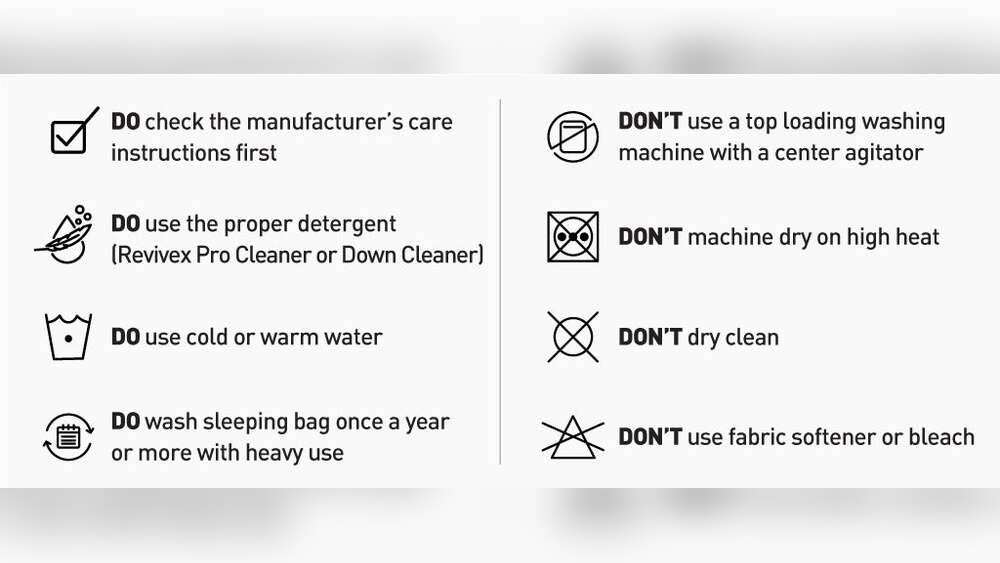
- Check the care label: Every sleeping bag is different. The label tells you the best way to wash and dry it.
- Inspect for damage: Look for rips, loose threads, or broken zippers. Repair these first, or washing might make them worse.
- Remove loose dirt: Shake out sand, leaves, or crumbs. Use a soft brush for stubborn spots.
- Zip and fasten: Close all zippers and Velcro tabs. This prevents snagging.
A mistake I made once was ignoring a small tear. After washing, the tear got bigger and leaked down everywhere. Always fix problems before washing.
Credit: www.cleverhiker.com
Spot Cleaning: When A Full Wash Isn’t Needed
Sometimes, you don’t need to wash the whole bag. If only a small area is dirty, spot cleaning saves time and wear.
- Mix a little mild soap (no bleach or fabric softener) with water.
- Use a soft sponge or toothbrush to gently clean the area.
- Rinse with clean water and blot dry with a towel.
- Air dry the bag in a warm spot.
Spot cleaning is great for small stains or sweat marks around the hood and collar.
Hand Washing Your Sleeping Bag
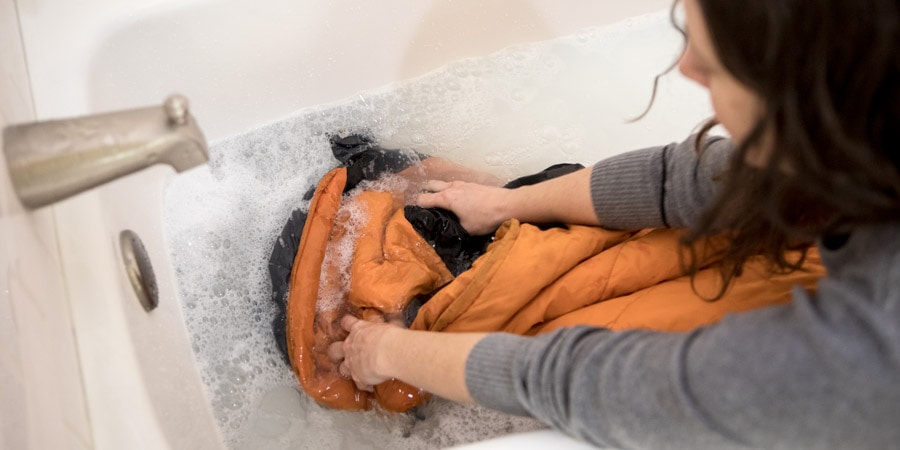
Hand washing is gentle and works for both down and synthetic bags. It’s my preferred method for expensive or delicate bags.
- Fill a bathtub or large basin with cold or warm water (not hot).
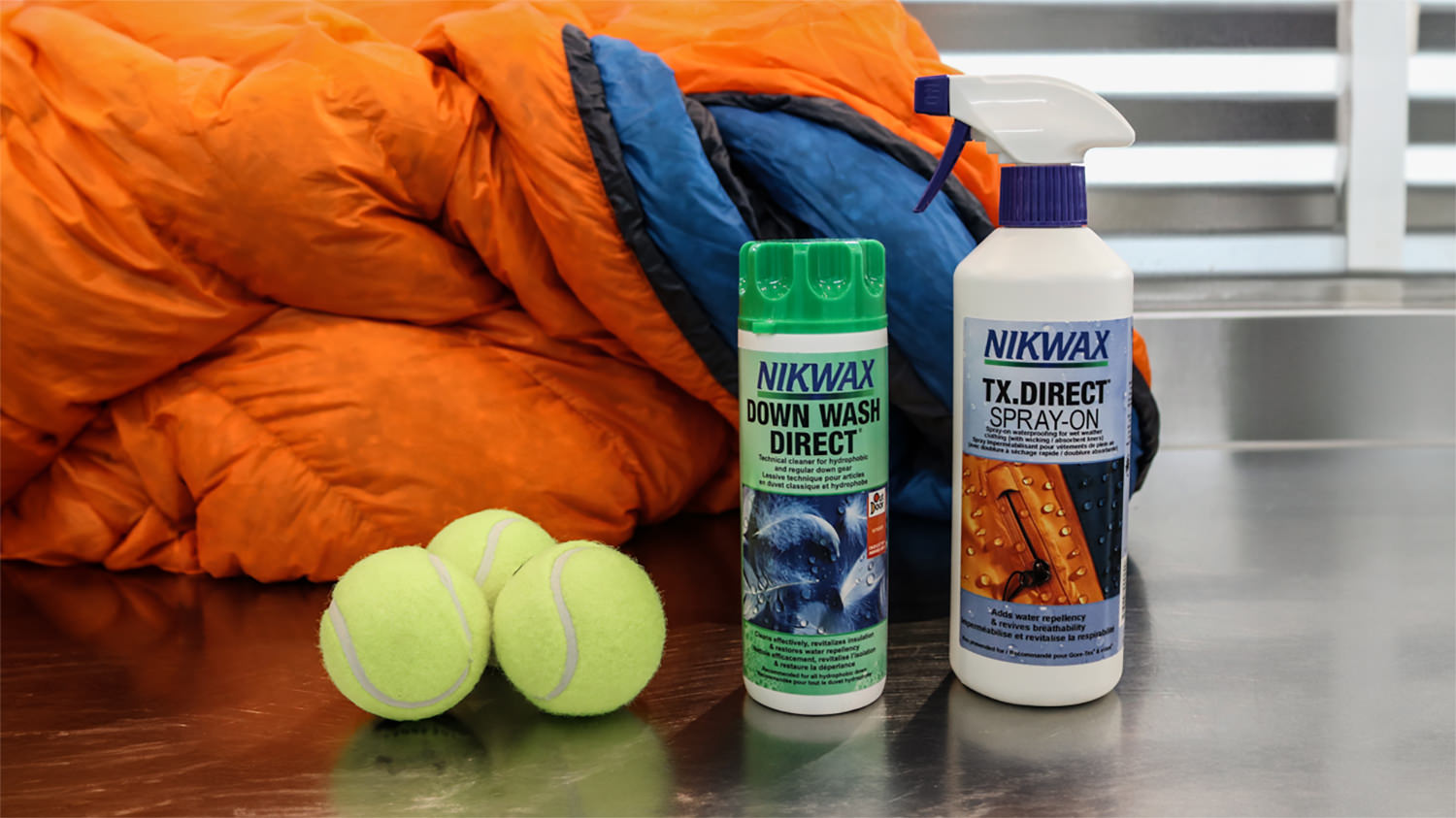
- Add a small amount of gentle soap. Special down soaps like Nikwax or Granger’s are best for down bags.
- Submerge the bag and gently squeeze water through. Don’t wring or twist.
- Let it soak for 30–60 minutes.
- Drain the tub, press out soapy water, then refill with clean water to rinse. Repeat until all soap is gone.
- Gently press out water (step on the bag with bare feet in the tub). Don’t wring—this can damage insulation.
One time, I tried to speed up drying by twisting the bag. The down clumped and never fluffed up again. Always handle gently.
Machine Washing Sleeping Bags
Most modern sleeping bags can be machine washed, but follow the instructions closely.
Choosing The Right Machine
- Front-loading washing machines are best. Top-loaders with agitators can damage the bag.
- Commercial machines at laundromats are big enough for large bags.
Washing Steps
- Use gentle cycle with cold or warm water.
- Add mild soap (no regular laundry detergent). Use a cleaner made for technical fabrics.
- Run an extra rinse cycle to remove all soap.
- Check for soap bubbles after the cycle. If you see any, rinse again.
Common Machine Washing Mistakes
- Using hot water (can shrink or damage fabric)
- Too much soap (leaves residue, hurts insulation)
- Overloading the machine (bag won’t get clean)
Drying Your Sleeping Bag
Drying is as important as washing. Wet sleeping bags are heavy and can grow mold fast.
Air Drying
- Lay the bag flat on a clean surface, out of direct sun.
- Flip and fluff every few hours to speed up drying.
- Drying time: 24–48 hours for down, 6–12 hours for synthetic.
Machine Drying
- Use a large dryer on low heat or no heat (“air fluff”).
- Add clean tennis balls or dryer balls. These break up clumps and restore loft.
- Check every 30 minutes. Make sure the bag isn’t overheating.
I once left a down bag in a hot dryer, and the shell melted in spots. Low heat is always safer.
Sleeping Bag Care After Washing
Your Bag Is Clean And Dry. Now What?
- Store uncompressed: Keep your bag loose in a big cotton sack or hang it in a closet. Never store it in a stuff sack for long.
- Keep dry and cool: Avoid damp basements or hot attics.
- Fluff before use: Shake out your bag before every trip.
I used to store my sleeping bag in its small stuff sack, and it lost its warmth over time. Letting it breathe keeps the insulation healthy.
How To Wash Different Types Of Sleeping Bags
Not all bags are the same. Here’s how to care for the most common types:
Down Sleeping Bags
- Use a soap made for down (like Nikwax Down Wash).
- Never use bleach, fabric softener, or regular detergent.
- Dry very thoroughly—down can mold if left damp.
Synthetic Sleeping Bags
- Mild soap is fine, but still avoid bleach and softeners.
- Faster drying, but still use low heat if machine drying.
Waterproof/breathable Shells
- Use soap designed for technical fabrics.
- Rinse carefully—soap left in the fabric can block breathability.
- Reapply DWR (Durable Water Repellent) if water stops beading on the outside.
Comparing Down And Synthetic Sleeping Bag Washing
Here’s a quick look at the main differences:
| Step | Down Bags | Synthetic Bags |
|---|---|---|
| Soap Type | Down-specific cleaner | Mild, non-detergent soap |
| Washing Method | Hand or gentle machine | Hand or gentle machine |
| Drying | Low heat, tennis balls, very dry | Low heat or air dry, faster |
| Common Issues | Clumping, mold if not dry | Retains shape, less clumping |
Choosing The Right Soap For Your Sleeping Bag
Soap choice matters more than you might think.
- Down bags: Use a product like Nikwax Down Wash or Granger’s Down Cleaner.
- Synthetic bags: Use a mild, non-detergent soap. “Tech Wash” products work well.
Never use bleach, fabric softener, or strong detergents. These can strip natural oils from down and break fibers in synthetics.
Should You Use A Professional Cleaner?
If your bag is expensive, very dirty, or made of delicate materials, you might want a professional. Outdoor gear shops sometimes offer cleaning services.
Pros:
- Special equipment
- Less risk of damage
Cons:
- More expensive
- Takes longer
I sent my winter bag to a pro cleaner once. It came back like new, but it cost almost as much as a new liner. For most bags, home washing works well if you follow the right steps.
Common Mistakes To Avoid
Many people damage their sleeping bags during cleaning. Here’s what to watch out for:
- Using harsh detergents: Only use gentle, bag-safe soaps.
- Wringing or twisting: This flattens insulation and can tear fabric.
- Drying too hot: High heat can melt shells and damage insulation.
- Not drying fully: Damp bags can smell and grow mold.
- Skipping repairs: Small rips get bigger in the wash.
Credit: www.rei.com
How To Store Your Sleeping Bag Properly
Storage is often overlooked, but it’s just as important as washing.
- Loosely pack in a storage sack: Avoid compression.
- Keep in a dry place: Humidity leads to mold.
- Air out before storage: Make sure the bag is fully dry.
I once stored a bag in a damp garage. A month later, it smelled so bad I had to wash it again. A dry closet is much better.
Quick Reference: Washing And Drying Summary
Here’s a handy guide for your next wash:
| Step | Down Bag | Synthetic Bag |
|---|---|---|
| Soap | Down cleaner only | Mild soap or Tech Wash |
| Water Temp | Cold or warm | Cold or warm |
| Machine | Front-load only | Front-load only |
| Drying | Low heat, tennis balls | Low heat or air dry |
| Storage | Loose, dry, cool place | Loose, dry, cool place |
Tips To Keep Your Sleeping Bag Clean Longer
Washing is important, but smart habits can reduce how often you need to wash.
- Always use a sleeping bag liner: These are easy to wash and protect your bag.
- Sleep in clean clothes: Change into fresh clothes before bed.
- Air out your bag every morning: This helps moisture escape.
- Avoid eating inside your sleeping bag: Crumbs attract bugs and animals.
- Store your bag properly: As covered above.
These habits saved me a lot of cleaning over the years.
Non-obvious Insights Beginners Often Miss
There are a few things most guides won’t tell you:
- Small repairs before washing: Even tiny holes can get much bigger during a wash. Always check seams and zippers.
- Extra rinse cycles: Soap left in the insulation can ruin loft and warmth. Run at least one extra rinse.
- Tennis balls are not just for fun: In the dryer, they break up insulation clumps. This really makes a difference for down bags.
- Spot test new soaps: Before using a cleaner for the first time, try it on a small part of the bag to make sure it won’t discolor or damage the fabric.
When To Replace Your Sleeping Bag
No sleeping bag lasts forever. Even with the best care, insulation can break down after many years.
- If your bag won’t loft (fluff up) after drying, it’s losing warmth.
- If you see lumps or cold spots, the insulation may be shifting or breaking down.
- If smells won’t go away, even after washing, bacteria may be trapped inside.
In these cases, it’s safer and warmer to invest in a new bag.
Environmental Concerns And Best Practices
Washing sleeping bags uses water and soap, which can impact the environment. Choose eco-friendly soaps, avoid over-washing, and always rinse well. Air drying uses less energy than machine drying.
Some outdoor brands offer recycling for old sleeping bags. If your bag is worn out, check if you can send it back for recycling.
For more details on sleeping bag care and the science behind insulation, you can visit the Sleeping Bag Wikipedia page.

Credit: www.youtube.com
Frequently Asked Questions
How Often Should I Wash My Sleeping Bag?
You should wash your sleeping bag after every long trip, or if it starts to smell or show stains. If you use it a lot, a good rule is once a season. Using a liner means you can wash less often.
Can I Put My Sleeping Bag In The Dryer?
Yes, but always use low or no heat. Add tennis balls to help keep the insulation fluffy. Check often to make sure it’s not overheating.
What Soap Should I Use For A Down Sleeping Bag?
Use a special down cleaner, such as Nikwax Down Wash or Granger’s Down Cleaner. Never use regular laundry soap, bleach, or fabric softener.
Is It Safe To Wash A Sleeping Bag In A Washing Machine?
Yes, if you use a front-loading machine on a gentle cycle. Avoid top-loaders with agitators, as they can tear the fabric or clump insulation.
How Can I Dry My Sleeping Bag Quickly?
For synthetic bags, air drying in a warm, breezy spot works well. For down bags, use a dryer on low heat with tennis balls, but be patient—down takes much longer to dry.
Taking care of your sleeping bag isn’t hard when you know what to do. A little attention keeps your gear in top shape, helps you sleep warm, and lets you enjoy many adventures ahead. If you follow these steps, you’ll get the most from your sleeping bag for years to come.

Zayden Halbrook is a travel enthusiast and gear researcher passionate about making every journey smoother and more enjoyable. With a keen eye for practical travel essentials and real-world tips, he helps readers choose the right gear and travel smarter. When he’s not testing travel kits or exploring new destinations, Zayden shares simple, reliable advice to make every trip stress-free.