Hanging a hammock chair can turn any space into a cozy retreat. Whether you dream about reading in your living room, relaxing on your porch, or adding something fun to your child’s room, a hammock chair is a wonderful choice.
But if you are new to this, you might worry about safety, choosing the right spot, or even how to get started. I remember when I hung my first hammock chair—my hands were shaking, and I checked every knot twice.
But with the right steps and some practical advice, you can do it confidently. Let’s walk through the process together, from picking the best chair to enjoying your new favorite spot in your home.
Why Choose A Hammock Chair?
A hammock chair isn’t just a seat. It’s a way to relax your body and mind. People love them because they:
- Take up less space than a full hammock.
- Work indoors and outdoors.
- Fit many styles and ages.
- Offer gentle swinging that helps you relax.
I started using a hammock chair when I needed a quiet corner for reading. Now, my kids use it too, and it’s become a favorite spot in our home.
What You Need Before You Start
Before you grab your tools, make sure you have everything. You’ll need more than just the chair itself. Here’s a quick checklist:
- Hammock chair (make sure it’s the right size and weight limit)
- Mounting hardware (usually comes with the chair)
- Strong ceiling beam or support (for indoor hanging)
- Drill and screwdriver
- Stud finder
- Measuring tape
- Carabiner or S-hook
- Rope or chain (for extra length, if needed)
- Ladder or sturdy stool
It’s tempting to skip a few items. But trust me, using the right tools makes everything safer and easier. Once, I tried to “eyeball” the placement without a stud finder, and the chair wobbled. Never again.
Choosing The Best Spot
Not every location works for a hammock chair. Safety is the top priority. Here’s how to pick the right place:
Indoors
- Look for strong support. You need a solid ceiling joist or beam—not just drywall or plaster. Use a stud finder to check.
- Allow space to swing. Leave at least 3 feet of open space in front and behind, and 2 feet on each side.
- Mind the height. The bottom of the chair should be about 18 inches off the ground so you can sit easily.
Outdoors
- Find a sturdy tree limb or porch beam. Make sure it’s healthy wood and at least 8 inches thick.
- Check for overhead obstacles. Watch out for lights or branches.
- Consider weather protection. If possible, hang it under a roof or awning to protect from rain.
When I chose my spot, I realized the first place I picked was too close to a bookshelf. I moved it, and now I can swing without bumping into anything.
Types Of Hammock Chairs And Hanging Methods
Not all hammock chairs are the same. Some are made of fabric, others are woven, and some have wooden bars. Each type may need a slightly different approach. Here’s a quick comparison to help you choose the right one for your needs.
| Type | Material | Best For | Mounting Needs |
|---|---|---|---|
| Fabric Chair | Cotton or polyester | Soft comfort | Single hook, indoor/outdoor |
| Rope/Woven Chair | Cotton rope or macramé | Breathability | Single hook, needs gentle use |
| Bar Chair | Fabric with wood spreader | Wide seat, easy in/out | Stable hook, more space |
| Pod Chair | Thick canvas or polyester | Kids, reading nooks | Strong anchor, enclosed |
Mounting options also vary. Most chairs use one anchor point, but heavier or bigger chairs may need two. Always follow the instructions for your specific model.
Understanding Weight Limits And Safety
Safety is the most important part of hanging a hammock chair. Each chair has a weight limit, usually between 250 and 350 pounds. Never guess. Check the label or manufacturer’s website.
- Do not overload. Even if you think the chair feels strong, going over the limit can cause it to fall.
- Use proper anchors. The hardware that comes with your chair is tested for safety. If you buy your own, look for items rated for at least twice your chair’s weight limit.
- Check the support beam. Ceiling joists and tree branches must be in good condition and strong enough to hold extra weight.
A common mistake is to hang a chair from a weak spot, like a thin tree limb or hollow ceiling. I once watched a neighbor’s chair crash to the ground because they trusted drywall alone. Never do this.
Step-by-step Guide To Hanging A Hammock Chair Indoors
Let’s break down each step for hanging your hammock chair indoors. This is the method I used in my own home, and it has worked perfectly for years.
1. Locate A Ceiling Joist
First, find a solid ceiling joist. A stud finder is the best tool for this. Move the stud finder slowly across the ceiling until it signals a joist. Mark the center with a pencil. If you don’t hit a joist, your chair will not be safe.
2. Measure For Height And Swing Space
Measure from the floor up to the ceiling. Subtract the length of your hammock chair from this measurement. The chair should hang about 18 inches off the ground. Adjust as needed for tall or short users.
Make sure you have enough room to swing. At least 3 feet in front and behind, and 2 feet on each side.
3. Drill A Pilot Hole
Using a drill and a bit slightly smaller than your hook, drill a pilot hole straight into the center of the joist. This makes it easier to screw in the hook and reduces the risk of splitting the wood.
4. Install The Mounting Hardware
Screw your heavy-duty eye hook or lag bolt into the pilot hole by hand. Use a wrench for the last turns if needed. It should be tight and flush with the ceiling.
Some kits come with a ceiling mount plate. If so, hold the plate against the ceiling and drill pilot holes for all screws. Attach with the provided bolts.
5. Attach The Chair
Clip your hammock chair’s loop to the hook using a carabiner or S-hook. If you need to lower the chair, add a short length of strong rope or chain between the chair and the hook.
6. Test The Setup
Before sitting, pull down hard on the chair with both hands to check that it holds. Sit gently at first, then bounce a little. If anything feels loose or creaks, check your work.
7. Enjoy
Once you feel safe, sit back and relax. You did it!
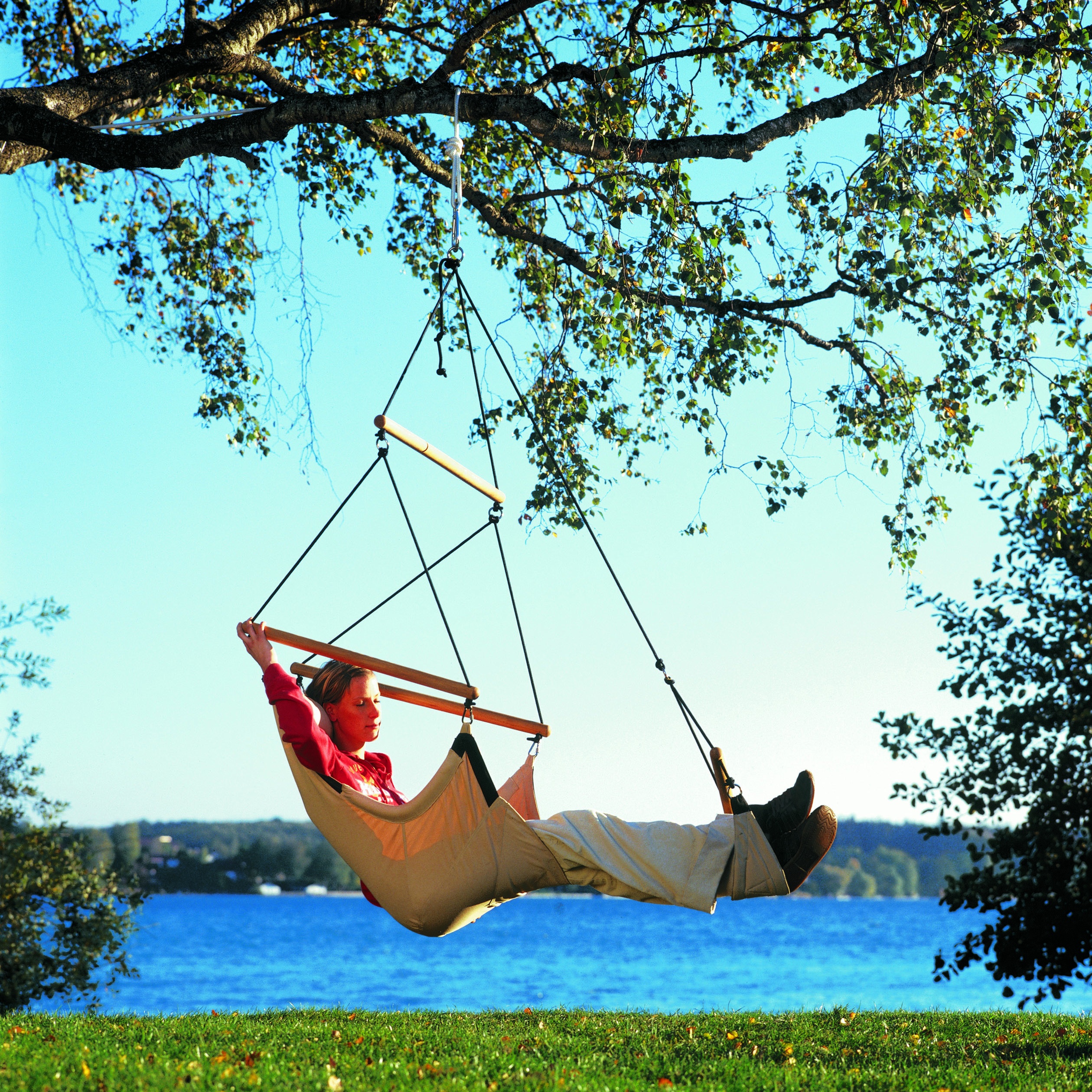
Credit: www.yardenvy.com
How To Hang A Hammock Chair Outdoors
Hanging a hammock chair outdoors is very similar, but you may need to adjust for different supports and weather. Here’s how:
Using A Tree Branch
- Choose a healthy, thick branch—at least 8 inches in diameter.
- Throw a rope or strong strap over the branch. Make sure it’s centered and won’t slide.
- Tie a secure knot, like a bowline or double knot. Attach the chair with a carabiner or S-hook.
Using A Porch Beam
- Find a solid beam or joist. Avoid decorative or hollow beams.
- Drill a pilot hole and insert a heavy-duty hook or mount, just like indoors.
- Attach the chair with a carabiner or rope.
Weatherproofing Tips
Outdoor chairs need extra care:
- Use stainless steel or galvanized hardware to prevent rust.
- Bring the chair inside during heavy rain or snow.
- Check the rope and hardware often for wear.
Comparing Indoor And Outdoor Hanging
Here’s a quick look at the key differences between indoor and outdoor setup:
| Factor | Indoor | Outdoor |
|---|---|---|
| Support | Ceiling joist or beam | Tree limb, porch beam |
| Weather | Not an issue | Rain, sun, wind |
| Hardware | Standard eye hook, mount | Stainless/galvanized, straps |
| Maintenance | Occasional check | Frequent check, clean |
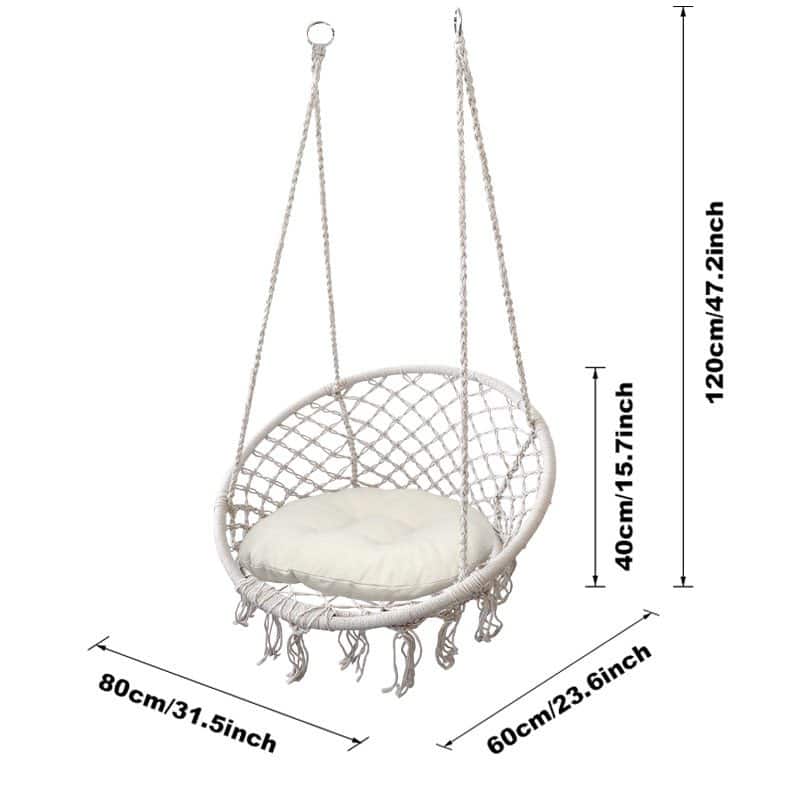
Credit: www.recunlimited.com
Common Mistakes And How To Avoid Them
I’ve made a few of these mistakes myself, so learn from my experience.
- Using drywall or plaster for support. These materials cannot hold the weight. Always use a solid joist or beam.
- Choosing a weak tree branch. Even if it looks thick, check for cracks or signs of rot.
- Skipping the pilot hole. This can split the wood and weaken the support.
- Ignoring the weight limit. Only use chairs and hardware rated for your needs.
- Not checking your work. Always pull-test before sitting.
A less obvious mistake is hanging the chair too high or too low. If it’s too high, getting in and out is hard. Too low, and you may hit the ground when you sit. Aim for about 18 inches from the floor to the bottom of the chair.
Adjusting Your Hammock Chair For Comfort
Getting the right height and swing can make your hammock chair even better. Here are some tips:
- Use an adjustable chain or rope. This lets you raise or lower the chair for different users.
- Add a swivel hook. This allows you to spin 360 degrees without twisting the rope.
- Include cushions or a blanket. This adds comfort, especially for long reading sessions.
If you notice pressure points or discomfort, try shifting the way the chair hangs. Sometimes moving the anchor point just a few inches can make a big difference.
Maintenance And Safety Checks
Even after your hammock chair is up, take a few minutes each month to check everything:
- Inspect the ropes, fabric, and hardware. Look for fraying, rust, or loose connections.
- Test the anchor. Pull hard on the chair to make sure nothing is weakening.
- Clean the chair. Most fabric chairs can be hand washed or spot cleaned. Outdoor chairs may need more frequent cleaning.
I check my own hammock chair once a month. It only takes a few minutes, but it’s worth it for peace of mind.
Creative Ideas For Hammock Chair Placement
You don’t have to stick with the living room or porch. Here are some fun spots you might not have thought of:
- Children’s playroom: Kids love swinging and reading in a hammock chair. Make sure to hang it low and supervise.
- Home office: Use it as a break spot for thinking or relaxing.
- Bedroom corner: Create a cozy nook for reading or listening to music.
- Garden or backyard: Hang between two trees for a peaceful escape.
If you have a small apartment, you can use a portable stand instead of hanging from the ceiling. This lets you move the chair anywhere without drilling holes.

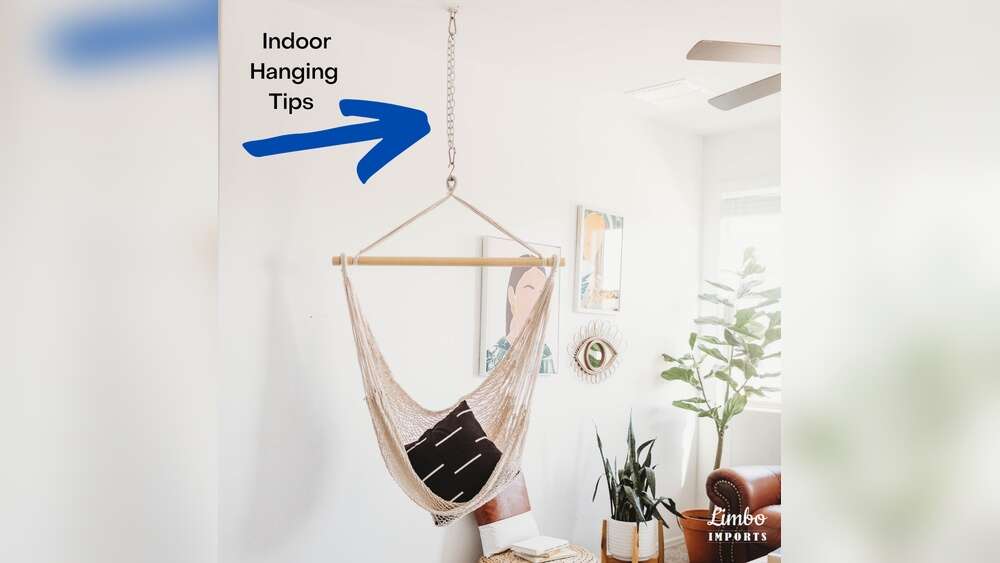
Credit: limboimports.com
What To Do If You Can’t Drill Or Don’t Have A Strong Support
Sometimes, you can’t drill into the ceiling or walls. Maybe you rent your home, or you just don’t have a strong enough beam. In this case, consider a hammock chair stand.
- Stands are portable and can be moved indoors or outdoors.
- No installation is needed—just assemble and hang the chair.
- Weight limits may be lower, so always check before use.
I used a stand when I lived in an apartment. It was easy to move, and I could enjoy the chair on the balcony and then bring it inside.
Hammock Chair Accessories For Extra Enjoyment
A few simple accessories can make your hammock chair even better:
- Cushions and pillows for extra softness.
- Blanket for chilly evenings.
- Cup holder or side pocket for books or snacks.
- LED string lights to create a magical look at night.
- Bug net for outdoor use in summer.
Just be careful not to overload the chair with heavy items.
Hammock Chair Hanging Kits: What’s Included And What To Add
Many hammock chairs come with their own hardware, but not all kits are the same. Here’s a quick breakdown:
| Kit Item | Usually Included | When to Add |
|---|---|---|
| Eye hook or lag bolt | Yes | If missing or low quality |
| Mount plate | Sometimes | For extra strength |
| Carabiner/S-hook | Yes | For easy removal |
| Chain or rope | Sometimes | For adjusting height |
| Swivel | Rarely | For spinning chairs |
If you want to upgrade, you can buy heavy-duty hardware kits online or at hardware stores. Look for stainless steel parts for outdoor use.
Environmental And Safety Considerations
It’s important to consider both safety and the environment when hanging your chair.
- Use sustainable materials if possible. Many brands offer eco-friendly fabric and wood.
- Do not harm trees. Use wide straps instead of ropes to avoid damaging bark.
- Check for safety recalls on your chair or hardware. This is not common, but always good to check.
For more details on safety standards and installation, you can visit the Consumer Product Safety Commission.
My Experience And Final Thoughts
When I first hung a hammock chair, I was nervous. I double-checked every step, called a friend to help, and even sat down very slowly the first time. Now, I hang them for friends and family without a second thought.
The key is to take your time, use the right tools, and never skip safety checks.
A hammock chair isn’t just furniture—it’s a personal retreat. It’s where I read to my children, sip coffee in the morning, and unwind after a long day. With a little effort, you can create a safe and comfortable spot that brings joy for years.
Frequently Asked Questions
How Much Weight Can A Hammock Chair Hold?
Most hammock chairs hold between 250 and 350 pounds. Always check the label or product instructions. Never go over the weight limit, even if the chair feels strong.
Can I Hang A Hammock Chair From A Concrete Ceiling?
Yes, but you need special anchors called expansion bolts for concrete. Use a hammer drill to make the holes, and always make sure the bolts are tight. If you are unsure, ask for help at your hardware store.
What If I Don’t Have A Stud Finder?
You can try tapping the ceiling and listening for a solid sound, but this isn’t as safe as using a stud finder. Borrow one from a friend or buy one—they are not expensive and make the job much safer.
How Do I Clean My Hammock Chair?
Most fabric chairs can be spot cleaned with mild soap and water. Rope or macramé chairs can often be hand washed. Always let them dry fully before using. For outdoor chairs, clean more often to avoid mold.
Is It Safe For Children To Use A Hammock Chair?
Yes, but always supervise young children. Hang the chair lower to the ground, use strong supports, and check the hardware often. Teach kids not to swing too wildly or jump in and out.
If you follow these tips and steps, hanging a hammock chair can be a safe and rewarding DIY project. Enjoy your new relaxing spot!

Zayden Halbrook is a travel enthusiast and gear researcher passionate about making every journey smoother and more enjoyable. With a keen eye for practical travel essentials and real-world tips, he helps readers choose the right gear and travel smarter. When he’s not testing travel kits or exploring new destinations, Zayden shares simple, reliable advice to make every trip stress-free.