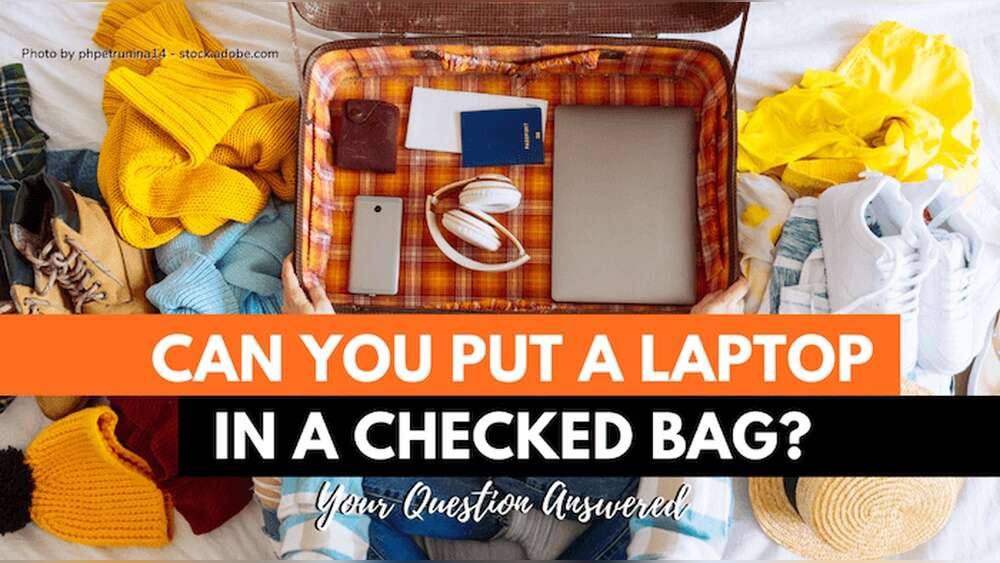
Can You Put A Laptop In A Checked Bag?
If you have ever packed for a flight, you probably wondered: Can you put a laptop in a checked bag? Many travelers face this question. Airlines and airport security rules can feel confusing, and you don’t want to risk your laptop getting lost, damaged, or even stolen. I’ve traveled with my laptop on more than 30 flights across Asia, Europe, and the US. I know the fear of opening your bag to find a cracked screen or, worse, no laptop at all.
In this article, I’ll walk you through everything you need to know about flying with a laptop in your checked luggage. You’ll get clear, up-to-date advice, important facts, what the rules really say, and tips I’ve learned from experience. By the end, you’ll know exactly what to do with your laptop the next time you fly.
What Do Airlines And Airport Security Say?
Most airlines and airport security agencies, like the Transportation Security Administration (TSA) in the US, do allow you to place a laptop in a checked bag. But that’s not the whole story. There are strong recommendations and even some restrictions you should understand before you decide.
Rules From Major Authorities
- TSA (United States): Laptops are allowed in both carry-on and checked bags. But, TSA strongly recommends keeping electronics in your carry-on.
- Civil Aviation Administration of China: Similar rules as TSA. Devices with lithium batteries can go in checked bags, but only if the battery is inside the device.
- European Union Aviation Safety Agency (EASA): Also allows laptops in checked bags but asks travelers to keep them in carry-on if possible.
Why These Rules Exist
The main reason for caution is lithium batteries. Almost all laptops use lithium-ion batteries. These can overheat or even catch fire in rare cases. Fires in the cabin are easier to spot and handle quickly. In the cargo hold, fires are more dangerous.
I once met a fellow traveler whose laptop battery swelled up during a flight. Luckily, it was in his backpack in the overhead bin. He noticed it before it became a bigger problem. If it had been in checked luggage, things could have turned out worse.
What Airlines Actually Do
Even if airport security allows laptops in checked luggage, some airlines have their own rules. For example, Emirates, Lufthansa, and Delta say you should not put electronics with lithium batteries in checked bags unless you have no other option.
So, always check both the airport security rules and your airline’s website before you fly. Rules change often, especially after safety incidents.
Risks Of Putting A Laptop In Checked Baggage
You might think, “If it’s allowed, why not put my laptop in the checked bag and relax? ” In reality, there are several risks to consider. Some are obvious, but a few catch even frequent flyers by surprise.
Physical Damage
Checked bags get tossed, stacked, and rolled around. Even if you use a padded laptop sleeve, your bag can get crushed under heavy luggage. A cracked screen or broken hard drive is not rare.
I once made this mistake on a long-haul flight from Bangkok to Paris. My laptop was in a thick sleeve, inside a hard-shell suitcase. When I opened it at my hotel, the screen had bright lines across it. No one paid for the damage, and the repair cost half the price of a new laptop.
Theft
Laptops are valuable and easy to resell. Baggage handlers and airport staff sometimes have access to luggage. While most are honest, theft does happen. According to the US Department of Transportation, about 2,000 reports of lost or stolen electronics from checked bags come in each year.
Delays And Loss
Airlines lose or delay about 5 bags per 1,000 passengers (IATA, 2022). If your laptop is in a missing bag, you could be without it for days or forever.
Battery And Fire Risk
Lithium batteries can overheat. Fires in the cargo hold can be much more dangerous because crew may not notice until it’s too late. That’s why some airlines strictly forbid spare batteries in checked bags.
Data Security
If your laptop gets lost or stolen, someone could access your files, passwords, or private photos. This risk is often overlooked. Even if you use a password, data recovery tools can break basic security.
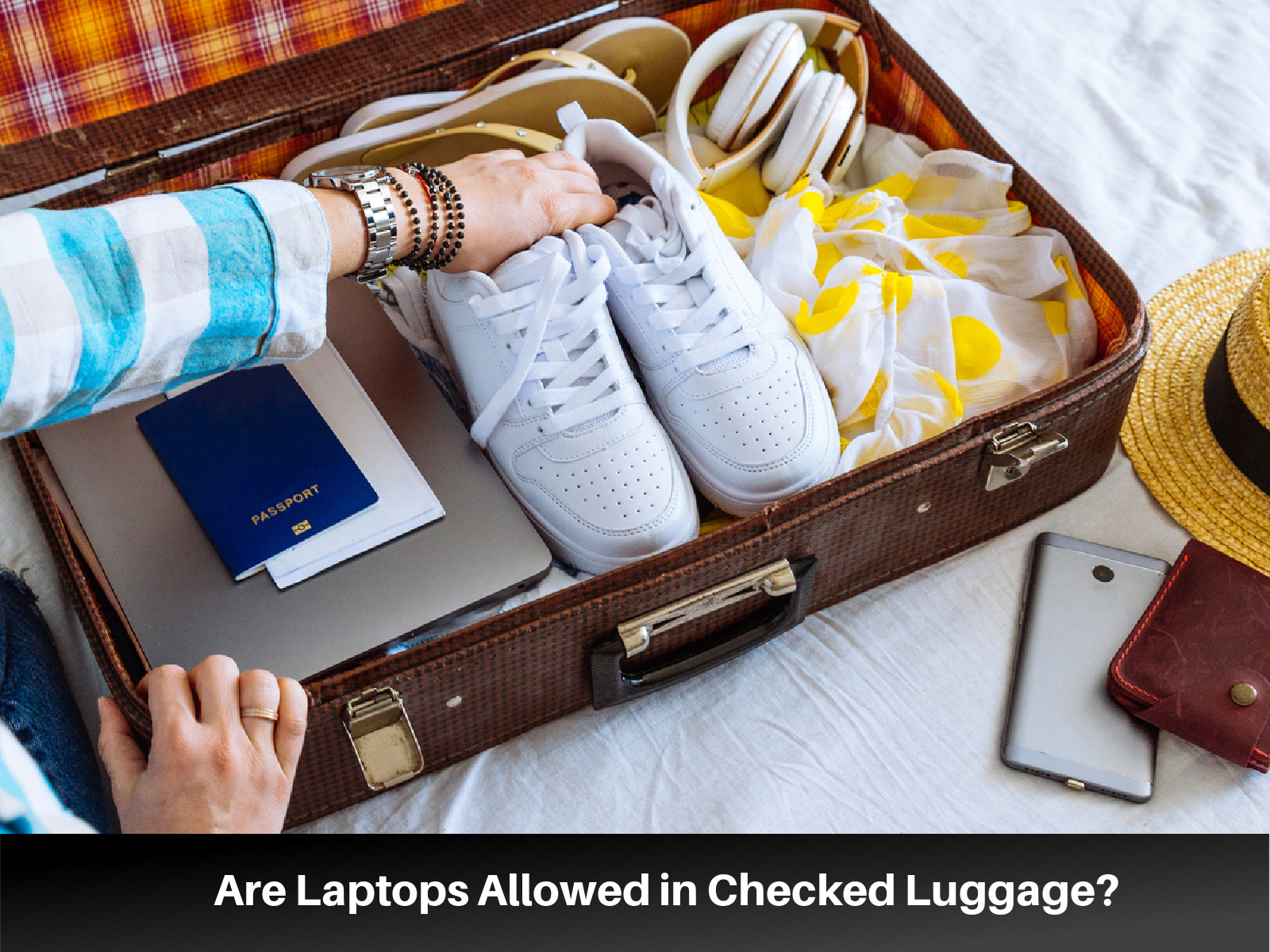
Credit: lifefamilyfun.com
Comparison: Carry-on Vs Checked Bag For Laptops
Let’s look at the pros and cons side by side. This makes your decision much clearer.
| Factor | Carry-On Bag | Checked Bag |
|---|---|---|
| Safety from Damage | High | Low |
| Theft Risk | Low | High |
| Fire Risk | Low | High |
| Access During Flight | Yes | No |
| Loss/Delay Risk | Very Low | Medium/High |
| Convenience | Easy to use | Not accessible |
As you can see, carrying your laptop with you is almost always safer and smarter.
When You Might Have No Choice
Sometimes, you can’t avoid checking your laptop. Maybe you have too many devices, or you’re forced to gate-check your bag on a small plane. If you must put your laptop in checked luggage, here’s what to do:
- Turn off your laptop completely. Do not use sleep or hibernation mode.
- Use a hard case and padded sleeve. Protect against bumps and pressure.
- Back up all important data. Use cloud storage or an external drive.
- Add a luggage lock. This won’t stop all thieves, but it helps.
- Label your laptop and bag clearly. Include your name, phone, and email inside.
- Disable automatic login. Use a strong password and encryption if possible.
- Remove all spare batteries or power banks. These must go in your carry-on by law.
- Take photos of your laptop and bag. This helps with claims if things go wrong.
Airline Policies: What The Top Carriers Say
Airlines can have different rules. Here’s a quick look at some major airlines and their stated policies as of 2024.
| Airline | Laptop in Checked Bag? | Special Rules |
|---|---|---|
| Delta | Allowed, not recommended | Remove batteries if possible |
| Emirates | Allowed, not recommended | No spare batteries in checked bags |
| Lufthansa | Allowed, not recommended | Must be switched off completely |
| Singapore Airlines | Allowed, not recommended | Battery must be inside device |
| Qantas | Allowed, not recommended | No damaged batteries |
| United Airlines | Allowed, not recommended | Encouraged to carry on |
Policies can change quickly. Check your airline’s website before every trip.
How To Pack A Laptop Safely In Checked Luggage
If you have no choice, you need to pack your laptop as safely as possible. Here’s a step-by-step guide based on both official advice and what I’ve learned from actual trips.
1. Power Down Completely
Make sure your laptop is fully shut down. Sleep or hibernation modes can still use the battery, which increases fire risk.
2. Remove All Accessories
Take out USB drives, SD cards, or dongles. These can break and may damage your laptop’s ports.
3. Use A Padded Laptop Sleeve
Put your laptop in a thick, padded sleeve. This absorbs shocks and protects against pressure.
4. Place In The Middle Of Suitcase
Don’t put your laptop on the bottom or top of your bag. Instead, surround it with soft clothes on all sides. This cushions it from impacts.
5. Use A Hard-sided Suitcase
Soft cases offer little protection. A hard-shell suitcase keeps your laptop safe from crushing.
6. Separate From Liquids
Never pack your laptop near shampoo, lotion, or other liquids. Even a small leak can ruin your device.
7. Lock Your Luggage
Use a TSA-approved lock. It’s not a perfect solution, but it does slow down thieves and keeps honest people honest.
8. Add A Tag Inside And Out
Put your name and contact info both outside and inside your bag. If your bag is lost, this helps the airline contact you.
9. Check Insurance And Warranties
Some travel insurance covers electronics in checked bags, but many do not. Read the fine print and consider extra coverage if you travel with expensive gear.
What About Spare Batteries Or Power Banks?
This is a key point many travelers miss. Extra lithium batteries and power banks are never allowed in checked bags. This is an international rule. Spare batteries must go in your carry-on, and there are limits on size and quantity.
- Each lithium-ion battery: Must not exceed 100Wh without airline approval.
- Maximum batteries: Usually 2 extra batteries per person for 100–160Wh, with approval.
- Power banks: Treated like spare batteries. Only in carry-on.
If you break this rule, your bag may be delayed or stopped by security. You could even face fines.
For more details, see the official guidance from the TSA.
Real-world Experiences: What Happens In Practice
I’ve met many travelers who thought it was fine to check their laptop, only to regret it later. Here are some common outcomes:
- Laptop arrives cracked or dead: Baggage handlers are not gentle. Even a tough bag can’t stop all impacts.
- Laptop is missing: Baggage theft does happen, especially at large airports.
- Laptop battery overheats: Cabin crew can handle incidents in the cabin, but in the cargo hold, it’s a bigger problem.
- No compensation: Airlines rarely pay full value for electronics. Most limit liability to $1,500–$2,000 for all baggage, and they often exclude electronics.
Once, I flew from New York to Madrid and had to check my laptop due to a last-minute gate-check. I wrapped my laptop in several shirts, placed it in the center of my bag, and prayed. It arrived safely, but I spent the whole flight worrying.
Next time, I made sure to keep my laptop in my backpack—lesson learned.
International Travel: Extra Rules To Watch For
If you’re flying internationally, you might face special rules:
- Some countries (like the UK and US): Have banned laptops in the cabin on flights from specific countries in the past.
- Security checks: Some airports will ask you to remove your laptop from your bag, even if it’s in checked luggage. Be ready for extra screening.
- Customs: In rare cases, customs officers may check your laptop for illegal software or content.
Always check the latest advice from your airline and airport before you travel. Rules change quickly, especially after security incidents.
What To Do If Your Laptop Is Lost Or Damaged
If the worst happens, take these steps right away:
- Report the loss or damage at the airport. Get a written report from the airline.
- Keep all documents and receipts. You’ll need these for claims.
- Take photos of the damage and your bag.
- File a claim with the airline within 24 hours. Many airlines have strict deadlines.
- Check your travel insurance. Some policies cover electronics if you can prove loss or damage.
Remember, airlines usually pay less than the real value for electronics, and some may exclude them completely.
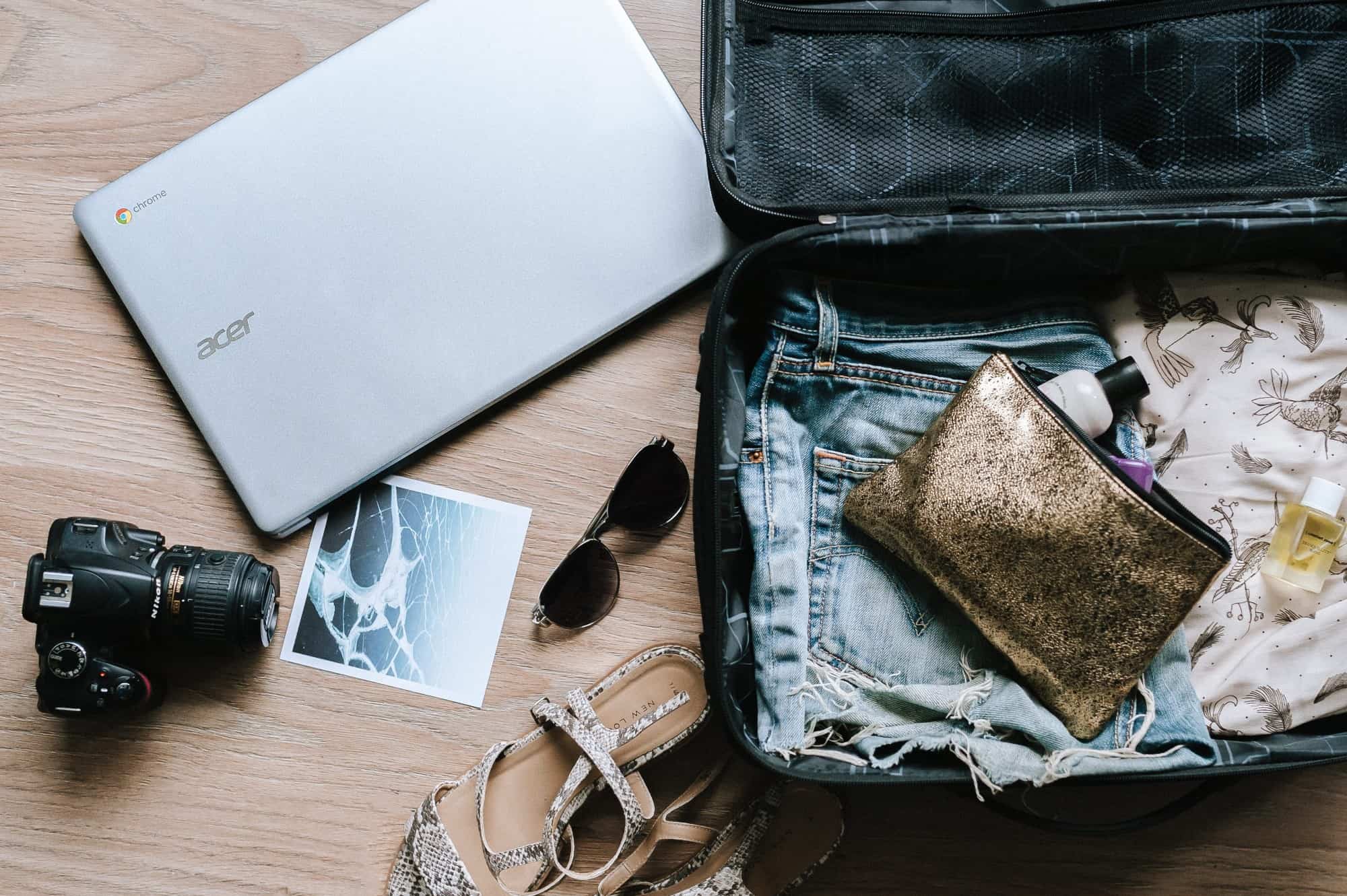
Credit: toomanyadapters.com
Data Protection: Keep Your Information Safe
Even if your laptop survives the flight, your data could be at risk. Here’s how to protect yourself:
- Use a strong password. Avoid simple codes like 1234 or your birthday.
- Enable encryption. This makes your data much harder to steal.
- Back up your data before you fly. Use cloud services or an external hard drive.
- Log out of sensitive accounts. Don’t leave social media, email, or banking apps open.
- Consider tracking software. Some apps let you locate your laptop if it gets stolen.
These steps are important even for carry-on bags. But if you must check your laptop, they are essential.
Alternatives To Checking Your Laptop
If you want to avoid all these risks, here are some smart alternatives:
- Use a tablet or smartphone instead. Many tasks can be done on smaller devices.
- Ship your laptop ahead by courier. This is sometimes safer and can be insured for full value.
- Rent a laptop at your destination. Some hotels and business centers offer this option.
- Use cloud-based tools. Save your work online and access it from any device.
Common Mistakes To Avoid
- Leaving your laptop in sleep mode: This keeps the battery active and increases fire risk.
- Packing spare batteries: These are not allowed in checked bags.
- Thinking a padded sleeve is enough: It helps, but it can’t stop serious impacts.
- Not labeling your device: If your bag is lost, unmarked devices are harder to recover.
- Skipping insurance: Most standard baggage insurance does not cover electronics.
Recent Changes And Trends (2023–2024)
Rules about electronics in checked luggage are always changing. In 2023, several airlines updated their policies after a few battery fire incidents. More airlines now advise keeping all devices with lithium batteries in your carry-on. Some airports now screen checked luggage for electronics and may remove laptops or batteries if they find them.
Stay updated before every trip. Check your airline’s website and the airport’s advice.
Summary: Should You Put A Laptop In A Checked Bag?
- Allowed? Yes, in most cases. But always check your airline and country rules.
- Recommended? No. Carrying your laptop with you is much safer.
- Risks: Damage, theft, fire, data loss, and low chance of full compensation.
- Exceptions: If you have no choice, follow all packing and data safety tips above.
From my experience—and from hundreds of stories I’ve heard from other travelers—keeping your laptop with you in the cabin is always the best choice. If you have to check it, take every step to protect both the device and your data.
Frequently Asked Questions
What Happens If I Accidentally Pack A Spare Battery In My Checked Bag?
Airport security may remove your battery, delay your bag, or even fine you. Spare lithium batteries are not allowed in checked luggage. Always pack them in your carry-on.
How Can I Protect My Laptop From Damage In Checked Luggage?
Use a thick padded sleeve, place it in the center of your suitcase surrounded by clothes, and use a hard-shell bag. Remove all accessories and power it off completely.
Will My Airline Pay If My Laptop Is Lost Or Damaged?
Most airlines do not fully cover laptops or other electronics in checked luggage. They may pay a small amount, but it is rarely the full value. Check your travel insurance for extra coverage.
Can I Put A Laptop In Checked Luggage On International Flights?
Yes, but rules may change depending on the country or route. Always check the latest rules with your airline and airport before traveling.
Is It Safer To Carry My Laptop On The Plane?
Yes. Carrying your laptop with you in the cabin is much safer. You avoid damage, theft, and fire risks, and you can use your laptop during the flight.
If you’re unsure, remember: when in doubt, keep your laptop with you. Safe travels!

Credit: www.myticketstoindia.com

Zayden Halbrook is a travel enthusiast and gear researcher passionate about making every journey smoother and more enjoyable. With a keen eye for practical travel essentials and real-world tips, he helps readers choose the right gear and travel smarter. When he’s not testing travel kits or exploring new destinations, Zayden shares simple, reliable advice to make every trip stress-free.