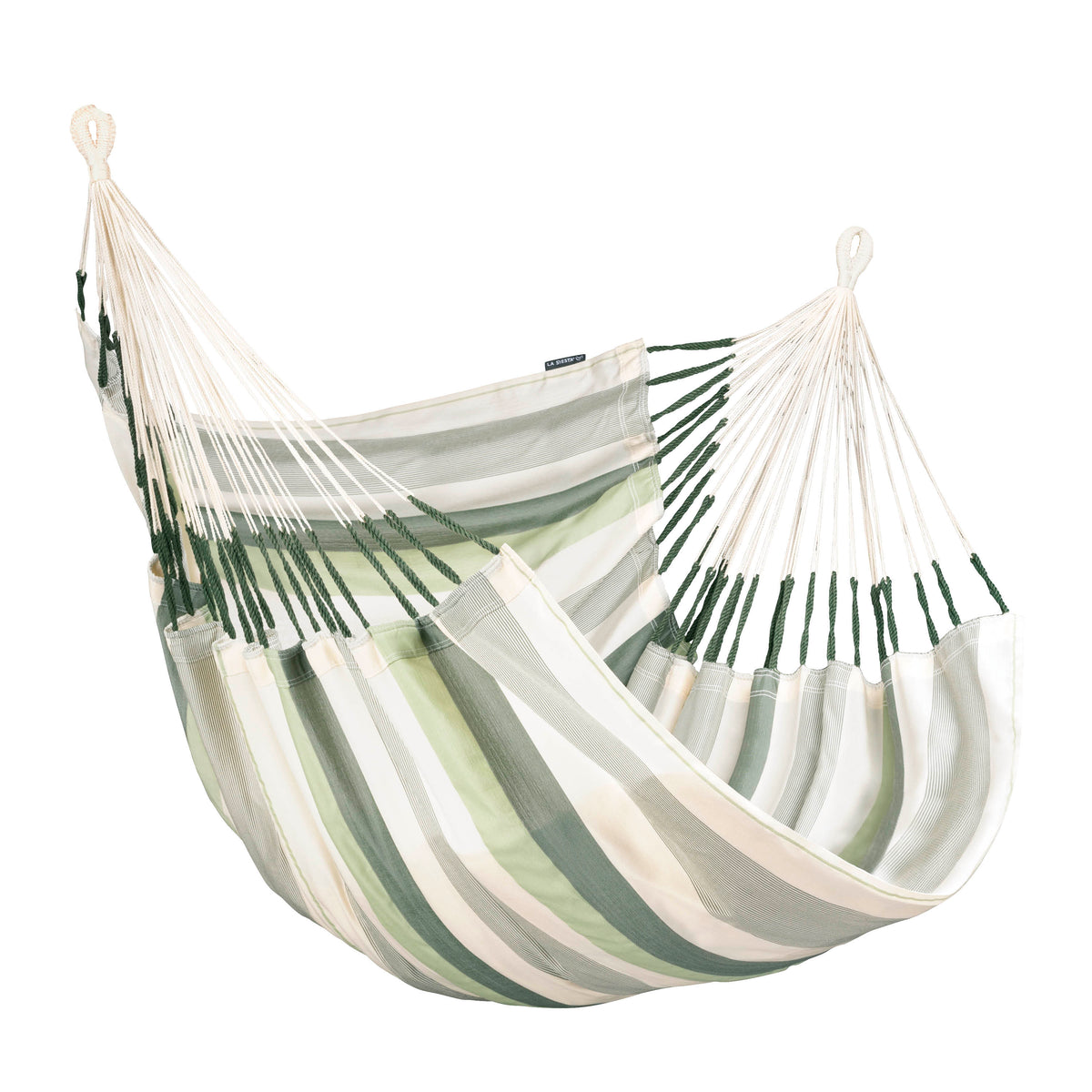
Choose a hammock at least 2 feet longer than your height, then match its width, weight limit, and hanging space.
Learning how to size a hammock is easier when you treat it like choosing a bed, not a chair. Your height, sleeping style, hammock shape, suspension points, and total load all matter. I have seen many comfort problems come from one simple mistake: people measure the space between trees but forget to measure the hammock itself. This guide explains how to size a hammock with clear measurements, practical examples, and safe setup tips.
What Does Hammock Size Mean?
Hammock size refers to more than the fabric’s length and width. It includes the hammock body, its weight capacity, the space needed for suspension, and the amount of room you need to lie comfortably.
When people search for how to size a hammock, they usually want answers to four basic questions:
• How long should the hammock be?
• How wide should the hammock be?
• Will it fit between my trees or stand?
• Can it safely hold my weight and gear?
A hammock that looks large in a product photo may feel short once it is hung. Suspension straps, carabiners, gathered ends, spreader bars, and the natural curve of the fabric all reduce usable space.
A good hammock should let you lie diagonally with your knees relaxed. You should not feel squeezed from end to end. You should also have enough fabric around your body to feel stable without being buried in a deep fold.

How Long Should a Hammock Be?
The most reliable rule is simple: choose a hammock at least 2 feet longer than your height. This rule works well for most gathered-end hammocks, camping hammocks, and backyard hammocks.
For example:
• A 5-foot-6-inch person should look for a hammock at least 7 feet 6 inches long.
• A 6-foot person should choose one at least 8 feet long.
• A 6-foot-4-inch person should usually choose a hammock 8 feet 4 inches or longer.
In real-world shopping, you will often see standard lengths such as 9.5 feet, 10 feet, 11 feet, and 12 feet. If you are between sizes, choose the longer model when your space and budget allow it.
Length matters because a hammock curves when hung. The fabric does not create a flat sleeping surface from end to end. A longer hammock gives your body more room to lie at a diagonal and reduces pressure on your shoulders and calves.
Recommended hammock length by user height
| User height | Suggested minimum hammock length | Comfortable common choice |
|---|---|---|
| Up to 5 feet 6 inches | About 7 feet 6 inches | 8 to 9 feet |
| 5 feet 7 inches to 6 feet | About 8 feet | 9.5 to 11 feet |
| 6 feet 1 inch to 6 feet 4 inches | About 8 feet 4 inches | 11 to 12 feet |
| Over 6 feet 4 inches | At least 8 feet 6 inches | 12 feet or longer |
These numbers are starting points, not strict laws. Some hammocks have a short body but a wide cut. Others use a fixed ridgeline that changes the resting curve. Always compare the hammock’s body length, not only its total length with straps attached.
When learning how to size a hammock, remember that extra length usually improves comfort. Extra width can help too, but an extremely wide hammock may wrap around you and make entry harder.
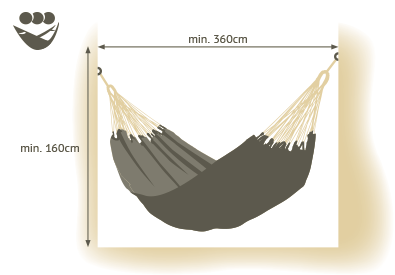
How Wide Should a Hammock Be?
Hammock width affects comfort, stability, and how enclosed you feel. Most single hammocks are about 4 to 5 feet wide. Double hammocks are often 5 to 6.5 feet wide.
A single hammock is often the best choice for one person who wants a lighter, simpler setup. A double hammock provides more fabric and room to shift, but its higher weight rating does not always mean two adults should sleep in it.
Use these general width guidelines:
• Choose a single hammock around 4 to 5 feet wide for solo lounging or camping.
• Choose a double hammock around 5 to 6.5 feet wide for extra room and a more wrapped feel.
• Choose a wider model if you have a larger frame or prefer to sleep with more fabric around you.
• Do not assume a double hammock is safe for two people unless the manufacturer clearly approves it.
Width is partly a matter of personal taste. Some people like a narrow hammock because it is easy to position and pack. Others prefer a wide hammock because it feels more like a soft cocoon.
One mistake I often see is choosing the widest model available and expecting it to feel automatically better. A very wide hammock can fold over your shoulders. It may also make it harder to find a balanced diagonal position. Comfort comes from the relationship between length, width, fabric stretch, and hang angle.

How to Size a Hammock for Your Body Type
Your height is the main sizing factor, but body shape and sleeping habits also matter. A tall person needs more length. A broad-shouldered person may prefer more width. A side sleeper may need a longer, more flexible hammock than someone who only sits or reclines.
Consider these factors:
• Height: Add at least 2 feet to your height for the hammock’s body length.
• Shoulder width: A wider hammock may reduce pressure at the shoulders.
• Body weight: Check the complete weight rating, including clothing, sleeping gear, and accessories.
• Sleeping position: Diagonal sleeping needs enough length and width to let your legs extend.
• Mobility: A very deep or narrow hammock may be harder to enter and exit.
For example, a 5-foot-10-inch person who only lounges may be comfortable in a 9.5-foot hammock. The same person who sleeps overnight may prefer an 11-foot model because it offers a flatter diagonal position.
If you have back, hip, or joint pain, hammock sizing deserves extra care. A hammock cannot replace medical advice, and a soft, curved surface does not suit everyone. Try a similar model before buying when possible.

How to Measure a Hammock Correctly
Product listings can use different measurement methods. Some list the fabric body only. Others include end loops, gathered ends, or spreader bars. That difference can make two hammocks with the same advertised length feel very different.
To measure a hammock at home:
-
Lay the hammock flat on a clean surface.
-
Measure from the farthest fabric edge at one end to the farthest fabric edge at the other end.
-
Do not include removable straps unless the product instructions say the listed size includes them.
-
Measure the widest part of the fabric for width.
-
Record the hammock’s stated weight limit from the manufacturer.
For a spreader-bar hammock, measure from the outer end of one bar to the outer end of the other bar. Its usable length may feel different from a gathered-end hammock because the bars keep the fabric open.
For a camping hammock, check whether the listed size describes the hammock body or the entire system. Bug nets, ridgelines, suspension straps, and rain tarps may add length or require extra room, but they do not always change the sleeping area.
When deciding how to size a hammock, use the manufacturer’s body dimensions as your main reference. A product page with only “single” or “double” is not detailed enough for a confident choice.
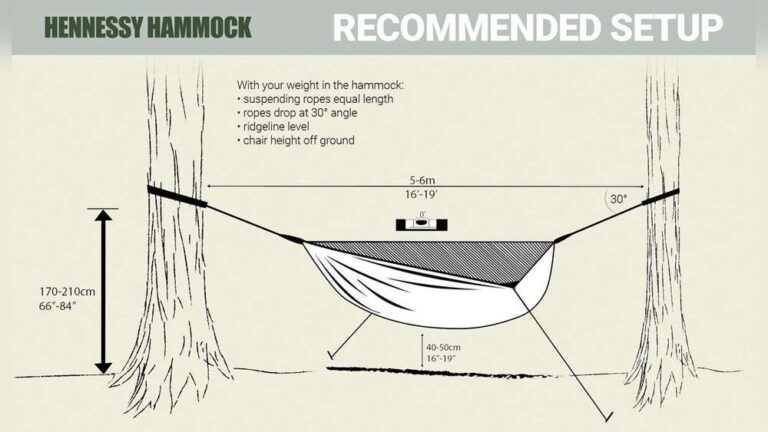
How Much Space Do You Need to Hang a Hammock?
Your hammock needs more space than its body length. You also need room for the suspension system and a safe hanging angle.
A common starting point is to place the anchor points about 10 to 15 feet apart. Many standard hammocks work well in this range, but the correct distance depends on the hammock’s length and the manufacturer’s instructions.
Use this basic process:
-
Measure the distance between your trees, posts, or stand.
-
Measure the hammock body length.
-
Add room for straps, carabiners, and a natural sag.
-
Check the required minimum and maximum hang distance.
-
Confirm that the anchor points are strong and suitable.