
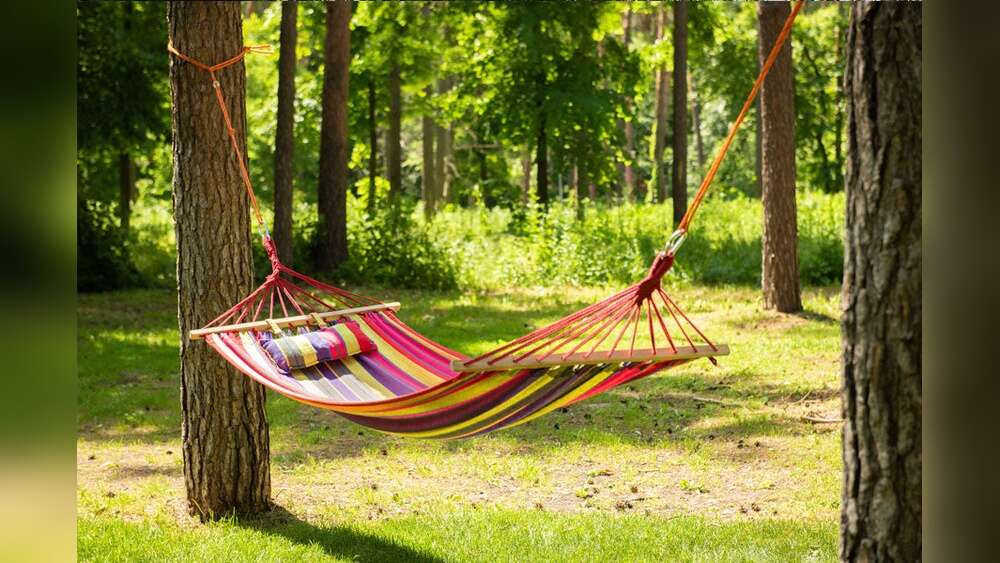
Hanging a hammock looks simple, but doing it right makes all the difference. I remember the first time I tried to hang my own hammock in my backyard. I thought it would take only a few minutes, but I quickly learned there’s much more to it! A good setup gives you comfort, safety, and peace of mind, whether you’re relaxing on a porch, between two trees, or inside your home.
In this guide, you’ll learn everything you need to know, from choosing the right spot to tying knots, so you can enjoy your hammock with complete confidence.
Why Hammock Hanging Matters
Hammocks are more than just a way to relax. They can improve your mood, support your back, and even help you sleep better. However, a badly hung hammock can be uncomfortable, or even dangerous. People sometimes get hurt because they rush the process or skip important steps.
Learning to hang a hammock the right way means you’ll get the most from your investment—and stay safe.
Choosing The Right Hammock
Before you start, you need the right hammock for your space and needs. There are several types:
- Rope hammocks – Classic, breathable, and great for warm weather.
- Fabric hammocks – Solid and comfortable, good for cooler days.
- Camping hammocks – Lightweight, strong, and easy to pack.
- Chair hammocks – Made to sit upright, perfect for reading or chatting.
The material matters, too. Cotton is soft but not weatherproof. Polyester lasts longer outdoors. Nylon is strong and light, used in camping hammocks.
Expert tip: If you plan to leave your hammock outside, choose synthetic materials like polyester or nylon. They resist mold and last longer in sun and rain.
Finding The Best Location
A hammock needs strong support. The most common places are:
- Between two trees
- On a porch or balcony
- Using a hammock stand
- Indoors (using studs in walls or ceilings)
Measuring The Distance
Measure the distance between your supports. Most hammocks need about 10 to 15 feet between points. Check your hammock’s length (loop to loop), then add about 2 feet for the straps or ropes.
If your supports are too far apart, you’ll sink too low. Too close, and the hammock will be tight and uncomfortable.
Personal experience: I once tried to stretch my hammock between two trees that were too far apart. Even with longer straps, I almost touched the ground! After moving to trees about 12 feet apart, the sag was perfect.
Checking Weight Limits
Every hammock and support has a weight limit. Most hold between 250 to 500 pounds, but always check the label. If you’re using trees, each should be at least 6 inches thick. For walls or ceilings, use strong anchors drilled into studs.
Never guess with weight limits. Overloading can cause falls and injuries.
Tools And Materials You’ll Need
Gather your supplies before you start. Here’s a basic list:
- Hammock (with carabiners or loops)
- Strong rope or hammock straps (rated for outdoor use)
- Tape measure
- Level (optional, but helpful)
- Stud finder (for indoor hanging)
- Drill and eye bolts (for walls/ceilings)
- Ladder (if needed)
Always use ropes or straps that are at least 0.25 inches thick and rated for more weight than you expect to use.
How To Hang A Hammock Outdoors
Between Two Trees
- Choose healthy trees at least 12 feet apart and at least 6 inches in diameter.
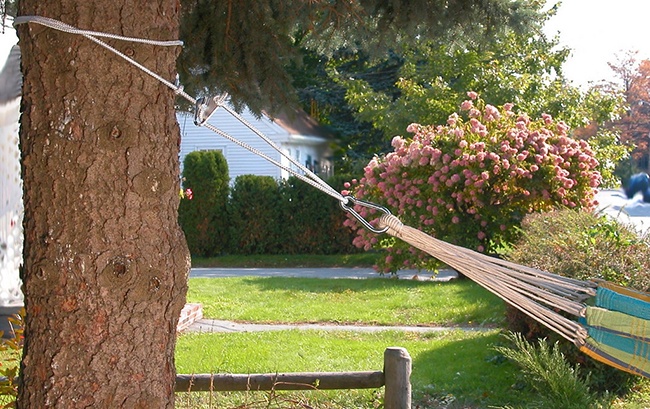
- Wrap straps or ropes around each tree, about 4 to 6 feet high.
- Attach the hammock’s ends to the straps using carabiners or knots.
- Adjust the height so the lowest point of the hammock hangs about 18 inches off the ground.
- Sit down gently to test the setup before lying back.
With A Hammock Stand
- Place the stand on level ground.
- Attach each end of the hammock to the stand’s hooks.
- Adjust the chain or hook position for the right sag (the “smile” shape).
- Check that the stand is stable before use.
On A Porch Or Balcony
- Find strong posts or beams. They should be wood or metal, not plastic.
- Wrap straps or drill in eye bolts 4 to 6 feet high.
- Attach the hammock ends securely.
- Test carefully before full use.
Non-obvious insight: Trees and posts can shift a little when weight is added. Always double-check your setup after the first use, especially with new hammocks or in wet weather.

Credit: vrazacademy.com
How To Hang A Hammock Indoors
Hanging a hammock inside is a great way to relax at home. But the process is different from outdoors.
- Pick your spot. Find strong walls or ceilings. Avoid thin plaster or drywall.
- Use a stud finder to locate wooden studs or ceiling joists. Never attach to drywall alone.
- Mark anchor points about 4 to 6 feet high and the right distance apart for your hammock.
- Drill holes and install heavy-duty eye bolts (at least 3/8 inch thick).
- Attach your hammock to the eye bolts with carabiners or rope.
- Test by sitting gently before lying back.
Experience tip: I once drilled into a wall without checking for studs. The hook ripped out on my first test sit! After that, I always use a stud finder and heavy-duty bolts.
Hammock Hanging Angles And Sag
The way your hammock hangs changes how comfortable and safe it feels. The ideal hanging angle is about 30 degrees from horizontal. This angle gives you:
- Enough sag for comfort
- Less stress on the anchors and fabric
If the hammock is too tight, it feels stiff and can damage the material. Too loose, and you’ll sink too much.
Quick check: When you sit in the hammock, the lowest point should be about chair height (18 inches off the ground).
Credit: www.yardenvy.com
Knots And Hardware For Hanging Hammocks
There are two main ways to attach your hammock: knots and hardware.
Using Knots
Some popular knots for hammocks are:
- Bowline knot – Strong, easy to untie, creates a fixed loop.
- Becket hitch – Simple, holds tight, used in camping hammocks.
- Taut-line hitch – Adjustable, good for changing tension.
Knots are lightweight and cheap but require practice to tie correctly. Always check for fraying or slipping.
Using Hardware
- Carabiners – Quick, strong, easy to clip and unclip.
- Eye bolts – For walls and ceilings, must be installed in studs.
- Straps with loops – Protect trees and make setup fast.
Non-obvious insight: Wide tree straps (at least 1 inch) prevent damage to tree bark and spread the weight better than thin ropes.
Comparing Different Hammock Hanging Methods
Here’s a comparison of the most common ways to hang a hammock:
| Method | Pros | Cons | Best For |
|---|---|---|---|
| Tree Straps | Easy, tree-friendly, adjustable | Need strong trees, not for indoors | Backyards, camping |
| Hammock Stand | Portable, no trees needed | Costs more, takes space | Patios, indoors, small yards |
| Wall/Ceiling Anchors | Permanent, sturdy | Must drill, not moveable | Indoors, porches |
| Rope Only | Cheap, light | Hard to adjust, can hurt trees | Temporary setups |
Safety Tips For Hammock Hanging
Safety is the most important part of hanging a hammock. Here are the top points to remember:
- Check supports before every use. Trees, posts, and walls can weaken over time.
- Use hardware rated for your weight. Never use old or rusty hooks.
- Hang at the right height. About chair height is safest.
- Clear the area below. Remove rocks, sharp objects, or anything that could cause injury if you fall.
- Don’t swing hard. Excessive swinging can loosen anchors or damage trees.
- Supervise children. They love hammocks, but may not understand safety.
- Inspect ropes and fabric. Look for fraying, cuts, or worn spots.
Non-obvious insight: After heavy rain or storms, double-check outdoor setups. Wet wood or loose soil can weaken tree roots or posts.
Adjusting For Comfort
Every person likes their hammock set up a little differently. Here’s how you can make yours more comfortable:
- Change the sag. More sag often means more comfort for sleeping.
- Lie diagonally. This flattens your body and relieves pressure on your back.
- Add a pillow or pad. Some people like a small pillow under their knees or head.
- Use a bug net or tarp. For outdoor hammocks, these add protection.
Some hammock fans use small accessories like underquilts (for warmth) or drink holders. Try different setups to see what feels best for you.
Common Hammock Hanging Mistakes (and How To Avoid Them)
Many beginners make the same errors. Here’s what to watch for:
- Hanging too tight. This puts stress on the hammock and makes it uncomfortable.
- Using weak supports. Thin trees, old posts, or drywall will fail.
- Ignoring weight limits. Always check both the hammock and the anchors.
- Not checking after setup. Always test gently before lying back.
- Using the wrong knots or hardware. Learn a few basic knots or invest in strong carabiners.
Once, I saw a friend try to hang a hammock from a porch railing using thin rope. The rope snapped, and he landed hard! That’s why I always recommend using equipment that’s rated for more weight than you expect.
Weather And Outdoor Hammock Care
If you leave your hammock outside, the weather can affect both safety and comfort.
- Sun: Prolonged sun can fade colors and weaken fibers.
- Rain: Wet hammocks can grow mold or mildew if not dried well.
- Wind: Strong wind can wrap or tangle hammocks around trees.
To protect your hammock:
- Take it down when not in use.
- Store in a dry, shaded place.
- Wash and dry it regularly.
If you want your hammock to last, use weather-resistant materials and check for damage often.

Credit: www.rei.com
Installing Hammock Hardware Properly
Let’s look at the right way to install anchors, especially indoors or on porches.
Eye Bolts In Wood
- Use a stud finder to locate a stud or joist.
- Mark your spot about 4 to 6 feet high.
- Drill a pilot hole (slightly smaller than your eye bolt).
- Screw in a heavy-duty eye bolt until snug.
- Attach your hammock with carabiners or rope.
Using Wall Plates
Some people use wall plates with multiple anchor points. These spread the load and make the setup stronger.
- Choose a plate rated for at least 300 pounds.
- Install with lag screws into the stud.
- Test before using.
Non-obvious insight: Avoid using masonry anchors unless you know your wall is solid concrete or brick. Most homes have hollow walls, which are not safe for hammocks.
Hammock Hanging Data: Ideal Measurements
Here are typical measurements for a comfortable setup:
| Hammock Length | Distance Between Supports | Height to Hang Straps | Sag (Lowest Point Above Ground) |
|---|---|---|---|
| 9 ft | 10-11 ft | 4 ft | 18 in |
| 11 ft | 12-13 ft | 4.5 ft | 18 in |
| 13 ft | 14-15 ft | 5 ft | 18 in |
Eco-friendly Hammock Hanging
Caring for nature is important, especially when hanging hammocks outdoors.
- Use tree-friendly straps at least 1 inch wide.
- Never hammer nails or screws into living trees.
- Move your hammock sometimes to avoid damaging the bark.
- Take down your hammock when not in use to let trees recover.
For more on tree health and environmental tips, you can check the Arbor Day Foundation.
Hammock Hanging For Different Activities
You can use hammocks for more than just relaxing:
- Sleeping: Use a wider, longer hammock with more sag.
- Reading or working: Try a hammock chair or hang your hammock tighter for more support.
- Camping: Choose lightweight, weatherproof fabric and add bug nets or tarps.
- Kids’ play: Always use lower setups and supervise closely.
Personal insight: I often use my hammock for short naps and reading. For naps, I set it with more sag and add a small pillow. For reading, I hang it tighter and use a blanket for back support.
How To Hang A Hammock Without Trees
Not everyone has trees or posts. Here are some options:
- Hammock stands: Portable, sturdy, and great for patios or indoors.
- Posts set in concrete: Place two 4×4 wooden posts about 12 feet apart and 2 feet deep in concrete.
- Wall anchors: For porches, garages, or even bedrooms.
- Between cars: Some campers use car roof racks as supports (check your car’s weight limit first).
Always check that your supports are safe and can handle the load.
Quick Troubleshooting Guide
If something doesn’t feel right, try these fixes:
- Hammock sags too much: Move straps higher or closer together.
- Hammock feels tight: Lower the anchor points or use longer straps.
- Fabric bunches at ends: Spread out the material before lying down.
- Unstable anchors: Recheck for strong attachment to trees, studs, or stand.
Sometimes, small changes make a big difference in comfort and safety.
Packing Up And Storing Your Hammock
After use, store your hammock properly:
- Shake off dirt and leaves.
- Let it dry completely before packing.
- Fold or roll loosely to avoid creases.
- Keep in a dry, cool place.
This keeps your hammock fresh and ready for next time. If you use it often, check for wear every few weeks.
Frequently Asked Questions
How Far Apart Should My Hammock Supports Be?
Most hammocks need 10 to 15 feet between supports. Check your hammock’s length and add about 2 feet for straps or ropes.
What’s The Best Way To Hang A Hammock Indoors?
Find strong wall studs or ceiling joists with a stud finder. Use heavy-duty eye bolts, and always test the setup gently before full use.
Can I Hang A Hammock On A Balcony?
Yes, if your balcony has strong beams or posts. Never attach to thin railings. Use straps, not ropes, to protect surfaces.
How Can I Avoid Damaging Trees?
Use wide tree straps (at least 1 inch), never nails or screws. Move your hammock sometimes, and take it down when not in use.
How Do I Wash My Hammock?
Most fabric hammocks can be washed by hand or in a gentle machine cycle. Always dry fully before storing, and follow the manufacturer’s care instructions.
Hanging a hammock is about more than just tying knots—it’s about creating a safe, comfortable spot to relax. With these tips, you can enjoy your hammock anywhere, knowing you’ve done everything right. Whether you’re new to hammocks or an experienced user, good technique makes all the difference.
Happy hanging!

Zayden Halbrook is a travel enthusiast and gear researcher passionate about making every journey smoother and more enjoyable. With a keen eye for practical travel essentials and real-world tips, he helps readers choose the right gear and travel smarter. When he’s not testing travel kits or exploring new destinations, Zayden shares simple, reliable advice to make every trip stress-free.
Similar Posts
How to Hang a Hammock Inside: Easy Steps for a Cozy Retreat
Hanging a hammock inside your home can turn any room into a cozy retreat. Whether you want a relaxing spot to read, a swing for your kids, or a unique place for afternoon naps, a hammock brings comfort and a touch of adventure indoors. Many people think hanging a hammock inside is hard, but with…
How To Measure A Hammock Stand: Easy Guide
Learn how to measure a hammock stand correctly for a safe, comfortable fit. Get simple tips for choosing the right stand and hammock setup.
How To Hang A Hammock On A Balcony: Safe Setup Guide
Learn how to hang a hammock on a balcony safely with expert tips on anchors, space, weight limits, and comfortable setup.
How To Hang A Hammock Chair From Ceiling: Easy Safe Guide
Learn how to hang a hammock chair from ceiling safely with the right hardware, tools, and simple steps for a secure, relaxing setup.