To camp in a hammock, choose strong trees, use safe straps, add insulation, and protect yourself from rain and bugs.
Learning how to camp in a hammock is more than hanging fabric between two trees. A good setup keeps you warm, dry, comfortable, and safe while reducing your impact on the ground. This guide explains the gear, setup method, weather systems, safety checks, and practical lessons that help turn a night in the woods into a restful experience.
What You Need for Hammock Camping
Before learning how to camp in a hammock, gather the right equipment. A simple recreational hammock is not always safe or comfortable for overnight use. Look for gear made for camping, with a suitable weight rating and enough space for you to lie diagonally.
Essential hammock camping gear includes:
• A camping hammock with strong suspension points
• Tree straps that are at least 1 inch wide
• Two suspension systems, such as webbing straps, whoopie slings, or buckled straps
• An underquilt or insulated sleeping pad
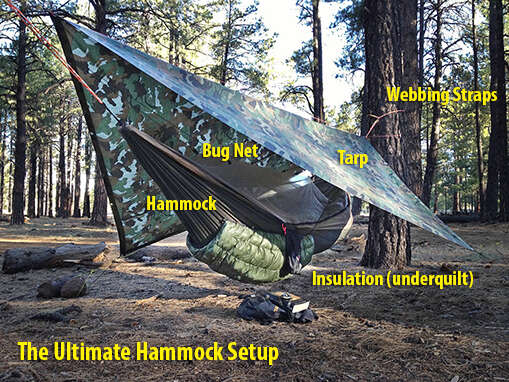
• A rain tarp with ridgeline and guylines
• A bug net or hammock with built-in mosquito netting
• A sleeping bag or quilt suited to the expected temperature
• A small pillow or stuff sack filled with soft clothing
• Stakes for securing tarp guylines
• A headlamp, first-aid kit, and repair tape
• A sit pad or small groundsheet for cooking and changing clothes
A hammock is only one part of the sleep system. The tarp handles rain, the bug net blocks insects, and the underquilt stops cold air from stealing heat beneath you.
Check every item before leaving home. Inspect straps for cuts, knots for slipping, and fabric for worn seams. A five-minute check can prevent a long night spent on the forest floor.

How to Choose a Safe Campsite
Good campsite selection is one of the most important parts of learning how to camp in a hammock. You need two healthy trees with enough distance between them, but you also need to study the ground, weather, and surrounding hazards.
Choose trees that are:
• Living and firmly rooted
• About 6 to 8 inches in diameter or larger
• Free from dead branches above your sleeping area
• Far from cliffs, shorelines, and areas that may flood
• Strong enough to support your body and gear
Avoid trees with loose bark, deep cracks, fungus, or signs of rot. Do not hang from dead trees, leaning trees, fence posts, or small saplings. A tree may look solid while its roots are weak beneath the soil.
Look up before setting up. Dead branches, called widowmakers, can fall without warning during wind or rain. Also scan for ant hills, wasp nests, animal tracks, poison ivy, sharp rocks, and standing water.
The best distance between trees often falls between 12 and 20 feet. Your hammock model may need a different span, so check its instructions. If the trees are too close, the hammock may hang too flat. If they are too far apart, the suspension may become too tight.
Always follow local camping rules. Some parks limit hammock use, require tree protection, or ban camping outside marked sites. Leave No Trace guidance also recommends using durable surfaces and avoiding damage to living trees.

How to Hang a Hammock Correctly
The safest way to camp in a hammock starts with a strong, balanced suspension system. Wrap each strap around a tree at roughly head or chest height. The strap should sit flat against the bark, not twist into a narrow band.
Follow these steps:
-
Wrap one wide strap around the first tree.
-
Attach the hammock using the manufacturer’s approved connection point.
-
Repeat the process on the second tree.
-
Adjust both straps until the hammock hangs evenly.
-
Aim for a gentle curve rather than a tight, straight line.
-
Sit in the hammock slowly to test the connections.
-
Lie diagonally across the fabric for a flatter sleeping position.
A common rule is to hang the center of the hammock about 18 inches above the ground when occupied. This gives you room to sit without making a fall dangerous. Never hang so high that a suspension failure could cause serious injury.
The hammock suspension should form a relaxed angle of about 30 degrees from the tree to the hammock body. This angle reduces stress on the trees and fabric. Pulling the straps extremely tight can place much more force on the suspension than expected.
Do not tie knots that you cannot untie or that are not approved for your system. Buckle straps and purpose-made hammock hardware are easier to adjust and inspect. Keep metal parts away from tree bark when possible, and use wide webbing to spread pressure over a larger area.
After your first test, get out and inspect both anchor points again. Check for slipping, stretched fabric, damaged straps, or sudden movement. A secure setup should feel stable but not rigid.

How to Sleep Comfortably in a Hammock
Many beginners lie straight down the center of the hammock. This often creates a curved, tight position that bends the knees and presses the fabric against the shoulders. Sleeping diagonally gives your body a flatter surface.
Place your head slightly to one side and your feet toward the opposite side. The fabric should support your back without squeezing your shoulders. Small adjustments can make a major difference, so test the position before darkness.
A lightweight camping pillow or a rolled jacket can support your neck. Avoid using a large pillow that pushes your head forward. Keep small items in a ridgeline organizer or a pocket, but do not overload the hammock with hard objects.
Your sleeping bag may work well in mild weather, but insulation beneath you is essential in cool conditions. When you lie in a hammock, your body compresses the insulation under your back. Compressed insulation traps less warm air.
An underquilt hangs beneath the hammock and stays lofted. It usually provides better comfort than a sleeping pad, though it may cost more. A sleeping pad can also work, especially if it has side rails or a shape designed for hammocks.
Test your sleep system in the backyard or on a short trip first. The first night is not the best time to discover that your pad slides out or your quilt leaves a cold gap near your shoulders.
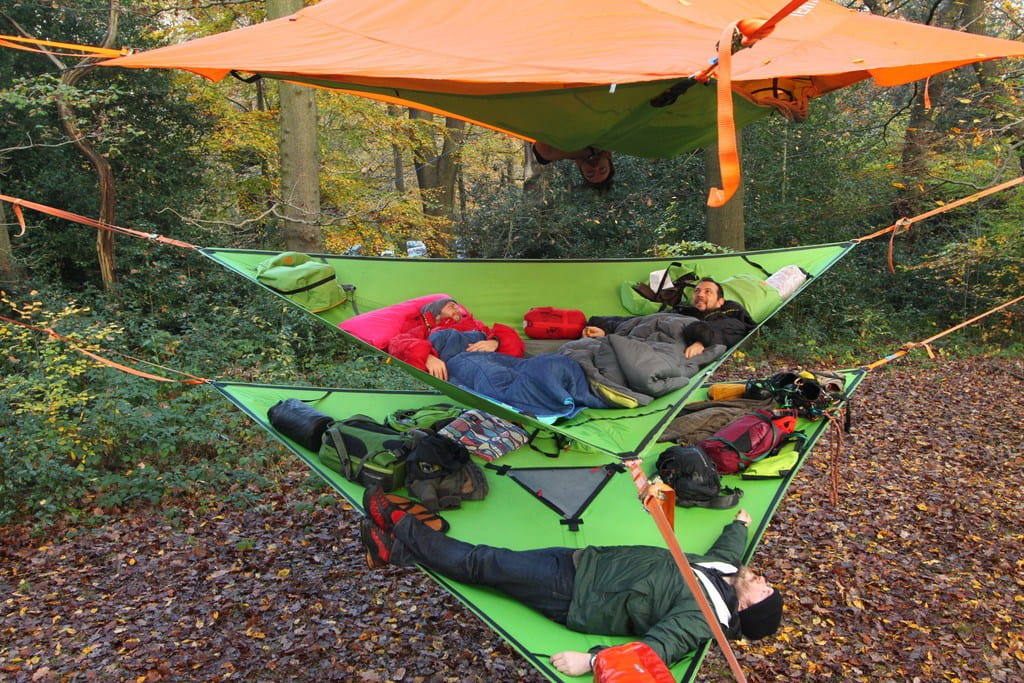
Staying Warm in a Hammock
Cold air can flow beneath a hammock all night. This effect is sometimes called cold butt syndrome, and it can ruin an otherwise pleasant trip. The solution is to insulate the underside of your body, not just the top.
Use a sleeping system based on the lowest temperature you may face. Weather forecasts can change, especially in mountains and open woodland. Leave a safety margin rather than choosing gear rated exactly for the forecast.
Useful insulation options include:
• A full-length underquilt for cold weather
• A three-quarter underquilt for lighter weight
• A hammock-rated sleeping pad
• A foam pad placed inside the hammock
• A warm sleeping bag or top quilt
A foam pad is inexpensive and reliable, but it can feel narrow and may shift while you sleep. An underquilt usually stays more comfortable because it conforms to the hammock from below.
Close gaps around your shoulders and feet. Even a small opening can let cold air enter. Do not compress an underquilt by pulling it too tight, because compression reduces its ability to trap warm air.
Wear dry base layers, warm socks, and a hat. Avoid going to bed in damp clothing from the day’s hike. Keep tomorrow’s clothes inside your sleeping bag or pack liner so they remain dry and warm.
In very cold weather, a hammock may require more insulation than a tent. This is a key limitation. Hammocks are not automatically warmer than tents, and they need careful temperature management.

Protecting Yourself From Rain and Wind
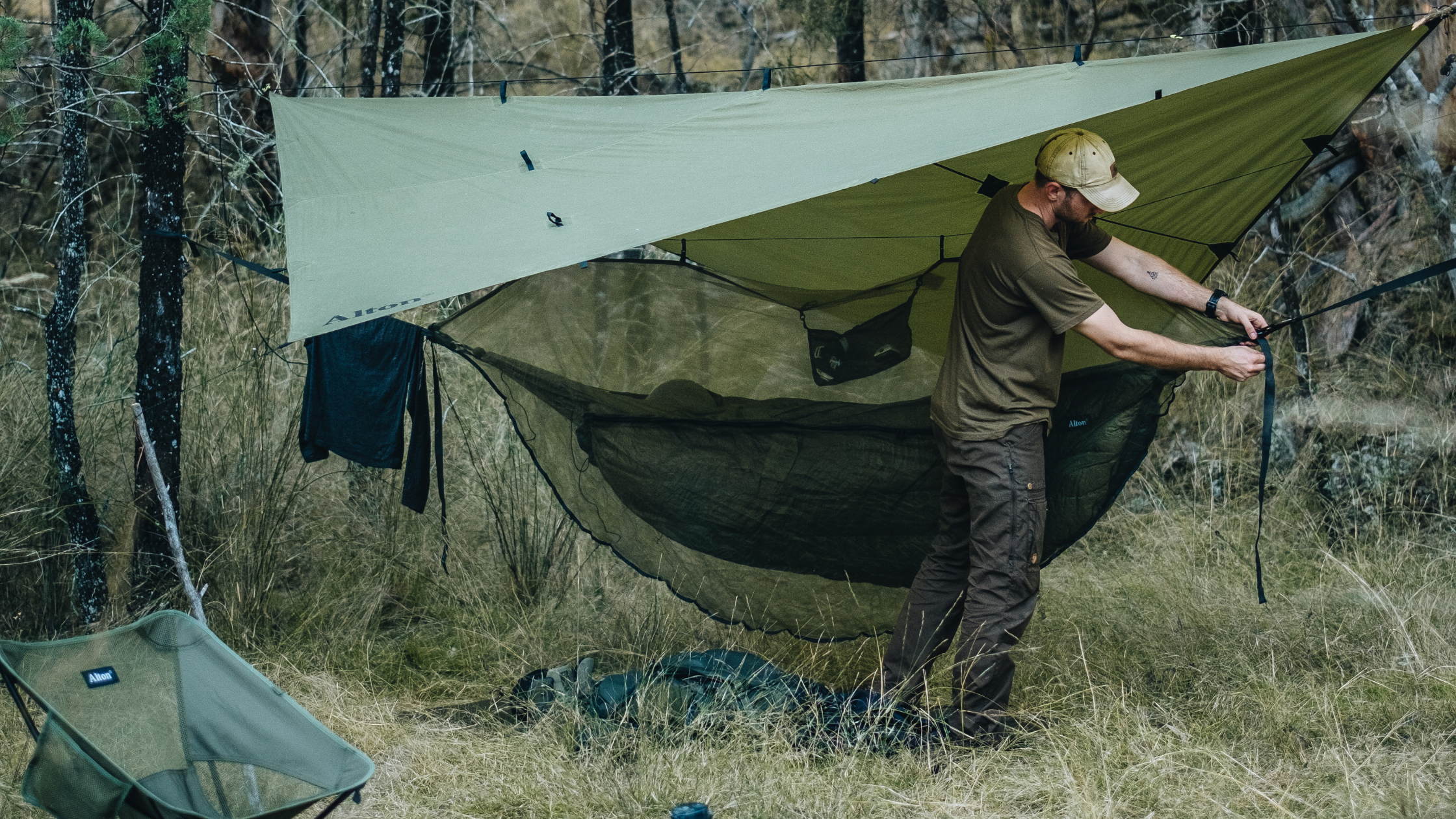
A hammock tarp acts like a small roof over your sleeping area. It should extend beyond both ends of the hammock and provide enough width to shield your body from wind-driven rain.
Set the tarp before the weather turns bad. A useful setup includes:
• A ridgeline running above the hammock
• Tarp edges positioned beyond the hammock ends
• Guylines tightened evenly
• Stakes placed at a secure angle
• One side opened for airflow in calm weather
• One or both sides lowered during strong rain or wind
The tarp should not touch the hammock. Leave enough space for air to move between them. Good airflow reduces condensation, which can make your sleeping bag and clothing damp.
In heavy rain, angle the tarp toward the wind and lower the sides closer to the ground. Keep your backpack and shoes under the tarp but away from runoff. Water can travel down guylines, so use a drip line or small cord near the hammock suspension to direct water away.
Wind deserves special attention. A hammock can swing and expose your body to rain if the tarp is too high or poorly staked. If strong storms are expected, consider using a ground tent or postponing the trip. Knowing when not to use a hammock is part of outdoor skill.
Keeping Bugs and Wildlife Away
Mosquitoes, flies, and other insects can quickly turn a peaceful night into an uncomfortable one. A built-in bug net offers full protection, while a separate net gives you more flexibility.
Close the net completely before sunset. Check for holes and make sure the net does not press against your skin, since insects may bite through mesh when it is tight against your body.
Use insect repellent on exposed skin according to the product label. Permethrin-treated clothing can offer additional protection, but follow all treatment and washing instructions. Do not apply permethrin directly to your skin.
Store food, toothpaste, scented wipes, and trash away from where you sleep. Use a bear-resistant canister or approved food storage method where required. In bear country, follow local rules rather than relying on a simple hanging food bag.
Never keep food inside your hammock overnight. A hammock is a sleeping space, not a pantry. Wildlife may be curious about smells even when food is sealed.

A Simple Hammock Camping Setup
If you are new to hammock camping, use a repeatable setup routine. A routine helps you avoid missed steps when you arrive tired or when daylight is fading.
-
Inspect the campsite for hazards above and below.
-
Select two healthy trees at a suitable distance.
-
Wrap wide straps around the trees.
-
Attach the hammock and adjust the height.
-
Sit gently in the hammock to test the suspension.
-
Add the bug net and ridgeline if needed.
-
Hang the tarp and secure the guylines.
-
Install the underquilt or sleeping pad.
-
Add the sleeping bag or top quilt.
-
Put essential items in a secure, reachable place.
-
Test the setup by lying diagonally in the hammock.
-
Check the tarp, straps, and insulation again before sleep.
Set up while you still have natural light. Nighttime setup increases the chance of missing a dead branch, twisting a strap, or placing a stake where it may trip you.
On a first trip, avoid complicated tarp shapes and advanced suspension systems. Simple gear that you know well is safer than expensive gear you have not practiced with.

Common Hammock Camping Mistakes
Most problems come from small setup errors rather than equipment failure. Learning from common mistakes makes how to camp in a hammock much easier.
Avoid these errors:
• Hanging from trees that are too small or damaged
• Using narrow cord or thin straps around tree bark
• Setting up beneath dead branches
• Sleeping without insulation beneath your body
• Choosing a tarp that is too short or narrow
• Hanging the hammock too high
• Pulling the suspension extremely tight
• Ignoring wind direction
• Leaving food and scented items nearby
• Waiting until dark to set up
• Failing to check local regulations
One mistake I often see from new campers is treating a hammock like a suspended cot. The goal is not to make the fabric perfectly flat or tight. A gentle curve and diagonal sleeping position usually create better support.
Another common mistake is packing for the daytime temperature. Forest nights can feel much colder than the afternoon, especially when wind moves under the hammock. Plan for nighttime conditions and carry an extra layer when the forecast is uncertain.
Never assume a familiar campsite is safe in all weather. A site that works on a calm summer night may be poor during heavy rain or strong wind.
How Hammock Camping Affects the Environment
Hammock camping can reduce ground contact, but it is not automatically low impact. Straps can damage tree bark, and repeated use can create worn areas around popular campsites.
Use wide, tree-friendly straps. Do not use bare rope, wire, or narrow cord around living trees. These materials can cut into bark and damage the cambium layer beneath it.
Choose durable trees and avoid setting up in fragile vegetation. Pack out all trash, keep fires within approved areas, and avoid washing food or soap into streams.
Good outdoor ethics include:
• Camping on established or durable surfaces
• Keeping a safe distance from water sources
• Leaving plants, rocks, and natural objects in place
• Following fire restrictions
• Respecting wildlife and other campers
• Removing all gear when you leave
Hammock use may be restricted in some wilderness areas because of tree damage or visitor concerns. Check the rules before your trip, especially in national parks, state parks, and designated wilderness.
When a Hammock Is Not the Best Choice
Hammocks are excellent in forests with suitable trees, but they do not work everywhere. High alpine areas, deserts, beaches, treeless plains, and some heavily regulated campsites may offer no safe anchor points.
A tent may be better when:
• No healthy trees are available
• Heavy snow or severe wind is expected
• You need room for children or pets
• You want to sleep with a partner in one shelter
• You need more space for changing clothes
• The campsite has strict hammock restrictions
Hammocks can also be less convenient for people who need a firm, flat surface. Some campers with back, hip, or mobility concerns find the curved position uncomfortable. Try one at home before committing to a longer trip.
The best shelter is the one that matches the landscape, weather, and your experience. Hammock camping is a useful skill, not a rule that every trip must follow.
Safety Tips for Overnight Hammock Camping
Use a cautious approach every time you set up. Your body weight, wet gear, and movement place stress on the hammock and suspension.
Keep these safety habits:
• Follow the hammock maker’s weight limit
• Include your body weight and gear in that limit
• Inspect the fabric and straps before every trip
• Keep suspension points below dangerous heights
• Do not stack people in one hammock
• Keep knives, stoves, and sharp tools outside the hammock
• Do not cook inside or directly beneath the hammock
• Carry a backup plan for cold or wet conditions
• Tell someone where you are going
• Carry navigation tools and a charged phone
A hammock should never be used as a substitute for basic backcountry planning. Check the weather, understand the route, and carry enough water and food. In remote areas, bring an emergency shelter such as a bivy sack or lightweight tarp.
If you feel cold, wet, dizzy, or unsafe, change your plan early. Pride is not a safety system. Experienced campers leave a site, add layers, or switch shelters when conditions become risky.
How to Improve Your Hammock Camping Skills
The fastest way to improve at how to camp in a hammock is to practice before a major trip. Set up in your yard, a local campground, or another safe place close to home.
Practice these skills:
• Hanging the hammock without looking at instructions
• Adjusting the suspension evenly
• Entering and exiting without falling
• Lying diagonally
• Installing the underquilt
• Pitching the tarp in rain
• Packing wet gear separately
• Repairing a small tear or strap problem
Keep notes after each trip. Write down the nighttime temperature, insulation used, tarp setup, and what felt uncomfortable. This simple record helps you choose better gear over time.
A good first trip is short and forgiving. Pick a site near your car or trailhead, avoid extreme weather, and bring a backup sleeping option. Comfort grows through small adjustments, not through buying every product at once.
Frequently Asked Questions About How to Camp in a Hammock
Is it safe to sleep in a hammock overnight?
Yes, hammock camping can be safe when you use strong gear, wide tree straps, healthy trees, and a low hanging height. Inspect the suspension, avoid overhead hazards, and follow the manufacturer’s weight limit before sleeping.
Do you need a sleeping pad in a hammock?
You need insulation beneath you, but it does not always have to be a sleeping pad. An underquilt, hammock-rated pad, or closed-cell foam pad can help prevent heat loss through the hammock’s underside.
How high should a camping hammock be?
The center of the hammock should usually sit about 18 inches above the ground when occupied. Avoid hanging it high, because a suspension failure or fall becomes more dangerous.
Can you use a regular hammock for camping?
A regular hammock may not have the strength, length, bug protection, or suspension system needed for overnight use. Choose a hammock designed for camping and check its weight rating, fabric condition, and attachment points.
What trees are best for hammock camping?
Healthy trees with strong trunks and a diameter of about 6 to 8 inches or more are generally suitable. Avoid dead, leaning, cracked, or soft trees, and never hang beneath branches that could fall.
How do you stay warm in a hammock?
Use insulation beneath your body, such as an underquilt or sleeping pad, plus a suitable sleeping bag or top quilt. Cover your head and wear dry base layers, because cold air can flow under a hammock all night.
Can you hammock camp in the rain?
Yes, if you use a properly sized rain tarp with secure guylines. Pitch the tarp before the storm arrives, angle it toward the wind, and keep wet gear away from your sleeping insulation.
Conclusion
Learning how to camp in a hammock becomes simple when you focus on the full sleep system. Choose safe trees, use wide straps, hang the hammock low, sleep diagonally, and protect yourself with a bug net, tarp, and proper insulation.
Practice close to home before taking your hammock deep into the backcountry. Check the weather, follow local rules, and carry a backup plan when conditions may change. With careful preparation, hammock camping can offer quiet views, better airflow, and a comfortable night above damp or uneven ground.
Try a short test trip, record what you learn, and improve your setup one detail at a time. Explore more outdoor camping guides, and share your own hammock camping tips or questions in the comments.

Zayden Halbrook is a travel enthusiast and gear researcher passionate about making every journey smoother and more enjoyable. With a keen eye for practical travel essentials and real-world tips, he helps readers choose the right gear and travel smarter. When he’s not testing travel kits or exploring new destinations, Zayden shares simple, reliable advice to make every trip stress-free.