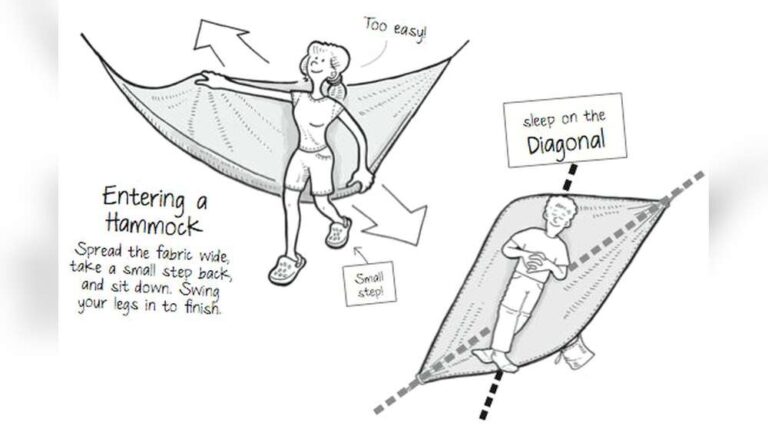
Wash an ENO hammock in cold water with mild detergent, then air-dry it fully before storing or using it.
An ENO hammock collects sweat, dust, sunscreen, tree sap, and outdoor odors over time. Learning how to wash an ENO hammock the right way helps protect its fabric, stitching, color, and comfort. This guide covers the safest washing method, stain care, drying tips, common mistakes, and storage advice based on hammock care practices and manufacturer guidance.
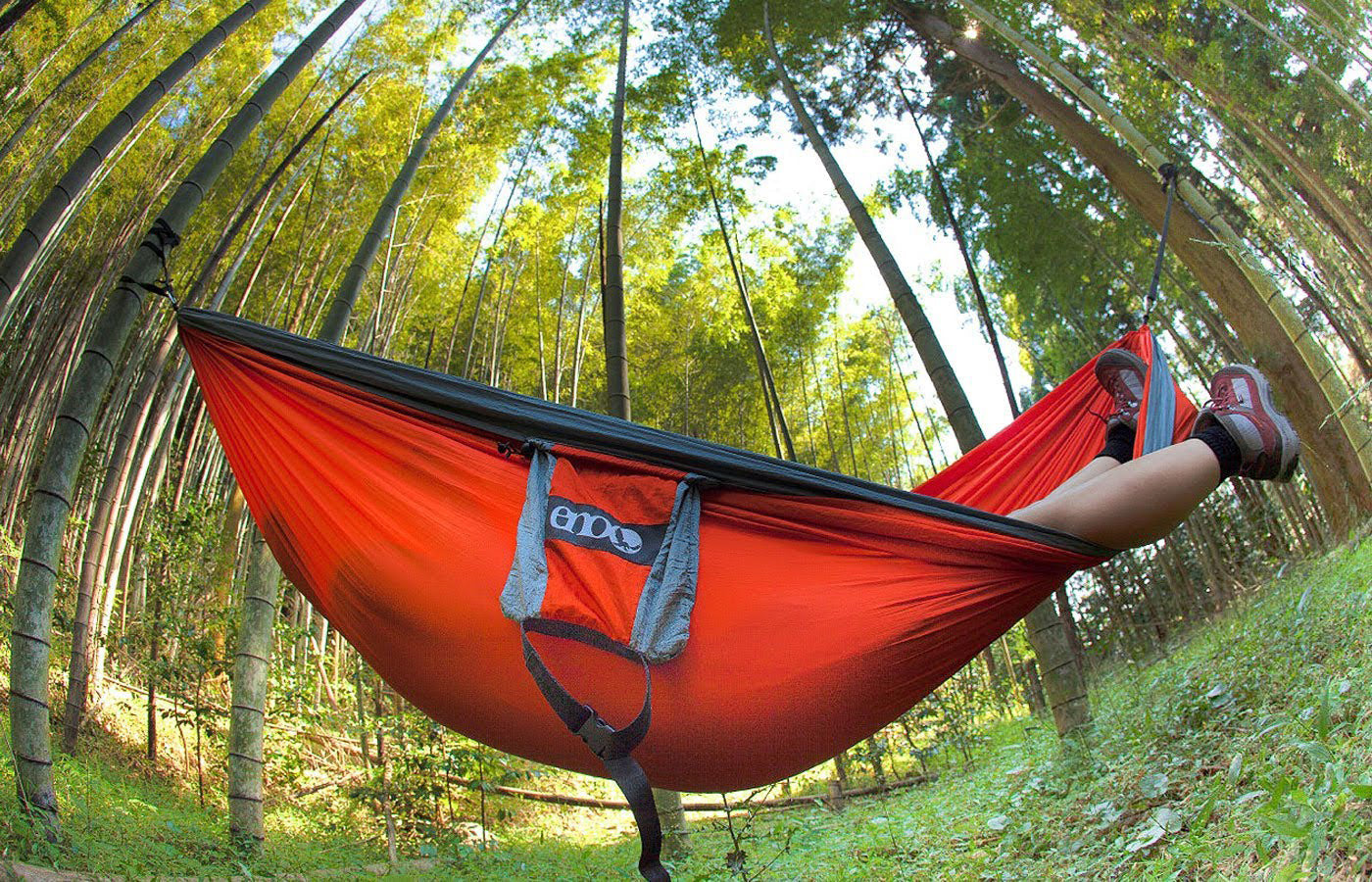
What You Need Before Washing an ENO Hammock
Most ENO hammocks use soft, quick-drying synthetic fabric, such as nylon. The material is strong, but harsh cleaners, high heat, and rough washing can weaken fibers or damage the finish.
Before you wash your ENO hammock, gather:
• Mild liquid laundry detergent
• A washing machine with a gentle cycle
• Cold water
• A soft cloth or soft-bristle brush
• A clean towel
• A shaded outdoor drying area or indoor drying rack
• A large, clean space for inspection
Always check the care label on your specific ENO model first. Older hammocks, special-edition fabrics, or accessories may have different instructions.
Remove the hammock from its straps, carabiners, suspension system, and storage bag. Wash the hammock body by itself whenever possible. Metal hardware and webbing straps can snag the fabric or create noise inside the washer.

How to Wash an ENO Hammock Step by Step
The best way to wash an ENO hammock is simple. Use cold water, a mild detergent, and low mechanical stress.
1. Shake off loose dirt
Take the hammock outdoors and shake it well. Remove leaves, sand, pine needles, and loose soil by hand.
If dirt is stuck in the weave, use a soft brush. Do not scrape the fabric with a stiff brush or sharp object. Small cuts can spread quickly under body weight.
2. Check for damage
Inspect the hammock before placing it in the washer. Look closely at:
• Seams
• Bartacks and reinforced points
• Carabiner areas
• Fabric edges
• Small holes or snags
• Burn marks or melted fibers
Do not wash or use a hammock with serious damage until it has been repaired or replaced. Washing will not fix a weak seam. It may make the problem easier to miss.
3. Remove the suspension straps
Separate Atlas straps, Helios straps, carabiners, and other suspension parts from the hammock. These items may have their own care instructions.
Straps can often be hand-washed in cool water with mild soap. Rinse them well and hang them to dry. Never use a hammock suspension system if the webbing is frayed, cut, or badly worn.
4. Pretreat visible stains
For mud, food, or sunscreen marks, dampen the area with cool water. Add a small amount of mild liquid detergent and gently work it into the fabric with your fingers or a soft cloth.
Let the spot sit for about 10 minutes. Avoid strong stain removers unless the care label specifically allows them. Bleach, solvents, and harsh spot treatments can damage nylon and reduce fabric strength.
5. Place the hammock in the washer
Put the loose hammock body into a front-loading or top-loading washing machine. A mesh laundry bag can provide extra protection, but it should be large enough for the hammock to move freely.
Choose:
• Cold water
• Gentle or delicate cycle
• Low spin speed, if available
• A small amount of mild liquid detergent
Do not pack the washer with heavy items such as jeans, towels, or shoes. Rough materials can create friction and cause snags.
6. Run an extra rinse
An extra rinse can remove leftover detergent. This step is useful because soap residue may make the fabric feel stiff or attract more dirt.
Do not add fabric softener. It can leave a coating on synthetic fibers and may affect the fabric’s feel, breathability, or performance.
7. Remove it promptly
Take the hammock out of the washer when the cycle ends. Do not leave it wet in a closed machine for hours. Damp fabric can develop a musty smell and may grow mildew in warm conditions.
Gently shake out the hammock before drying. Do not wring or twist it, since twisting puts stress on seams and attachment points.
How to Dry an ENO Hammock Safely
Drying is an important part of knowing how to wash an ENO hammock. High heat can shrink, weaken, or deform synthetic fabric. For that reason, air-drying is the safest choice.
Spread the hammock over a clean drying rack, clothesline, or wide outdoor surface. Keep it away from sharp edges, rough wood, and dirty ground.
Follow these drying tips:
• Air-dry the hammock completely before storage.
• Choose shade or indirect sunlight when possible.
• Turn the hammock once or twice so both sides dry evenly.
• Keep it away from heaters, fireplaces, and radiators.
• Do not iron the fabric.
• Avoid high heat from a dryer unless the care label clearly permits it.
Direct sun can fade fabric after repeated exposure. One short drying session will not usually cause a problem, but regular exposure to intense sunlight can shorten the life of any outdoor textile.
The hammock should feel dry at the seams, gathered ends, and folded areas. These spots hold moisture longer than the center fabric. If you store it while damp, mildew can develop even when the hammock looks clean.

Can You Put an ENO Hammock in the Washing Machine?
In most cases, yes. A washing machine is usually suitable for washing an ENO hammock when you use cold water, a gentle cycle, mild detergent, and an empty or lightly loaded drum.
The key is to protect the fabric from friction. Do not wash the hammock with rough clothing, heavy towels, shoes, or items with zippers and hooks.
A hand wash is a good option when:
• The hammock has a small stain.
• You do not trust the condition of your washer.
• The fabric is older or delicate.