Are Hammocks Good For Your Back?
Many people are searching for ways to relax and sleep better. Hammocks have become popular for both. You may see them in parks, beaches, and even bedrooms. But a common question is: Are hammocks good for your back? Some say hammocks are comfortable and help with pain. Others worry about back problems or poor sleep. I have used hammocks myself, and I want to share real experiences and expert advice. If you are thinking about using a hammock, this article will give you the facts you need.
How Hammocks Work
A hammock is a piece of fabric or rope, usually hung between two points. When you lie in it, your body is supported by the hammock’s material. Unlike a flat bed, a hammock curves with your weight. This creates a “cradle” effect.
Some people find this very comfortable. Others need time to get used to the feeling.
There are many types of hammocks. The most common are:
- Rope hammocks – Made from thick rope, with gaps.
- Fabric hammocks – Made from solid fabric, no gaps.
- Camping hammocks – Lightweight, easy to carry.
Each type supports your body in a slightly different way. Fabric hammocks often feel softer. Rope hammocks allow more air flow. Camping hammocks are useful for travel and outdoor sleeping.
Common Beliefs About Hammocks And Back Health
Many people believe hammocks are only for fun or short naps. Some think sleeping in a hammock every night will hurt the back. But is this true? Let’s look at what science and experts say.
What People Worry About
- Back pain: Some worry that hammocks do not support the back enough.
- Spine shape: People fear the curve of a hammock could cause problems.
- Bad posture: A hammock might make you sleep in a strange position.
Why People Like Hammocks
- Pressure relief: Hammocks remove pressure from the back and hips.
- Gentle rocking: The rocking movement can relax muscles and nerves.
- No hard points: Unlike beds, hammocks do not have hard spots pressing on the body.
I remember the first time I tried sleeping in a hammock while camping. At first, I was worried about back pain. But after a few nights, I noticed my back felt less stiff than it did on the ground or a thin mat.
I learned that the way you lie in the hammock makes a big difference.
How Sleeping In A Hammock Affects Your Spine
Your spine has a natural “S” shape. A good sleep surface should support this shape. If a mattress or hammock does not support your spine, you may wake up sore.
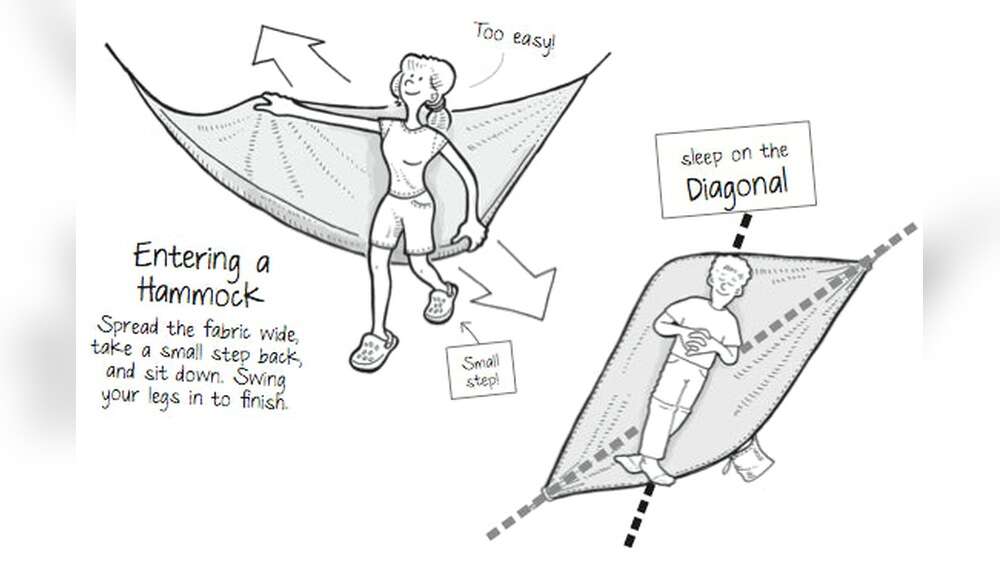
When you lie in a hammock, your body sinks into the fabric. If you lie straight down the middle, the hammock can wrap around you too much. This can make your back curve too much. But if you lie at a slight angle—diagonally—you stay flatter.
This helps your spine stay in a natural shape.
Diagonal Lying Position
Experts recommend lying at a 30-degree angle to the hammock’s center line. This position lets your body stay almost flat. It reduces twisting and bending in your back. Many people find this way very comfortable, even for long sleep.
Comparison: Hammock Vs. Bed
Here is a simple comparison of how a bed and a hammock support your back:
| Feature | Flat Bed | Hammock (Diagonal) |
|---|---|---|
| Spinal support | Depends on mattress quality | Good with correct angle |
| Pressure points | May develop | Few or none |
| Posture | Flat or arched | Natural curve |
| Back pain risk | Medium to high if mattress is poor | Low if used properly |
Scientific Research On Hammocks And Back Health
Several studies have looked at how hammocks affect sleep and back health. The results are interesting.
- A 2011 Swiss study found that people fell asleep faster in a rocking hammock than on a regular bed. The gentle movement helps relax the brain and body.
- Hammocks can reduce pressure on the back and hips. This is helpful for people with pain from lying on hard surfaces.
- No large studies show that hammocks cause back problems when used the right way.
However, most studies warn that lying in the wrong position can cause discomfort. For example, lying too curved in a hammock can strain your lower back. This is why the diagonal position is important.
Who Should And Should Not Sleep In A Hammock
Not everyone will benefit from sleeping in a hammock. It is important to know who should be careful.
Good Candidates For Hammock Sleeping
- People with mild back pain: The support and pressure relief can help.
- People who toss and turn: The hammock “hugs” your body, which can reduce movement.
- Campers and travelers: Hammocks are better than hard ground or uneven surfaces.
People Who Should Be Cautious
- People with severe spine problems: Conditions like herniated discs or scoliosis may need a doctor’s advice.
- Older adults: Getting in and out of a hammock can be hard for some.
- Pregnant women: Hammocks are not always easy to use during pregnancy.
If you are not sure, talk to a doctor or physical therapist. They can help you decide if a hammock is safe for your back.
Benefits Of Hammocks For Back Health
Many users report benefits from sleeping or relaxing in a hammock. Some of these benefits are:
1. Reduced Pressure Points
Hammocks spread your weight evenly. This means less pressure on your back, hips, and shoulders. People with arthritis or joint pain often notice less discomfort.
2. Improved Relaxation
The gentle rocking of a hammock can relax both body and mind. Studies show that rocking helps you fall asleep faster. Your muscles can relax, which may help reduce tightness in the back.
3. Better Spinal Alignment
When you lie diagonally, your spine stays more natural. This can prevent the lower back from arching or sinking in.
4. Fewer Sleep Movements
People often toss and turn to find a comfortable spot in bed. In a hammock, the “cradle” shape keeps you in place. This can lead to deeper, more restful sleep.
5. Easier On Sore Muscles
If you have sore muscles, a hammock can feel less painful than a firm bed. This is because there are no hard spots pressing on your body.

Credit: www.simplyhammocks.co.uk
Common Problems And How To Avoid Them
While hammocks offer benefits, some users experience problems. Most of these issues can be fixed with simple adjustments.
1. Back Pain From Poor Position
If you lie straight down the middle, your back may curve too much. Always try to lie at a slight angle.
2. Stiffness From Staying Still
Some people wake up stiff after sleeping in a hammock. Try to move slightly during sleep or use a pillow under your knees for extra support.
3. Difficulty Getting In And Out
Hammocks can be tricky to enter and exit, especially for older adults. Choose a hammock with spreader bars or use a stable chair nearby.
4. Cold Air Under The Hammock
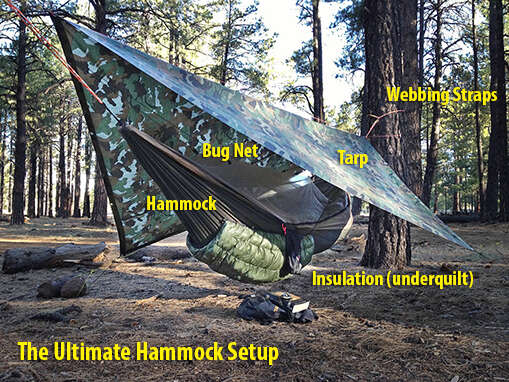
Air moves under a hammock, making you feel colder at night. Use an underquilt or sleeping pad for warmth.
5. Falling Out
If the hammock is hung too high or too loose, you might fall out. Always check the setup and keep the hammock low to the ground.
How To Choose A Hammock For Back Health
Choosing the right hammock is important. Here are some tips based on my own experience and what experts recommend.
1. Choose The Right Size
A hammock should be at least 2 feet longer than your height. This allows you to lie diagonally and stay flat.
2. Pick The Right Material
- Cotton: Soft and comfortable, good for home use.
- Nylon: Lightweight and strong, best for camping.
Avoid cheap materials that stretch too much or do not support your weight.
3. Check The Weight Limit
Every hammock has a weight limit. Make sure the hammock can support you and anyone else who might use it.
4. Look For A Wide Design
Wider hammocks are easier to lie in diagonally. This makes them better for your back.
5. Consider A Spreader Bar
Some hammocks have bars at each end to keep them open. These are easier to get in and out of. However, they may feel less stable.
Hammock Feature Comparison
Here is a comparison of common hammock features for back health:
| Feature | Helps Back Health? | Notes |
|---|---|---|
| Wide fabric | Yes | Allows diagonal lying |
| Spreader bars | Sometimes | Easier entry, but less stable |
| Thick material | Yes | More support, less sag |
| Mesh design | No | Gaps can cause pressure points |
Setting Up Your Hammock For Maximum Comfort
The way you hang your hammock matters as much as the type you choose. Here are steps to set up your hammock for the best back support.
1. Hang At The Right Height
Hang your hammock so the lowest point is about 18 inches off the ground. This makes it easy to get in and out.
2. Use The Right Angle
The suspension cords should make a 30-degree angle with the ground. This prevents the hammock from being too tight or too saggy.
3. Lie Diagonally
Always try to position your body at an angle, not straight down the middle. This keeps your back flat.
4. Add Pillows Or Padding
A small pillow under your knees or neck can add comfort. For outdoor hammocks, use a sleeping pad for warmth and support.
5. Check For Safety
Always check that the hammock and supports are strong and secure. Never hang a hammock too high or over sharp objects.
Personal Experience: My First Week Sleeping In A Hammock
I decided to sleep in a hammock for a week to see if it helped my back. The first night, I felt strange. My back was not used to the curve. But by the third night, I noticed I was waking up with less lower back pain.
I used a wide fabric hammock, hung at the right angle. I also lay diagonally and used a small pillow for my neck.
By the end of the week, I felt more rested. My back pain was less than when I slept on my old mattress. This taught me that the setup and position make a big difference. Not everyone will have the same results, but it is worth trying if you have back pain from a bad bed.
When To See A Doctor
If you have severe or long-lasting back pain, do not rely only on a hammock. See a doctor or physical therapist. Hammocks are not a cure for serious spine problems. They can help with mild discomfort or sleep problems, but you need expert advice for big issues.
Practical Tips For Healthy Hammock Use
If you want to try a hammock for your back, follow these tips:
- Start slow: Use the hammock for naps or short sleeps before trying all night.
- Check your position: Lie diagonally, not straight.
- Use good supports: Hang the hammock with strong ropes or straps.
- Use a pillow: Add a small pillow under your neck or knees.
- Watch for pain: If your back hurts more, stop using the hammock and talk to a doctor.

Credit: www.hammockuniverse.com
What The Experts Say
Many back doctors and physical therapists agree that hammocks can be safe if used correctly. Dr. Steven Park, a sleep expert, says that a hammock’s support can help relax muscles. But he warns that poor setup or bad position can cause problems.
A review in the “Journal of Back and Musculoskeletal Rehabilitation” found that the gentle support of a hammock can be good for people with mild pain. But it is not a cure for major spine issues.
If you want more technical details, you can read about hammock sleep studies on Wikipedia.
Comparing Hammock Types For Back Health
Here is a quick comparison of the most common hammock types and how they affect your back:
| Type | Back Support | Best Use |
|---|---|---|
| Fabric hammock | Good | Home sleeping, relaxing |
| Rope hammock | Medium | Outdoor, short naps |
| Camping hammock | Good | Travel, camping |
| Mesh hammock | Poor | Beach, short rest |
Hammock Use Around The World
In many countries, people sleep in hammocks every night. In parts of Central and South America, hammocks are common. People of all ages use them for sleep and relaxation. There are fewer reports of back problems in these cultures. This suggests that, when used correctly, hammocks can be part of a healthy sleep routine.
Myths About Hammocks And Back Pain
Let’s clear up some common myths:
- Myth: Hammocks always cause back pain.
- Fact: Most people feel fine, or even better, if they use the right hammock and position.
- Myth: Only young people can use hammocks.
- Fact: People of all ages use hammocks, but older adults should be careful getting in and out.
- Myth: Hammocks are not good for long-term sleep.
- Fact: Millions of people use hammocks every night with no problems.
Frequently Asked Questions
Is It Safe To Sleep In A Hammock Every Night?
Yes, for most healthy adults, it is safe to sleep in a hammock every night if you use the correct position and a quality hammock. People in some cultures do this for a lifetime. If you have serious back or spine problems, ask your doctor first.
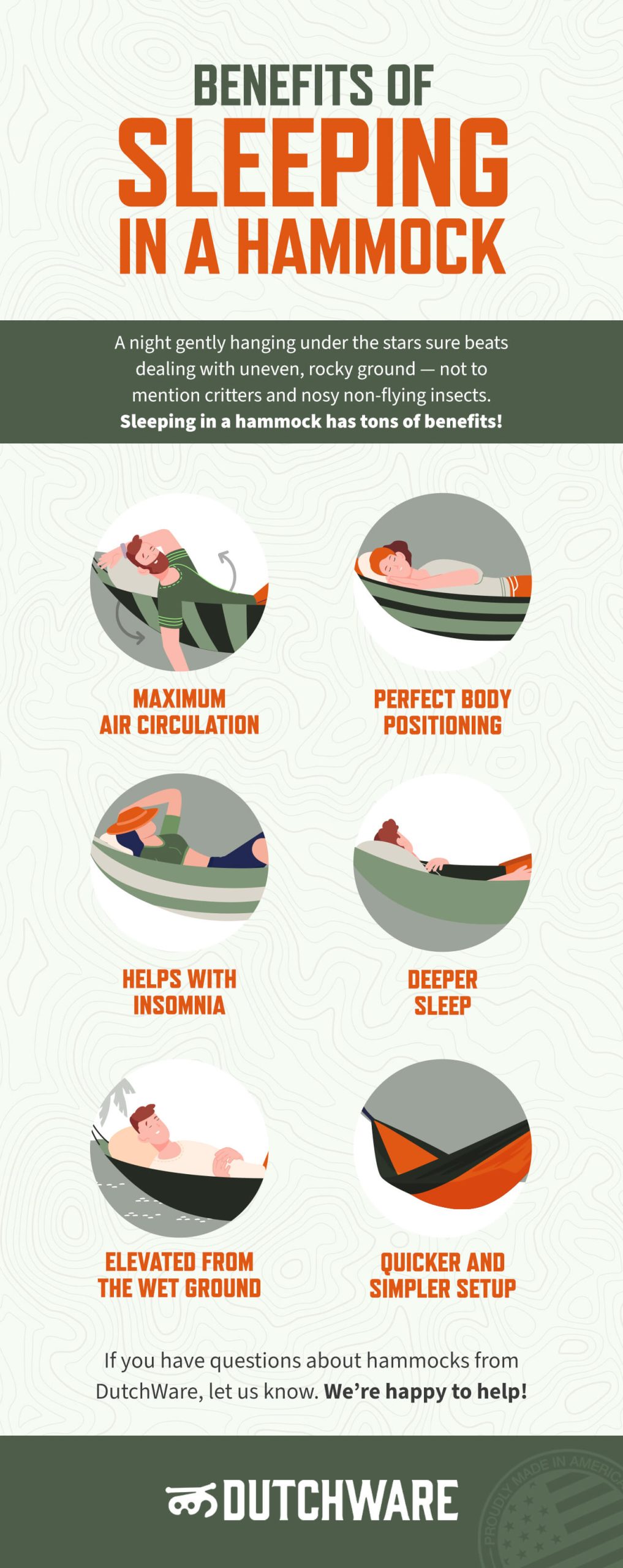
Credit: dutchwaregear.com
Can Hammocks Help With Lower Back Pain?
Hammocks can help reduce lower back pain for some people, especially if the pain comes from pressure points or a bad mattress. Always lie diagonally and use extra support if needed.
Are Hammocks Good For Side Sleepers?
Yes, many side sleepers find hammocks comfortable. A wide hammock lets you lie on your side at an angle. You may want to use a small pillow between your knees for extra support.
Do Hammocks Cause Posture Problems?
No, as long as you lie in the right position. The hammock should support your spine’s natural shape. Avoid lying too curved or twisted.