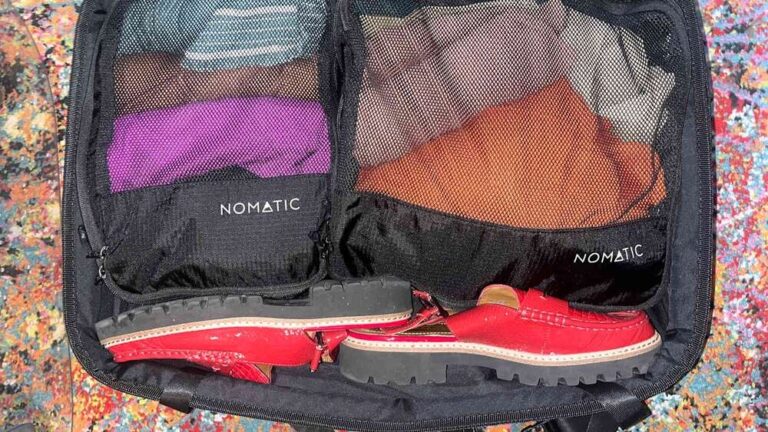
You can fix a separated suitcase zipper by reseating the slider, tightening it, or replacing damaged parts.
A separated zipper can make a trip feel stressful, especially when your suitcase is packed and your flight is near. The good news is that learning how to fix a separated zipper on a suitcase often requires only a few tools, careful pressure, and about 10 minutes. This guide explains how to identify the problem, repair it safely, and know when a professional repair is the better choice.

Why a Suitcase Zipper Separates
A suitcase zipper separates when the slider no longer brings both zipper tracks together correctly. The zipper teeth may look fine, but the slider can become loose, bent, worn, or misaligned.
Common causes include:
• An overpacked suitcase that puts too much pressure on the zipper
• A slider that has widened after repeated use
• Bent, broken, or missing zipper teeth
• Fabric caught inside the slider
• A damaged zipper stop at the end of the track
• Rough handling during travel
• Pulling the zipper at an angle instead of straight across
When the zipper separates behind the slider, the slider is usually the main problem. It may no longer grip both sides firmly enough. Think of the slider as a small bridge. If the bridge widens or shifts, the two zipper tracks cannot meet.
Learning how to fix a separated zipper on a suitcase starts with finding the exact failure point. Do not pull the zipper harder before checking it. More force can bend the slider or tear the fabric around the zipper.
What You Need Before Starting
Most suitcase zipper repairs use simple household tools. Place the suitcase on a flat, clean surface so you can see the zipper clearly.
Gather these items:
• Needle-nose pliers
• Small flat-head screwdriver
• Scissors or a seam ripper
• Tweezers
• Mild soap and water
• A soft cloth
• Candle wax or zipper lubricant
• A replacement zipper slider, if needed
• Replacement zipper stops or a small sewing kit, if the end stop is damaged
Match the replacement slider to the old one as closely as possible. Look for the same zipper size, shape, and type. Many suitcase zippers use coil teeth, while others use molded plastic teeth or metal teeth. A slider made for the wrong type may not work.
Before learning how to fix a separated zipper on a suitcase, empty some items from the case. A full suitcase keeps tension on the zipper and makes a small repair much harder.
How to Fix a Separated Zipper on a Suitcase
The best repair method depends on whether the teeth, slider, or zipper end is damaged. Start with the least invasive method.
1. Remove pressure from the zipper
Open the suitcase as far as possible and take out enough clothing to reduce the strain. Press the case panels together with your hands.
If the suitcase is overfilled, the zipper may separate again even after a successful repair. Removing just one pair of shoes or a bulky jacket can make a major difference.
2. Inspect the zipper teeth
Run your fingers slowly along both zipper tracks. Look for:
• Missing teeth
• Bent teeth
• Gaps between the teeth
• Loose fabric
• A twisted zipper tape
• Dirt trapped inside the slider
If the teeth are intact, continue with the slider repair. If several teeth are missing, the zipper may need replacement rather than a quick fix.
3. Clean the zipper
Use a soft cloth with a small amount of mild soap and water. Wipe away dust, sand, and sticky residue.
Let the zipper dry fully. Then apply a small amount of candle wax or zipper lubricant to the teeth. Avoid cooking oil, petroleum jelly, and thick grease. These products can stain fabric and attract dirt.
4. Move the slider back to the proper position
If the slider has moved beyond the separated section, gently guide it back toward the lower end of the zipper. Keep both zipper tracks aligned.
Use slow, even pressure. Never yank the pull tab. If the slider sticks, move it slightly backward before trying forward again.
5. Tighten the slider
If the zipper still separates, the slider may be too wide. Hold one side of the slider with needle-nose pliers and apply very light pressure.
Press one side, then test the zipper. If needed, make a second tiny adjustment. Do not crush the slider. Too much pressure can stop it from moving at all.
This is one of the most useful steps in how to fix a separated zipper on a suitcase. A small adjustment often restores the grip between the slider and the zipper teeth.
6. Test the zipper slowly
Pull the zipper along a short section. Watch the teeth as they close behind the slider.
If the teeth stay joined, continue across the full opening. If they separate again, stop and inspect the slider. It may be too loose, damaged, or the wrong size.

How to Fix a Separated Suitcase Zipper by Reseating the Slider
Sometimes the slider has slipped off one side of the zipper. In this case, tightening it will not solve the problem. You must reseat the slider.
Follow these steps:
-
Move the slider to the end of the zipper if possible.
-
Find the small zipper stop that prevents the slider from coming off.
-
Remove the stop with needle-nose pliers or a flat-head screwdriver.
-
Guide both zipper tracks into the slider at the same time.
-
Check that the tracks sit evenly inside the slider.
-
Pull the slider a few inches to join the teeth.
-
Reinstall a zipper stop or sew several tight stitches over the end.
-
Test the zipper before packing the suitcase again.
Work slowly when inserting the zipper tracks. If one side enters farther than the other, the teeth will not line up. This can create a new separation or damage the slider.
A common mistake is to remove too much of the zipper tape. Only remove the stop. Cutting the zipper tape can weaken the suitcase and make a proper repair difficult.
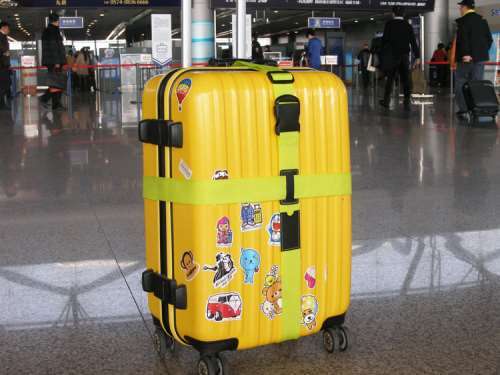
How to Fix a Separated Zipper on a Suitcase Without Removing the Slider
You may not need to remove the slider if it remains attached to both sides of the zipper. This is the fastest method for a zipper that separates behind the pull.
Try this process:
• Empty the suitcase until the panels relax
• Place the zipper on a flat surface
• Move the slider back past the separated area
• Align both sides of the zipper
• Pull the slider forward slowly
• Press the suitcase panels together as you close it
• Apply light wax if the zipper feels dry
If the slider slides but leaves open teeth behind it, tighten the slider slightly with pliers. Make only small adjustments and test after each one.
In my repair experience, the most common mistake is squeezing the slider too hard on the first attempt. People often turn a loose slider into a stuck slider. Gentle pressure works better than force.
How to Replace a Damaged Suitcase Zipper Slider
If tightening does not work, replace the slider. A replacement slider is often easier and cheaper than replacing the entire zipper.
Remove the old slider
Use pliers to remove the top or bottom zipper stop. If the stop is sewn into the suitcase, use a seam ripper to open only the stitches that block access.
Slide the damaged part off the zipper. Keep it nearby while shopping for a replacement. Its shape and size can help you choose the correct part.
Install the new slider
Insert both zipper tracks into the new slider. Make sure the slider faces the same direction as the original. Pull it across a short section and check the teeth.
If the zipper closes evenly, reinstall the stop. You can use a replacement metal stop, strong stitches, or a small hand-sewn barrier. The stop must be secure because it keeps the slider from coming off again.
Test before packing
Open and close the zipper several times. Apply gentle pressure to the suitcase panels as you test it.
If the slider moves smoothly and the teeth remain closed, the repair is likely sound. If it catches, remove it and check for uneven insertion or a mismatched slider.
This method is a practical answer to how to fix a separated zipper on a suitcase when the original slider has become worn.
How to Fix a Separated Zipper on a Suitcase With Broken Teeth
A zipper with one or two damaged teeth may still be repairable, but the result depends on where the damage appears.
If the broken tooth is near the end of the zipper, you may be able to shorten the usable zipper area. Remove the slider, sew a new stop before the damaged section, and use the remaining zipper length.
If a missing tooth is in the middle, the zipper may continue to separate each time it reaches that spot. A temporary repair may hold for a short trip, but a full zipper replacement is usually more reliable.
Do not force the slider over broken teeth. It can bend the slider and enlarge the damaged area. A luggage repair shop can replace the zipper tape when the damage extends across a large section.
Temporary emergency options
If you are at an airport or hotel, use a temporary solution until you can make a proper repair:
• Secure the suitcase with a luggage strap
• Use strong cord or a zip tie through the zipper pull
• Place clothing inside a packing cube or sealed bag
• Cover the opening with duct tape for a short trip
These options protect your belongings, but they do not repair the zipper. Avoid checking a badly damaged suitcase without extra support. Baggage handling can place heavy stress on the opening.
How to Fix a Separated Zipper on a Suitcase When the Fabric Is Caught
Fabric caught in the slider is a common cause of sudden separation. Do not pull the zipper harder. That can tear the lining or zipper tape.
Instead:
-
Hold the slider still.
-
Pull the trapped fabric away from the teeth.
-
Move the slider backward slightly.
-
Use tweezers to lift the fabric free.
-
Apply a small amount of zipper lubricant.
-
Move the slider forward a few inches.
If the fabric is tightly trapped, use a seam ripper to release a few threads. Keep the tool away from the zipper tape and your fingers.
After removing the fabric, inspect the zipper for bent teeth. A trapped lining can pull the tracks out of alignment, so test the zipper several times before closing the suitcase.
Mistakes to Avoid During a Suitcase Zipper Repair
Knowing what not to do is an important part of how to fix a separated zipper on a suitcase.
Avoid these common mistakes:
• Do not use excessive force on the pull tab
• Do not squeeze the slider repeatedly without testing it
• Do not use oil that can stain the case
• Do not cut the zipper tape unless you plan to replace the zipper
• Do not pack the suitcase tightly after a weak repair
• Do not ignore missing or badly bent teeth
• Do not sew through the moving part of the zipper
A zipper repair should restore smooth movement, not merely close the suitcase once. Test the zipper under light pressure, then test it again with a few items inside.
Another lesson I have learned is to repair the zipper before travel day. A rushed repair at the airport leaves little room for testing. Fixing it at home gives you time to replace the slider or visit a luggage specialist if necessary.

When to Use a Professional Luggage Repair Service
A do-it-yourself repair is suitable for a loose slider, trapped fabric, or a slider that has come off the track. Professional help is safer when the zipper tape, suitcase shell, or several zipper teeth are damaged.
Contact a repair professional when:
• The zipper is sewn into a hard-sided case
• Several teeth are missing
• The zipper tape is torn
• The case fabric has ripped around the zipper
• The replacement slider does not fit
• The suitcase is expensive or still under warranty
• The zipper separates after repeated repairs
Check the suitcase warranty before cutting, sewing, or replacing parts. DIY changes can sometimes affect warranty coverage.
A professional may replace the full zipper rather than patching one section. This costs more, but it can provide a stronger result for frequent travelers.
How to Prevent a Suitcase Zipper From Separating Again
Prevention is easier than another repair. Use the suitcase within its capacity and avoid forcing the zipper around bulky items.
Follow these habits:
• Leave a little space near the zipper
• Place shoes and hard items away from the zipper track
• Use packing cubes to spread weight
• Close the case while pressing the panels together
• Keep sand and grit away from the teeth
• Lubricate the zipper lightly once or twice a year
• Store the suitcase with the zipper partly open
• Lift the suitcase by its handles, not by the zipper pull
A luggage strap adds support when the case is full. It does not replace a working zipper, but it reduces pressure on the zipper during transport.
Manufacturers commonly warn against overpacking because excess pressure can damage the zipper, seams, and case frame. Keeping the load balanced protects all three.

Frequently Asked Questions About How to Fix a Separated Zipper on a Suitcase
Can I fix a separated suitcase zipper with pliers?
Yes, if the zipper teeth are intact and the slider is loose. Apply very light pressure to the slider, then test it after each adjustment.
Why does my suitcase zipper keep separating after I fix it?
The slider may still be too wide, the teeth may be damaged, or the suitcase may be overpacked. Check all three before replacing the slider.
Can I replace a suitcase zipper slider myself?
Yes, many sliders can be replaced with basic pliers and a matching replacement part. Hard-sided cases and sewn-in zippers may be easier to handle through a luggage repair service.
What can I use to lubricate a suitcase zipper?
Use candle wax, a zipper lubricant, or a product made for zippers. Avoid cooking oil and heavy grease because they can stain fabric and collect dirt.
Is a suitcase with a separated zipper safe to check on a flight?
A damaged zipper can open during baggage handling. Use a strong luggage strap or another temporary restraint, but replace or professionally repair the zipper as soon as possible.
Can a zipper with missing teeth be repaired?
Damage near the end may be shortened and secured with a new stop. Missing teeth in the middle usually require a zipper replacement for a dependable repair.
How much does it cost to repair a suitcase zipper?
The price varies by suitcase type, zipper length, and damage. Replacing a slider is usually less expensive than replacing the entire zipper, while premium luggage may cost more to service.
Conclusion
A separated suitcase zipper is often a slider problem, not a reason to replace the whole bag. Reduce pressure, inspect the teeth, clean the track, reseat or tighten the slider, and replace it when necessary.
The safest way to fix a separated zipper on a suitcase is to work slowly and test each adjustment. If the teeth or zipper tape are badly damaged, use a luggage strap for temporary support and contact a professional repair service. Check your suitcase today, make the small repair before your next trip, and share your repair experience in the comments.

Zayden Halbrook is a travel enthusiast and gear researcher passionate about making every journey smoother and more enjoyable. With a keen eye for practical travel essentials and real-world tips, he helps readers choose the right gear and travel smarter. When he’s not testing travel kits or exploring new destinations, Zayden shares simple, reliable advice to make every trip stress-free.