Check the lock type, try the correct reset method, and use a locksmith if the suitcase will not open safely.
Knowing how to unlock a locked suitcase starts with identifying the lock, not forcing it. A three-digit combination lock, TSA lock, key lock, and stuck zipper each need a different fix. This guide explains safe steps for travelers, common mistakes to avoid, and when professional help is the best choice.
Identify the Suitcase Lock
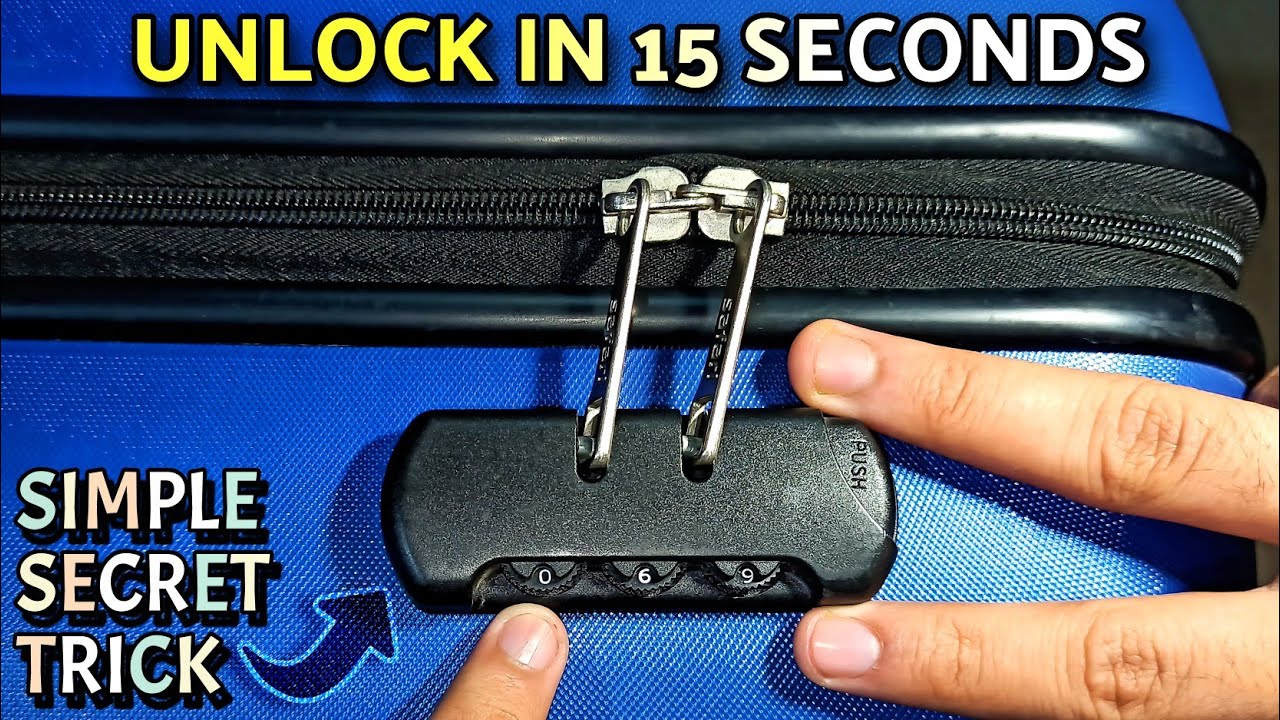
Before you try to unlock a locked suitcase, inspect the case closely. Look for a keyhole, number wheels, a TSA logo, zipper pulls, or a built-in latch.
Most suitcases use one of these lock types:
• Built-in combination lock: This lock has number wheels and may secure zipper pulls or a hard-shell latch.
• TSA-approved combination lock: A travel security lock with a small red diamond logo. Airport security can open it with a special key.
• Key lock: This lock needs a physical key. It may sit near the handle, zipper, or case latch.
• Padlock: A separate lock attached to zipper pulls or metal loops.
• Zipper or latch problem: The lock may work, but fabric, dirt, or pressure may hold the case shut.
Do not assume every small keyhole is for the owner. On many TSA locks, the keyhole is for authorized security inspection. Travelers usually open these locks with the number combination.

How to Unlock a Locked Suitcase With a Combination
The safest way to unlock a locked suitcase is to use the correct combination and apply light pressure. Never force the wheels or pull hard on the zipper tabs.
Follow these steps:
-
Place the suitcase on a stable surface.
-
Find the combination wheels and the release button or latch.
-
Set each wheel to the code you chose.
-
Make sure every number lines up with the small indicator mark.
-
Press or slide the release button.
-
If the lock opens, move the zipper pulls or lift the case latch gently.
If you never changed the code, check the suitcase manual. Some new locks use a factory setting, but the default code varies by brand. Do not rely on a default code unless the manufacturer confirms it.
If the lock does not open, check for simple problems:
• One wheel may sit between two numbers.
• The indicator mark may be hard to see.
• The zipper pulls may be under tension.
• The latch may be pressed against the case.
• Dirt or sand may be blocking the mechanism.
Place the suitcase flat and push the lid down lightly while pressing the release button. This can remove pressure from the latch. Use only gentle force. A stuck lock is frustrating, but force can break the lock, zipper, or shell.

How to Unlock a Locked Suitcase When You Forgot the Code
If you forgot the combination, start with the safest options. Check your travel notes, phone password manager, luggage paperwork, or the brand’s instructions. Many people use a familiar number, but guessing random combinations can take time and may damage the lock if done carelessly.
You can also try combinations that you personally set, such as:
• A number you often use for travel
• A memorable date
• A code written in your luggage records
• The original code listed in the product guide
Avoid searching for ways to bypass the lock with a shim, pick, tool, or improvised object. Those methods can damage the suitcase and may be illegal if you cannot prove ownership.
For a built-in lock, contact the suitcase manufacturer. Some brands can explain a reset process, but most require the suitcase to be open before the combination can be changed. If you are away from home, a licensed locksmith may be able to open or replace the lock after checking your identification and ownership.
A useful travel habit is to save the lock code in a secure password manager before your trip. Do not write it on a tag attached to the suitcase. That makes the case easier for someone else to access.
How to Reset a Suitcase Combination Lock
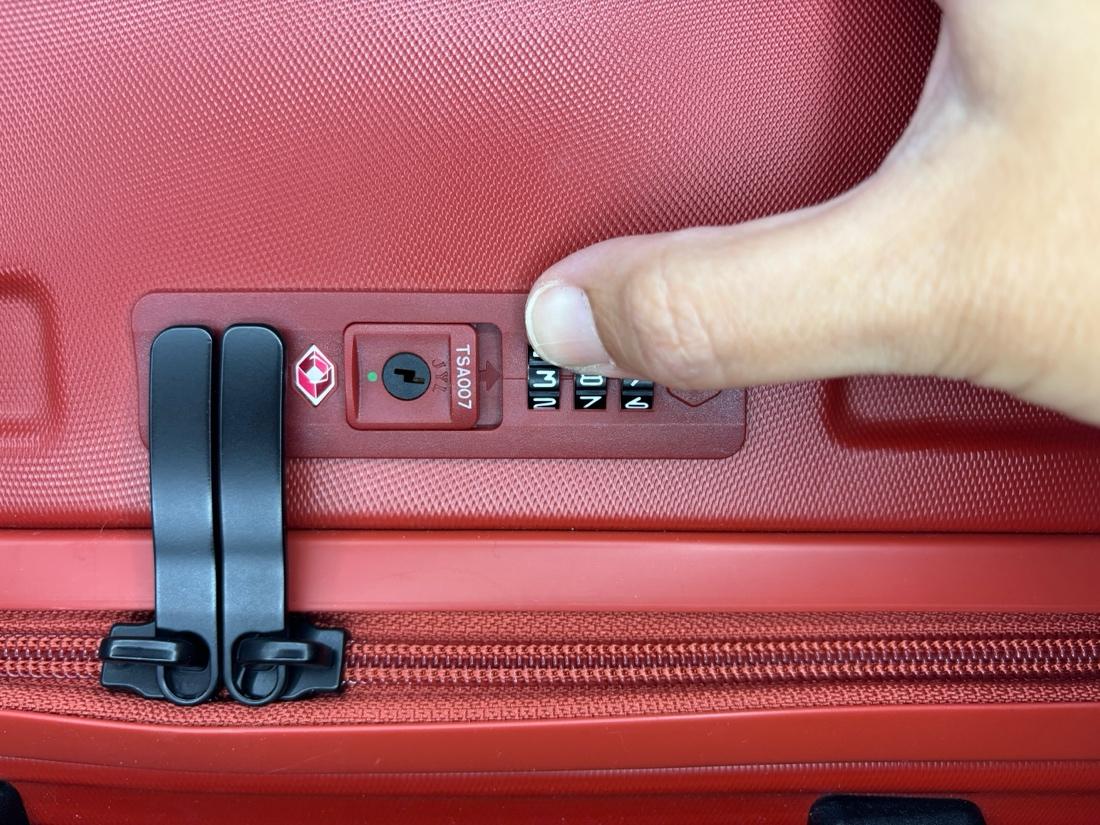
You usually must open the suitcase before resetting its combination. The reset switch or button is often located beside the number wheels, beneath the lock body, or inside the case.
A typical reset process looks like this:
-
Open the lock with its current combination.
-
Find the reset lever, pin, or button.
-
Move or press the reset control.
-
Set the wheels to a new combination.
-
Return the reset control to its original position.
-
Test the new code several times while the suitcase is open.
The exact process differs by brand. Read the manufacturer’s instructions when possible. Some locks use a small reset button that needs a pen tip, while others use a sliding lever.
Test the new combination before packing. Close the zipper pulls or latch, lock the case, and open it again. Repeat this test two or three times. This simple check can prevent a stressful problem at the airport.
Do not reset the lock while the suitcase is closed. If the process fails, you may create another locked suitcase problem.

How to Unlock a Locked Suitcase With a TSA Lock
A TSA lock is designed to let airport security inspect luggage without breaking the lock. The red diamond symbol shows that the lock is approved for the Travel Sentry system or a similar approved system.
To open your own TSA combination lock:
-
Set the number wheels to your personal code.
-
Align the numbers with the indicator line.
-
Press the release button or pull the lock body, depending on the model.
-
Remove the zipper pulls or open the latch.
The TSA keyhole does not normally provide a traveler with an emergency opening method. Airport security officers and approved agents use the key during an authorized inspection. Do not try to insert random objects into the keyhole.
If you return from a flight and the lock is open or the combination seems changed, inspect the suitcase for an inspection notice. If items are missing or damaged, contact the airline and airport security as soon as possible. Take photos and keep your baggage claim documents.
A TSA lock is not a theft-proof device. It helps secure a suitcase during normal travel, but determined thieves may still cut zippers, damage shells, or take the whole bag. Keep valuables, medicine, identification, and electronics in your carry-on when allowed.

How to Unlock a Locked Suitcase With a Key
If your suitcase uses a key lock, use the original key whenever possible. Insert it fully, turn it gently, and avoid twisting with excessive force.
If the key will not turn:
• Make sure the suitcase is not under pressure.
• Push the case lid down lightly.
• Check that the key is the correct one.
• Remove visible dirt from around the keyhole.
• Try turning the key while gently moving the latch.
Do not spray cooking oil or thick grease into the lock. These products can collect dust and make the mechanism worse. A small amount of a lock-safe lubricant may help, but follow the lock maker’s instructions.
If the key is lost, contact the suitcase brand or a locksmith. Some locksmiths can make a replacement key from the lock code or replace the lock. Bring proof that the suitcase belongs to you, such as a receipt, travel record, or matching identification tag.
Do not drill the lock unless a qualified professional recommends it. Drilling can damage the shell and contents, and it may make later repairs more expensive.

How to Open a Suitcase When the Zipper Is Stuck
Sometimes the lock is not the real problem. A zipper pull may be locked because the zipper teeth are misaligned, fabric is caught, or the suitcase is overpacked.
Try these safe steps:
-
Lay the suitcase flat.
-
Push the lid toward the base to reduce pressure.
-
Remove tension from the zipper pulls.
-
Move the zipper slowly in the direction it came from.
-
Check for fabric caught in the slider.
-
Use a blunt tool to ease fabric away from the zipper, if needed.
Never yank the zipper. Pulling hard can bend the slider or split the zipper teeth. If the zipper slider is bent, a luggage repair shop may be able to replace it without replacing the whole suitcase.
For future trips, avoid overfilling the case. Leave a little space around the edges so the zipper can close without strain. Packing cubes can also keep clothing away from the zipper path.

What to Do if the Suitcase Lock Is Jammed
A jammed lock may result from dirt, impact, corrosion, or pressure from an overfilled suitcase. Start with a visual check under good light.
Use a soft, dry brush to remove loose dirt. Then hold the suitcase steady and try the combination again. Keep the wheels aligned and press the release button with a light, even motion.
If the suitcase was dropped, the lock body or internal latch may be out of alignment. Pressing the lid down gently can help release pressure, but stop if the lock feels stuck. Repeated force can turn a small repair into a broken shell or damaged contents.
For a suitcase locked at an airport, ask the airline baggage desk for help. Airport staff may not open a personal lock, but they can explain the baggage process and direct you to an authorized service provider. If the case contains urgent medicine or travel documents, explain that clearly.
A locksmith is the safest choice when:
• The correct code does not work.
• The key is broken or missing.
• The lock is visibly damaged.
• The suitcase is expensive or fragile.
• You need access without damaging the case.
A professional may ask for proof of ownership. That is a reasonable safety step.

Common Mistakes to Avoid
Many suitcase lock problems become worse because travelers rush. Avoid these common mistakes when trying to unlock a locked suitcase:
• Guessing random codes for a long time: This rarely helps and may wear the mechanism.
• Pulling the zipper with force: A broken zipper can be harder to repair than a lock.
• Using sharp tools: Picks, knives, and pins can injure you or damage the case.
• Trying to use a TSA key: The keyhole is not a normal traveler reset method.
• Resetting a closed lock: Most locks need to be open before the combination can change.
• Spraying household oil into the lock: Thick oil can trap grit.
• Breaking the lock without checking ownership support: A manufacturer or locksmith may offer a safer solution.
The main lesson is simple: reduce pressure, confirm the lock type, and use the correct instructions. A calm five-minute inspection often prevents an expensive mistake.
How to Prevent a Locked Suitcase Problem
The best way to avoid learning how to unlock a locked suitcase in a hurry is to prepare before leaving home.
Use these habits before every trip:
• Record the combination in a secure password manager.
• Test the lock several times before packing.
• Keep a spare key in a safe place if the lock uses a key.
• Photograph the suitcase and its identification label.
• Keep the brand, model, and purchase details.
• Do not place valuable items in checked luggage.
• Use a luggage tag with contact details, but avoid printing the lock code.
• Leave room inside the suitcase so the latch and zipper are not under pressure.
• Pack a small repair kit for loose threads and minor zipper issues.
Check the lock again before leaving for the airport. Confirm that the zipper pulls are fully seated and that the case opens with the code you recorded. This small routine works like checking your passport: easy to skip, but costly to forget.
Is It Legal to Open a Locked Suitcase?
Opening your own suitcase is generally lawful. However, bypassing someone else’s lock, opening luggage without permission, or tampering with baggage can lead to serious legal problems.
If ownership is unclear, stop and ask for help. A manufacturer, airline, airport service desk, or licensed locksmith can provide a safer path. Keep receipts, baggage tags, and identification available when requesting service.
Rules may also differ by country, airline, and airport. TSA-approved locks are intended for authorized inspection in the United States, but they do not give travelers permission to inspect another person’s luggage.
When in doubt, choose the least damaging and most verifiable option. Proof of ownership protects you and helps a professional solve the problem faster.
Frequently Asked Questions About How to Unlock a Locked Suitcase
How do I unlock a locked suitcase if I forgot the combination?
Check your records and the manufacturer’s instructions first. If you cannot confirm the code, contact the brand or a licensed locksmith rather than forcing the lock.
Can TSA open my locked suitcase?
Authorized airport security officers can open some TSA-approved locks with special tools. Travelers should not try to copy or force that process.
What is the default combination for a new suitcase?
There is no universal default combination. Some brands use a common factory setting, but you should confirm it in the product instructions.
Can I reset a suitcase lock while it is closed?
Most suitcase locks cannot be reset while closed. They normally require the current combination and an open lock before the reset lever or button will work.
Why will my suitcase lock not open with the right code?
The numbers may not be perfectly aligned, or the case may be putting pressure on the latch. Lay the suitcase flat, press the lid down gently, and try the code again without force.
Should I break the lock if I need to open my suitcase quickly?
Breaking the lock should be a last resort. A locksmith or luggage repair service can often open or replace it with less damage.
How can I unlock a suitcase with a lost key?
Contact the suitcase maker or a locksmith. They may create a replacement key or install a new lock after checking proof of ownership.
Conclusion
Learning how to unlock a locked suitcase safely begins with the lock type. Use the correct combination, reduce pressure on the zipper or latch, and follow the manufacturer’s reset instructions. Avoid sharp tools, forced entry, and unsafe attempts to use a TSA key.
If the lock remains closed, a licensed locksmith or luggage repair professional is usually the fastest safe solution. Record your code, test the lock before each trip, and share your own travel tips in the comments.

Zayden Halbrook is a travel enthusiast and gear researcher passionate about making every journey smoother and more enjoyable. With a keen eye for practical travel essentials and real-world tips, he helps readers choose the right gear and travel smarter. When he’s not testing travel kits or exploring new destinations, Zayden shares simple, reliable advice to make every trip stress-free.