How to open suitcase lock: try known code, sequential dialing, or reset with proof of ownership.
I’ve worked with travelers, repair shops, and luggage brands for years, so I know exactly how frustrating a locked suitcase can be. This guide explains how to open suitcase lock situations you’ll commonly meet, from forgotten combinations to jammed zippers, using safe, legal steps you can trust. Read on for clear, practical methods, personal tips from real experience, and guidance on when to call a pro.

Why suitcase locks matter and the common types you’ll find
Suitcase locks protect your gear and give you peace of mind while traveling. Knowing the common lock types makes it easier to choose the right method when you need to open suitcase lock issues.
Common lock types
- Built-in combination locks: Three- or four-digit dials set by the owner.
- TSA-approved combination locks: Allow TSA agents to unlock with a master key.
- Padlock-style locks: Separate locks that attach to zipper pulls or latches.
- Zipper-lock systems: Pulls fit into a built-in clasp that locks closed.
Why the lock matters when you try to open suitcase lock
- Different mechanisms need different techniques. Combination dials respond to dialing and tension. TSA locks may let authorized agents use a master key. Zipper systems sometimes allow safe bypass if you know how zippers engage.
- Being aware of the type reduces the risk of damage. For example, forcing a built-in lock can ruin the suitcase frame.

How to open suitcase lock: step-by-step methods for owners
Below are safe, legal steps for how to open suitcase lock when you own the bag or have permission. Try easier methods first and always avoid destructive techniques unless you plan to replace the lock or the case.
Recover known combinations
- Try common defaults first. Many luggage pieces use 000, 123, 999, or a factory code. Try these if you never set a code.
- Think back to likely digits. Owners often use birthdays, anniversaries, or simple patterns like 258 (down the middle). Try obvious choices before harder methods.
Sequential dialing method (for combination dials)
- Apply gentle pulling tension on the latch or zipper while rotating the first dial slowly through 0–9. Repeat for the second and third dials. Feel for a subtle click or give as each correct digit aligns.
- Move one dial at a time. Keep steady tension and write down digits that feel different. This method can help you discover the code without forcing anything.
Reset or use the manufacturer’s recovery
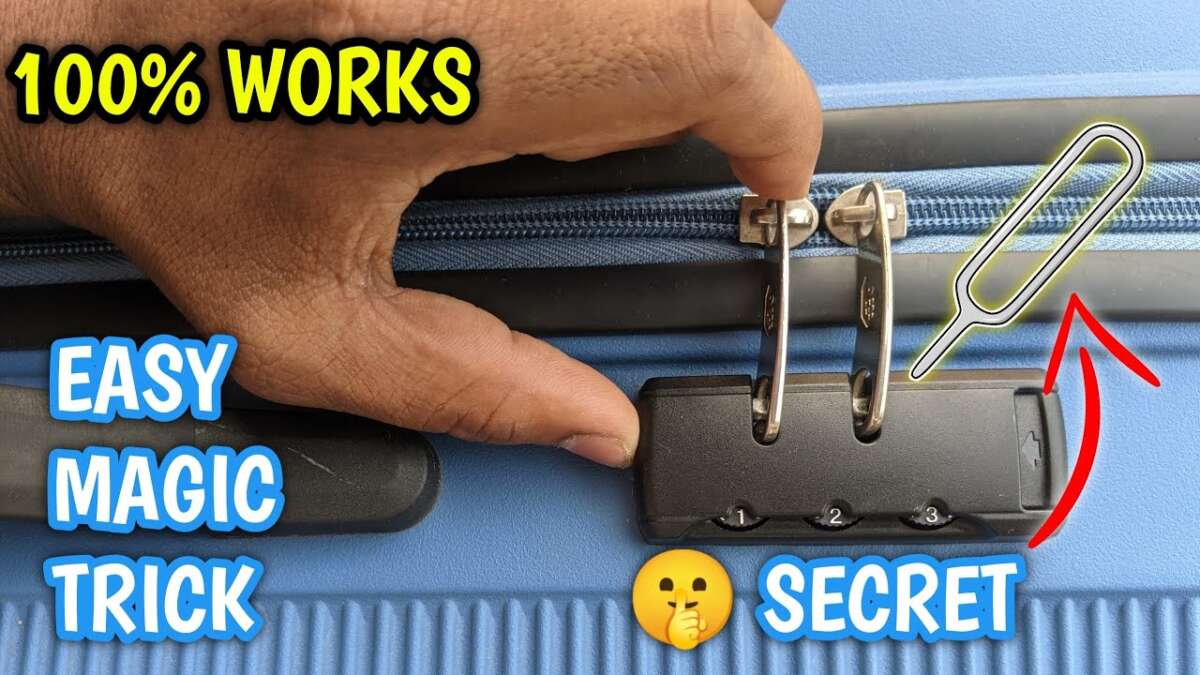
- Many brands include reset pins, manuals, or online recovery steps. Locate the reset button (often inside the case or in a tiny hole) and follow instructions.
- Have proof of purchase or ownership ready if you contact the manufacturer for help. They often assist if you can show you own the luggage.
TSA lock guidance
- If your suitcase uses a TSA lock, present your ID and proof of ownership at an airport support desk or at Transportation Security Administration channels. TSA agents can open the lock legally, or advise next steps.
- Don’t attempt to imitate a TSA master key or nonauthorized bypass; that can be illegal and may damage your bag.
When zippers are the issue (zipper slider misalignment)
- For a zipper that won’t open though the lock is disengaged, gently move the slider back and forth while supporting the fabric. Sometimes the slider has loosened and needs re-clamping with pliers.
- If the zipper teeth are damaged, replace the slider or use a temporary fix like a key ring to keep a compromised area closed until repair.

Tools and materials you may need
Carry a small kit for travel or repairs. These items make safe opening and minor fixes easier.
Useful tools
- Small flashlight for seeing dials and reset pins.
- Thin flathead screwdriver or plastic pry tool to find reset holes.
- Needle-nose pliers to adjust zipper sliders carefully.
- Lock lubricant (silicone-based) for sticky dials.
- Proof of ownership documents if you contact support or a locksmith.
Safety notes about tools
- Use plastic tools first to avoid scratching or bending metal.
- Avoid forceful cutting tools unless you’re ready to replace the lock or suitcase.

When to call a locksmith or replace the lock
If non-destructive methods fail, calling a locksmith or replacing the lock is often the best choice. This avoids damage and keeps contents safe.
Signs you should call a pro
- Dial or latch is physically damaged and won’t move despite lubrication.
- You can’t prove ownership at a checkpoint, and you need official help.
- The cost and time to brute-force the lock exceed the cost of a replacement.
What a locksmith can do
- Rekey or reset built-in locks without destroying the case.
- Safely remove welded or broken locks and install new hardware.
- Provide documentation if you need proof for claims or travel authorities.

Troubleshooting common problems and quick PAA-style questions
Stuck dial or sticky lock
- Apply a small amount of silicone lubricant around the dial and work it gently. Avoid oil-based lubricants that attract dirt.
Lost combination but you own the suitcase
- Use the sequential dialing method with steady tension. If that fails, contact the maker with ownership proof for reset instructions.
Zipper jammed inside the lock
- Work the zipper teeth with pliers or a small tool to free a stuck pull. If the lock is the problem, follow the combination methods instead.
PAA-style quick questions
What is the safest way to open a suitcase lock I own?
- Start with default combinations, then try sequential dialing while applying gentle tension. Contact the manufacturer if that fails.
Can airlines or TSA open my locked suitcase?
- TSA can open TSA-approved locks if needed for inspection. Airlines may require you to open the bag yourself or use approved repair services.
Is it legal to pick or bypass a suitcase lock?
- Only attempt opening methods on bags you own or have permission for. Bypassing locks on others’ luggage can be illegal.

Personal experience, tips, and common mistakes to avoid
I’ve helped travelers at airports and fixed locks in repair shops. These practical tips can save time and prevent damage.
What I learned on the job
- Tension is key. Most combination locks release under steady, light pulling tension while you rotate dials slowly.
- Patience beats force. Rushing leads to broken dials or damaged zippers, which is costly to repair.
- Always document ownership. In one case a client avoided fees by showing a receipt and the luggage tag from purchase.
Common mistakes
- Forcing a jammed lock and bending the frame. That often ruins the suitcase.
- Using oil sprays that gum up dials. Use silicone lubricant instead.
- Forgetting to check for a reset pin or label inside the suitcase.

Frequently Asked Questions of how to open suitcase lock
How do I open a suitcase lock if I forgot the combination?
If you forgot the combination, try default codes like 000 or 123 first. Use the sequential dialing method with gentle tension, and contact the manufacturer if these steps fail.
Can TSA open my suitcase lock without my permission?
TSA can open TSA-approved locks when required for security checks. They will relock the case if possible; keep receipts or tags to show ownership after inspection.
Is it okay to cut off a lock to open my suitcase?
Cutting off a lock should be a last resort when you own the bag and accept replacing the lock or zipper. If you are unsure about ownership or travel rules, contact a locksmith or airline staff first.
How do I reset a built-in combination lock?
Look for a reset button or pinhole usually inside the suitcase or near the lock. Follow the manufacturer’s instructions, and always set a memorable code and record it securely.
What if the combination lock is jammed or the dial won’t move?
Try a silicone lubricant and work the dial gently. If the dial remains jammed, call a locksmith to avoid breaking the lock or the suitcase frame.
Can I use a locksmith at the airport to open a suitcase?
Yes, many airports have recommended locksmiths or repair services. Always carry proof of ownership to avoid delays or security concerns.
Conclusion
Opening a locked suitcase is usually solvable without damage when you follow safe, legal steps. Start with simple checks like default codes, use sequential dialing with steady tension, and consult the manufacturer or a locksmith if needed. Keep ownership documents and a small repair kit on hand to reduce stress while traveling. Try these tips next time you face a locked bag, share your experience in the comments, or subscribe for more practical travel and repair advice.

Zayden Halbrook is a travel enthusiast and gear researcher passionate about making every journey smoother and more enjoyable. With a keen eye for practical travel essentials and real-world tips, he helps readers choose the right gear and travel smarter. When he’s not testing travel kits or exploring new destinations, Zayden shares simple, reliable advice to make every trip stress-free.