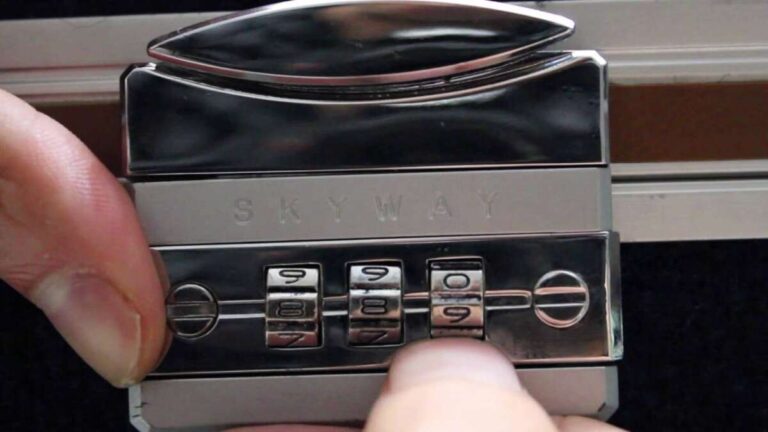
No reliable, verifiable source identifies a single famous speaker who said “I like my suitcase.”
The phrase “I like my suitcase” is often searched as a viral quote, meme, or audio clip, but its meaning depends on where you heard it. This guide explains what can be confirmed, why the attribution is unclear, and how to trace the original speaker without repeating an unsupported claim.
What Does “I Like My Suitcase” Mean?
“I like my suitcase” is a short phrase about personal luggage. On its own, it does not point to one well-known movie, song, book, or public figure.
The phrase may appear in:
• A short social media video
• A comedy sketch
• A travel vlog
• A television scene
• A sound clip with missing context
• A user-created meme or remix
When people ask who said “I like my suitcase,” they often expect one simple name. The problem is that short clips can spread far from their original source. A repost may remove the speaker’s name, crop the video, or add new music.
That makes the phrase harder to verify than a longer quote. A unique sentence may lead to one transcript, while a simple line such as “I like my suitcase” can occur in many unrelated settings.
Who Said “I Like My Suitcase”?
At this time, there is no dependable public record that proves one famous person is the original speaker of “I like my suitcase.”
That is the most accurate answer. Many online posts may attach the phrase to a celebrity, fictional character, or viral creator, but an attribution is not reliable unless it connects to an original video, broadcast, transcript, or official upload.
A good quote attribution should include at least one of these details:
• The name of the speaker
• The program, film, interview, or video
• The date or approximate time
• A link to the earliest available recording
• A transcript that contains the exact words
Without those details, the claim remains uncertain. Search results can repeat the same error many times, making an unverified answer look true.
So, who said “I like my suitcase”? The honest answer is that the speaker cannot be confirmed from the phrase alone.

Why Is the Quote Attribution Unclear?
Short viral audio clips often lose their original context. A user may hear a line on TikTok, Instagram, YouTube Shorts, or another platform and upload it with a new caption.
The next viewer may then assume the caption identifies the speaker. In reality, the caption may describe the joke, the trend, or the creator who reposted the clip. It may not name the person who first said the words.
There are several common reasons for confusion:
The clip may be edited
A short video may contain only two or three seconds of speech. The beginning may explain who is speaking, while the ending may reveal the setting. When those parts disappear, the quote becomes difficult to trace.
The audio may be reused
Social platforms allow users to reuse sounds. One person may upload the original, while hundreds of others use the same audio in unrelated videos.
The wording may vary
People often mishear short phrases. “I like my suitcase” could be confused with a similar line about a suitcase, travel bag, or luggage.
Search engines may favor repetition
If many pages copy the same claim, that claim may appear trustworthy. Repetition, however, is not proof. Strong verification requires a primary source.
This is a useful lesson for quote research: popularity does not equal accuracy.

How to Find the Original Speaker
If you heard “I like my suitcase” in a video, you can often trace it with a careful search. Start with the clip itself rather than a page that merely repeats the quote.
Use this process:
- Save the video or copy its link.
- Write down the exact words you hear.
- Check the platform’s sound or audio page.
- Look for the oldest visible upload.
- Read comments for names and context.
- Search the phrase with likely settings, such as “interview,” “movie,” “TikTok,” or “commercial.”
- Compare the voice, face, and background with the claimed source.
- Confirm the result through a transcript or full-length recording.
You can also search variations such as:
• “I like my suitcase” quote
• “I like my suitcase” original audio
• “I like my suitcase” video
• “I like my suitcase” movie quote
• “I like my suitcase” TikTok sound
Keep in mind that the oldest upload you find may not be the original recording. It may simply be the oldest copy still available. Deleted posts, private accounts, and platform changes can limit what researchers can prove.
In my research work on viral phrases, the biggest mistake is accepting the first confident answer. A better approach is to separate what is visible from what is assumed.
Is “I Like My Suitcase” From a Movie or TV Show?
There is no broadly verified evidence that “I like my suitcase” is a famous, universally recognized movie or television quote.
That does not prove the phrase never appeared in a film or show. A character may have said it in a minor scene, an obscure program, a dubbed version, or a user-uploaded clip. It only means the phrase is not clearly tied to one widely documented source.
Quote databases can help, but they have limits. They may miss:
• Unscripted dialogue
• Reality television
• Regional broadcasts
• Fan edits
• Foreign-language subtitles
• Improvised lines
• Deleted or private social posts
A transcript is stronger evidence than a caption. A full scene is stronger evidence than an isolated audio file. The closer you get to the original material, the more confidence you can have.
If someone claims that a specific actor said “I like my suitcase,” ask for the scene or recording. That simple step prevents many false attributions.
Common Mistakes When Identifying Viral Quotes
Finding the speaker behind a viral phrase can feel like solving a small mystery. It is easy to make a mistake, especially when the clip is funny or familiar.
Avoid these errors:
• Treating a meme caption as a source
• Assuming the most popular creator said the original line
• Trusting a quote website without a transcript
• Ignoring alternate spellings or misheard words
• Confusing a voice actor with the character
• Assuming a repost date is the original date
• Using artificial voice recognition as final proof
Voice recognition tools can offer clues, but they should not decide the answer alone. A similar voice, poor audio, background noise, or an edited recording can lead to a false match.
Another common problem is confirmation bias. Once a person believes a celebrity said “I like my suitcase,” every similar clip may seem to support that belief. Reliable research works in the opposite direction. It tests the claim and looks for evidence that could disprove it.

What We Can Say With Confidence
The safest statement is simple: “I like my suitcase” is an unattributed phrase unless a specific recording provides more context.
That does not make the phrase meaningless. It may still be part of a popular joke, a creator’s catchphrase, or an audio trend. It simply means the speaker should not be named without proof.
A careful answer can use different levels of certainty:
• Confirmed: The full original recording clearly identifies the speaker.
• Likely: Several strong clues support the same speaker, but the original is missing.
• Possible: The claim appears online, but evidence is limited.
• Unverified: No dependable source supports the attribution.
For the question who said “I like my suitcase,” the available information fits the unverified category unless the question includes a specific video or context.
This wording may sound cautious, but caution protects readers from misinformation. It also leaves room to update the answer if the original clip is later found.
Why Accurate Attribution Matters
Quote attribution affects more than trivia. Incorrect claims can spread false information about actors, creators, public figures, and ordinary people.
A person may be credited for words they never said. A creator may lose credit for their own work. A joke may also be misunderstood when it is removed from the setting where it was first spoken.
Accurate attribution is especially important when content is used in:
• News articles
• School projects
• Brand campaigns
• Podcasts
• Social media posts
• Research papers
• Videos and documentaries
If you plan to publish the phrase, describe it honestly. For example, you could write, “The speaker is not confirmed,” or “The clip is commonly shared without a verified attribution.”
That approach is clearer than guessing. It also builds trust with readers who may know more about the original video.
How to Cite the Phrase Responsibly
If you use “I like my suitcase” in an article or post, include the context you actually know.
A responsible caption might say:
The phrase “I like my suitcase” appears in a widely shared audio clip, but the original speaker has not been independently confirmed.
If you know the platform but not the creator, say so. If you know the creator but cannot find the earliest upload, avoid calling that person the original speaker.
You can also add:
• Where you found the clip
• The date you accessed it
• Whether the audio appears edited
• Whether another source confirms the words
• Any uncertainty about the speaker
This method is useful for journalists, bloggers, and social media users. It tells readers where the information came from without pretending that weak evidence is strong.

Frequently Asked Questions About “I Like My Suitcase”
Who said “I like my suitcase”?
No single speaker has been reliably confirmed from the phrase alone. The line may come from a viral clip, repost, sketch, or social media audio.
Is “I like my suitcase” a famous movie quote?
There is no widely accepted evidence that it is a famous quote from one major movie. A specific film scene could contain the words, but the phrase needs more context for verification.
Is the phrase from TikTok?
It may have circulated through TikTok or another short-video platform, but platform circulation does not prove where the audio began. The original upload and speaker still need to be checked.
How can I find the original “I like my suitcase” video?
Search the exact phrase, inspect the sound page, and compare the oldest available uploads. Check the full video, comments, transcript, and creator details before naming the speaker.
Why do websites give different answers?
Different websites may copy captions, rely on user guesses, or confuse a reposting creator with the original speaker. Conflicting answers are a sign that the attribution requires stronger evidence.
Can a voice tool identify the speaker?
A voice tool may provide a clue, but it cannot replace a verified recording or transcript. Audio quality, editing, and similar voices can produce incorrect matches.
Conclusion
The question who said “I like my suitcase” does not currently have one proven answer. The phrase is short, widely reusable, and easy to detach from its original context, so naming a celebrity or creator without a primary source would be speculation.
The best way to solve the mystery is to trace the earliest available recording, compare the full context, and label uncertain information clearly. If you have the video, audio, or platform where you heard “I like my suitcase,” use that evidence to investigate the source and share the clip responsibly.

Zayden Halbrook is a travel enthusiast and gear researcher passionate about making every journey smoother and more enjoyable. With a keen eye for practical travel essentials and real-world tips, he helps readers choose the right gear and travel smarter. When he’s not testing travel kits or exploring new destinations, Zayden shares simple, reliable advice to make every trip stress-free.