Forgetting a bag lock password is common; use safe recovery steps instead of damaging the lock or bag.
If you need to know how to force open bag lock if forgot password, start with non-destructive options. The best path is to identify the lock, check the brand instructions, and contact a locksmith or luggage service when the bag is yours. This guide explains practical, legal, and low-risk choices while showing what to avoid.
First, confirm that the bag belongs to you
Before trying anything, make sure you own the bag or have clear permission from the owner. A locked suitcase may contain personal items, travel documents, or someone else’s property. Trying to bypass a lock without permission can create legal and safety problems.
If the bag is at an airport, hotel, rental counter, or airline office, ask staff for help. They may have a documented process for damaged or forgotten luggage locks. In many cases, staff can direct you to an approved luggage repair service.
Knowing how to force open bag lock if forgot password starts with choosing the least harmful option. A rushed attempt can break the zipper, shell, frame, or contents inside the bag.
Identify the type of bag lock
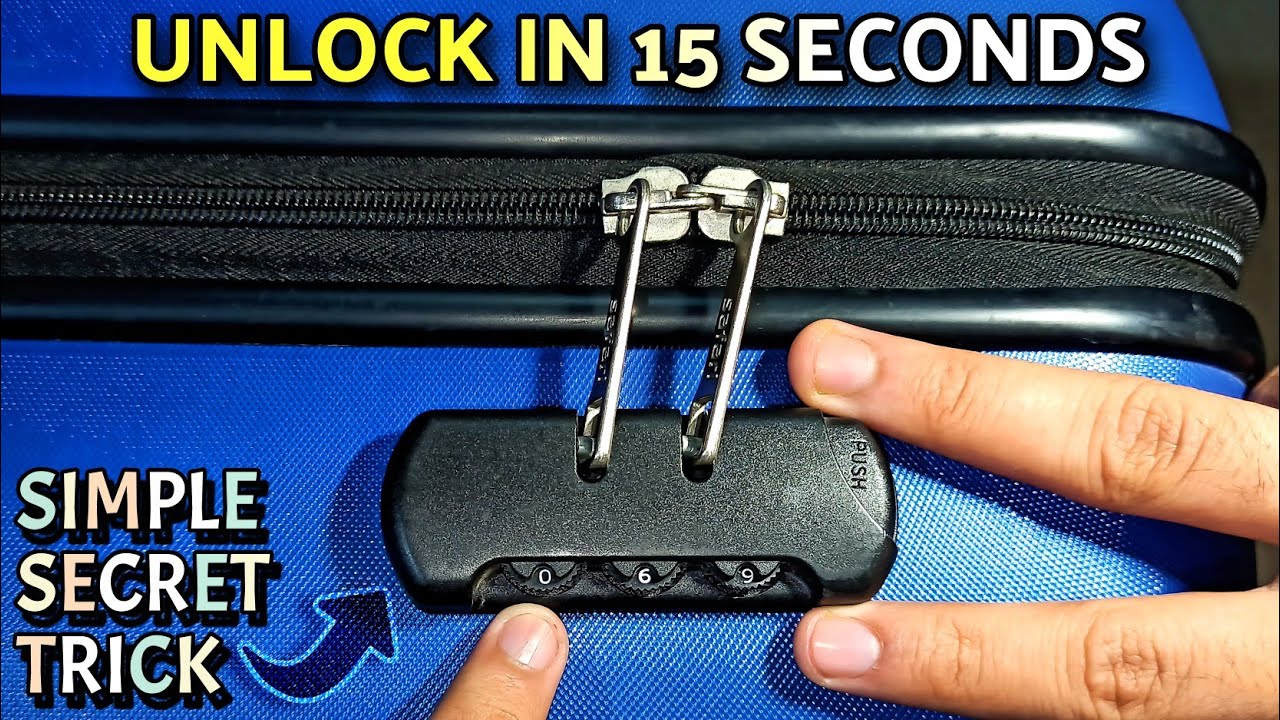
The lock type affects the safest solution. Look closely at the lock before applying pressure or using tools.
Common types include:
• Built-in combination locks: These are often placed beside the zipper pulls or on the suitcase frame.
• Padlocks: These may use three or four number wheels, a key, or both.
• TSA-approved locks: These usually have a red diamond symbol. The symbol shows that the lock is designed for authorized airport inspection, not that travelers can open it without the code.
• Keyed luggage locks: These need a physical key. A replacement key may be available from the brand.
• Electronic locks: These may use a battery, button, card, or mobile app.
Check the brand name and model number. Many manufacturers publish instructions for resetting a lock, replacing a key, or arranging service. Product information is often printed inside the suitcase, on the warranty card, or near the lock.
Safe steps to try before forcing the lock
The safest way to handle how to force open bag lock if forgot password is not to force it at first. Try these simple checks.
Think through likely codes
Many people use a familiar date, repeated number, or travel-related code. Check whether you set the lock yourself or whether it came with a factory code. Do not spend too long guessing random combinations, as this can cause stress without solving the problem.
Use only codes that you reasonably believe you selected. Avoid trying to manipulate the wheels by feel or using hidden bypass methods. Those techniques can damage the lock and may be unsafe or unlawful.
Check the user manual
Search for the exact brand and model. Look for terms such as “forgotten combination,” “lock reset,” or “replacement key.” Most reset procedures require the lock to be open, so instructions may help only after access is restored.
A reset button, pinhole, or lever is usually intended for changing a known code. It is not normally a way to recover a forgotten one.
Inspect the zipper pulls
Do not pull hard on the zipper. A jammed zipper can make a working lock appear broken. Remove fabric, packing material, or debris from the zipper path and gently reduce pressure on the pulls.
If the zipper is under heavy tension, press the suitcase panels together slightly while moving the pulls. This can reduce strain, but stop if the lock or zipper begins to bend.
Check the battery on an electronic lock
An electronic lock may fail because its battery is weak. Follow the manufacturer’s instructions for battery access. Do not insert metal objects into a battery compartment or electronic port.
If the lock connects to an app, check whether the app still recognizes the device. Some models require proof of ownership before support will restore access.

When professional help is the best choice
A licensed locksmith or luggage repair technician is often the safest answer to how to force open bag lock if forgot password. These professionals can usually assess the lock and choose a method that limits damage.
When you call, provide:
• The bag brand and model
• The lock type
• A clear explanation that you forgot the code
• Proof of ownership, such as a receipt, travel booking, or personal identification
• Photos of the lock, if the technician offers remote estimates
A luggage repair shop may be better than a general locksmith for molded suitcase locks, zipper systems, and frame cases. A brand service center may also replace the lock or provide a matching part.
In my experience observing common luggage problems, the biggest mistake is using a screwdriver, knife, or drill too early. One damaged zipper can cost more to replace than a professional opening service. The lock may be small, but the repair can involve the entire suitcase shell.

What not to do
Search results about how to force open bag lock if forgot password may show videos that involve shims, picks, drilling, or decoding. Avoid following those methods unless you are a trained professional working on property you are authorized to service.
These approaches can:
• Damage the suitcase frame
• Tear the zipper or fabric
• Make the lock impossible to repair
• Cause sharp metal fragments
• Trigger problems during airport screening
• Create legal concerns if ownership is unclear
Do not use fire, chemicals, heavy impact, or improvised cutting tools. These methods can harm you, damage the bag, or affect items inside it.
TSA-approved locks do not mean a traveler can request unrestricted opening. Airport officers may inspect luggage under official procedures, but they generally do not provide a personal forgotten-code service. If your bag is at an airport, speak with the airline or airport baggage office.

How a professional may open the lock
A qualified professional will first inspect the lock and confirm authorization. They may then use a controlled method that fits the lock design.
Possible professional solutions include:
• Opening the lock with an authorized service key, when applicable
• Replacing the lock after gaining access
• Removing and replacing a damaged zipper pull
• Disassembling part of the luggage frame
• Cutting a disposable padlock and fitting a new one
• Sending the bag to the manufacturer for repair
The exact method depends on the design. A professional should explain the likely damage, estimated cost, and replacement options before starting.
Be cautious if someone promises guaranteed opening with no proof of ownership or asks you to meet in a hidden location. Reliable service providers usually have a physical business, clear pricing, and a process for verifying the customer.

If the bag is locked during travel
Travel creates extra pressure, especially when a flight or hotel checkout is near. Slow down and record the bag’s condition before seeking help.
Take clear photos of:
• The lock and its brand mark
• The zipper pulls or frame
• Any visible damage
• The luggage tag
• Your receipt or baggage claim record
If an airline handled the bag, report the issue at the baggage service desk. If a hotel staff member stored it, ask the manager for help. If you bought the bag during the trip, contact the retailer or brand support team.
For checked luggage, avoid opening or damaging the case in a public terminal. Airport security rules vary, and an unauthorized repair attempt may create delays. Ask staff where approved luggage assistance is available.

Resetting the lock after it is opened
Once you regain access, reset the lock according to the manual. Most combination locks use a small reset switch, button, or lever. The lock normally must be open before you can change the code.
Choose a code that is:
• Easy for you to remember
• Not based on your birth date
• Not shared with strangers
• Stored in a secure password manager or private note
Test the new code several times while the bag is open. Close the lock only after you confirm that the new combination works.
A useful habit is to keep the combination in a secure digital password manager. Do not write it on a luggage tag or place it in an outside pocket. If someone finds the bag, that information could make access easier.

Preventing another forgotten luggage code
Learning how to force open bag lock if forgot password is useful, but prevention is better. Build a simple travel routine before every trip.
• Photograph the lock and model number before packing.
• Save the manufacturer’s manual in your phone.
• Record the code in a secure password manager.
• Test the lock before leaving home.
• Keep a backup key in a safe place when the lock uses one.
• Use a separate luggage strap if the built-in lock is unreliable.
• Replace a lock that sticks, slips, or fails to close.
Avoid using the same code for your luggage, phone, email, and financial accounts. A luggage code is not designed to protect high-value digital information.
Common mistakes and practical lessons
One common mistake is assuming that every three-digit lock uses the same reset process. Lock designs vary, and forcing a reset button can break the internal mechanism.
Another mistake is turning the wheels while pulling hard on the zipper. This creates tension and may damage both parts. Release pressure first, then check the manual or ask for professional help.
A final mistake is waiting until the airport to test a new lock. Test it at home with the bag empty. This gives you time to solve a problem without a flight deadline.
The most useful lesson is simple: treat the lock as part of the whole bag, not as a separate metal puzzle. A small repair decision can affect the shell, zipper, warranty, and travel plans.
Frequently Asked Questions About How to Force Open Bag Lock if Forgot Password
Can I reset a bag lock if I forgot the combination?
Usually, no. Most reset systems require the lock to be open first, so check the manual or contact the manufacturer for approved help.
Is it safe to use a paper clip or screwdriver on a luggage lock?
No. Improvised tools can damage the lock, scratch the bag, or cause injury. They may also create legal concerns if ownership is not clear.
Can TSA unlock my bag if I forget the code?
TSA officers may inspect luggage under official procedures, but TSA-approved locks are not a personal forgotten-password recovery service. Ask airport or airline staff about the proper luggage assistance process.
Will a locksmith open my suitcase without damaging it?
A locksmith may be able to reduce damage, but no method is guaranteed. The result depends on the lock design, bag construction, and the technician’s skill.
What should I do if my luggage lock is broken?
Stop pulling or hitting the lock. Photograph the damage, keep proof of ownership, and contact the luggage brand, a repair shop, or a qualified locksmith.
How can I avoid forgetting my luggage combination again?
Store the code in a secure password manager and test it before every trip. Do not place the combination on the luggage tag or in an outside pocket.
Conclusion
When you need to know how to force open bag lock if forgot password, the safest answer is to avoid aggressive force. Identify the lock, check the manufacturer’s instructions, reduce zipper tension, and contact an authorized luggage technician or locksmith when needed.
Do not use drills, knives, shims, fire, or random online bypass methods. Protect the bag, your belongings, and your legal position by choosing a controlled solution. After access is restored, reset the lock, record the new code securely, and test it before your next trip. Share your experience or explore your luggage brand’s support resources for more help.

Zayden Halbrook is a travel enthusiast and gear researcher passionate about making every journey smoother and more enjoyable. With a keen eye for practical travel essentials and real-world tips, he helps readers choose the right gear and travel smarter. When he’s not testing travel kits or exploring new destinations, Zayden shares simple, reliable advice to make every trip stress-free.