Fold ironed clothes along natural seams, cushion them with tissue, and place them on top in a stable suitcase.
Learning how to pack ironed clothes in a suitcase helps prevent wrinkles, sharp creases, and last-minute stress. After packing business shirts, dresses, and formal trousers for many trips, I have found that the best results come from cooling clothes fully, using light layers, and keeping heavy items away from pressed fabric. The steps below make the process simple and reliable.
Why Ironed Clothes Wrinkle in a Suitcase
Wrinkles form when fabric is bent, pressed, or trapped in a warm, crowded space. A suitcase adds all three risks, especially when clothes are packed before they cool after ironing.
Understanding how to pack ironed clothes in a suitcase starts with knowing what causes creases. Common causes include:
- Packing clothes while they are still warm or slightly damp
- Overfilling the suitcase
- Placing shoes, books, or toiletries on delicate clothing
- Folding shirts across the chest or sleeves
- Allowing clothes to shift during travel
- Using thin plastic bags that trap moisture
Cotton, linen, rayon, and lightweight dress fabrics tend to wrinkle more than wool blends, polyester, or knit fabrics. However, even wrinkle-resistant clothes can crease when they are tightly compressed.
A suitcase should hold clothes firmly, but it should not feel packed like a box of books. Think of the contents as a soft stack. Each layer should support the next without crushing it.

Prepare Clothes Before Packing
Good packing begins before the suitcase opens. Preparation reduces wrinkles and makes the final arrangement much easier.
Follow these steps:
- Iron or steam each item according to its care label.
- Check that collars, cuffs, hems, and button areas are smooth.
- Hang each item for at least 10 to 15 minutes.
- Let any moisture or heat leave the fabric.
- Fasten buttons, zippers, and clasps.
- Remove bulky items from pockets.
- Place matching outfits together if you are packing for a short trip.
Clothes that are cool and dry are less likely to develop deep creases. This small waiting period is one of the most useful parts of learning how to pack ironed clothes in a suitcase.
I once packed a freshly pressed cotton shirt just before leaving for the airport. It looked perfect at home, but the warm fabric folded into harsh lines during the flight. Now, I always let ironed clothing rest on a hanger before packing it.
Do not spray heavy starch unless you know the fabric can handle it. Starch may make some materials stiff, brittle, or more likely to show white marks.

Choose the Right Suitcase and Packing Tools
The suitcase itself can affect the condition of your clothes. A firm, clean case with a flat interior gives garments better support than a soft bag with loose sides.
Useful packing tools include:
- Acid-free tissue paper or plain white packing paper
- A garment folder or packing board
- Lightweight packing cubes
- A clean dry-cleaning bag
- A shoe bag
- A small laundry bag
- A travel steamer for final touch-ups
- A flat plastic pouch for belts and accessories
Avoid colored newspaper or printed paper. Ink can transfer to light fabric, especially in heat or damp conditions. Scented tissue may also leave an unwanted smell.
A garment folder works well for dress shirts, blouses, trousers, and jackets. Packing cubes are useful for casual clothes, but they can compress formal garments if filled too tightly.
When deciding how to pack ironed clothes in a suitcase, match the tool to the fabric. Use tissue paper for delicate clothing, a garment folder for structured pieces, and cubes for soft items such as T-shirts and sleepwear.

How to Pack Ironed Clothes in a Suitcase Step by Step
The safest method uses layers, tissue paper, and careful placement. It protects pressed clothing while keeping the suitcase balanced.
1. Pack shoes and heavy items first
Place shoes, toiletry bags, books, and electronics near the wheels or bottom of the suitcase. Put shoes in bags so their soles do not touch your clothes.
Fill the inside of shoes with socks, belts, or underwear. This saves space and helps the shoes keep their shape. Do not place hard objects beside fragile fabric without a soft barrier.
2. Create a soft base layer
Add underwear, pajamas, swimwear, or soft T-shirts over the heavy items. This layer acts like a cushion.
Keep the base fairly even. Lumpy packing can press unwanted marks into shirts and trousers.
3. Fold shirts with tissue paper
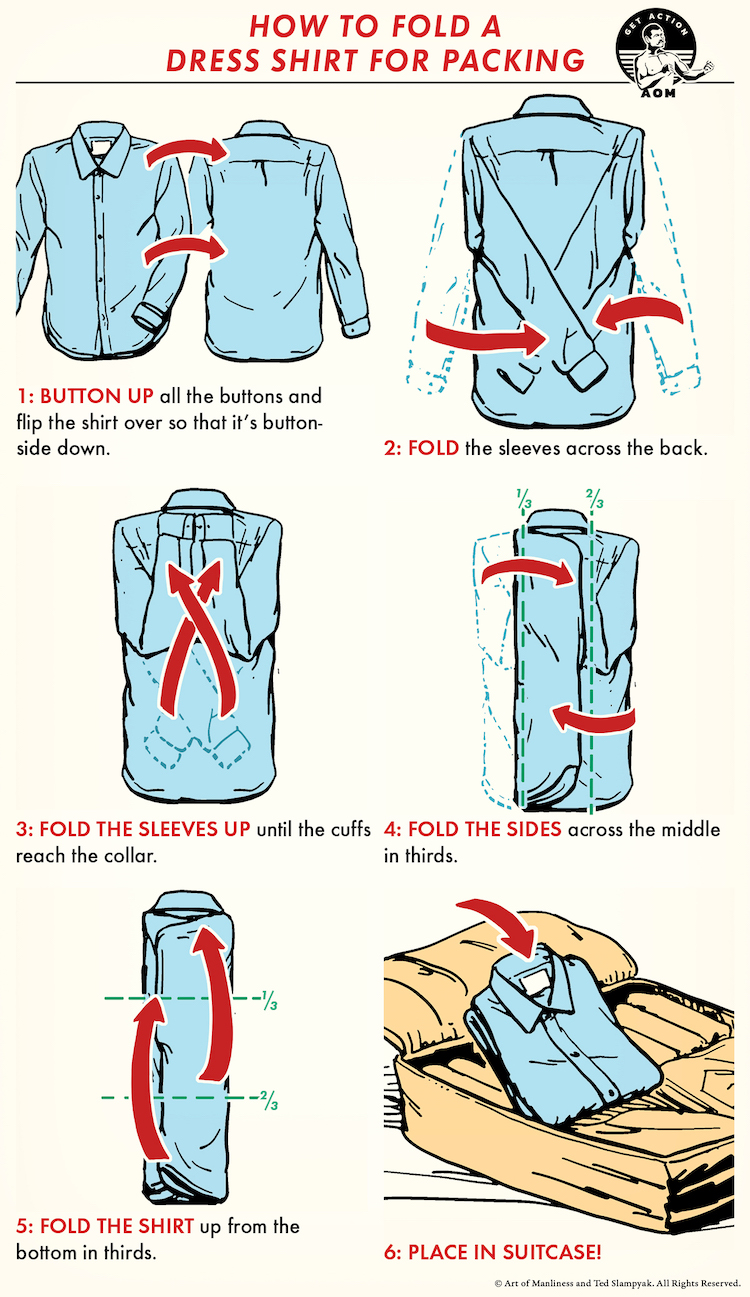
Lay the shirt face down on a clean, flat surface. Place one sheet of tissue paper across the back, then fold the sleeves inward and bring the sides toward the center.
Fold the shirt once from the bottom. Keep the fold loose rather than pressing it sharply. Tissue paper reduces friction, so the fabric can move slightly instead of forming deep lines.
4. Fold trousers along the crease
Match the trouser legs and follow the original crease. Fold trousers once or twice, depending on the suitcase length.
Place tissue paper between folded sections if the material is delicate. Avoid folding trousers across the knees when possible because that can create a strong horizontal line.
5. Place formal clothes in the center
Put shirts, blouses, trousers, and dresses in the middle of the suitcase. Keep them away from corners, wheels, and hard edges.
If the suitcase has a flat divider, use it to hold the clothing in place. Do not place shoes or toiletry bottles directly on top of pressed garments.
6. Use the top layer for delicate items
The top layer should contain the clothes you want to wear first. Add a clean tissue sheet over them before closing the suitcase.
This top sheet creates a smooth barrier between the clothes and the suitcase lid. It also makes unpacking easier because the first outfit is ready to remove.
7. Close the suitcase without forcing it
Lower the lid gently. If you need to push hard, remove something. Overpacking is one of the main reasons ironed clothes lose their shape.
A suitcase should close with light pressure from the locks or zipper. Forcing the lid compresses the center of the clothing and can create permanent-looking creases.
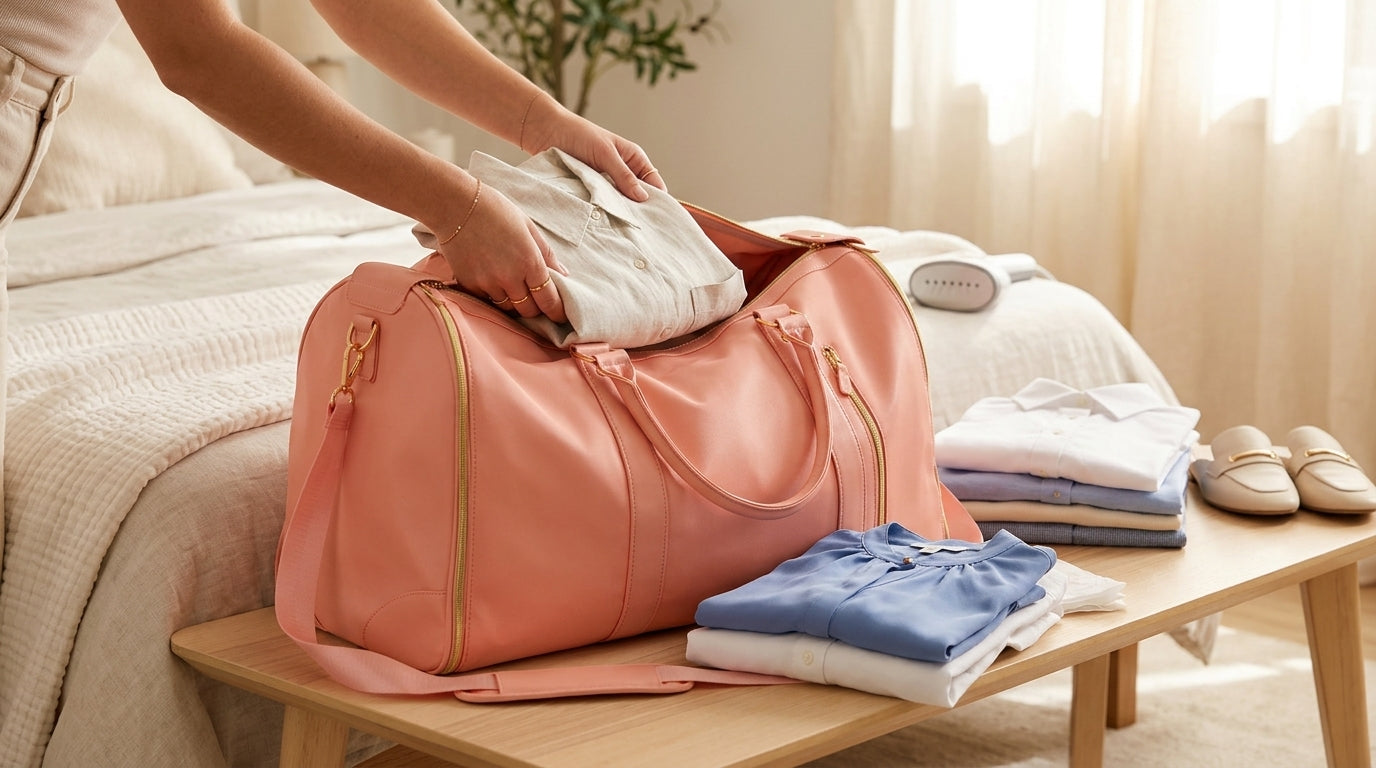
The Best Folding Methods for Different Clothes
There is no single folding method for every garment. The right method depends on the fabric, shape, and space available.
Dress shirts
Button the top, middle, and bottom buttons. Turn the shirt face down, fold the sleeves across the back, and fold the sides inward.
Add tissue paper before making one loose fold from the bottom. Keep the collar flat and avoid placing anything heavy on it.
Blazers and suit jackets
Turn the jacket inside out while keeping the shoulders shaped. Fold one shoulder inward, then gently place the other shoulder into it.
Fold the jacket lengthwise or roll it loosely from the bottom. A suit carrier is better for valuable suits, but careful suitcase packing can work for short trips.
Dresses
Lay the dress flat and smooth the fabric with your hands. Fold it lengthwise, then place tissue paper along the main fold.
Long dresses can be folded into a broad rectangle. Avoid tight rolling if the dress has pleats, beads, structured seams, or delicate lining.
Skirts
Zip or fasten the skirt, then fold it along the natural side seams. Place tissue paper over the waistband and fold once from the bottom.
For pleated skirts, keep the pleats aligned. Do not press them into a small cube.
Jeans and casual trousers
Jeans can go near the bottom because they are thick and less sensitive to light pressure. Fold each pair in half lengthwise, then fold it once across the middle.
Keep denim away from white clothing. Dark dye can sometimes transfer when fabric becomes warm or damp.
T-shirts and knitwear
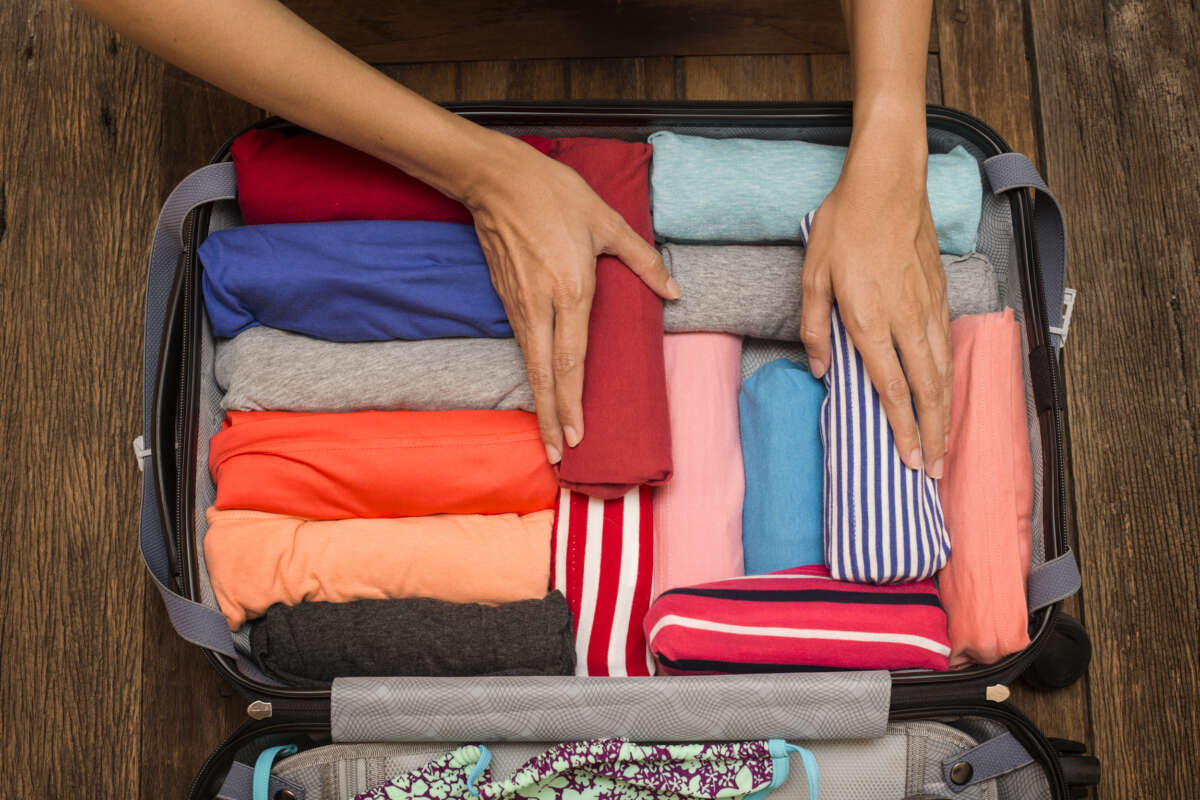
Soft shirts and sweaters can be folded or rolled. Rolling saves space, but it may not be ideal for thick knits or garments with printed designs.
Place rolled clothing around the edges of the suitcase. This fills gaps without pressing down on formal clothing.
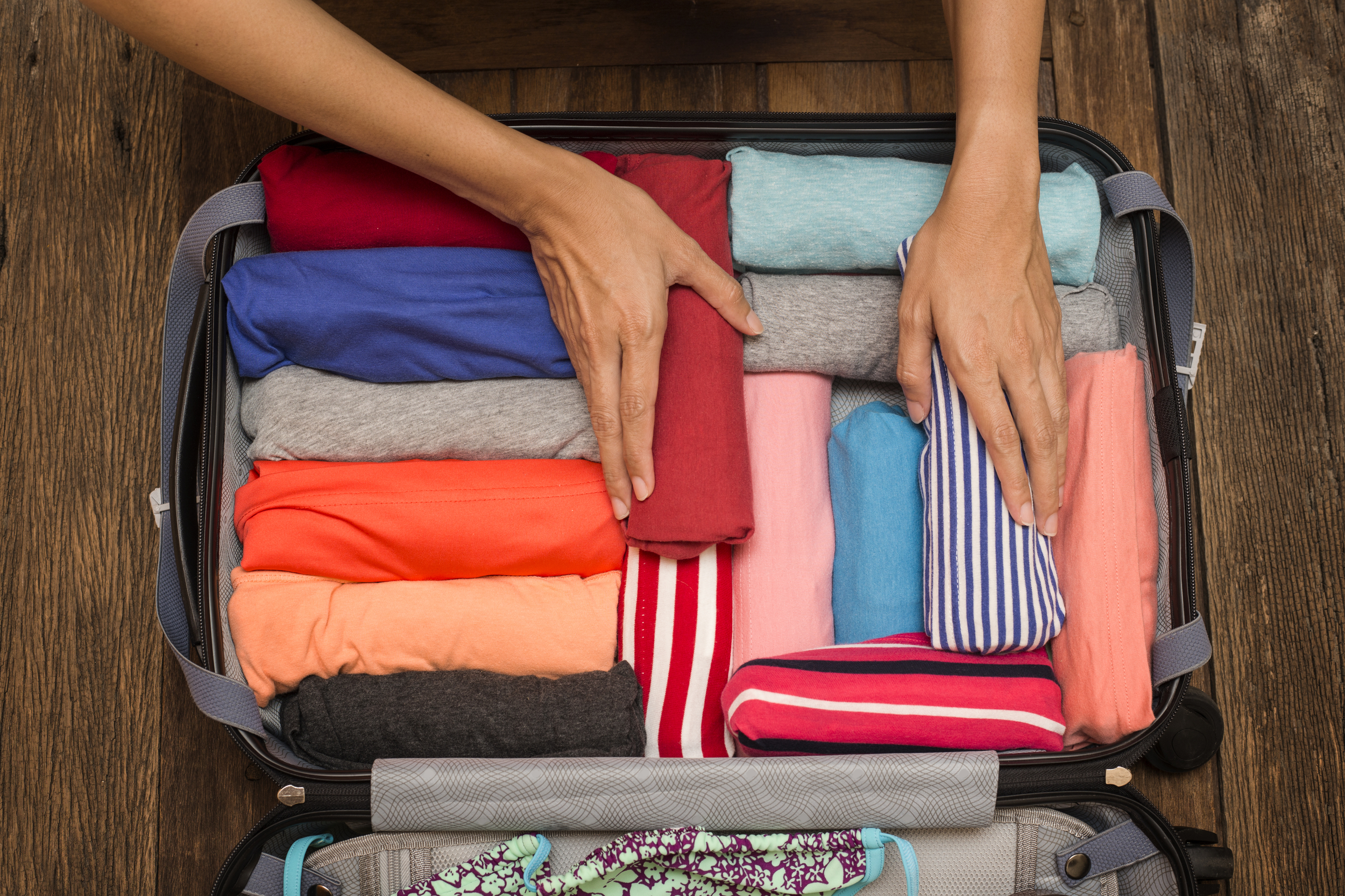
Should You Roll or Fold Ironed Clothes?
Rolling is useful for soft, casual clothing, but folding is usually better for freshly ironed formal garments. A roll can reduce the number of sharp fold lines, yet tight rolling may stretch fabric or create a long curved crease.
Use folding for:
- Dress shirts
- Blazers
- Trousers with a crease
- Linen garments
- Pleated skirts
- Structured dresses
Use loose rolling for:
- T-shirts
- Workout clothes
- Pajamas
- Underwear
- Soft jersey dresses
- Lightweight scarves
The best approach to how to pack ironed clothes in a suitcase often combines both methods. Fold the clothes that need to look crisp and roll the items that can handle movement.
Do not roll anything tightly enough to feel hard. A soft roll should resemble a towel roll, not a compressed sleeping bag.
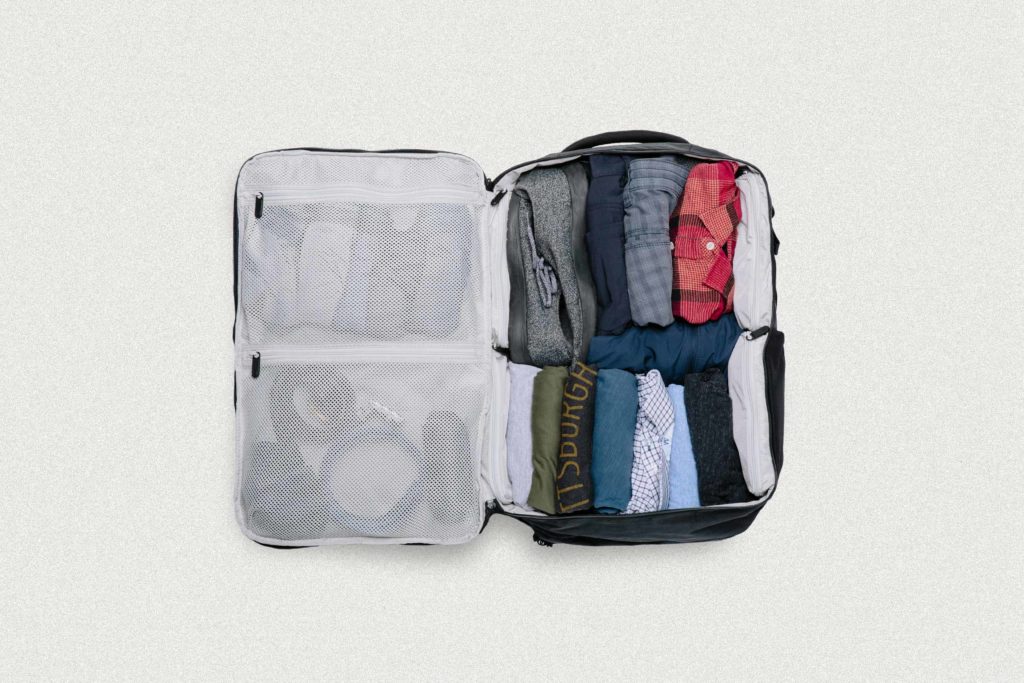
How to Pack a Suitcase Without Wrinkles
Wrinkle prevention depends on reducing movement and pressure. A balanced suitcase gives your clothes support during handling, loading, and transport.
Try these practical methods:
- Pack clothing in complete outfit groups.
- Use tissue paper between major folds.
- Fill empty spaces with soft socks or underwear.
- Keep the suitcase about 80 percent full.
- Place fragile garments in the middle.
- Keep liquids in sealed bags.
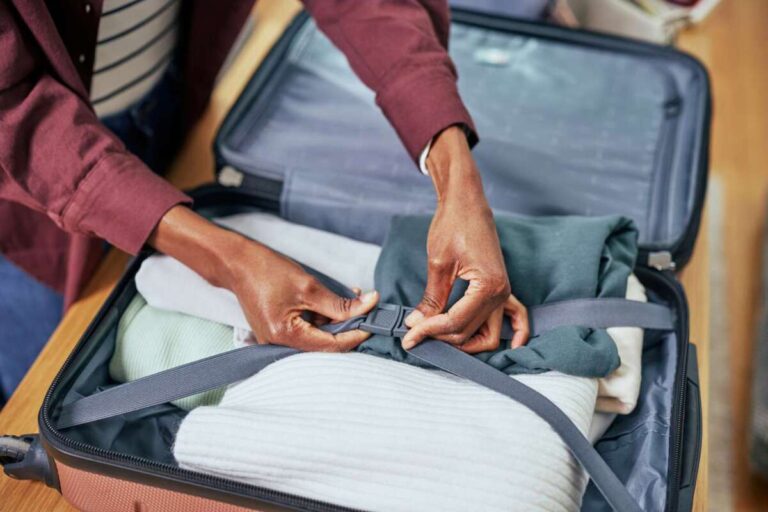
- Use a luggage strap to hold the clothing layer in place.
- Avoid placing sharp accessories beside thin fabric.
A clean dry-cleaning bag can help formal clothes slide instead of catch during movement. Do not seal damp clothes in plastic because trapped moisture can cause odors and may encourage mildew.
Packing cubes can help control casual clothes, but do not overstuff them. Compression cubes save room, yet they apply strong pressure. They are not the best choice for freshly ironed shirts, linen, or tailored clothing.

How to Pack Ironed Clothes in a Suitcase for a Business Trip
Business travel calls for extra care because shirts, suits, and dresses often need to look polished soon after arrival.
Pack your first meeting outfit at the top. Place the jacket in a garment folder or separate suit compartment if your suitcase has one.
For a two or three day trip, use this order:
- Shoes and toiletries go at the bottom.
- Casual clothes form a soft cushion.
- Trousers and skirts go in the center.
- Shirts and blouses go above them.
- A jacket or dress goes on top.
- Tissue paper covers the final clothing layer.
Keep accessories such as ties, belts, and jewelry in separate flat pouches. Buckles and metal pieces can leave pressure marks on shirts.
If you are carrying a full suit, a garment bag is often safer than folding it into a small suitcase. For one jacket and trousers, however, a careful fold with tissue paper usually works well.
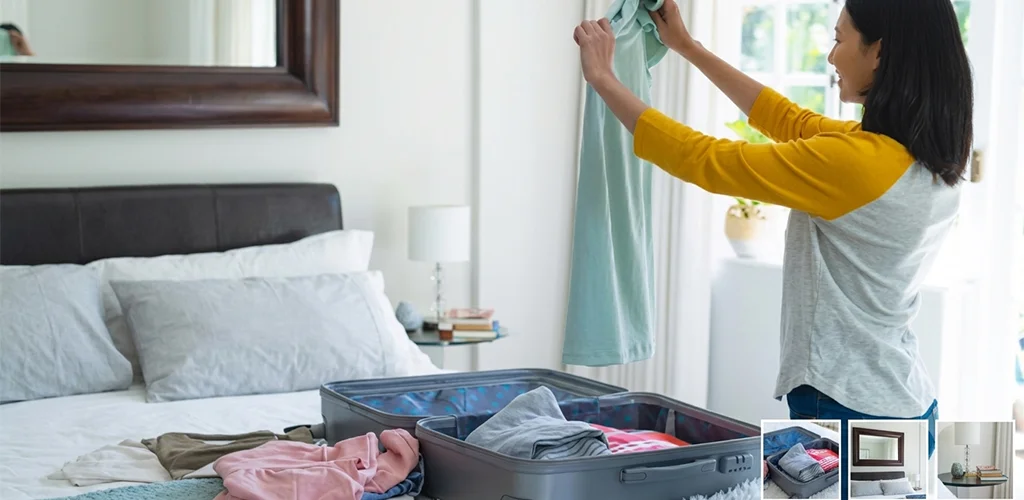
How to Pack Ironed Clothes in a Suitcase for Long Flights
Long flights expose luggage to more movement and temperature changes. Your suitcase may also remain closed for many hours, so moisture control matters.
Wear your heaviest shoes and jacket when practical. This creates more room and reduces pressure inside the case.
Before closing the suitcase:
- Make sure all garments are fully dry.
- Place heavier items low and near the wheels.
- Keep formal clothing in the center.
- Add tissue paper over the top layer.
- Do not fill every gap with hard objects.
- Check that liquids are sealed twice.
- Keep a small wrinkle-release spray in your carry-on if allowed.
A carry-on garment folder can be a better choice for valuable clothing. Airlines handle checked bags roughly, and no packing method can guarantee perfect results after drops, stacking, and delays.
Always check current airline and security rules for liquids, sprays, batteries, and other restricted items before traveling.
How to Unpack Ironed Clothes After Travel
Unpack as soon as you reach your destination. Leaving clothes compressed for several hours gives wrinkles more time to settle.
Hang shirts, dresses, jackets, and trousers on suitable hangers. Smooth the fabric with clean hands and leave space between garments.
For light wrinkles, hang clothing in the bathroom while taking a warm shower. Keep garments away from direct water and do not use steam on fabric unless the care label allows it.
A travel steamer is useful, but test it on a hidden area first. Some fabrics water-spot easily, and high heat can damage synthetics, silk, or glued details.
For a crisp finish, place a clean cloth between the iron and the garment. Follow the care label and use the lowest safe temperature. Never assume that a high setting is better.
Common Packing Mistakes to Avoid
Small mistakes can undo careful ironing. Avoid these errors when packing pressed clothing:
- Packing clothes while they are still warm
- Folding against the garment’s existing seams
- Overfilling the suitcase
- Placing shoes on top of shirts
- Using newspaper near pale fabric
- Mixing clean clothes with worn clothes
- Storing damp swimwear with formal clothing
- Compressing linen and cotton too tightly
- Forgetting to protect buttons, buckles, and zippers
- Leaving clothes in the suitcase after arrival
One mistake I learned to avoid is packing a full outfit in a tight cube because it seemed neat. The clothes arrived compact but badly creased. A loose folder and a little empty space gave a much better result.
The goal is not to eliminate every fold. The goal is to prevent hard, random wrinkles that are difficult to remove.
Frequently Asked Questions About How to Pack Ironed Clothes in a Suitcase
Should I fold clothes immediately after ironing?
No. Let ironed clothes cool and dry on a hanger for about 10 to 15 minutes before folding them. Warm fabric is more likely to hold sharp creases when compressed.
Does tissue paper really prevent wrinkles?
Tissue paper reduces friction between fabric layers and helps clothes move slightly during travel. It will not prevent every wrinkle, but it can reduce deep fold marks.
Is rolling better than folding for ironed clothes?
Rolling works best for soft casual items, such as T-shirts and pajamas. Fold shirts, tailored trousers, jackets, and pleated garments to preserve their shape.
How full should my suitcase be?
Aim for roughly 80 percent capacity. Clothes should stay in place, but the suitcase should close without force or heavy pressure.
Can I pack a suit in a regular suitcase?
Yes, for short trips, if you fold the jacket and trousers carefully with tissue paper. A garment bag is safer for expensive suits, long journeys, or important events.
What should I do if my clothes wrinkle after unpacking?
Hang them immediately and smooth the fabric by hand. Use a travel steamer, warm bathroom steam, or a low-temperature iron when the care label permits it.
Conclusion
Learning how to pack ironed clothes in a suitcase is mainly about timing, support, and gentle pressure. Let clothes cool, use tissue paper, place heavy items at the bottom, keep formal garments in the center, and avoid overpacking.
For the best results, combine folding for structured clothing with loose rolling for soft items. Unpack soon after arrival and use steam or careful ironing for any remaining wrinkles.
Try these steps on your next trip, then adjust them to your fabrics and suitcase design. Share your favorite wrinkle-free packing tip or explore more travel packing guides for easier, more polished journeys.

Zayden Halbrook is a travel enthusiast and gear researcher passionate about making every journey smoother and more enjoyable. With a keen eye for practical travel essentials and real-world tips, he helps readers choose the right gear and travel smarter. When he’s not testing travel kits or exploring new destinations, Zayden shares simple, reliable advice to make every trip stress-free.