

The best luggage size for travel is usually a 21- to 22-inch carry-on for short trips and light packers.
You know the scene: you reach the airport with one suitcase, one coffee, and no patience for a slow baggage line. Then your bag is too large for the cabin, too heavy to lift, or too small for a week away. I have tested and compared luggage by size, weight, wheels, storage, and real travel use. This guide will help you choose the best luggage size for travel without guessing at the airport gate.
Amazon Basics 3-Piece Luggage Set

This Amazon Basics set gives you three useful luggage sizes: 21, 26, and 30 inches. The 21-inch case works well as a carry-on for many airlines, while the larger cases suit longer trips. I like this range because it covers a weekend, a one-week trip, and a long family holiday with one purchase.
The hardside shell helps protect clothing from bumps, and the spinner wheels make airport turns simple. Each case expands when you need more room, but expansion can affect airline size limits. The light blue finish is easy to spot on a baggage belt, which saves time after a long flight.
Pros:
- Includes three practical luggage sizes
- 21-inch case suits many carry-on needs
- Expandable design adds packing space
- Spinner wheels roll in several directions
- Hard shell helps protect packed items
- Light blue color is easy to identify
Cons:
- The 30-inch case may become heavy when full
- Expanded bags can exceed airline size limits
- Hard shells offer less outside pocket space
SWISSGEAR Sion Large Softside Spinner

The SWISSGEAR Sion is a large softside spinner made for travelers who need room. Its checked-bag size can hold bulky layers, shoes, and gifts better than a small cabin case. The soft body also gives you more flexibility when you pack items with odd shapes.
I find softside luggage helpful when I want outside pockets for a passport, charger, or travel papers. The spinner wheels allow smooth movement through terminals, though large cases feel less nimble on crowded sidewalks. This is not the best luggage size for travel if you want to avoid checked baggage, but it is a strong choice for longer trips.
Pros:
- Large capacity for extended travel
- Softside body offers useful outside pockets
- Expandable section adds flexible storage
- Spinner wheels help with airport movement
- Lightweight design leaves more weight for clothing
- Dark gray color hides small marks
Cons:
- Must usually be checked on flights
- Large size can feel bulky on stairs
- Soft fabric gives less impact protection than a hard shell
UKEIN 20-Inch Luggage Set With Backpack

The UKEIN set pairs a 20-inch suitcase with a backpack and extra travel pieces. That setup works well for students, short trips, and travelers who like to keep daily items close. The 20-inch case sits near the popular carry-on range, but I still suggest checking your airline’s exact limits before flying.
The backpack adds a second place for a laptop, snacks, headphones, or a small personal item. This can make a short trip feel much easier because you do not need to open the main case at security. The set is also a smart pick for people who want coordinated luggage without buying each piece alone.
Pros:
- 20-inch case supports short-trip packing
- Backpack works as a personal item on many trips
- Useful set for students and young travelers
- Compact format is easy to store at home
- Gives you separate space for electronics
- Good match for weekend travel
Cons:
- Smaller case may not fit a full week of clothing
- Airline personal-item rules vary by carrier
- Set may feel limited for cold-weather packing
Travel Inspira Digital Luggage Scale
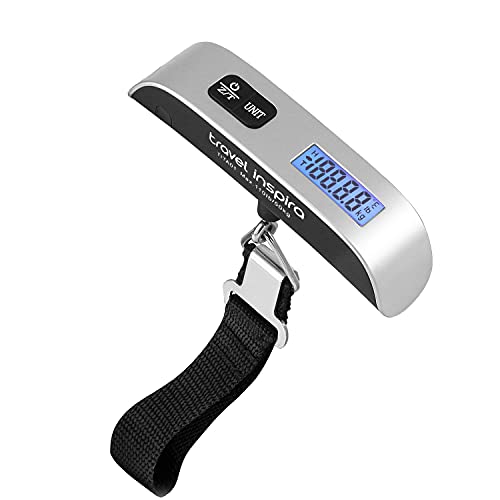
A luggage scale does not carry clothes, but it can save you from an expensive airport surprise. This Travel Inspira model gives travelers a simple way to check bag weight before leaving home. I consider it especially useful when choosing the best luggage size for travel because a larger case often tempts people to overpack.
The compact design fits in a suitcase pocket or toiletry bag. I use a scale like this after packing and again before the return flight, when gifts and souvenirs add hidden weight. It cannot replace checking your airline’s current baggage rules, but it gives you a clear number before you reach the counter.
Pros:
- Helps prevent overweight-bag fees
- Small size fits in most luggage
- Useful for both checked and carry-on bags
- Simple tool for home packing checks
- Helpful after shopping or adding souvenirs
- Supports smarter packing in larger suitcases
Cons:
- It is an accessory, not a luggage case
- Small reading differences can occur between scales
- Requires a battery to operate
Travelpro Maxlite 5 21-Inch Carry-On

The Travelpro Maxlite 5 is a 21-inch softside spinner designed around practical carry-on travel. Its size gives you a useful balance between storage and easy handling. In my view, this is one of the safest answers for the best luggage size for travel when you fly often and want to avoid checked-bag delays.
The softside design keeps the case light and adds pockets for items you need during the trip. Its spinner wheels move well through airports, hotel halls, and train stations. As with any carry-on, you should measure the packed case and compare its total outside size with your airline’s current rules.
Pros:
- 21-inch size suits many carry-on plans
- Light build helps protect your weight allowance
- Softside pockets keep travel items within reach
- Spinner wheels support smooth movement
- Good fit for weekend and business trips
- Known travel-focused design from a luggage brand
Cons:
- Softside fabric may show wear over time
- Carry-on space may feel tight for bulky clothing
- Airline limits differ, especially on smaller aircraft
OLIXIS 3-Piece Hardside Luggage Set

The OLIXIS set includes 20-, 24-, and 28-inch hardside suitcases. This size mix gives you a compact carry-on, a medium checked bag, and a larger case for long trips. It is a useful option for couples or families who want several sizes that match.
The spinner wheels make each case easier to guide, and the TSA-approved lock adds a layer of travel security. The hard shell helps shield folded items from pressure inside a crowded baggage hold. I would use the 20-inch case for short flights and save the 24- or 28-inch pieces for trips where checked baggage is already part of the plan.
Pros:
- Includes three useful travel sizes
- 20-inch case supports compact carry-on packing
- 24-inch case fits many medium-trip needs
- 28-inch case offers extra room for long trips
- Spinner wheels make direction changes easier
- TSA-approved lock supports secure travel
Cons:
- Larger cases can become heavy when filled
- Hardside cases have limited outside pockets
- Expansion may cause a bag to exceed size limits
Samsonite Freeform Hardside Carry-On

The Samsonite Freeform is a carry-on hardside suitcase with spinner wheels and an expandable main compartment. Its design targets travelers who want a clean case that rolls easily and protects clothing. The carry-on format works best for light packers, short business trips, and trips with laundry access.
The hard shell adds structure, so the case stays upright while you pack or wait in a terminal. The spinner wheel layout helps reduce the need to tilt the case behind you. I would still treat the word “airline-approved” with care, since airlines can set different limits and measure handles and wheels in different ways.
Pros:
- Carry-on size supports quick airport travel
- Hardside shell adds structure and protection
- Expandable design gives extra packing room
- Spinner wheels roll in multiple directions
- TSA lock supports easier security checks
- Good option for short, organized trips
Cons:
- Expansion can reduce overhead-bin compatibility
- Hard shell may scuff during frequent handling
- No large outside pocket for quick access
22-Inch Airline-Approved Travel Duffle

This 22-inch travel duffle offers a soft, flexible alternative to a rolling suitcase. Its listed 22 x 14 x 9-inch format matches a common carry-on target, but the final decision always belongs to the airline. The 45-liter capacity gives you room for gym clothes, casual wear, and small travel items.
A duffle can fit under a seat or in a tight overhead space more easily than a rigid case. It also works well for road trips, train rides, and gym use after you reach your destination. The tradeoff is simple: you get flexible storage, but you may carry more weight on your shoulder instead of rolling it.
Pros:
- Flexible shape suits tight storage areas
- Useful 22 x 14 x 9-inch carry-on target
- 45-liter capacity supports short trips
- Works for flights, road trips, and gym use
- Soft design can fit under some seats
- Easy to store when empty
Cons:
- Shoulder carrying can become tiring when full
- Soft sides offer less protection for fragile items
- Exact airline acceptance depends on packed shape
Gostwo Silicone Luggage Tags, 8-Pack

Luggage tags are small, but they solve a large travel problem: identifying your bag quickly. This Gostwo set includes eight silicone tags, so you can label several suitcases, backpacks, and duffle bags. Bright tags can help you spot a black case before another traveler grabs it by mistake.
The silicone material is flexible and suited to regular travel use. I recommend placing only the information needed to identify and return your bag, such as your name, email, and phone number. These tags do not change the best luggage size for travel, but they make any suitcase easier to manage.
Pros:
- Eight tags cover several bags
- Bright colors can improve bag visibility
- Flexible silicone resists simple bending
- Useful for families and group travel
- Helps reduce accidental bag swaps
- Lightweight design adds almost no bulk
Cons:
- Tags do not replace a tracking device
- Visible personal details may raise privacy concerns
- Straps can wear after heavy handling
Adjustable Luggage Connector Straps, 2-Pack

Connector straps help attach a smaller bag to a rolling suitcase. This two-pack can make airport movement easier when you carry a personal item, backpack, or second small case. It is a simple add-on for travelers who want to keep their hands free.
Adjustable straps also help organize luggage during train trips, hotel transfers, and car travel. I would test the connection at home before relying on it in a busy terminal. Remember that a strap does not make an oversized bag acceptable for a cabin, so measure the main luggage on its own.
Pros:
- Links a small bag to a rolling suitcase
- Helps keep both hands available
- Useful for airports and train stations
- Adjustable design fits different bag sizes
- Two straps support multiple travel setups
- Small accessory stores easily between trips
Cons:
- Cannot increase an airline’s baggage allowance
- Overloading may strain the strap or bag handle
- Requires careful adjustment for safe use
My Recommendation
After comparing these options, I see the best luggage size for travel as a choice based on trip length, airline rules, and packing habits. For most travelers, a 21-inch carry-on offers the best balance. It can avoid baggage claim, reduce waiting, and encourage lighter packing. A 20- or 22-inch option can work just as well when its packed outside measurements fit the airline’s limit.
Choose a 24- to 26-inch checked bag when you need more room for seven or more days, thick clothing, or shared packing. A 28- to 30-inch case makes sense for long stays or family use, but it needs careful weight control. Large luggage is like a deep closet: helpful at first, but easy to fill with things you do not need.
For frequent flyers, I prefer the Travelpro Maxlite 5 or Samsonite Freeform carry-on. The Amazon Basics and OLIXIS sets offer more size choices for families and mixed travel. The UKEIN set works well when you need a compact case plus a backpack. A luggage scale, tag set, and connector straps improve the experience, even though they are not substitutes for the right suitcase size.
| Best for | Why |
|---|---|
| Frequent flyers | A 20- to 21-inch carry-on can reduce checked-bag delays and keep travel simple. |
| One-week trips | A 24- to 26-inch checked case gives more room for shoes, layers, and toiletries. |
| Families and long stays | A three-piece set offers several sizes for different travelers and trip lengths. |
Before buying, measure the bag from the floor to the top of the handle and include wheels. Airline rules change, and some low-cost carriers use smaller cabin limits. Check the carrier’s current baggage page before you fly. That small step can prevent a large fee.
How to Choose the Best Luggage Size for Travel
The right luggage size starts with the trip, not the suitcase label. A “21-inch” bag may have different outside measurements from another 21-inch bag. Manufacturers may list only the case body, while airlines often count wheels and handles. I always compare the full dimensions before I buy.
Your travel style matters too. A light packer can spend ten days with a carry-on, while another traveler may need a checked bag for a three-day winter trip. Think about weather, shoes, laundry, work gear, and souvenirs. These details matter more than a simple day-count rule.
Best Carry-On Size for Air Travel
For many US airlines, a carry-on near 21 to 22 inches is a common target. A widely used maximum is about 22 x 14 x 9 inches, but the exact rule varies by airline and aircraft. Some international and budget airlines allow less. Always check the current policy before packing.
The best luggage size for travel by air should fit the overhead bin without force. Do not depend on expansion when the bag is full. An expanded case may pass a casual look at home but fail a size check at the gate.
Best Luggage Size for a Weekend Trip
A 20- or 21-inch carry-on usually works for a weekend. I suggest packing two or three tops, one extra bottom, underwear, sleepwear, and one pair of spare shoes at most. Wear your bulkiest jacket and shoes during transit.
A backpack or small personal item can hold your charger, medicine, wallet, and headphones. This keeps the main case less crowded. The UKEIN set and the 22-inch duffle both suit this travel style.
Best Luggage Size for a One-Week Trip
A one-week trip can work with a carry-on if you pack light and have access to laundry. For many people, a 24-inch checked suitcase feels more comfortable. It leaves space for layers and shoes without requiring the deep packing puzzle that a small carry-on creates.
Do not fill every corner just because the space exists. A heavier suitcase is harder to lift, roll, and place in a car. Use a luggage scale before leaving, especially if your airline has a strict checked-bag weight limit.
Best Luggage Size for Two Weeks or Longer
For two weeks, travelers often choose a 26- to 28-inch checked bag. This size gives room for more clothing and toiletries, but it also invites overpacking. I prefer a medium checked suitcase for most people because it balances capacity with control.
A 30-inch suitcase can help families share space or travelers carrying sports equipment. Yet it can become awkward on narrow sidewalks and heavy at the airport. Choose the largest bag only when you truly need its capacity.
Two-Wheel or Spinner Luggage?
Spinner luggage has four wheels and moves upright in several directions. It feels easy on smooth airport floors and helps when you walk beside the case. The wheels may stick out more, so include them when checking measurements.
Two-wheel luggage tilts and rolls behind you. Its wheels often sit inside the body, which can protect them and add usable space. Two-wheel bags can also handle rough sidewalks better, but they place more pull on your arm.
Softside or Hardside Suitcase?
Softside luggage offers outside pockets and flexible storage. It can squeeze into a tight overhead bin more easily when it is not overfilled. The downside is that fabric gives less protection from hard impacts and rain.
Hardside luggage gives clothing a firm shell and often includes a clean, divided interior. It can protect fragile items better when packed with care. The tradeoff is less outside storage and a shell that may show scratches over time.
Why Weight Matters as Much as Size
A large suitcase is not useful if the empty case consumes too much of your weight allowance. Look at both dimensions and empty weight. A lighter case gives you more room for clothing before you reach the airline limit.
Still, an ultra-light suitcase may use thinner materials. Check the wheel feel, handle movement, zipper quality, and stitching. I would rather choose a light case with solid contact points than the absolute lightest case available.
How to Measure Your Luggage Correctly
Stand the suitcase upright on a flat floor. Measure from the floor to the highest point, then measure width and depth at the widest areas. Include wheels, handles, side grips, and any outside pockets.
Measure again after packing if the bag expands. Softside luggage can swell, and hardside luggage can become deeper when the zipper section opens. These small changes can affect whether the bag fits an airline sizer.
How Much Can You Pack in Each Size?
A 20- to 22-inch carry-on often suits two to five days, depending on clothing and weather. A 24- to 26-inch suitcase commonly suits about five to ten days. A 28- to 30-inch case can handle longer trips, shared packing, or bulky items.
These are only guides. A winter coat can take the space of several summer shirts. Shoes also use more room than many travelers expect. Pack by outfit, use packing cubes, and leave a little space for the return trip.
Tips to Avoid Overpacking
- Plan each outfit before placing it in the suitcase.
- Choose two pairs of shoes whenever possible.
- Wear heavy jackets and boots during travel.
- Use small containers for liquids and skin care.
- Roll soft clothing and fold structured items.
- Leave room for gifts and laundry.
- Weigh the bag before going to the airport.
Why Airline Rules Matter in 2026
Airline baggage policies can change by carrier, route, aircraft, fare, and loyalty status. In 2026, travelers should not assume that a bag accepted last year will meet every current rule. Budget airlines may charge for a carry-on or permit only a small personal item.
Check the airline’s official baggage page or your booking details before departure. Pay close attention to both dimensions and weight. Airport staff may measure a bag that looks only slightly too large, especially when overhead space is limited.
FAQs Of best luggage size for travel
What is the best luggage size for travel by plane?
A 20- to 22-inch carry-on is a strong choice for many flights. Check the airline’s current size and weight limits before you pack because rules differ.
Is a 24-inch suitcase too big for a carry-on?
Usually, yes. A 24-inch suitcase commonly works as a checked bag. Some airlines may allow unusual dimensions, but you should never assume it will fit in the cabin.
What luggage size is best for a seven-day trip?
A 21-inch carry-on can work for a light packer with laundry access. A 24- to 26-inch checked suitcase offers more comfort for shoes, layers, and larger toiletries.
Should I buy a luggage set?
A set makes sense if you travel for different lengths or shop for a family. It gives you several sizes at once. Buy individual luggage instead if you need only one carry-on and want to focus on premium build quality.
Do luggage wheels count in airline measurements?
Many airlines measure the complete outside size, including wheels and handles. Read the airline’s measurement instructions and measure the full packed bag at home.
Final Verdict: Which Should You Buy?
For most travelers, the Travelpro Maxlite 5 21-inch carry-on is the best luggage size for travel because it balances space, weight, and easy movement. Choose the Amazon Basics or OLIXIS set if you need several sizes.
Measure before flying, pack by outfit, and weigh every checked bag. The right luggage size turns travel from a tug-of-war into a smooth walk.

Zayden Halbrook is a travel enthusiast and gear researcher passionate about making every journey smoother and more enjoyable. With a keen eye for practical travel essentials and real-world tips, he helps readers choose the right gear and travel smarter. When he’s not testing travel kits or exploring new destinations, Zayden shares simple, reliable advice to make every trip stress-free.