Can You Pack Food In Checked Luggage?
Traveling often means missing the tastes of home or wanting to bring back special treats. You might wonder, “Can you pack food in checked luggage? ” The answer depends on what you’re packing, your airline, and your destination. If you’ve ever opened your suitcase to find a broken jar or been stopped at customs, you know food in luggage can be tricky.
In this guide, I’ll share the rules, real-life tips, and what to expect, so you can travel smarter with your favorite foods.
Over the years, I’ve packed everything from homemade cookies to jars of honey in my checked bag. Sometimes it went well, and sometimes I learned lessons the hard way. I’ll use these experiences here, so you avoid mistakes and keep your food safe—and legal—when you travel.
Why People Pack Food In Checked Luggage
Travelers pack food for many reasons. Some want to bring home local snacks. Others need special diets or want to save money by not buying airport food. Sometimes, you’re bringing gifts for family or friends. For those with allergies or strict diets, bringing your own food can be essential.
I once took a trip to Southeast Asia. I carried gluten-free crackers in my checked bag because they’re hard to find there. Without them, I’d have struggled to eat safely. Packing food made my trip smoother and less stressful.
The Basics: Food Allowed Vs. Not Allowed
Not all foods are treated equally in air travel. Let’s break down what you can usually pack and what you can’t.
Allowed In Checked Luggage (most Countries)
- Dry snacks – Crackers, cookies, chips, nuts, dried fruit.
- Candy and chocolate – Packaged, not homemade.
- Coffee and tea – Sealed, dry.
- Bread and baked goods – Muffins, rolls, cookies (without creams or soft fillings).
- Hard cheeses – Usually okay, but soft cheeses can be a problem.
- Spices and herbs – In sealed containers.
- Canned food – As long as it’s not liquid, or under local limits.
Not Allowed Or Risky
- Fresh fruits and vegetables – Many countries ban these to prevent pests.
- Meat and dairy – Some countries ban all animal products.
- Liquids, jams, and sauces – Over 3.4 oz (100 ml) usually not allowed, even in checked bags in some places.
- Homemade foods – Customs may reject them if ingredients aren’t clear.
- Seeds and plants – Often banned.
Rules change by country. For example, Australia, New Zealand, and the US are strict about bringing in any fresh produce or meat.
Items With Restrictions
Some foods are allowed but with limits. For example, canned fish is okay in many countries, but not always in large amounts. Powdered items like protein powder can trigger extra checks. Always keep food in original packaging, with labels.
Airline And Airport Security Rules
Most people know the TSA (Transportation Security Administration) in the US checks luggage. Other countries have similar agencies. Their main concern is safety, not food, but food can set off alarms or look suspicious.
Tsa Rules For Checked Luggage
- Solid food is generally allowed.
- Liquids and gels over 3.4 oz (100 ml) are best left out, even in checked luggage, as they can leak or break and cause trouble.
- Alcohol over 140 proof is banned.
- Baby food and formula: Allowed, but declare it.
Other Countries’ Security
Europe, Canada, Australia, and Asia all have their own rules. In my experience, European airports are usually less strict with dry food. Australia and New Zealand have tough biosecurity laws—even packaged snacks can be a problem.
Customs Declarations
Always declare food at customs, even if you think it’s allowed. Not declaring can mean fines or having food taken away. It’s better to lose a snack than face a penalty.
Packing Food Safely: My Proven Tips
After years of travel, I’ve learned how to pack food in checked luggage without mess or stress.
Use Strong, Sealed Containers
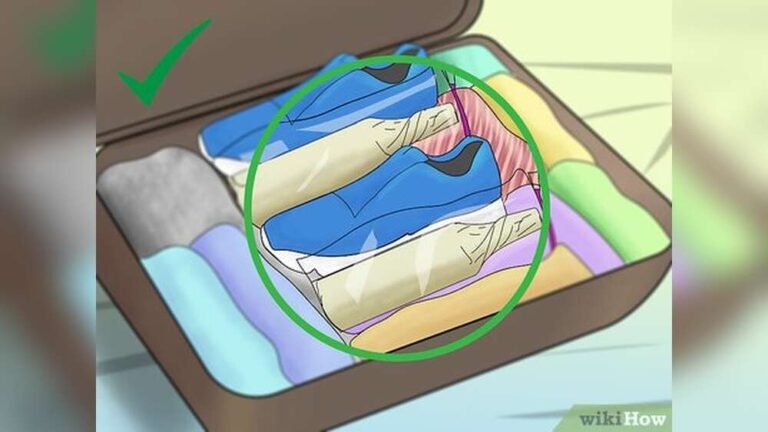
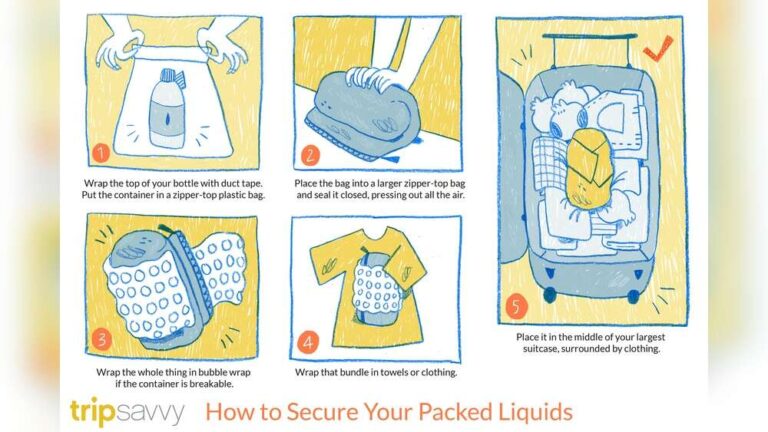
Put food in hard-sided boxes or containers. Plastic bags can break. I use plastic sandwich boxes for cookies and nuts. For jars, wrap them in clothes or bubble wrap.
Double-bag Wet Or Smelly Food
If you must pack soft cheese or something with a smell, double-bag it. Use a zipper bag inside a plastic grocery bag.
Avoid Glass When Possible
Glass jars break easily. If you must bring a glass jar, put it in the center of your suitcase, padded by clothes.
Keep Food In Original Packaging
Leave factory seals on. Homemade food can look suspicious to inspectors.
Pack Food On Top
Put food near the top of your suitcase. If inspectors need to check, they won’t dig through your clothes. This saves time and keeps your packing neat.
Label Everything
Write what’s inside on each bag or box. This helps if you’re asked about your food.
I once packed honey in a glass jar without extra padding. When I opened my suitcase, it was a sticky mess. Since then, I always use double bags and bubble wrap for anything liquid.
Country-by-country Food Rules
Each country makes its own rules about food. You must check before you fly. Here’s a quick look at some popular destinations.
United States
- Dry snacks, coffee, candy, and baked goods are usually fine.
- Meat, fresh fruits, and vegetables are not allowed from abroad.
- All food must be declared.
Canada
- Packaged foods are usually allowed.
- Fresh produce and meat are not.
- Dairy is limited.
Australia & New Zealand
- Almost all food must be declared.
- Fresh produce, meat, and dairy are usually not allowed.
- Even packaged snacks can be taken away.
- Heavy fines for undeclared food.
United Kingdom & European Union
- Dry food and candy are often allowed.
- Meat, dairy, and some plants are not, especially from outside the EU.
Asia (japan, Singapore, China)
- Japan and Singapore are strict about meat and dairy.
- Packaged snacks are usually fine.
- China has bans on some seeds and animal products.
Middle East (uae, Saudi Arabia)
- Dry snacks and sweets are usually okay.
- Pork products are not allowed.
- Alcohol is often banned.
Latin America
- Dry, packaged food is usually allowed.
- Meat, dairy, and seeds often need a permit.
Check the official customs website of your destination for the latest info. For US travelers, the US Customs and Border Protection site is a good resource.
Types Of Food: What Survives Travel
Not all food travels well. Some items handle the pressure, heat, and shaking of checked luggage better than others.
Best Foods For Checked Luggage
- Hard candy and chocolate – Won’t melt easily, don’t spoil fast.
- Nuts and dried fruit – Last for weeks.
- Granola bars – Good for snacks.
- Packaged cookies – Stay fresh if unopened.
- Coffee and tea – Lightweight, compact.
Foods To Avoid
- Soft cheese and creamy items – Can spoil or leak.
- Fresh fruit and vegetables – Risk of spoilage and customs trouble.
- Unsealed liquids – High risk of spillage.
- Eggs – Fragile, spoil fast.
Foods For Special Diets
Travelers with food allergies or special diets need to plan. Gluten-free crackers, lactose-free snacks, and vegan bars are usually allowed. Keep them in original packaging.
Packing Food For Long Flights
Long flights make food safety even more important. Your bag can be in a hot cargo hold for hours. Here’s how to keep food safe:
- Use airtight containers – Keeps out moisture and bugs.
- Avoid perishable items – No fresh dairy, meat, or cut fruit.
- Pack non-smelly snacks – Strong smells can spread in your suitcase.
- Check flight and layover rules – Some countries check bags during layovers.
I once had a layover in Dubai. My suitcase was checked again, and a box of dried meat was removed, even though it was allowed in my destination. Always check rules for every country you pass through.
How To Declare Food At Customs
Declaring food isn’t scary. It’s a normal part of travel.
- Fill out the customs form honestly.
- List all food you’re bringing, even snacks.
- When in doubt, ask the customs officer.
If you’re not sure, declare the item. The worst that happens is it’s taken away. If you don’t declare, you could pay a fine or be banned from entering the country.
What Happens If You Break The Rules?
Not following food rules can have serious results.
- Food is taken away: Most common outcome.
- Fines: Some countries fine you on the spot.
- Detainment: Rare, but possible for big violations.
- Travel bans: Repeated problems can get you blacklisted.
I’ve seen travelers fined $400 in Australia for a forgotten apple. It’s not worth the risk.
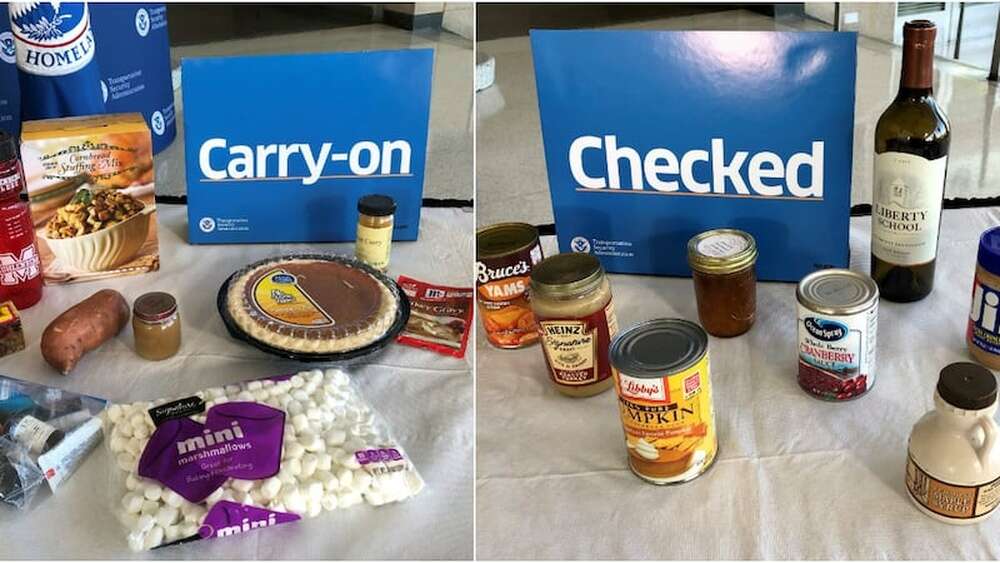
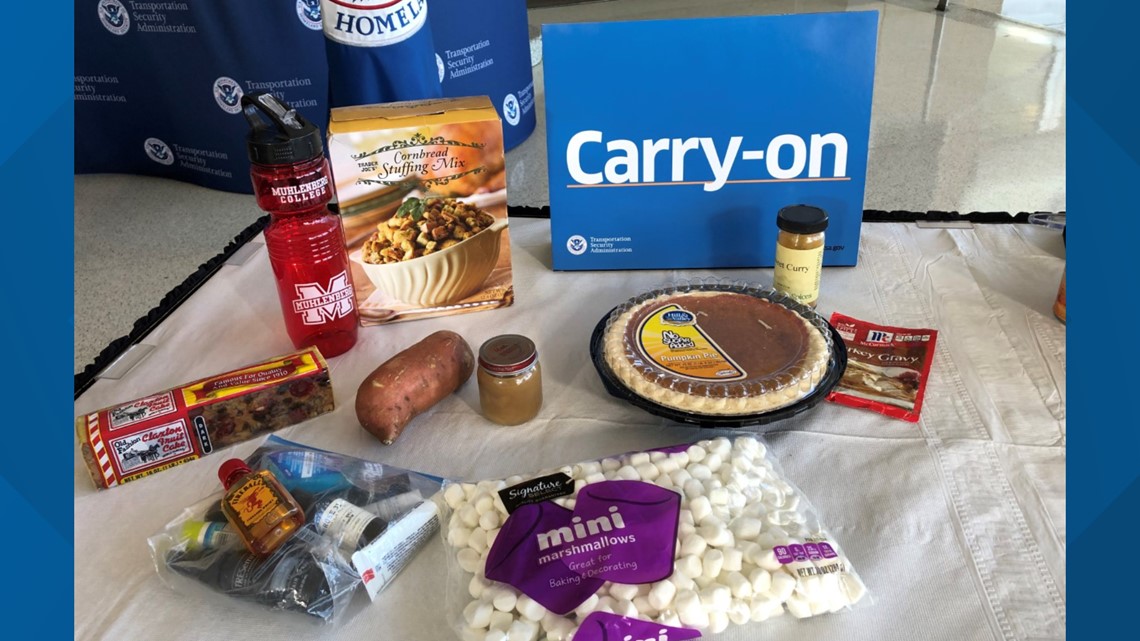
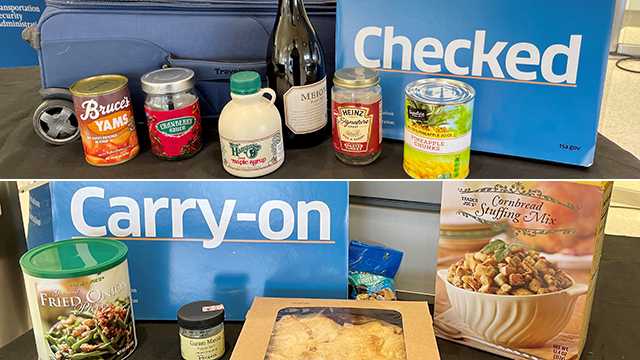
Comparing Checked Luggage Vs. Carry-on For Food
Which is better for food: checked or carry-on? Let’s look at the differences.
| Feature | Checked Luggage | Carry-On Bag |
|---|---|---|
| Amount Allowed | More space for food | Less space; airline limits apply |
| Security Checks | Less likely to be checked by security | Must follow liquid and gel rules strictly |
| Temperature | Can get hot/cold in cargo | Stays at cabin temperature |
| Access During Flight | Not accessible until you land | You can eat your snacks anytime |
| Risk of Damage | Higher (shaking, crushing, leaks) | Lower (you control the bag) |
If you need food during the flight, use carry-on. If you have lots of food, checked luggage is better—but pack carefully.
Packing Food For Children And Infants
Traveling with kids means extra planning. Here’s what you need to know:
- Baby formula and food: Allowed in checked luggage and carry-on. Declare them.
- Snacks for kids: Dry cereal, crackers, and sealed snacks are best.
- Allergy-friendly foods: Bring foods in original wrappers with clear labels.
Write your child’s name and allergy info on snack bags if needed. This helps in emergencies.
Packing Food As Gifts
Bringing food as a gift? Here’s how to do it right:
- Choose long-lasting foods – Candy, cookies, nuts, and tea travel well.
- Avoid liquids and homemade items – These are often rejected.
- Use festive, sealed packaging – Make it look like a gift, but keep original labels.
- Declare it as a gift – Some customs forms ask about gifts.
Packing Large Amounts Of Food
Some travelers want to bring large quantities, maybe for a long stay or to share with family. Most airlines let you bring food as long as it fits in your baggage allowance. But there are limits.
- Customs limits: Some countries set a maximum weight or value for food.
- Airline limits: Extra baggage fees may apply.
- Inspection risk: Large amounts attract more attention.
If you’re moving abroad or sending a care package, check with your airline and the destination’s customs office before you fly.
Environmental And Safety Concerns
Why are there so many rules about food in checked luggage? It’s not just about you. Countries want to protect their farms and environments from foreign pests and diseases. A single piece of fruit can carry bugs or bacteria not found in your destination.
Also, spilled food can damage luggage and other passengers’ bags. Airlines want to avoid strong smells or leaks in the cargo hold.
Credit: www.fox43.com
Real-world Examples And Surprising Facts
- In 2022, US customs seized over 3,000 pounds of food at one airport in a single month.
- Australia fines travelers millions of dollars each year for undeclared food.
- Some rare cheeses and meats are banned worldwide due to disease risk.
- Many travelers don’t know even sealed store-bought snacks can be taken away if the country is strict.
I once met a traveler in New Zealand who lost a whole suitcase of chocolate because he didn’t declare it. He thought it was “just candy,” but the label included a banned ingredient.
How To Check Latest Rules
Rules change often. Before you fly, check:
- Your airline’s website – For packing and baggage rules.
- Destination’s customs website – For food import rules.
- Airport security info – For security check details.
If you’re not sure, call or email the airline or customs office. They usually answer quickly.

Credit: www.orchestradipugliaebasilicata.it
Data: Most-confiscated Foods
Here are the most commonly confiscated foods at major airports:
| Food Item | Why It’s Taken | Risk Level |
|---|---|---|
| Fresh fruit | Pests, disease | High |
| Meat (jerky, sausages) | Disease risk | High |
| Homemade foods | Unknown ingredients | Medium |
| Seeds and nuts | Plant disease | Medium |
| Liquids (sauces, honey) | Spillage, unclear ingredients | Medium |
This data comes from customs reports in the US, Australia, and the EU.
Smart Traveler Checklist: Packing Food In Checked Luggage
Before you close your suitcase, review these steps:
- Check the customs rules for your destination.
- Pack food in sealed, labeled containers.
- Avoid liquids, fresh produce, and homemade items.
- Declare all food on your customs form.
- Be ready to lose some items if rules change.
Frequently Asked Questions
What Foods Are Safe To Pack In Checked Luggage?
Solid, dry foods like crackers, granola bars, hard candy, nuts, and packaged snacks are safe for most destinations. Avoid fresh fruit, meat, dairy, and anything that can spoil or leak. Always check your destination’s rules before packing.
Do I Need To Declare All Food At Customs?
Yes. It’s best to declare all food, even if you think it’s allowed. Not declaring can lead to fines or your food being taken away. When in doubt, declare everything. Customs officers decide what’s allowed.
Can I Bring Homemade Food In Checked Luggage?
Homemade food is risky. Customs officers might not allow it because the ingredients are unclear. It’s safer to bring factory-sealed, labeled foods. If you must bring homemade items, keep them well packed and declare them at customs.
Credit: www.wbaltv.com
Will Airport Security Open My Suitcase If I Pack Food?
Possibly. If food looks suspicious on x-ray scans, your bag may be opened for a quick check. If you pack food at the top in clear containers, this check is quick and easy. Don’t lock your bag with a non-TSA-approved lock.
What Happens If My Food Is Not Allowed?
If your food is not allowed, customs will take it away. In some countries, you may pay a fine. Rarely, you could be delayed or denied entry. Follow the rules to avoid problems and always declare your food.
Packing food in checked luggage is possible, but it takes planning and care. By following the rules, packing smartly, and learning from others’ experiences, you can enjoy your favorite snacks anywhere in the world—and avoid expensive mistakes. Safe travels and happy snacking!

Zayden Halbrook is a travel enthusiast and gear researcher passionate about making every journey smoother and more enjoyable. With a keen eye for practical travel essentials and real-world tips, he helps readers choose the right gear and travel smarter. When he’s not testing travel kits or exploring new destinations, Zayden shares simple, reliable advice to make every trip stress-free.