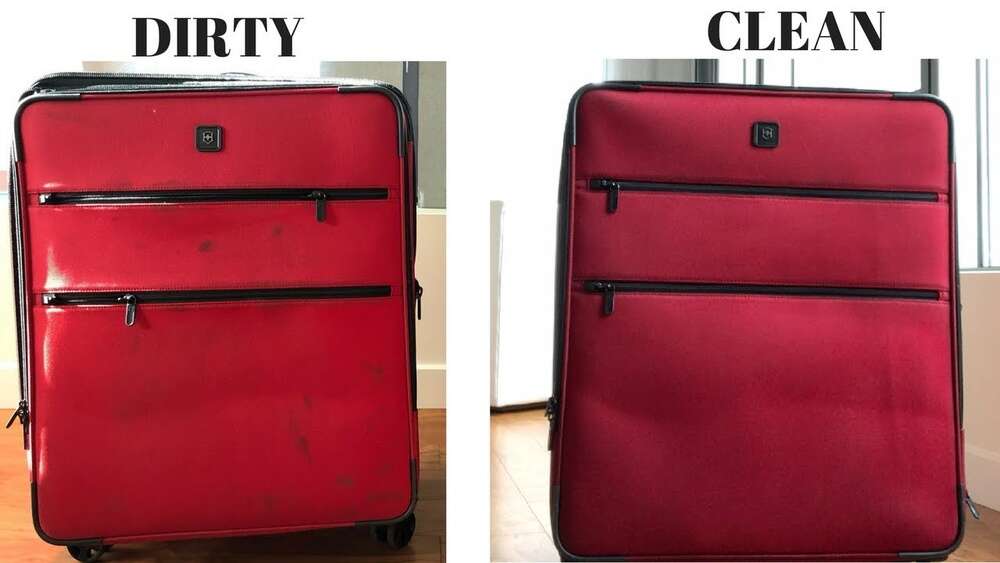
Washing a suitcase may seem like a simple task. But doing it right makes a big difference. A clean suitcase lasts longer, smells better, and keeps your clothes fresh during travel. If you have never cleaned a suitcase before, don’t worry.
This guide will show you everything, step by step. I travel often for work and leisure, and I’ve cleaned many suitcases—some small, some large, some very muddy! From my experience, even expensive luggage needs care, or dirt and stains will build up.
Many people forget to clean their suitcases after trips. But those bags touch airport floors, hotel rooms, and city streets. They gather germs, dust, and sometimes bad smells. If you store them without cleaning, mold and bugs might appear. Knowing how to wash a suitcase the right way saves money and keeps you healthy.
Let’s go through how you can wash your suitcase at home, make it look new, and avoid common mistakes. Whether you have a fabric, hard shell, or leather suitcase, you’ll find tips here for every type.
Why Washing Your Suitcase Matters
Suitcases are exposed to many dirty places. Airports, public transport, and hotel rooms are full of bacteria and dust. If you don’t wash your suitcase, these germs can end up on your clothes. Over time, stains and smells become harder to remove.
A clean suitcase also lasts longer. Dirt can damage zippers and wheels. Sand and dust scratch hard shells. Mold can damage fabric and leather. Washing your suitcase regularly protects your investment and keeps it looking good.
I once ignored cleaning my suitcase after a rainy trip. When I opened it a month later, there was a strong smell and some mold inside. After that, I learned to always wash and dry my suitcase before storing it.
Before You Start: What To Check
Before washing, look at your suitcase’s care label. Many brands give cleaning instructions. If you can’t find the label, check the brand’s website.
Also, check what your suitcase is made of:
- Fabric (nylon, polyester, canvas): Needs gentle cleaning.
- Hard shell (polycarbonate, ABS, aluminum): Can handle more water but needs care to avoid scratches.
- Leather: Needs special cleaners and less water.
Remove everything from your suitcase, including hidden pockets. Shake out sand or dirt. Take out removable parts like laundry bags or suit liners.
Supplies You’ll Need
Getting your cleaning supplies ready helps the process go smoothly. Here’s what you need:
- Soft brush or old toothbrush
- Mild soap or detergent (no bleach)
- Warm water
- Microfiber or soft cloths
- Sponge
- Small vacuum or handheld vacuum (optional)
- Disinfectant spray (safe for fabric or hard shell)
- White vinegar (for tough smells)
- Baking soda (for odor removal)
- Leather cleaner and conditioner (for leather suitcases)
- Lint roller (optional)
If you have any doubts about a cleaner, test it on a small hidden area first.
How To Wash A Soft Fabric Suitcase
Fabric suitcases are popular because they are light and flexible. But fabric holds dust and stains. Here’s how to wash them:
- Vacuum the Inside: Use a small vacuum to remove crumbs, dust, and hair. Pay attention to seams and pockets.
- Spot Clean Stains: Mix a little soap with water. Dip a soft cloth or brush in the solution. Gently rub any stains. For hard stains, use a mix of water and vinegar (equal parts) and blot, don’t rub.
- Wash the Lining: If the lining comes out, wash it by hand in mild soap and water. If not, use a cloth and soapy water to wipe it. Rinse with a damp cloth.
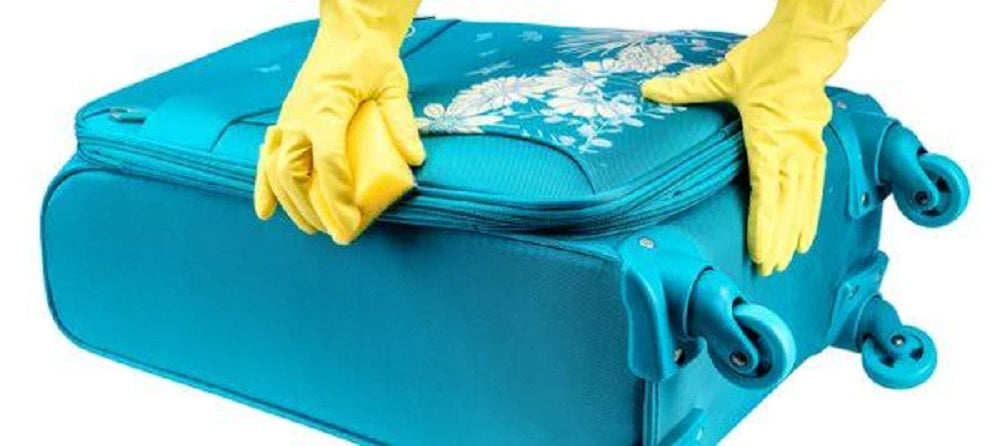
- Clean the Outside: Wipe the outside with a soapy sponge. Do not soak the suitcase. Clean zippers, corners, and handles. Use a toothbrush for small grooves.
- Rinse and Dry: Wipe with a cloth dampened with clean water to remove soap. Leave the suitcase open in a sunny, airy place to dry. Never put it in a dryer.
Expert tip: Avoid using strong cleaners. They can ruin the color or fabric coating. I once used regular laundry detergent, and it faded the fabric, so always use mild soap.
Cleaning A Hard Shell Suitcase
Hard shell suitcases are easy to wipe but scratch easily. Here’s how to wash them safely:
- Empty and Shake Out Dust: Open all zippers. Shake out sand or dirt.
- Wipe the Outside: Use a soft cloth with warm, soapy water. Clean all surfaces, including corners and wheels. For sticky stains, let a wet cloth sit on the spot for a few minutes.
- Clean the Inside: Wipe the lining with a damp cloth and mild soap. For tough stains, use a little vinegar with water.
- Focus on Wheels and Handles: Dirt and hair often get stuck here. Use a brush or toothpick to remove debris.
- Rinse and Polish: Wipe with a clean damp cloth. Dry with a towel. Some people use a little car wax on polycarbonate shells to make them shine and protect from scratches.
Extra insight: Hard shell suitcases can get scuff marks. You can often remove them with a pencil eraser or a little toothpaste on a cloth. Rub gently and rinse.
Special Care For Leather Suitcases
Leather suitcases are stylish but need special attention. Water and soap can damage leather if used too much.
- Dust and Vacuum: Use a dry cloth or soft brush to remove dust. Vacuum the inside.
- Spot Clean: Use a damp (not wet) cloth with a drop of gentle soap. Wipe stains gently.
- Condition the Leather: After cleaning, use a leather conditioner to keep it soft and prevent cracks.
- Avoid Soaking: Never use too much water. Dry at room temperature, away from sunlight.
Personal experience: My old leather carry-on dried out and cracked after I used too much water. Now I always use just a little moisture and condition the leather every few months.
Cleaning Zippers, Handles, And Wheels
These parts get dirty fast and affect how well your suitcase works.
- Zippers: Use a toothbrush to clean dirt from the teeth. Wipe with soapy water. Dry well and add a little zipper lubricant (like candle wax or a special zipper product).
- Handles: Wipe with a disinfectant cloth. If sticky, use soapy water and rinse.
- Wheels: Hair and threads tangle around wheels. Cut and pull out debris with tweezers or a toothpick. Wipe the wheels with a wet cloth.
Pro tip: If wheels squeak, add a drop of silicone oil, not regular oil, to avoid stains.
Removing Odors From Suitcases
Suitcases often hold odors from shoes, dirty clothes, or dampness. Here’s how to remove them:
- Air Out the Suitcase: Open the suitcase fully in a sunny, breezy spot for several hours.
- Use Baking Soda: Sprinkle baking soda inside. Close for a day, then vacuum it out.
- Try Vinegar: Place a bowl of white vinegar inside the closed suitcase overnight. Vinegar absorbs smells.
- Charcoal Bags: These absorb odors well. Place one inside for a few days.
- Avoid Scented Sprays: These only mask smells. Clean first, then use a light scent if you want.
Hidden insight: Odors can linger in hidden seams and zippers. Always check these and wipe them too.
Drying And Storing Your Suitcase
Drying your suitcase well is as important as washing. Damp suitcases can grow mold.
- Dry Open and Upside Down: Open all zippers and pockets. Place the suitcase upside down on a rack or clean surface.
- Use Sunlight, But Not Too Long: Sun kills germs but can fade colors. A few hours is enough.
- Check Before Storing: Make sure there is no moisture inside. Smell and touch the lining to check.
- Store with a Dryer Sheet or Charcoal Bag: These keep the suitcase fresh until your next trip.
How Often To Wash A Suitcase
There’s no fixed rule, but here’s a useful guide:
- After Every Trip: Wipe outside, vacuum inside, and air out.
- Deep Clean: Every 6-12 months, or when there’s a spill or smell.
- Before Storing Long-Term: Always clean and dry well.
Frequent cleaning prevents stains from setting. It’s easier to do light cleaning often than a big deep clean once dirt builds up.
Common Mistakes To Avoid
People often make these errors when cleaning suitcases:
- Using too much water: Soaking can damage fabric, glue, and zippers.
- Strong chemicals: Bleach and harsh cleaners can fade color and weaken materials.
- Not drying fully: Damp suitcases grow mold.
- Ignoring small areas: Dirt collects in zippers, wheels, and handles.
- Forgetting to test cleaners: Always test on a hidden spot.
- Storing when damp: This almost always leads to mold or odor.
- Scrubbing leather: This removes the finish and causes cracks.
Comparing Suitcase Materials: Cleaning Difficulty And Durability
Different suitcase materials need different care. Here’s a comparison:
| Material | Cleaning Difficulty | Durability | Odor Resistance |
|---|---|---|---|
| Fabric | Medium | Medium | Poor |
| Hard Shell | Easy | High | Good |
| Leather | Hard | High | Medium |
Insight: Hard shell suitcases are easiest to clean and resist odors, but show scratches. Leather lasts a long time with care, but is harder to clean.
Diy Stain Removal: What Works Best?
Let’s compare common cleaning methods for stains:
| Stain Type | Best Cleaner | Time to Remove | Notes |
|---|---|---|---|
| Food/Oil | Soap + Water | 5-10 min | Blot, don’t rub |
| Ink/Pen | Alcohol Wipe | 10-15 min | Test first |
| Mud/Soil | Brush + Soap | 5-10 min | Let mud dry before cleaning |
| Odor | Baking Soda | Overnight | Vacuum after |
When To Seek Professional Cleaning
Sometimes, home cleaning is not enough. Here’s when to consider professional help:
- Big mold problems: Mold inside lining or frame needs expert cleaning.
- Heavy stains: Large ink or wine stains may not come out with home methods.
- Expensive luggage: Designer or luxury bags often require special care.
- Warranty concerns: Some suitcase brands require professional cleaning for warranty.
If you’re unsure, contact the brand’s customer service. They often recommend trusted cleaners.

Credit: www.youtube.com
Quick Cleaning After Each Trip
You don’t need to deep clean your suitcase every time. Here’s a quick routine:
- Empty all items and shake out debris.
- Wipe the outside with a damp cloth.
- Vacuum or brush the inside.
- Air out the suitcase with all zippers open.
- Store with a dryer sheet to keep it fresh.
This takes less than 15 minutes and keeps your suitcase ready for your next journey.
Eco-friendly Suitcase Cleaning
Care for your suitcase and the planet at the same time:
- Use mild, natural soaps: Avoid harsh chemicals.
- Reuse old towels or cloths: Reduce waste.
- Air dry in sunlight: Saves energy.
- Choose baking soda and vinegar: Safe for you and the environment.
- Dispose of dirty water properly: Don’t pour into natural water sources.
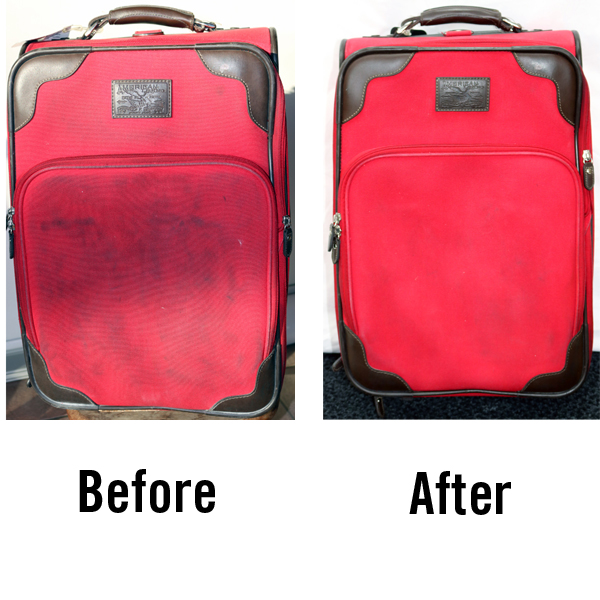
Credit: stcroixcleaners.com
Cleaning Accessories And Removable Parts
Many suitcases have extra items, like bags or covers:
- Removable laundry bags: Wash by hand or in a gentle washing machine cycle.
- Suit covers: Follow label instructions, usually hand wash or machine wash cold.
- Straps and organizers: Wipe with soapy water and air dry.
Always dry these items fully before putting them back in your suitcase.
How To Maintain A Clean Suitcase
Keeping your suitcase clean is easier than deep cleaning every time. Here’s how:
- Store in a dry place: Prevents mold.
- Keep a small cleaning kit: Soap, cloth, and brush in your suitcase.
- Clean after each trip: Stops dirt from building up.
- Avoid putting dirty shoes or wet clothes inside: Use bags for these items.
Expert tip: I always pack a small laundry bag and a shoe bag. This keeps the inside of my suitcase clean and makes washing easier later.
Credit: bagstogo.com.au
The Science Behind Suitcase Cleaning
Studies show that suitcases can carry bacteria and viruses from airports and public places. According to a report by the National Institutes of Health, some bacteria can live on fabric and hard surfaces for days. Regular cleaning removes these germs, protecting your health and your family’s.
If you travel often, especially by plane, clean your suitcase more often. Airports are full of germs, and luggage handles are touched by many people.
For more on suitcase cleaning and hygiene, you can visit the CDC’s handwashing science page.
Frequently Asked Questions
How Do I Clean A Suitcase That Smells Bad?
First, empty the suitcase and vacuum it. Sprinkle baking soda inside and close it overnight. In the morning, vacuum again. If the smell remains, leave a bowl of white vinegar inside for a day. Air out the suitcase in sunlight.
Avoid using strong perfumes, as they only cover up odors.
Can I Put My Suitcase In The Washing Machine?
No, most suitcases should never go in a washing machine. The water and spinning can damage the structure, zippers, and lining. Only small removable bags or covers might be machine washable. Always check the label before trying.
How Do I Clean Mold From A Suitcase?
Wear gloves and a mask. Mix equal parts water and vinegar. Wipe the moldy area with this solution. Rinse with a damp cloth. Leave the suitcase open in sunlight to dry fully. If mold covers a large area or goes deep into the material, get professional cleaning help.
What Is The Best Way To Clean Suitcase Wheels?
Use a brush or old toothbrush to remove dirt, hair, and threads. Wipe with a cloth and soapy water. If the wheels squeak, use a little silicone oil. Make sure the wheels are dry before storing the suitcase.
How Often Should I Clean My Suitcase?
Wipe your suitcase after every trip. Deep clean every 6-12 months, or if there is a spill or odor. Always clean and dry before storing for a long time. Regular cleaning keeps your suitcase working well and looking new.
Keeping your suitcase clean is simple but powerful. With the right steps, your luggage will last longer, look better, and keep your belongings safe and fresh. Taking care of your suitcase is part of being a smart and healthy traveler.

Zayden Halbrook is a travel enthusiast and gear researcher passionate about making every journey smoother and more enjoyable. With a keen eye for practical travel essentials and real-world tips, he helps readers choose the right gear and travel smarter. When he’s not testing travel kits or exploring new destinations, Zayden shares simple, reliable advice to make every trip stress-free.