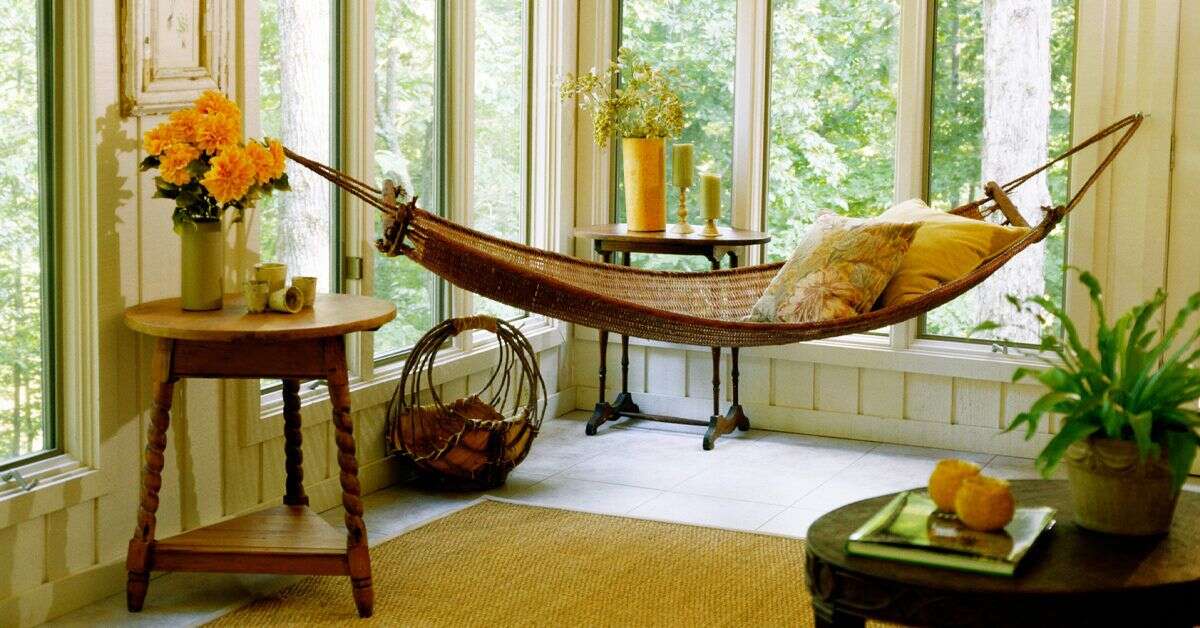
Sleeping in a hammock can be healthy for some adults, but it may not suit every body or replace a supportive bed.
Is sleeping in a hammock healthy? The answer depends on your sleep position, health needs, hammock design, and how long you use it. A hammock may reduce pressure on sore joints and help some people relax, but poor setup can cause back pain, falls, numbness, or poor sleep. This guide explains the benefits, risks, safe setup tips, and signs that a hammock is not working for you.

Is sleeping in a hammock healthy?
For many healthy adults, sleeping in a hammock for a short time is generally safe. A hammock can gently support the body and create a calm, rocking feeling. Some people also find that its curved shape reduces pressure on the hips, shoulders, and lower back.
Still, sleeping in a hammock is not automatically healthy. Your body needs steady support, enough room to change position, and a safe sleep environment. A hammock that sags too deeply or holds the body in one position may lead to stiffness and discomfort.
Research on hammock sleep is still limited. Small studies have explored rocking and sleep quality, but there is not enough strong evidence to say that hammocks are better than beds for long-term sleep. Your comfort and health history matter most.
A good rule is simple: if a hammock helps you sleep well without pain, numbness, or unsafe movement, occasional use may be reasonable. If it causes symptoms, stop using it as a sleep surface.
Potential health benefits of sleeping in a hammock
Sleeping in a hammock may offer several benefits. These benefits vary from person to person, and most research focuses on gentle rocking or comfort rather than hammocks themselves.
It may help you relax
The gentle sway of a hammock can feel soothing. This movement may help quiet racing thoughts before sleep. Some research on rocking beds suggests that slow, regular motion may help people fall asleep faster and support stable sleep patterns.
This does not mean every hammock improves sleep. A hammock that swings too much, creaks, or feels unstable may do the opposite. Use slow movement and stop the motion once you feel settled.
It may reduce pressure on sore areas
A fabric hammock spreads your weight across a wide area. This may reduce direct pressure on the heels, hips, shoulders, and tailbone. People with mild muscle soreness may enjoy this floating feeling.
However, pressure relief does not equal proper support. Your spine still needs a comfortable position. If your lower back feels pulled or your neck bends forward, the hammock is not supporting you well.
It may limit tossing and turning
The curved shape of a hammock can gently hold your body in place. This may help some people move less during the night. Less movement can feel helpful if you often wake because of an uncomfortable mattress.
The opposite can also happen. If the hammock prevents normal movement, you may wake with stiff muscles or numb limbs. Healthy sleep should feel restful, not restrictive.
It may be useful for outdoor rest
A hammock can keep you off damp ground and away from some insects. It is also light and easy to carry when camping. With a proper rain tarp, bug net, and insulation, it can become a practical outdoor sleep system.
Outdoor hammock sleeping has special risks. Cold air can move under your body, and wind or rain can affect sleep. Always use equipment made for overnight use rather than a decorative hammock.
Risks and disadvantages of hammock sleeping
The question “is sleeping in a hammock healthy?” must include its possible drawbacks. A hammock may feel comfortable at first but create problems after several hours.
Back and neck strain
A deep sag can round your spine and pull your hips into an awkward position. This may cause lower back pain, neck pain, or morning stiffness. People with existing spinal conditions may notice these problems more quickly.
A flatter setup often gives better support. Lying slightly diagonal can also reduce the tight banana shape that causes excessive spinal rounding.
Numbness and poor circulation
A narrow edge or tight fabric may press against your legs, arms, or shoulders. This can cause tingling, numbness, or a feeling that your limbs have “fallen asleep.”
Change position if you notice these symptoms. Persistent numbness, weakness, swelling, or color changes need medical attention.
Falls and injuries
A hammock can tip, spin, or detach if it is attached incorrectly. Falls are more likely when the hammock is too high, the fabric is worn, or the anchor points are weak.
Set the hammock low enough that a fall is unlikely to cause serious harm. Check every strap, carabiner, and anchor before each use.
Overheating or getting too cold
Hammock fabric may block airflow against your back. In warm weather, this can cause sweating. In cold weather, air moving beneath you can draw heat away from your body.
Use a breathable sheet in hot weather. In cool conditions, add an underquilt or insulated pad designed for hammock use.
Limited space for movement
Most hammocks do not provide the same space as a bed. This can be a problem for people who change positions often, sleep on their stomach, or need room to stretch.
A hammock also may not work well for couples. Two people can shift the center of gravity and make the hammock less stable.
Who should avoid sleeping in a hammock?
Sleeping in a hammock may not be suitable for everyone. Speak with a health professional before making it part of your regular sleep routine if you have:
• Severe or ongoing back pain
• A recent back, hip, shoulder, or neck injury
• Balance problems or frequent falls
• Advanced arthritis that limits movement
• Nerve problems that cause numbness or weakness
• Breathing problems that worsen when your upper body is bent
• Pregnancy, especially when getting in and out is difficult
• A condition that causes dizziness or fainting
• A need for medical equipment during sleep
Babies and young children should not sleep in hammocks unless a product is specifically designed and approved for infant sleep. Major pediatric health guidance recommends a firm, flat sleep surface for infants because soft or curved surfaces can increase the risk of suffocation.
Older adults should also be careful. A low hammock may reduce fall height, but getting in and out can still be hard. A stable bed with proper support may be safer.

How to sleep in a hammock safely
If you want to try hammock sleeping, start with a short rest rather than a full night. This lets you notice pressure, pain, and balance problems before you commit to overnight use.
Choose the right hammock
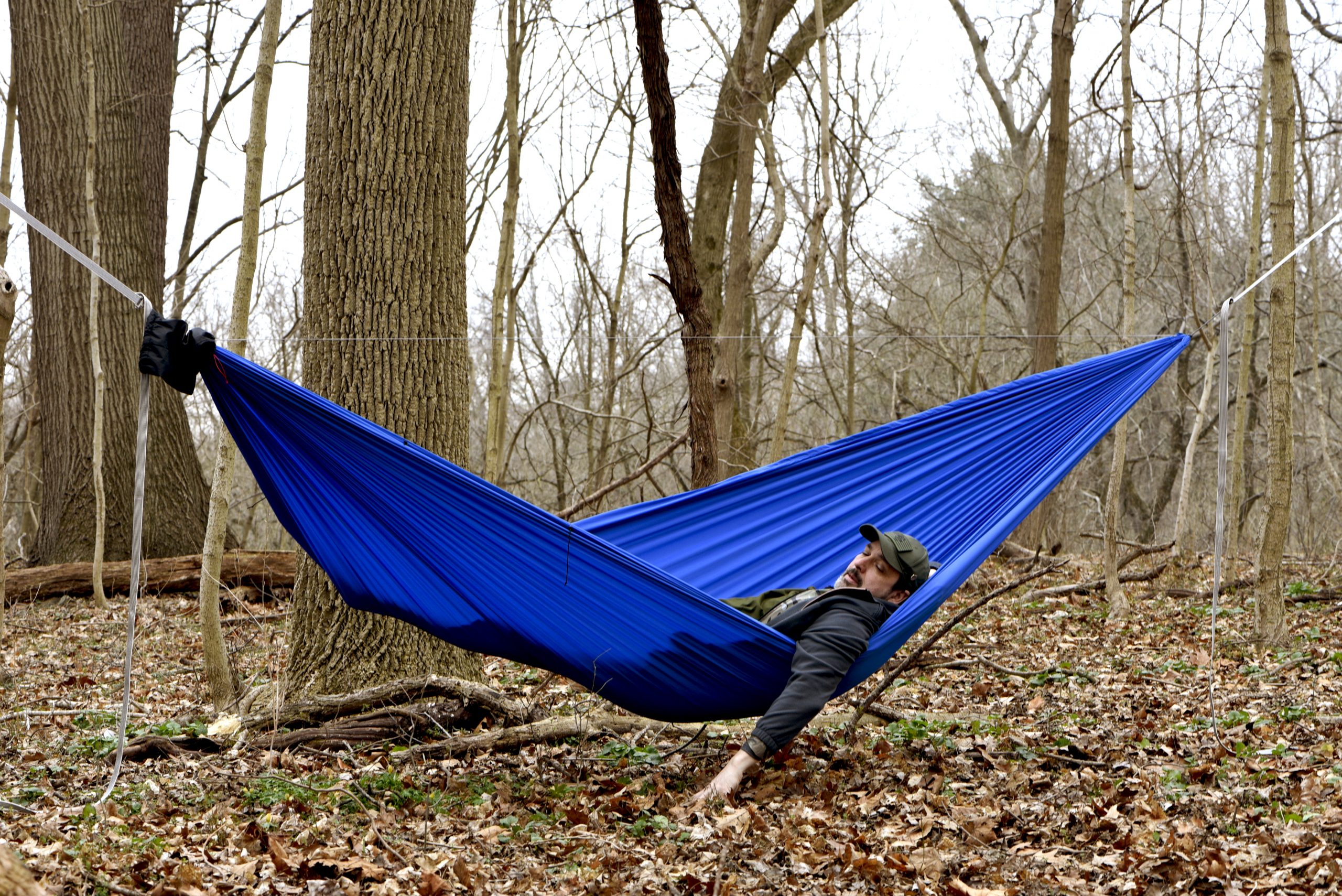
Select a hammock made for sleeping. Camping hammocks usually have stronger fabric, tested suspension systems, and enough length for overnight use.
Look for:
• A weight rating higher than your body weight
• Strong, undamaged fabric
• Wide suspension straps
• Reliable carabiners or approved connectors
• Enough length for a comfortable diagonal position
• A bug net and rain cover for outdoor use
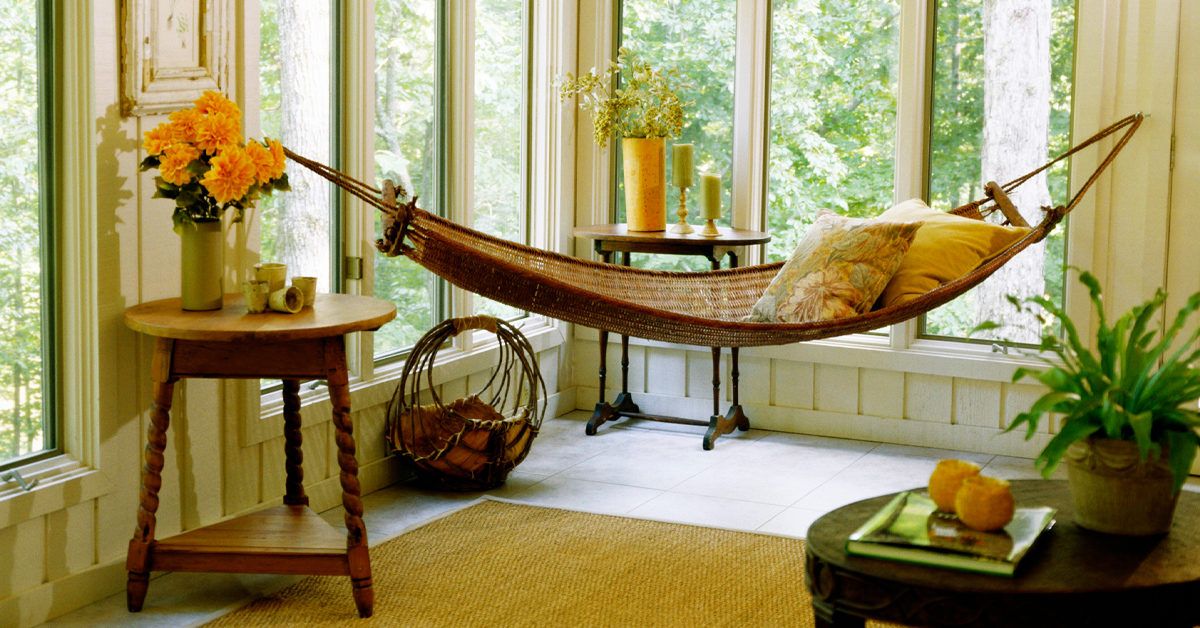
Avoid decorative rope hammocks with loose knots or weak attachment points. They may look attractive but are not always built for overnight pressure.
Set the hammock at a safe height
A common safety rule is to keep the hammock low enough that the lowest point is about chair height or lower. The exact height depends on the hammock, your body size, and the surface below it.
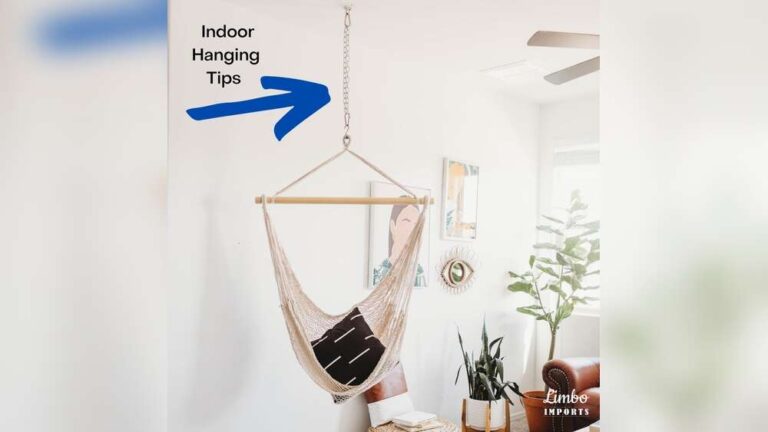
Keep the area underneath clear. Avoid rocks, sharp objects, fire pits, water, and hard furniture. Indoors, use only structural anchor points designed to hold weight.
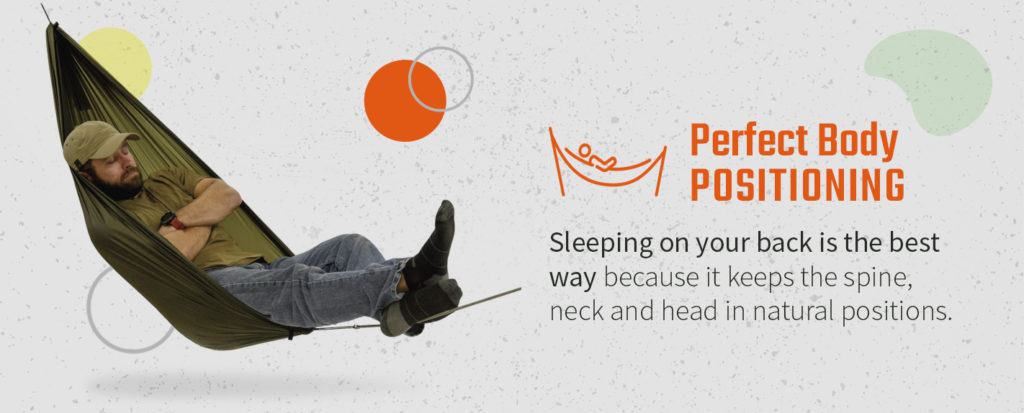
Lie slightly diagonal
Lying diagonally can flatten the hammock and help your spine stay more neutral. It also gives your shoulders and legs more room.
Try this position:
- Sit in the center of the hammock.
- Slowly lower your back.
- Move your feet slightly to one side.
- Move your head slightly to the opposite side.
- Check that your neck and hips feel relaxed.
Do not force a position that causes pain. A small pillow under your head or knees may help, but too much padding can bend your neck.
Use insulation and weather protection
A sleeping bag alone may not keep your back warm because your body compresses the insulation beneath you. Use a foam pad, insulated hammock pad, or underquilt in cool weather.
In rain, use a tarp with enough coverage on both sides. A bug net can protect you from mosquitoes and other insects. Check the forecast before sleeping outside.
Inspect the setup
Before every use, inspect the fabric and suspension system. Look for fraying, stretched seams, damaged straps, and cracked hardware.
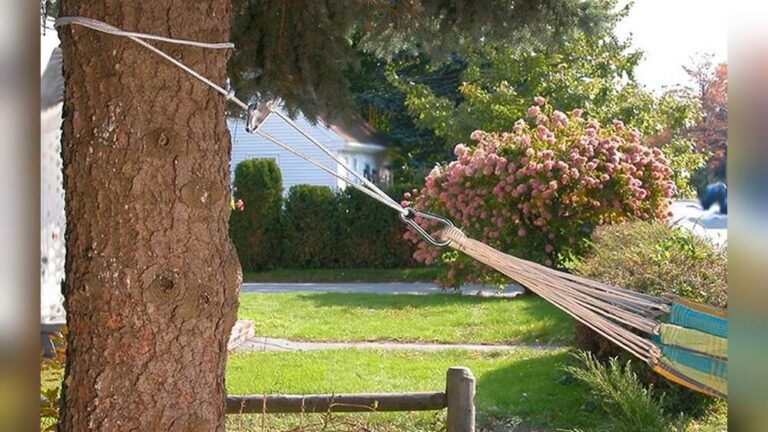
Never attach a hammock to a dead tree, thin branch, unstable post, or weak indoor fixture. If you are unsure whether an anchor is strong enough, do not use it.
How to make hammock sleeping more comfortable
Comfort depends on alignment, temperature, and freedom of movement. Small adjustments can make a big difference.
• Keep your neck in line with your spine. A thin pillow is often better than a thick one.
• Use a light blanket or sheet that does not trap too much heat.
• Keep personal items nearby so you do not need to twist or reach far.
• Test the hammock during the day before using it at night.
• Avoid sleeping in a deep “banana” curve.
• Keep your phone and flashlight within easy reach.
• Use a separate pad or underquilt in cool conditions.
• Stop if you feel pain, tingling, dizziness, or shortness of breath.
One practical lesson from testing sleep setups is that comfort at bedtime does not always predict comfort in the morning. Stay in the hammock for 30 to 60 minutes first. Then stand up and notice how your back, hips, shoulders, and legs feel.
If you wake with pain more than once, change the setup or return to your bed. Do not treat repeated discomfort as something your body must “get used to.”

Hammock sleeping compared with bed sleeping
A bed usually provides a flatter and more predictable surface. It also gives you more space to change positions. For most people, a supportive mattress remains the better choice for regular, long-term sleep.
A hammock may be useful for:
• Short naps
• Camping trips
• Relaxation
• Occasional back pressure relief
• Warm-weather outdoor sleep
A bed may be better for:
• People who need firm spinal support
• Side sleepers who need space for hip and shoulder alignment
• Couples
• People with limited mobility
• Anyone who needs to get up often during the night
• People with chronic pain or medical conditions
The healthiest sleep surface is the one that supports good sleep without causing pain or safety problems. A hammock is a tool, not a cure for insomnia, back pain, or poor sleep habits.
How to know whether a hammock is working for you
Track how you feel during the night and the next morning. A simple sleep test can help you make a clear choice.
For three to five nights, note:
• How long it takes to fall asleep
• How often you wake up
• Whether you feel rested in the morning
• Any back, neck, hip, or shoulder pain
• Any numbness or tingling
• How easy it is to get in and out
• Whether the temperature feels comfortable
Stop using the hammock if you have sharp pain, repeated numbness, breathing trouble, dizziness, or a fall. Seek medical advice if symptoms continue after you return to your usual bed.
If you sleep well, wake without pain, and feel safe, occasional hammock use may be a healthy choice for you. Keep checking the equipment, especially after outdoor use.
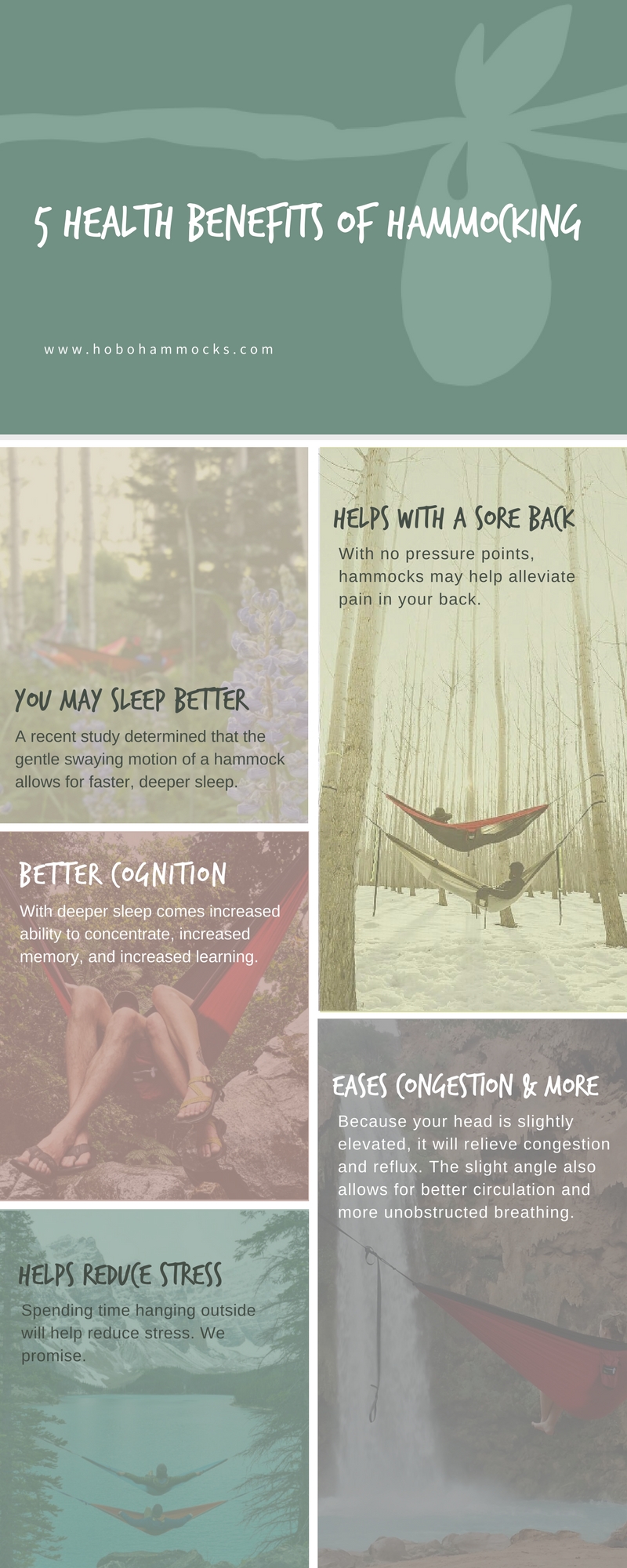
What experts say about healthy sleep
Sleep experts generally focus on sleep quality, safety, comfort, and regular habits rather than one specific sleep surface. Adults typically need at least seven hours of sleep each night, though individual needs vary.
A hammock cannot correct an irregular sleep schedule, untreated sleep apnea, chronic stress, or an uncomfortable room. Keep the basics in place:
• Follow a regular sleep and wake time.
• Keep the room dark, quiet, and cool.
• Limit caffeine late in the day.
• Avoid heavy meals close to bedtime.
• Use calming activities before sleep.
• Talk with a clinician about loud snoring, gasping, or severe daytime sleepiness.
The evidence on whether hammock motion improves sleep remains limited. Small studies suggest that gentle rocking may affect sleep onset and brain activity, but larger studies are needed. It is wise to view hammock sleeping as a comfort choice, not a proven sleep treatment.
Frequently Asked Questions About Is Sleeping in a Hammock Healthy
Is sleeping in a hammock healthy every night?
It can be safe for some healthy adults, but there is limited research on long-term nightly hammock use. Stop if you develop pain, numbness, poor sleep, or difficulty getting in and out.
Can sleeping in a hammock help back pain?
A hammock may reduce pressure for some people, but a deep sag can worsen back pain by rounding the spine. If you have ongoing back pain, ask a health professional before using a hammock overnight.
Is it better to sleep flat or diagonally in a hammock?
A slightly diagonal position often gives more room and reduces the deep curved shape of the hammock. The best position is the one that keeps your neck, hips, and spine comfortable.
Can a hammock cause poor circulation?
A tight edge or poor position can place pressure on nerves and blood vessels. Change position if you notice tingling or numbness, and stop using the hammock if symptoms do not quickly improve.
Is it safe to sleep in a hammock while camping?
It can be safe when you use a tested camping hammock, strong straps, secure anchors, and a low setup. Add protection from rain, insects, and cold air beneath your body.
Can pregnant people sleep in a hammock?
Pregnancy can change balance, comfort, and the ability to get in and out safely. Ask your prenatal care provider before using a hammock, especially later in pregnancy.
Is a hammock safe for babies?
Infants should sleep on a firm, flat surface made for infant sleep. Do not place a baby in a standard hammock, as the curved and soft surface may increase the risk of suffocation.
Conclusion
So, is sleeping in a hammock healthy? For some adults, it can support relaxation, reduce pressure, and provide comfortable outdoor rest. It can also cause back strain, numbness, falls, or poor sleep when the hammock is poorly designed or badly positioned.
Choose a sleep-rated hammock, keep it low, lie slightly diagonal, protect yourself from heat and cold, and test it before spending the night. Most importantly, listen to your body. If you wake refreshed and pain-free, occasional hammock sleeping may work well; if not, a supportive bed is the safer choice.
Try a short, careful test before making a decision, and share your experience or questions in the comments.

Zayden Halbrook is a travel enthusiast and gear researcher passionate about making every journey smoother and more enjoyable. With a keen eye for practical travel essentials and real-world tips, he helps readers choose the right gear and travel smarter. When he’s not testing travel kits or exploring new destinations, Zayden shares simple, reliable advice to make every trip stress-free.