Hanging a hammock between trees can turn any outdoor space into a relaxing retreat. Many people dream about swinging gently in a hammock, reading a book, or watching the clouds move. But when it comes to actually hanging a hammock, things can get confusing. Which trees should you pick? What ropes or straps should you use? Is it safe? I have hung hammocks in backyards, parks, and even forests over the years, and I can tell you: with the right steps, anyone can do it safely and easily.
In this guide, you’ll learn how to hang a hammock from a tree the right way. I’ll share tips you won’t find in every blog post—things I learned by trial and error. With clear steps, safety advice, and real-life examples, you’ll be ready to enjoy your hammock outdoors in no time.
Choosing The Right Trees
Before you start, you must pick the right trees. This is the most important part. The trees hold your weight, so picking weak or unhealthy trees is dangerous.
- Tree Health: Always look for strong, living trees. Avoid trees with visible rot, fungus, or large patches of missing bark. I once tried to hang a hammock from a sickly tree, and the bark peeled right off—it was a close call.
- Tree Size: The ideal tree should be at least 8 inches in diameter (about the size of a dinner plate). Thinner trees bend too much or can break.
- Tree Distance: The space between the two trees should be about 10 to 15 feet. If your hammock is longer, look for trees farther apart. If shorter, closer trees are fine. A quick way to check: hold your hammock up between the trees and see if it fits with some slack.
- Avoid Hazards: Don’t pick trees near cliffs, water, roads, or under large dead branches (“widowmakers”). Falling branches are a real risk.
- Type of Tree: Hardwoods like oak, maple, or beech are best. Softwoods like pine can sometimes be too weak or have brittle branches.
Tree Comparison Example
Here’s a simple table to help you compare common tree types for hanging hammocks:
| Tree Type | Strength | Bark Hardness | Best For Hammocks? |
|---|---|---|---|
| Oak | Very strong | Hard | Yes |
| Maple | Strong | Medium | Yes |
| Pine | Medium | Soft | Sometimes |
| Willow | Weak | Very soft | No |
Gathering Your Gear
You don’t need fancy gear to hang a hammock, but using the right equipment makes things safer and easier.
What You Need
- Hammock: Any style is fine, but check the weight limit.
- Tree Straps or Ropes: Tree straps are wide, soft, and protect the tree. Ropes work but can hurt the tree if not used correctly.
- Carabiners or S-hooks: These connect the hammock to the straps or ropes.
- Tape Measure: Optional, but helps measure the distance between trees.
Why Tree Straps Matter
Tree straps are better than ropes for most people. They spread your weight across a bigger area, so they don’t cut into the bark. This protects the tree and makes your setup more stable. Ropes can damage trees, especially if you swing or move a lot.
Many parks and campgrounds actually require tree straps.
I learned this the hard way. Years ago, I used a thin rope and found deep grooves in the bark the next day. Since then, I always use tree-friendly straps.
Comparing Tree Straps And Ropes
| Feature | Tree Straps | Ropes |
|---|---|---|
| Tree Protection | Excellent | Poor |
| Setup Speed | Fast | Slower |
| Adjustability | Easy | Medium |
| Legal in Parks | Usually yes | Often no |
Step-by-step Guide To Hanging A Hammock
Now, let’s get practical. Here’s a simple process anyone can follow.
1. Measure The Distance
Use a tape measure, a long stick, or even your own steps to check the space between trees. The distance should be about the same as your hammock length, plus 2 feet. For example, if your hammock is 10 feet long, look for trees about 12 feet apart.
2. Wrap The Tree Straps
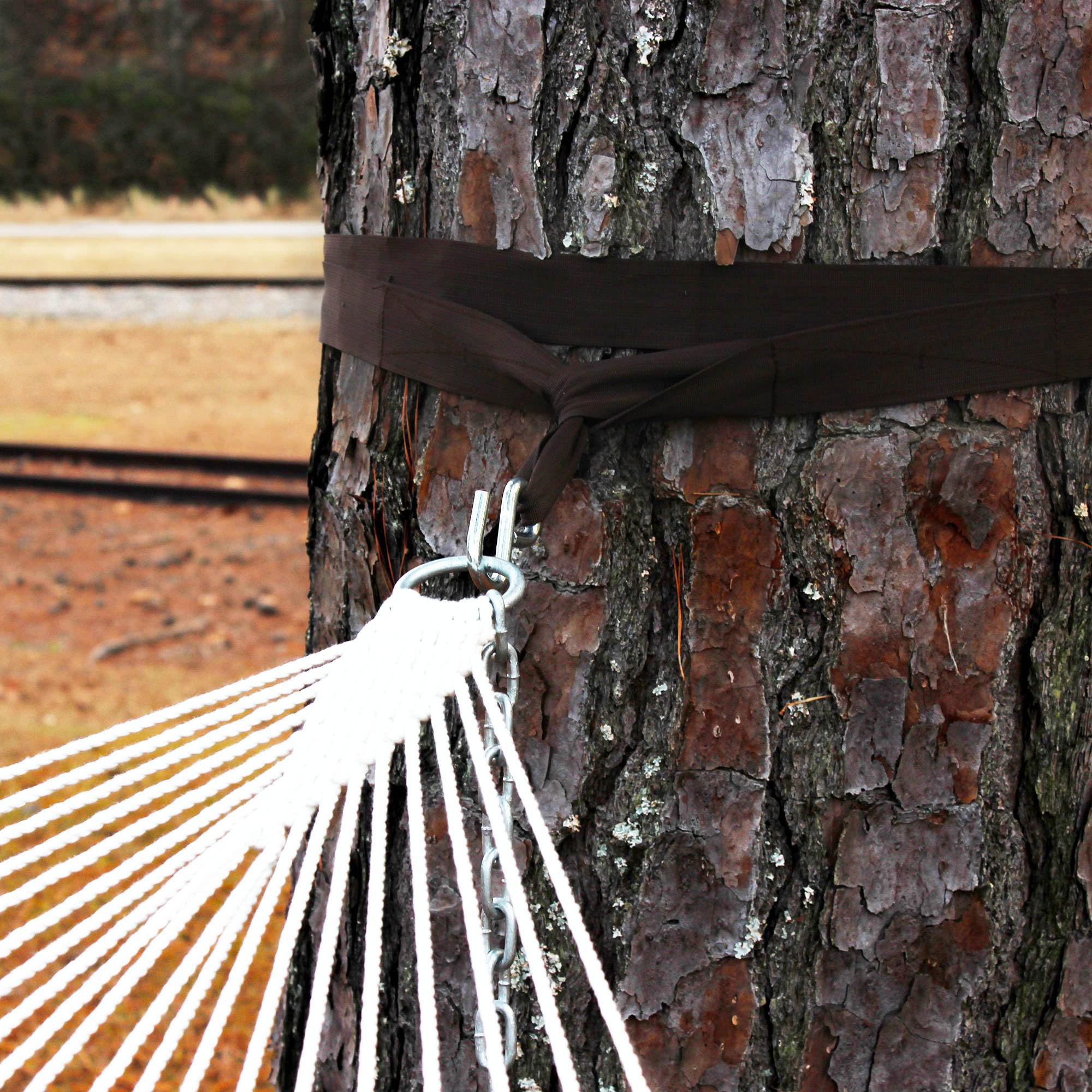
- Wrap each strap around the tree at about head height (about 5–6 feet from the ground).
- Make sure the strap lies flat, not twisted.
- Pass the end through the loop, following the strap’s instructions.
If you use rope, loop it around the tree and tie a secure knot, like a bowline or figure-eight. Avoid knots that slip or are hard to untie.
3. Attach The Hammock
- Clip the carabiner or S-hook at each end of your hammock to the hanging loops on your straps or rope.
- Make sure everything clicks into place firmly.
- Double-check the weight rating for your gear—never guess.
4. Adjust The Height And Sag
The lowest point of your hammock, when you sit in it, should be about 18 inches off the ground. That’s about chair height—safe for getting in and out.
The angle of your straps, from tree to hammock, should be about 30 degrees. This angle gives you the right “sag” and is more comfortable.
5. Test Your Setup
- Press down gently on the hammock before getting in.
- Sit in the center, not on the edge.
- Shift your weight slowly at first.
If everything feels solid, lie back and relax.
Safe Hanging Height And Weight Example
| Body Weight | Recommended Hammock Height | Minimum Breaking Strength (per strap/rope) |
|---|---|---|
| Under 150 lbs | 18 inches | 400 lbs |
| 150–250 lbs | 18–20 inches | 600 lbs |
| 250+ lbs | 20+ inches | 800 lbs |
Tips For Maximum Comfort
A hammock isn’t just for napping—it should feel amazing. Here’s how to make your setup more comfortable.
- Lie Diagonally: Don’t lie straight like a banana. Turn your body a bit sideways. This flattens the hammock and supports your back better.
- Use a Pillow or Blanket: A small pillow under your head or a light blanket can make a big difference.
- Bug Net: In buggy areas, a bug net is a lifesaver. Many hammocks have built-in nets.
- Rain Tarp: If you’re camping, hang a tarp above your hammock to stay dry.
- Keep Essentials Close: Hang a small bag or pouch from the hammock rope for your phone, water, or book.
- Test Different Heights: Sometimes, a small change (even a few inches) in strap height can make your hammock feel much better.
- Add an Underquilt: If it’s cold, hang an underquilt beneath your hammock. Blankets inside the hammock can squash and lose warmth, but an underquilt stays fluffy.
:strip_icc()/deck-tree-hammock-d1faccac-127e33fa22204302bb589ea0b23136b2.jpg)
Credit: www.bhg.com
Common Mistakes To Avoid
Even experienced hammock hangers make mistakes. Here are some to watch out for:
- Using Weak Trees: Always check for health and size.
- Tying Straps Too Low: If the straps are too low, you’ll touch the ground.
- Not Checking Knots: A loose knot can come undone suddenly.
- Ignoring Tree Damage: Ropes can harm trees if used carelessly.
- Hanging Over Hard Surfaces: Avoid hanging above rocks, roots, or sharp objects.
- Not Testing Before Use: Always test your setup before lying in fully.
One time, I hung my hammock over a slope without checking the ground. When I got in, I slid out and landed right in a patch of mud. It was funny later, but not at the time!
Safety Guidelines
Hanging a hammock can be very safe—if you follow some basic rules.
- Check Gear Ratings: Use straps and carabiners rated for at least 2x your body weight.
- Inspect Everything: Look for frayed straps, rusted hardware, or weak trees.
- Don’t Hang Too High: Never hang your hammock more than 3 feet off the ground.
- Never Use Dead Trees: Even if they look strong, dead trees can fall.
- Avoid Crowded Areas: Give yourself plenty of space from paths, roads, and other people.
If you have kids, always supervise them. Kids love hammocks, but they often swing or jump, which increases risk.
Credit: www.tentsile.com
Caring For Trees And Nature
Hanging a hammock is fun, but we must protect the environment.
- Use Wide Straps: At least 1 inch wide. This prevents damage to bark and tree layers.
- Move Your Hammock: If you use the same trees often, shift your hammock up or down each time.
- Follow Local Rules: Many parks only allow certain types of straps or have banned hammocks entirely.
- Leave No Trace: Clean up all trash and leave the area as you found it.
For more about Leave No Trace, see the official Leave No Trace Principles.
Hammock Hanging In Different Environments
Not every outdoor spot is the same. Here’s how to handle some common locations:
Backyard
Backyard trees are perfect for hammocks. Just check local rules—some neighborhoods have restrictions. You might want to install permanent hammock hooks if you use your hammock a lot.
Park
Many parks now require tree straps and ban ropes. Some even have special hammock posts. Always read the signs at the park entrance.
Forest
Forests give you many tree choices, but look carefully for hazards like poison ivy or animal nests. Don’t disturb wildlife.
Beach
Some beaches have palm trees, which can be great, but check their strength. Sand can make anchors slip, so test carefully.
What If You Don’t Have Trees?
You don’t always need trees! Here are some creative options:
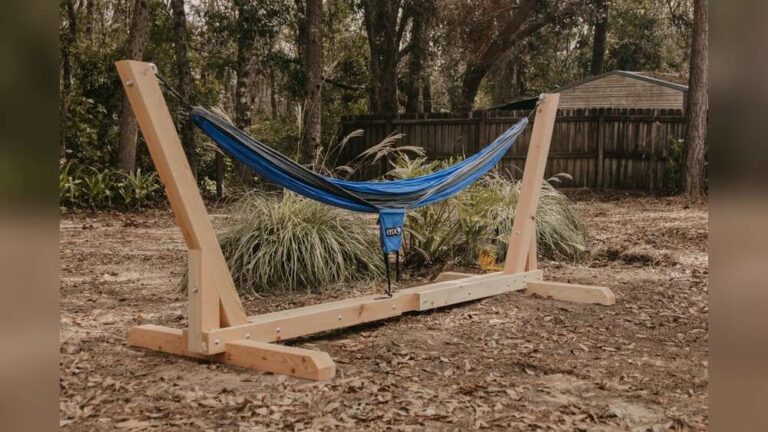
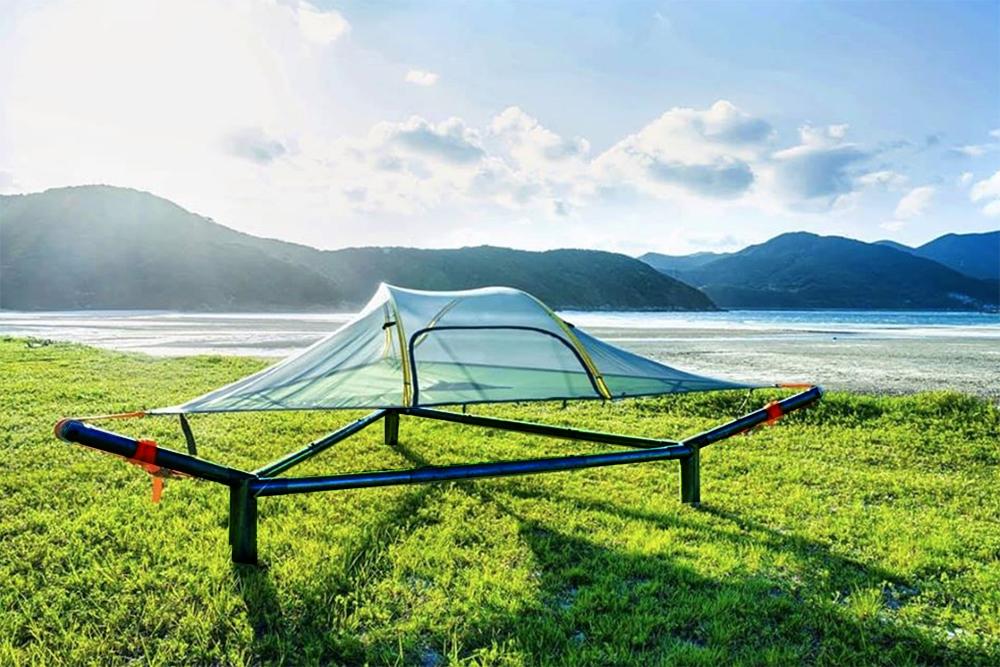
- Hammock Stand: Buy a portable stand. These work anywhere, even inside.
- Posts or Poles: Drive strong posts into the ground.
- Building Anchors: Attach to sturdy porch beams or posts, but make sure the structure is strong enough.
- Vehicle Anchors: Some campers tie one end to a tree and the other to a car roof rack or bumper (check your car’s strength first).
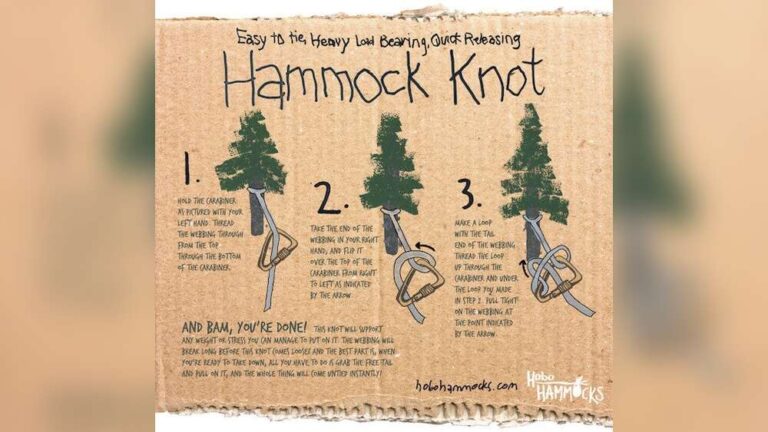
Hammock Knots You Should Know
If you use ropes, certain knots are much safer.
Bowline Knot
This knot creates a strong loop that won’t slip or jam. It’s easy to untie, even after holding weight.
Figure-eight Knot
Simple and strong, this knot is often used in climbing. It’s safer than simple overhand knots.
Taut-line Hitch
This knot lets you adjust the length of your rope after it’s tied. Great for quick changes.
Practicing these knots a few times before your trip is a good idea. It’s easy to forget under pressure.
When Not To Hang A Hammock From Trees
There are times when it’s better not to use trees:
- After heavy storms, when trees may be weakened
- If you see signs of animal nests, like birds or squirrels
- If the bark is thin, cracked, or peeling
- In protected areas where it’s not allowed
Respect the rules and the health of the trees. Hammock camping is growing in popularity, and we all need to do our part.
Real-life Experience: My First Hammock Fail
I remember the first time I tried to set up a hammock in a public park. I was excited and brought only a basic rope. I found two small trees that were close together. I tied quick knots and jumped in.
The rope slipped, and I landed flat on the ground! People around me laughed, but I learned my lesson. Since then, I always check my gear, use wide straps, and test before using. These little mistakes taught me more than any manual.
Credit: pawleysislandhammocks.com
Troubleshooting: Fixing Common Problems
Even with a good setup, you might run into issues.
Hammock Sags Too Much
Raise your straps higher up the tree or tighten your connections.
Hammock Feels Tight Like A Board
Lower the straps or move the trees farther apart if possible. Aim for that 30-degree angle.
Tree Straps Slide Down
Make sure the bark is dry and the straps are flat. Don’t set up after rain, as wet bark is slippery.
Hammock Twists Or Spins
Check that your straps are even and the hammock is centered.
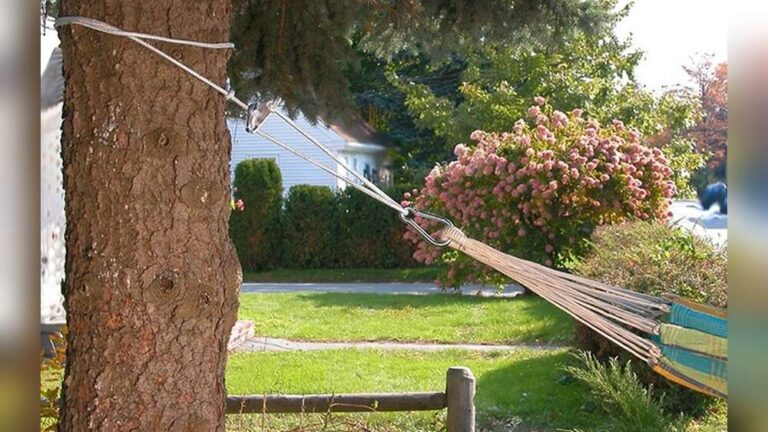
Ropes Dig Into The Tree
Switch to wider straps, or place a soft cloth under the rope to protect the bark in emergencies.
Packing Up: Leaving No Trace
When you’re done, remove all your gear and check the trees for damage. Brush off any dirt or marks. Pack up all trash and belongings. If you notice any tree damage, avoid using the same spot next time.
Frequently Asked Questions
What Is The Safest Knot For Hanging A Hammock?
The bowline knot is widely seen as the safest. It’s strong, does not slip, and is easy to untie. The figure-eight knot is also popular for its security.
Can I Hang A Hammock From Small Or Young Trees?
No, avoid hanging hammocks from trees less than 8 inches in diameter. Small trees can bend, break, or be permanently damaged.
How Do I Protect The Tree When Hanging A Hammock?
Always use tree straps at least 1 inch wide. Never use thin rope or wire. Move your straps up and down to avoid repeated pressure on one spot.
What If My Trees Are Too Far Apart?
You can add a rope extension between the hammock and the tree strap. Make sure your extension is strong and rated for your weight. Never hang with too much tension, as it can snap gear or hurt the tree.
Is It Legal To Hang Hammocks In Public Parks?
Rules vary. Many parks require wide straps and ban ropes. Always check local regulations before hanging your hammock. Some parks have dedicated hammock posts.
Hanging a hammock between trees is simple, safe, and fun when you use the right steps. With a bit of practice and care for the environment, you’ll enjoy years of relaxation and adventure. Whether you’re in your backyard or deep in the forest, follow these guidelines, and you’ll never go wrong.

Zayden Halbrook is a travel enthusiast and gear researcher passionate about making every journey smoother and more enjoyable. With a keen eye for practical travel essentials and real-world tips, he helps readers choose the right gear and travel smarter. When he’s not testing travel kits or exploring new destinations, Zayden shares simple, reliable advice to make every trip stress-free.