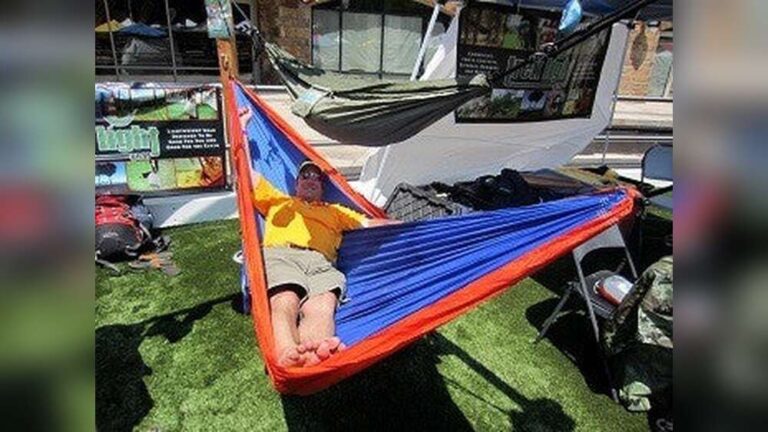
Hammock sleeping can help some people relax, but it is not ideal for every body or every night.
So, is hammock sleeping good for you? The answer depends on your posture, health, hammock design, and how long you sleep in it. This guide explains the real benefits, possible risks, safe setup tips, and what sleep experts suggest so you can make a smart choice.
Is hammock sleeping good for you?
For many healthy adults, occasional hammock sleeping can feel comfortable and calming. A well-set hammock supports the body, reduces pressure on some joints, and may help you fall asleep faster. It can also create a gentle rocking motion that feels soothing.
However, hammock sleeping is not automatically better than sleeping in a bed. Your spine may stay in an awkward curve if the hammock is too tight, too shallow, or poorly hung. Long-term use may also make it harder to change positions during sleep.
The answer to “is hammock sleeping good for you” is therefore personal. It may work well for short naps, camping trips, or occasional nights. It may not be the best primary sleep surface for people with back pain, balance problems, or certain medical conditions.

Potential benefits of hammock sleeping
A hammock is more than a piece of outdoor gear. It changes how your body meets the sleeping surface. Instead of resting on a flat mattress, your body settles into a curved, flexible cradle.
It may reduce pressure on certain joints
A hammock spreads some pressure across the back, hips, and legs. This may feel helpful for people who dislike firm mattresses or wake with sore pressure points.
The fabric can adjust around your body in a way that a rigid surface cannot. Still, this benefit depends on good alignment. A hammock that bends your knees or twists your hips can create new discomfort.
It may encourage relaxation
Gentle movement can calm the nervous system. Many people find that light rocking helps them relax after a busy day. This is one reason babies are often soothed by rocking, although adult sleep needs are more complex.
A quiet outdoor setting can add to the effect. Fresh air, low light, and fewer screens may help your brain prepare for sleep.
It may help some people fall asleep faster
Small studies on rocking beds have found that gentle rocking may affect sleep onset and sleep patterns. The evidence is still limited, and a rocking bed is not the same as a hammock. So, it is more accurate to say that a hammock may help some people relax, not that it guarantees deeper sleep.
It can be useful for travel and camping
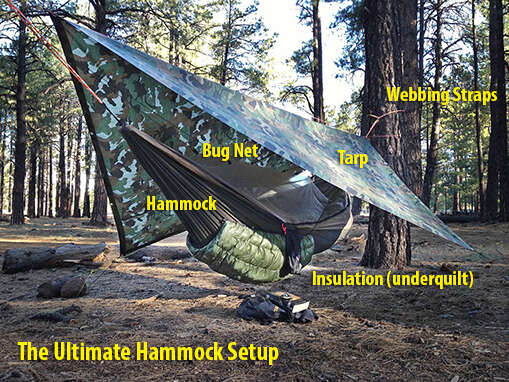
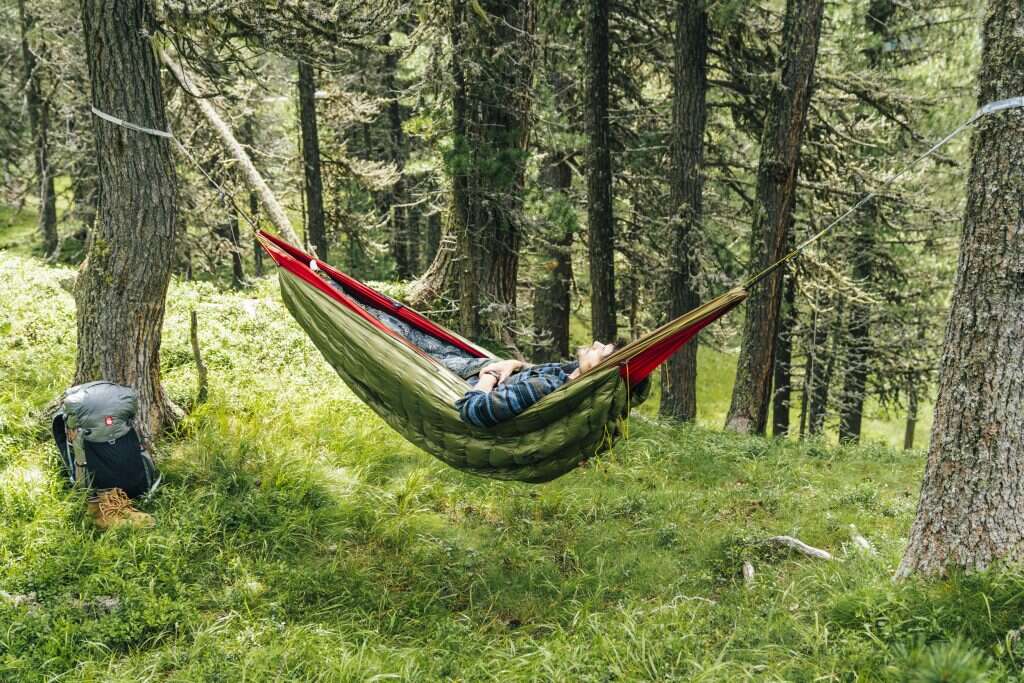
Hammocks are light, portable, and easy to use in places where a bed is not available. They also keep you off cold or damp ground when used outdoors.
For campers, a hammock can be a practical choice. You still need insulation beneath your body, though. The fabric compresses under your weight, so cold air can move beneath you and chill your back.
It may reduce contact with allergens
A hammock used outdoors may keep you away from dusty floors, pet hair, and some indoor allergens. This does not make it allergy-proof. Outdoor pollen, mold, insects, and dust can still cause problems.
Possible risks of hammock sleeping
The same curve that feels cozy can cause trouble when it does not support your body well. If you are asking, “is hammock sleeping good for you every night,” the risks deserve close attention.
Poor spinal alignment
A deep, tight hammock can pull your body into a banana shape. Your head may tilt forward, while your lower back and hips sink too far. This can strain muscles and joints.
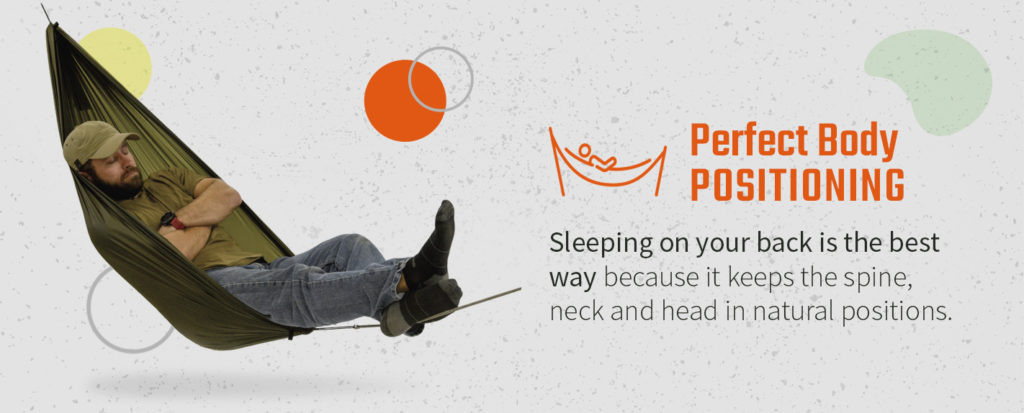
A flatter diagonal position is often better. Lie slightly across the center line instead of straight along the hammock. This lets the fabric support your back more evenly.
Limited movement
Most people change position during sleep. A hammock gives you less room to roll from your back to your side or stomach. Restricted movement may cause stiffness or numbness.
People who sleep hot may also feel uncomfortable. The fabric can hold your body in one position and reduce airflow around your back.
Falls and injuries
A hammock can tip, tear, or drop if it is hung incorrectly. A fall from even a modest height can cause bruises, broken bones, or head injuries.
Check the hammock, straps, trees, stand, and connection points before every use. Avoid damaged fabric, sharp objects, weak branches, and unstable posts.
Neck and shoulder discomfort
A poor setup may leave your head unsupported or force your shoulder into an odd angle. This can be especially painful for people with arthritis, nerve irritation, or a history of shoulder injury.
Do not use a thick pillow that pushes your neck forward. A small, soft pillow may be enough, but some people feel better without one.
Temperature problems
A hammock does not protect you from cold air as well as a mattress. Wind can pass beneath you, and your back can lose heat quickly.
In warm weather, the opposite may happen. A sleeping bag or blanket can trap heat, especially when the hammock fabric has limited airflow.

Is hammock sleeping good for your back?
Hammock sleeping may feel good for your back for a short time, but it is not a proven treatment for back pain. The main issue is spinal alignment. Your back should feel supported without sharp bending, twisting, or pulling.
People with mild muscle tension may enjoy the gentle support. Others may notice more pain after several hours because the hammock keeps the spine in one curved position.
If you have back pain, try these steps:
• Use a wide hammock with a shallow curve.
• Lie diagonally rather than straight down the center.
• Keep your knees relaxed and slightly bent.
• Use a thin pillow only if your neck needs support.
• Start with a 20 to 30 minute rest instead of a full night.
• Stop if you feel numbness, tingling, weakness, or sharp pain.
Speak with a health professional before using a hammock as a regular sleep surface if you have a spinal condition, recent surgery, sciatica, or severe pain.

Who should avoid hammock sleeping?
Hammocks are not safe or comfortable for everyone. Medical needs, age, mobility, and sleeping habits all matter.
You should use extra caution or ask a clinician first if you have:
• Severe back or neck pain
• Recent surgery or a serious injury
• Poor balance or a high risk of falling
• Weakness, numbness, or nerve symptoms
• Sleep apnea or serious breathing problems
• Pregnancy, especially later in pregnancy
• A condition that makes it hard to get out of a low position
• A need to change sleeping positions often
Babies and young children should not sleep in ordinary camping hammocks. Infant sleep guidance recommends a firm, flat, separate sleep surface without loose fabric or soft bedding. A hammock can create a dangerous position for an infant’s airway.
Older adults should also consider how easy it is to enter and leave the hammock. A low hammock may be difficult to rise from, while a high hammock increases fall risk.

How to sleep safely in a hammock
If you want to test whether hammock sleeping is good for you, begin with safety rather than comfort. A good setup should feel stable before you lie down.
Choose the right hammock
Look for a hammock designed for sleeping, not only for sitting. It should have strong fabric, reliable suspension, and a weight rating that exceeds your body weight.
A wider hammock usually gives you more room to find a natural position. A net hammock may offer better airflow, while a fabric hammock may provide more support.
Hang it at a safe height
Keep the hammock low enough that a fall is unlikely to cause serious injury. Many experienced campers use the “chair height” rule: the lowest part of the empty hammock should sit around chair height or lower.
Avoid hanging it above rocks, roots, water, fire, or hard ground. Use a safety net or sleeping pad when camping.
Use a diagonal position
Lie across the hammock at a slight angle. This spreads the fabric under your back and creates a flatter sleeping area.
Your head and feet should remain well inside the hammock. Never let your head hang over the edge.
Inspect every connection
Before use, check for: