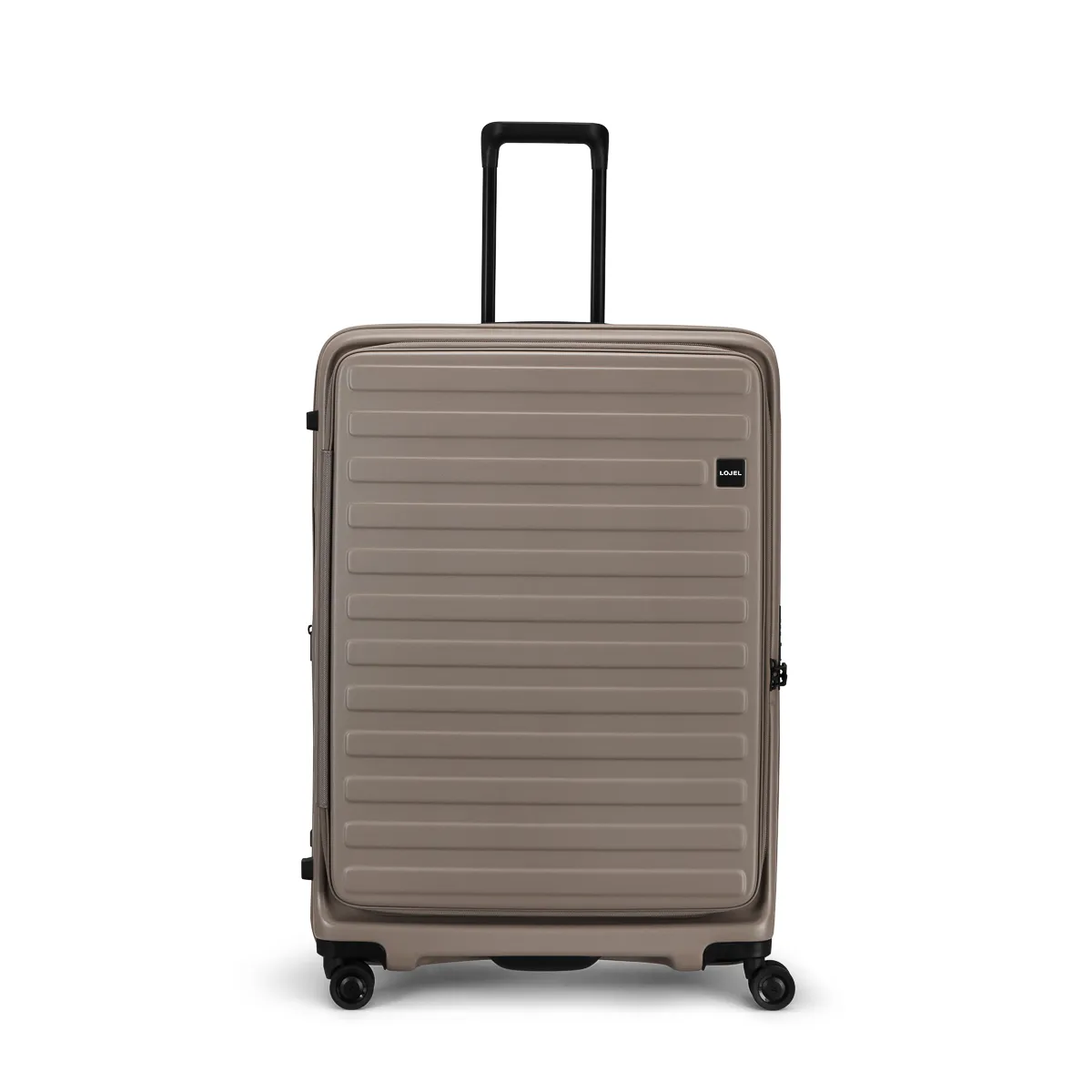
Most checked bags can measure up to 62 linear inches, including wheels and handles.
Knowing how large can checked luggage be helps you avoid surprise fees, forced repacking, or a last-minute trip to the airport shop. Most major U.S. airlines use a 62-inch limit, but size rules, weight limits, and oversized baggage fees can vary by route and airline. This guide explains the measurements, gives clear examples, and shares simple ways to check your bag before leaving home.
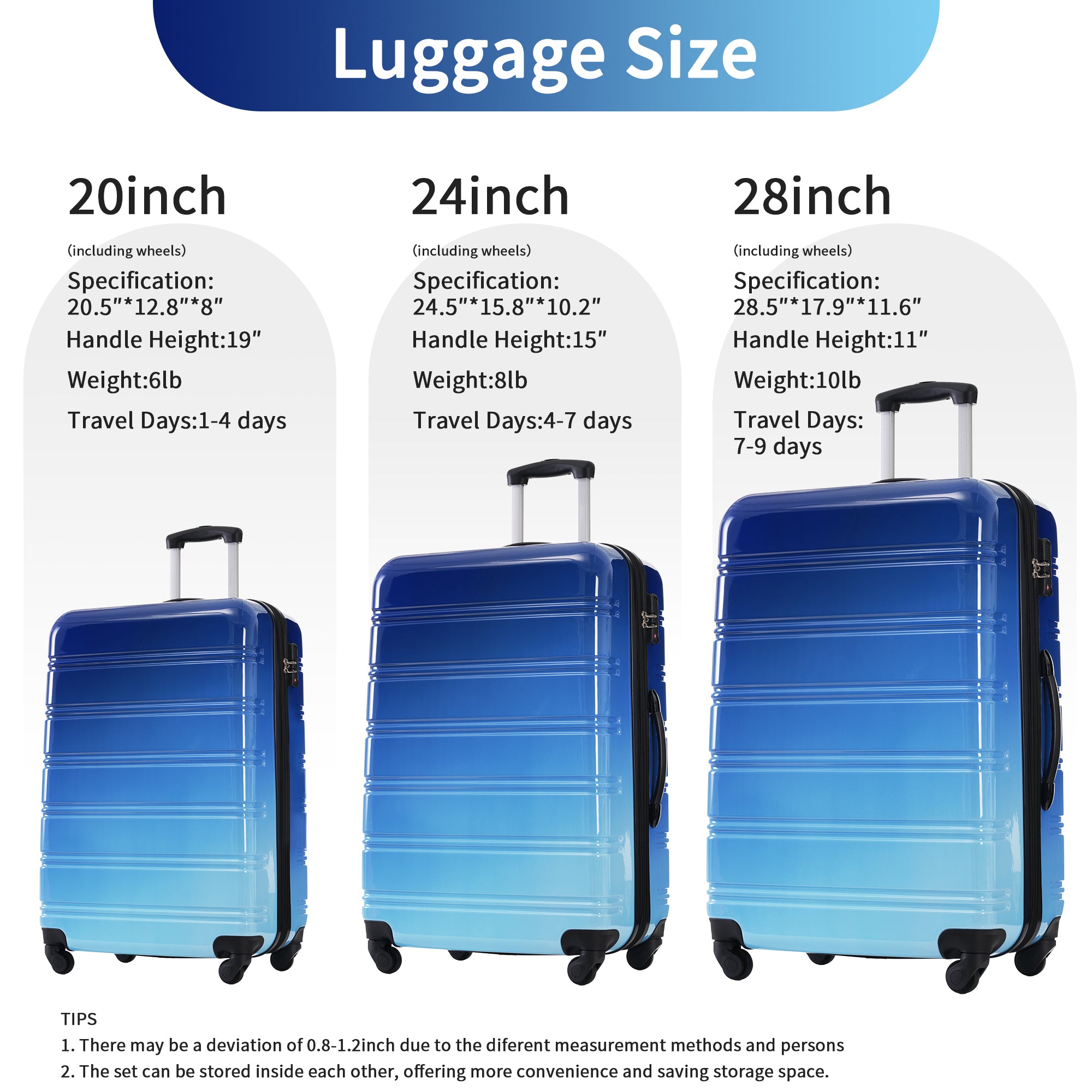
How large can checked luggage be?
For most flights, checked luggage can be up to 62 linear inches. Airlines calculate this by adding the bag’s length, width, and height.
For example:
• 30 inches long + 20 inches wide + 12 inches high = 62 linear inches
• 28 inches long + 21 inches wide + 13 inches high = 62 linear inches
• 32 inches long + 18 inches wide + 12 inches high = 62 linear inches
The measurement usually includes the wheels, side handles, top handles, and any other parts that stick out. A suitcase marked as 30 inches may be larger once you include its wheels and handle housing.
The 62-inch rule is a common standard for regular checked luggage on major U.S. airlines. However, it is not a universal law. Each airline sets its own baggage policy, and international flights may use different size or weight limits.

What are linear inches?
Linear inches are the total of three measurements:
• Length
• Width
• Height
You do not multiply the numbers. You simply add them together.
For example, a suitcase measuring 29 inches by 19 inches by 14 inches is:
29 + 19 + 14 = 62 linear inches
This method lets airlines compare bags with different shapes. A long, narrow case and a shorter, wider case may have the same total measurement.
Many travelers search for how large can checked luggage be because suitcase labels can be confusing. A “28-inch suitcase” usually refers only to its height. It does not confirm that the full bag meets the airline’s size rule.
How to measure a suitcase correctly
Place the suitcase on a flat surface. Measure the longest points of the bag, not just the fabric case.
Follow these steps:
- Measure from the bottom of the wheels to the highest fixed point.
- Measure the widest part from side to side.
- Measure the deepest part from front to back.
- Add all three numbers.
- Compare the total with your airline’s baggage limit.
Measure the bag when it is packed. Expansion zippers can add several inches, and an overfilled suitcase may become too wide or too deep.

What is the standard checked bag size?
The standard checked bag size is usually 62 linear inches. This is the most common allowance for regular checked luggage on large U.S. carriers.
A suitcase around 27 to 30 inches tall often fits this limit. Still, height alone does not tell you whether the bag is acceptable. A tall suitcase with a wide body and large wheels can exceed 62 linear inches.
Here are common examples:
| Suitcase dimensions | Total size | Usual result |
|---|---|---|
| 28 × 18 × 12 inches | 58 linear inches | Usually within the limit |
| 29 × 19 × 14 inches | 62 linear inches | Usually within the limit |
| 30 × 20 × 14 inches | 64 linear inches | Often oversized |
| 32 × 20 × 15 inches | 67 linear inches | Oversized on many airlines |
If you are asking how large can checked luggage be for a normal ticket, 62 linear inches is the safest general answer. Always confirm the exact rule before you fly.

How much can checked luggage weigh?
Size is only one part of the baggage rule. Weight also matters.
For many standard economy tickets, the checked bag weight limit is 50 pounds. Premium economy, business class, and first class may allow 70 pounds per bag. Some international routes also have different allowances based on the fare and destination.
A bag can meet the 62-inch size rule and still cost extra because it is too heavy. For example, a 60-linear-inch suitcase weighing 58 pounds may be charged an overweight fee.
Common weight limits include:
• 50 pounds for many economy fares
• 70 pounds for many premium cabin fares
• Different limits for military baggage or special fare types
• Lower limits on some regional or international routes
Airlines may charge separate fees for oversized and overweight bags. A suitcase that is both too large and too heavy may receive two fees, although policies differ.
Use a luggage scale at home. Bathroom scales can help, but a small travel scale is often easier to use and more accurate for a suitcase.

What happens if checked luggage is too large?
If your luggage exceeds the airline’s standard size, the airline may classify it as oversized baggage. You may need to pay an extra fee at check-in.
The airline may also reject the bag at the normal counter if it is too large for the airport’s baggage system. In that case, staff may direct you to an oversized baggage counter.
Possible results include:
• An oversized baggage fee
• An overweight baggage fee
• A combined oversized and overweight fee
• Manual inspection at the airport
• Delivery through a separate baggage belt
• Refusal if the bag exceeds the airline’s maximum size
How large can checked luggage be before an airline refuses it? There is no single answer. Many airlines accept bags above 62 linear inches with a fee, but they often set an absolute maximum near 115 linear inches. Some routes and aircraft have stricter limits.
Do not assume that paying a fee guarantees acceptance. The airline must still be able to move the bag safely through its equipment and aircraft cargo space.

What is considered oversized luggage?
Oversized luggage is a checked bag that exceeds the airline’s standard dimensions. For many U.S. airlines, that means more than 62 linear inches.
A large musical instrument, golf bag, sports case, stroller, or heavy-duty equipment case may fall into this category. Special items often have separate rules, so they should not be treated like ordinary suitcases.
Examples of oversized items include:
• Large hard-shell trunks
• Surfboards and skis
• Bicycles
• Musical instruments
• Artwork and display cases