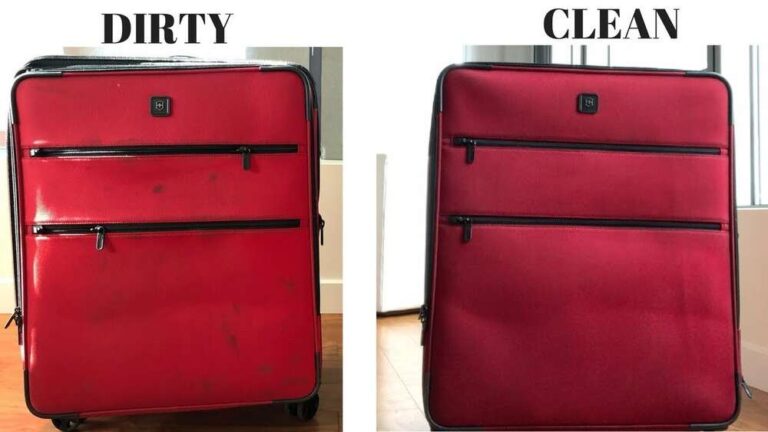
Most pilots use compact rolling flight bags, durable crew luggage, and small personal bags that fit strict airline rules.
Knowing what luggage do pilots use helps you choose bags that work in real airports, not just on a store shelf. Pilots need luggage that rolls smoothly, fits cockpit storage, protects work tools, and survives constant travel. This guide explains the best types, useful features, packing methods, airline rules, and buying tips.
What luggage do pilots use?
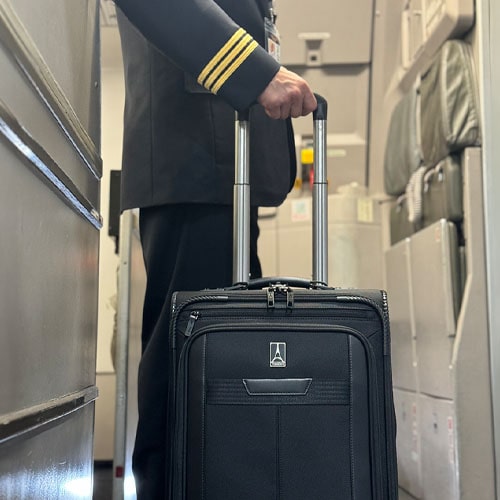
Most pilots use a small rolling flight bag as their main work bag. It often holds a headset, tablet, charts, documents, logbook, pens, chargers, and basic personal items. Many pilots also carry a larger crew suitcase for clothes and a compact personal bag.
The exact setup depends on the pilot’s job. An airline captain may use a full-size crew roller and a flight tote. A corporate pilot may prefer a soft duffel. A flight instructor may carry a flight bag with space for manuals, a kneeboard, and student records.
Pilots tend to value function over fashion. A bag must be easy to move through a terminal, simple to store in a cockpit, and strong enough for frequent use. In that sense, pilot luggage is more like a trusted tool than a travel accessory.
The main types of pilot luggage
There is no single “pilot bag.” Most pilots build a luggage system from two or three bags. Each piece has a clear job.
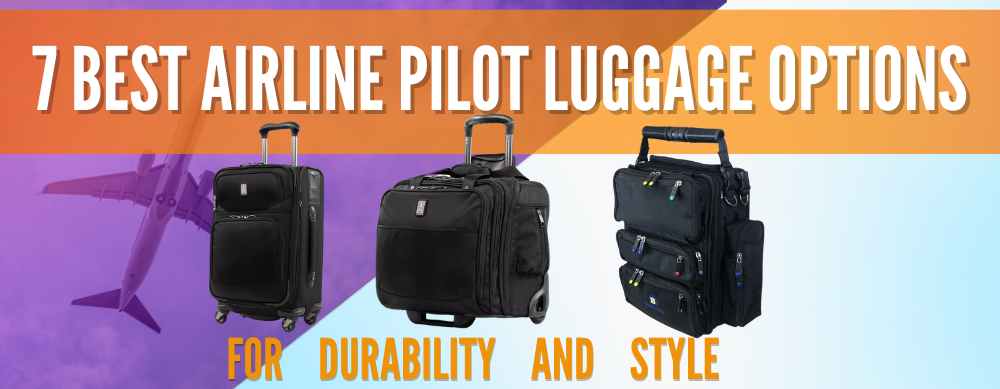
Rolling flight bags
A rolling flight bag is the most common choice for airline pilots. It is usually smaller than a standard carry–on suitcase and has two or four wheels.
Typical features include:
• A padded headset compartment
• A sleeve for a laptop or tablet
• Space for charts and flight documents
• Front pockets for pens, passports, and ID cards
• A strong telescoping handle
• Wheels that move well over carpet and pavement
A rolling flight bag works well because pilots often walk long distances between parking areas, crew rooms, gates, and aircraft. Carrying a heavy bag all day can strain the shoulder and back.
Crew suitcases
A crew suitcase is a compact rolling suitcase made for frequent travelers. It often has a soft-sided body, a reinforced frame, and several internal sections.
Pilots use crew suitcases for uniforms, shoes, toiletries, sleepwear, and spare clothes. Many crew bags are sized to fit common airline carry-on limits, but size rules vary by airline and aircraft.
The best crew suitcase is not always the largest one. A bag that is slightly smaller but easy to lift may be more useful than a heavy bag packed to its limit.
Flight totes
A flight tote is a soft bag with handles and many outside pockets. It may fit under the seat or on top of a small roller.
Totes are useful for quick access. A pilot can reach a phone, snack, water bottle, or travel document without opening a suitcase. Some pilots use a tote as their personal item on a commercial flight.
Duffel bags
Some pilots prefer a duffel bag for short trips. Duffels are light, flexible, and easy to place in small storage areas.
The tradeoff is organization. A duffel can become a deep pocket of loose items. Packing cubes can help keep uniforms, socks, and personal items in order.
Flight school bags
Student pilots often use a flight bag with room for a headset, logbook, checklist, charts, and a kneeboard. These bags may not need wheels because flight school trips are often shorter.
A student pilot should avoid buying a huge bag too early. Start with the tools required for training, then add space as needs grow.

Why do pilots choose rolling luggage?
Pilots choose rolling luggage because it reduces strain and saves time. A smooth roller lets them move through a terminal without carrying a heavy load on one shoulder.
Wheels also help when a bag contains dense items. A headset, laptop, tablet, charger, books, and water bottle can add weight quickly. A bag may look small but still feel heavy after a long walk.
Two-wheel and four-wheel bags both have benefits.
Two-wheel bags
Two-wheel bags often have larger wheels and a stronger pull handle. They may handle rough pavement better and offer more internal space.
They usually tip toward the user while moving. This can make them easier to control on uneven ground.
Four-wheel bags
Four-wheel bags can roll beside the user with less pulling force. They are useful in airports, where floors are usually smooth.
Their smaller wheels may struggle on cracks, grass, or rough sidewalks. A pilot who walks outside often may prefer larger two-wheel wheels.
The best choice depends on the route, aircraft type, and personal comfort. Before buying, roll the bag over tile, carpet, concrete, and tight corners.

What features matter in pilot luggage?
The answer to what luggage do pilots use is closely tied to the features they need. A good bag solves daily problems without adding extra weight.
Strong wheels and handles
Wheels take most of the abuse. Look for wheels that sit firmly in place and do not wobble. The handle should extend smoothly and lock at more than one height.
A loose handle can make a bag difficult to steer. A broken wheel can turn a simple workday into a long carry.
Smart storage
Pilots need quick access to small items. Good pockets can hold:
• Flight documents
• Crew ID
• Passport
• Pens and markers
• Sunglasses
• Charging cables
• Hand sanitizer
• Snacks
A padded electronic sleeve is also useful. It protects a tablet or laptop from bumps in the jet bridge or cockpit.
Headset protection
Aviation headsets are expensive and delicate. Many pilots use a separate headset case, while others choose a flight bag with a padded headset section.
Do not place heavy shoes or a water bottle on top of a headset. Even a strong headset can suffer damage from repeated pressure.
Water-resistant material
Pilots work in many weather conditions. A water-resistant bag can protect documents and electronics during a short walk across a wet ramp.
Water-resistant does not always mean waterproof. In heavy rain, use a cover or place important items in sealed pouches.
Lightweight construction
A heavy empty bag reduces useful packing space. This matters when an airline has strict carry-on limits or when a pilot must lift the bag into a small storage area.
Strong fabric, good stitching, and a simple frame often provide a better balance than thick, bulky materials.
Easy identification
Black luggage is common among flight crews. It can also be easy to confuse with another crew member’s bag.
A bright tag, colored strap, or small luggage ribbon makes identification faster. Do not rely only on a name tag that can be hidden under a handle.

How airline rules affect pilot luggage
Airline luggage rules can change by airline, aircraft, route, and employee status. A bag that fits one carrier’s limit may be too large for another.
Pilots also work under different baggage policies from passengers. Some airlines provide crew luggage guidelines. Others leave more choice to the individual pilot.
Before buying a bag, check:
• Maximum carry-on dimensions
• Maximum weight
• Personal-item rules
• Cockpit storage limits
• Crew-room guidance
• Regional aircraft restrictions
• Battery rules for electronic bags
The Transportation Security Administration allows many common travel items, but security officers make the final decision at the checkpoint. Power banks and spare lithium batteries usually need to stay in carry-on baggage, not checked luggage.
Aircraft storage is another key issue. A bag may meet a published carry-on size but still fail to fit in a small cockpit compartment. Regional jets and smaller aircraft often have less storage than large mainline jets.
This is why what luggage do pilots use is not based on looks alone. Pilots choose bags that match the real space available on their aircraft.
How pilots pack their luggage
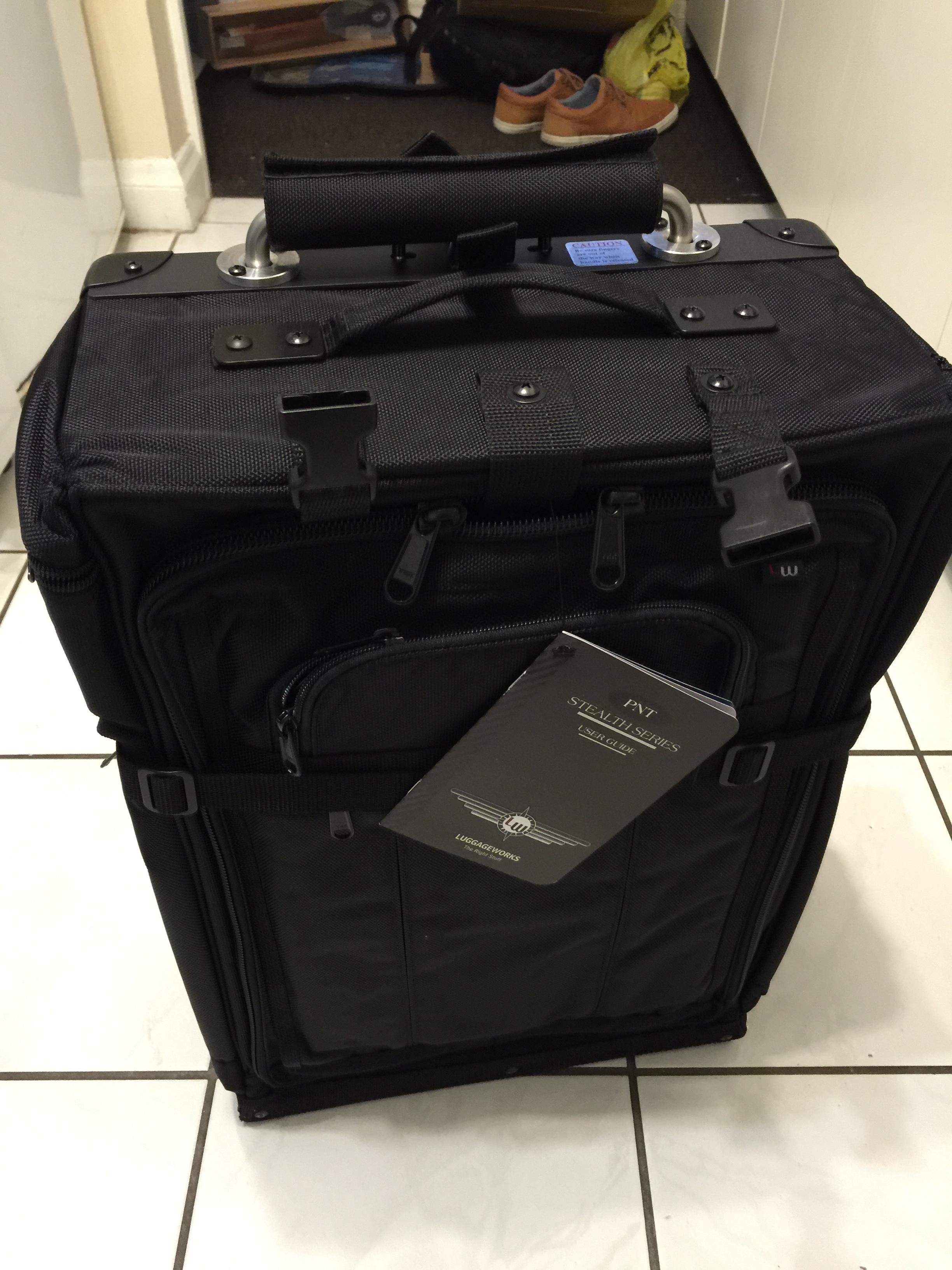
Pilots usually pack for repeatable routines. The goal is to find important items quickly, even when tired or working in poor light.
A simple system works well:
-
Keep flight tools in the same pocket every time.
-
Place electronics in a padded sleeve.
-
Use packing cubes for clothing.
-
Put toiletries in a clear travel pouch.
-
Store spare batteries in a safe, easy-to-reach case.
-
Keep a small emergency kit in the personal bag.
-
Leave room for a water bottle and food.
Uniforms should stay near the top of the crew suitcase. Shoes should go in a separate shoe bag. This keeps clothing cleaner and makes changing faster.
Many pilots carry duplicate charging cables, pens, and small personal items. A backup cable can prevent a serious problem during a long duty period.
Avoid packing every possible item. Extra gear adds weight and creates clutter. A pilot bag should feel like a clean cockpit: every item has a place.

What do pilots keep in their flight bags?
The contents vary, but a typical airline pilot flight bag may include:
• Aviation headset
• Tablet or electronic flight bag
• Charging cable and power bank
• Crew ID and passport
• Logbook
• Pens and highlighters
• Sunglasses
• Flashlight
• Reading glasses
• Water bottle
• Snacks
• Hand wipes
• Small first aid items
• Earplugs
• Backup batteries
Pilots should follow their employer’s equipment list. A personal checklist is also useful. It reduces the chance of leaving an important item in a hotel room or another aircraft.
Some pilots carry paper backups even when they use an electronic flight bag. The need for paper depends on company policy, aircraft procedures, and local rules. Electronic tools are convenient, but they still depend on battery power and proper updates.
Personal items also matter. A spare shirt, light jacket, and basic medicine can make an unexpected delay easier to manage. Good luggage supports both safe work and normal human needs.
Pilot luggage brands and buying choices
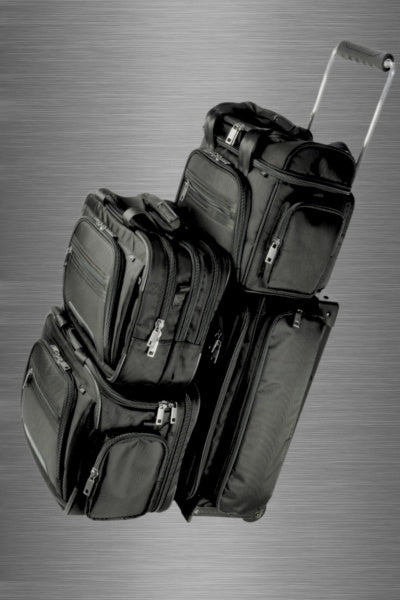
Pilots use many brands, from aviation-focused makers to standard travel companies. Brand name matters less than fit, build quality, warranty service, and parts support.
When comparing bags, focus on these questions:
• Does the bag fit your aircraft storage?
• Are replacement wheels available?
• Does the handle feel firm?
• Can the bag stand upright?
• Is the headset protected?
• Are the zippers easy to use?
• Does the bag fit airline limits?
• Is the empty weight reasonable?
A bag with replaceable wheels may offer better long-term value than a cheaper bag that must be discarded after one failure. A strong warranty can also matter for pilots who travel every week.
Try the bag in person if possible. Put a laptop, headset, shoes, and a water bottle inside it. Walk with it, pull it around corners, and lift it into an overhead bin.
Online reviews can help, but they are not perfect. A reviewer may use the bag once, while a pilot may use it hundreds of times. Look for comments about wheel wear, handle failure, zipper quality, and long-term service.
Common mistakes when buying pilot luggage
Many first-time buyers focus on appearance. A sleek bag may look professional but fail in daily use.
Avoid these common mistakes:
• Buying a bag before checking aircraft storage
• Choosing the largest size possible
• Ignoring empty bag weight
• Selecting weak wheels
• Forgetting headset protection
• Using one deep compartment for everything
• Assuming all airlines use the same size limits
• Skipping a warranty check
A second mistake is buying too many pockets. Pockets help only when they are easy to use. Excessive compartments can add weight and make it harder to remember where items are stored.
Another mistake is treating a pilot bag like ordinary luggage. A pilot may need access to a pen or ID within seconds. The best design supports quick, calm movement.
A practical lesson from frequent travel is simple: test the bag when fully packed. A suitcase that feels fine when empty may become awkward when loaded with work tools.
Pilot luggage for different types of pilots
What luggage do pilots use can differ greatly by job.
Airline pilots
Airline pilots often use a rolling flight bag, crew suitcase, and personal item. They need space for uniforms, electronics, documents, and items for multi-day trips.
Corporate pilots
Corporate pilots may use smaller and more flexible bags. Their trips can be short, and aircraft storage may vary from one private jet to another.
Cargo pilots
Cargo pilots often follow a similar setup to airline crews. They may need extra clothing and personal supplies because routes can involve long duty periods and unusual schedules.
Flight instructors
Flight instructors often need manuals, lesson plans, logbooks, and training aids. A soft flight bag with strong organization may work better than a large roller.
Student pilots
Student pilots should choose a simple bag that protects a headset and holds basic training materials. A compact bag is usually enough at the start.
Job type is only one factor. Body size, travel habits, aircraft type, and personal preference also shape the final choice.
How to choose the right pilot luggage
Use this simple buying process:
-
List the items you carry on every trip.
-
Measure the storage space in your aircraft.
-
Check your airline’s current size and weight rules.
-
Decide whether you need two wheels or four.
-
Test the handle, wheels, zippers, and balance.
-
Check the warranty and replacement parts.
-
Choose a color or tag that is easy to recognize.
If you fly often, invest in the parts that receive the most stress. Wheels, handles, seams, and zippers deserve close attention.
Do not buy a large bag just because it offers more room. More space can encourage overpacking. The right bag should hold your normal kit without forcing you to carry unnecessary weight.
A small scale can help at home. Weigh the bag after packing it, not before. This simple step can prevent surprises at check-in or during crew travel.
Frequently Asked Questions About What Luggage Do Pilots Use
Do pilots use regular suitcases?
Yes, some pilots use regular suitcases, especially for longer trips. Many prefer crew luggage because it offers better organization, stronger wheels, and easier access to work items.
What is a pilot flight bag?
A pilot flight bag is a work bag designed to hold aviation gear. It commonly stores a headset, tablet, documents, logbook, chargers, and small personal items.
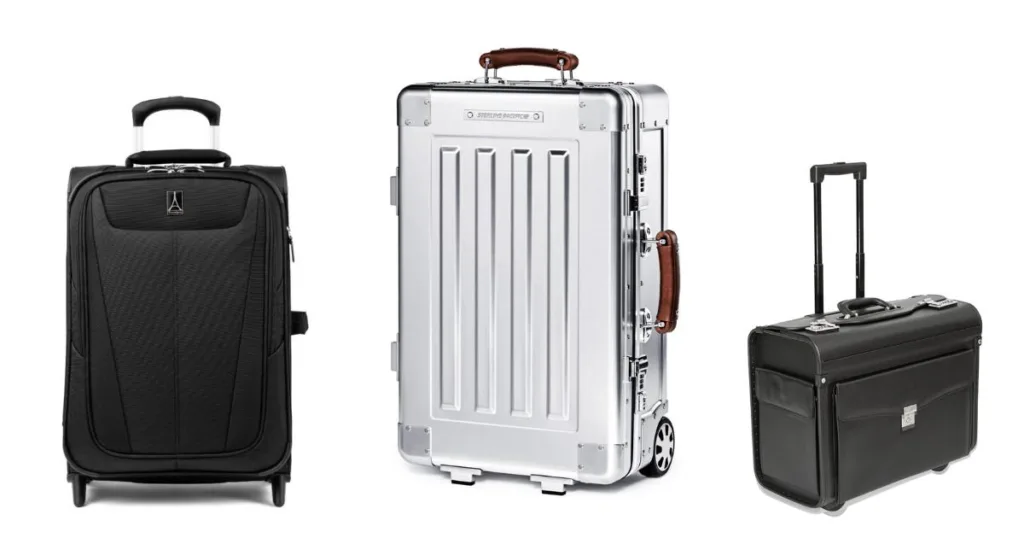
Do pilots use hard-shell or soft-sided luggage?
Both types are used. Soft-sided luggage often offers more flexible storage and outside pockets, while hard-shell luggage may provide stronger protection for fragile items.
What size luggage do pilots use?
Many pilots use compact carry-on bags that fit crew and aircraft storage rules. The correct size depends on the airline, aircraft, route, and current baggage policy.
Do pilots check their luggage?
Pilots often carry their main work bag and crew suitcase onboard when storage allows. They may check a larger suitcase when company rules, aircraft space, or trip length make that necessary.
What do pilots carry in their flight bags?
Pilots often carry a headset, tablet, ID, passport, logbook, pens, chargers, snacks, sunglasses, and small backup items. Their employer may also require specific documents or equipment.
Are pilot bags different from flight attendant bags?
They can be similar because both jobs require durable crew luggage. Pilot bags often give more space to headsets, tablets, charts, and flight documents.
Conclusion
Most pilots use a compact rolling flight bag for work and a durable crew suitcase for clothing. The best luggage has strong wheels, a firm handle, useful pockets, headset protection, low weight, and a size that fits both airline and aircraft rules.
What luggage do pilots use depends on the pilot’s job, aircraft, route, and packing habits. Choose function before style, test the bag when full, and check current airline limits before you buy.
A well-planned luggage setup can make every trip calmer and easier. Compare practical options, build a simple packing system, and share your favorite pilot luggage tips in the comments.

Zayden Halbrook is a travel enthusiast and gear researcher passionate about making every journey smoother and more enjoyable. With a keen eye for practical travel essentials and real-world tips, he helps readers choose the right gear and travel smarter. When he’s not testing travel kits or exploring new destinations, Zayden shares simple, reliable advice to make every trip stress-free.