Pack luggage efficiently by planning outfits, reducing duplicates, using packing cubes, and filling every space with purpose.
Learning how to pack luggage efficiently can save time, space, and stress before any trip. The best method is not about squeezing everything into one bag. It is about choosing useful items, arranging them well, and keeping important things easy to reach. With a simple system, even a small carry-on can hold what you need for several days.
Start With a Simple Packing Plan
Packing becomes easier when you plan before opening your suitcase. Begin by checking the weather, trip length, planned activities, and dress needs. A beach vacation, business trip, and winter city break all require different packing choices.
Write a short list before you pack. This helps you avoid panic packing, which often leads to too many clothes and forgotten essentials.
Use this basic planning process:
- Check the weather for every destination.
- List your main activities.
- Choose a color theme for your clothes.
- Plan one outfit for each day.
- Add one or two backup pieces.
- Set aside travel documents and medicines.
- Review the list before closing your bag.
A useful rule is to pack clothes that work together. Neutral colors, such as black, gray, navy, white, and beige, make it easier to create several outfits from a few pieces.
For example, one pair of dark pants can work with a T-shirt during the day and a button-down shirt at night. This approach helps you pack luggage efficiently without making your trip feel limited.

Choose the Right Luggage
The right bag can make packing much easier. A hard-shell suitcase protects fragile items and often opens like a book. A soft-sided bag can fit into tight spaces and may offer useful outside pockets.
Choose luggage based on the trip, not just its appearance. A rolling carry-on is useful for airports and city travel. A backpack may work better for trains, stairs, or uneven streets.
Before packing, check:
• The airline’s carry-on size and weight limits
• The number of bags included with your ticket
• The suitcase’s empty weight
• Wheel quality and handle strength
• Interior pockets and compression straps
• Whether the bag expands beyond the allowed size
An expandable suitcase can be helpful, but expansion also makes overpacking easy. If you plan to pack luggage efficiently, treat extra space as a safety margin rather than an invitation to add more items.
I once used a large suitcase for a short work trip because I thought extra room would be convenient. It became heavy, difficult to move, and awkward on public transportation. Since then, I choose the smallest bag that can reasonably fit my needs.

Use the One-Week Clothing Rule
For many trips, you do not need a separate outfit for every day. A flexible seven-day wardrobe can often support a longer trip if you plan to wash a few items.
A practical clothing formula includes:
• Five or six tops
• Two or three pairs of pants, shorts, or skirts
• One light jacket or sweater
• One comfortable travel outfit
• One slightly dressier outfit
• Seven pairs of underwear
• Five to seven pairs of socks
• Two pairs of shoes
• Sleepwear and workout clothes, if needed
Adjust this list for the climate and purpose of your trip. Cold weather needs layers, while warm weather may require lightweight clothing that dries fast.
Try the “three-way test” before packing each item. Ask whether it works with at least three other pieces. If it does not, it may take up valuable space for very little benefit.
Do not pack clothing based on an imaginary version of your trip. Pack for what you are likely to do. If you rarely wear formal clothes at home, you probably will not suddenly need three formal outfits while traveling.
Create a Capsule Travel Wardrobe
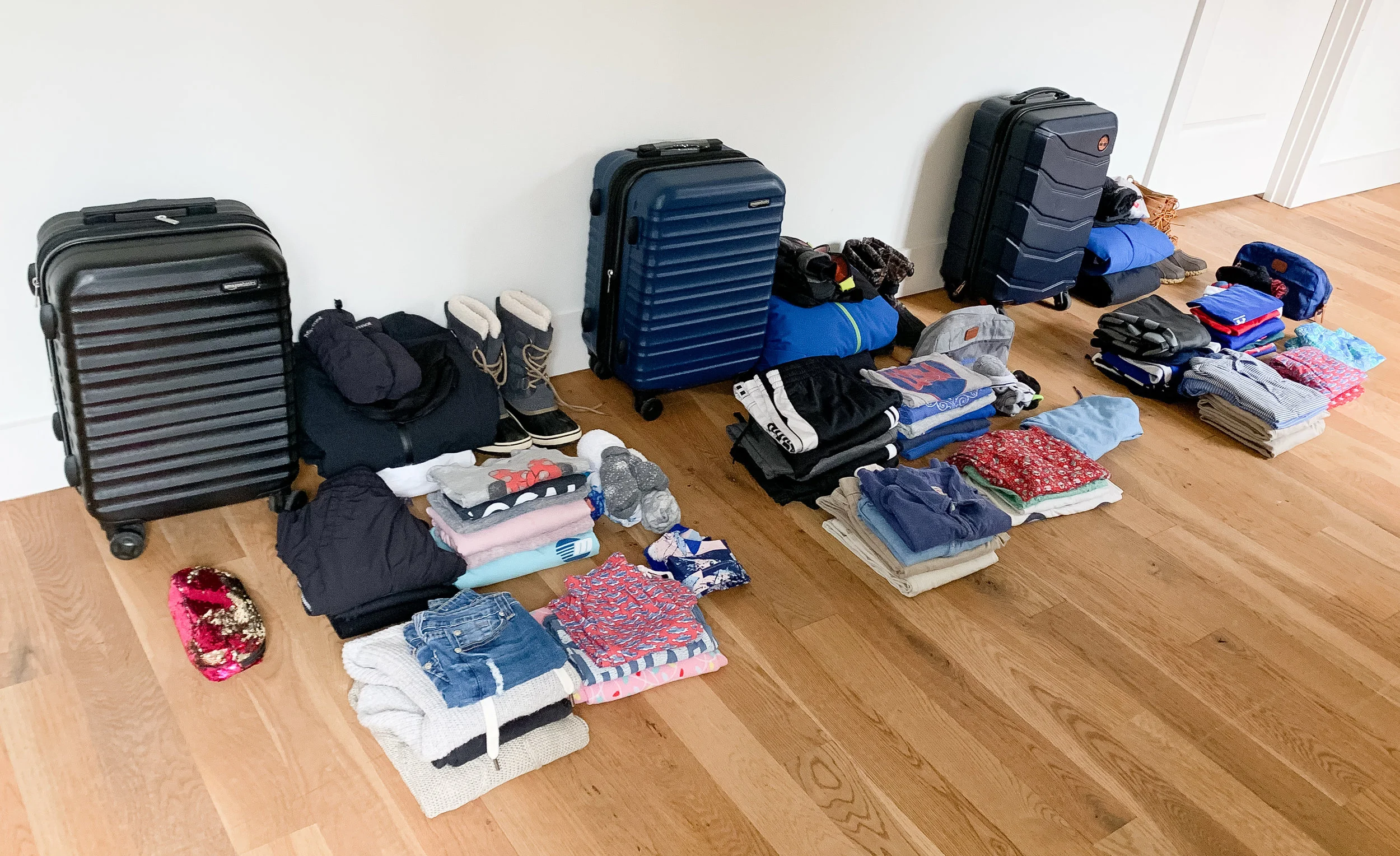
A capsule wardrobe uses a small number of pieces that match well. It is one of the most reliable ways to pack luggage efficiently because each item has more than one use.
Pick a base color, then add one or two accent colors. For example, black pants, blue jeans, white shirts, and a green sweater can create many combinations. Patterns can work too, but too many bold prints may make matching harder.
Think in layers:
- Base layer: T-shirts, tank tops, or thin shirts.
- Middle layer: Shirts, blouses, or light sweaters.
- Outer layer: Jacket, coat, or rain shell.
- Accessories: Scarf, belt, hat, or simple jewelry.
Layers help you adapt to changing temperatures without packing several bulky outfits. A light rain jacket can also protect you from wind, while a scarf can serve as a blanket on a cold flight.
Choose fabrics with care. Merino wool, synthetic blends, and quick-dry materials often resist odor and dry faster than heavy cotton. Still, fabric comfort matters. A shirt that dries quickly is not useful if you dislike wearing it.
Roll, Fold, or Bundle Your Clothes?
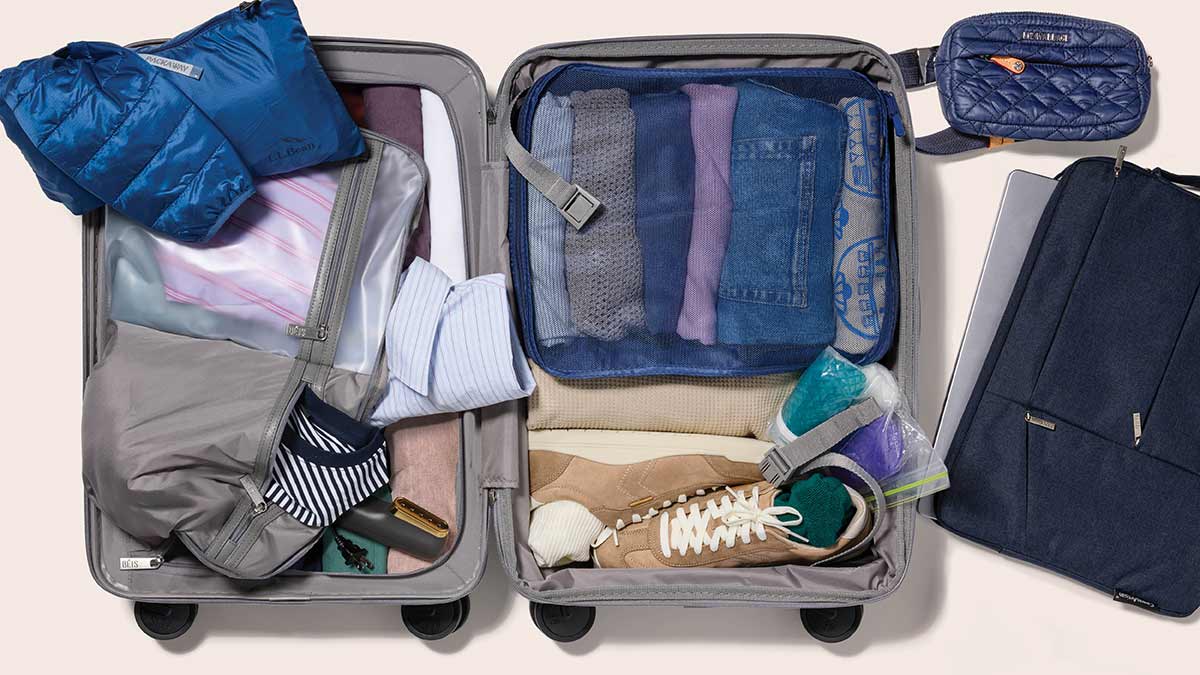
There is no single best method for every item. Rolling can reduce gaps and works well for casual clothing. Folding helps prevent wrinkles in structured garments. Bundling can reduce sharp creases in larger groups of clothing.
Use rolling for:
• T-shirts
• Underwear
• Socks
• Sleepwear
• Workout clothes
• Soft shorts
Use folding for:
• Button-down shirts
• Blazers
• Sweaters
• Dresses
• Linen clothing
To roll clothing, smooth it first and roll it firmly from one end to the other. Avoid making very tight rolls that stretch fabric or create deep marks.
For wrinkle-prone items, place tissue paper between layers or fold them around softer clothes. You can also use the suitcase’s built-in garment panel if it has one.
My most useful lesson was to stop treating every item the same. Rolling a dress shirt with socks may save space, but it can create wrinkles. Matching the method to the fabric is a better way to pack luggage efficiently.

Use Packing Cubes the Smart Way
Packing cubes are small fabric containers that organize clothing inside a suitcase. They do not always reduce the total volume of your items, but they can control clutter and make every inch easier to use.
Use separate cubes for different groups:
• Underwear and socks
• Tops
• Bottoms
• Workout clothes
• Sleepwear
• Children’s clothing
• Dirty laundry
Choose cubes that fit your luggage. Oversized cubes may waste space, while very small cubes can create too many gaps.
Do not overstuff them. A cube packed until its zipper strains can become difficult to place and may damage the zipper. Compression cubes can save space, but they may also make your bag much heavier because they encourage you to add more items.
A useful system is to place the heaviest clothing in one cube and lighter clothing in another. This makes it easier to balance the suitcase and find what you need.
:max_bytes(150000):strip_icc()/tal-cotopaxi-cubos-del-dia-packing-cubes-set-of-3-dylan-thompson-18-1-49e0097703fd4e8688d5954c6fd28987.jpeg)
Fill Every Space Without Overpacking
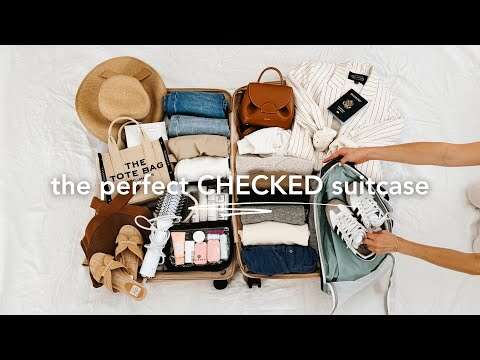
Efficient packing uses empty spaces, but it does not mean forcing items into every corner. Small gaps can hold useful items such as socks, belts, charging cables, or swimwear.
Place small items inside shoes, but cover them with a clean bag first. This uses space while keeping personal items separate from shoe soles.
Good places for small items include:
• Inside shoes
• Around suitcase edges
• Between packing cubes
• In the corners near wheels
• Inside jacket pockets
• Under the suitcase flap
Keep heavy items near the suitcase wheels when the bag is standing upright. This reduces shifting and makes the suitcase easier to roll. Place lighter and softer items on top to protect anything that could crease or break.
Do not use every empty space just because it exists. Leave a little room for souvenirs, food, or items you buy during the trip. A suitcase packed to its limit on the first day gives you no flexibility later.

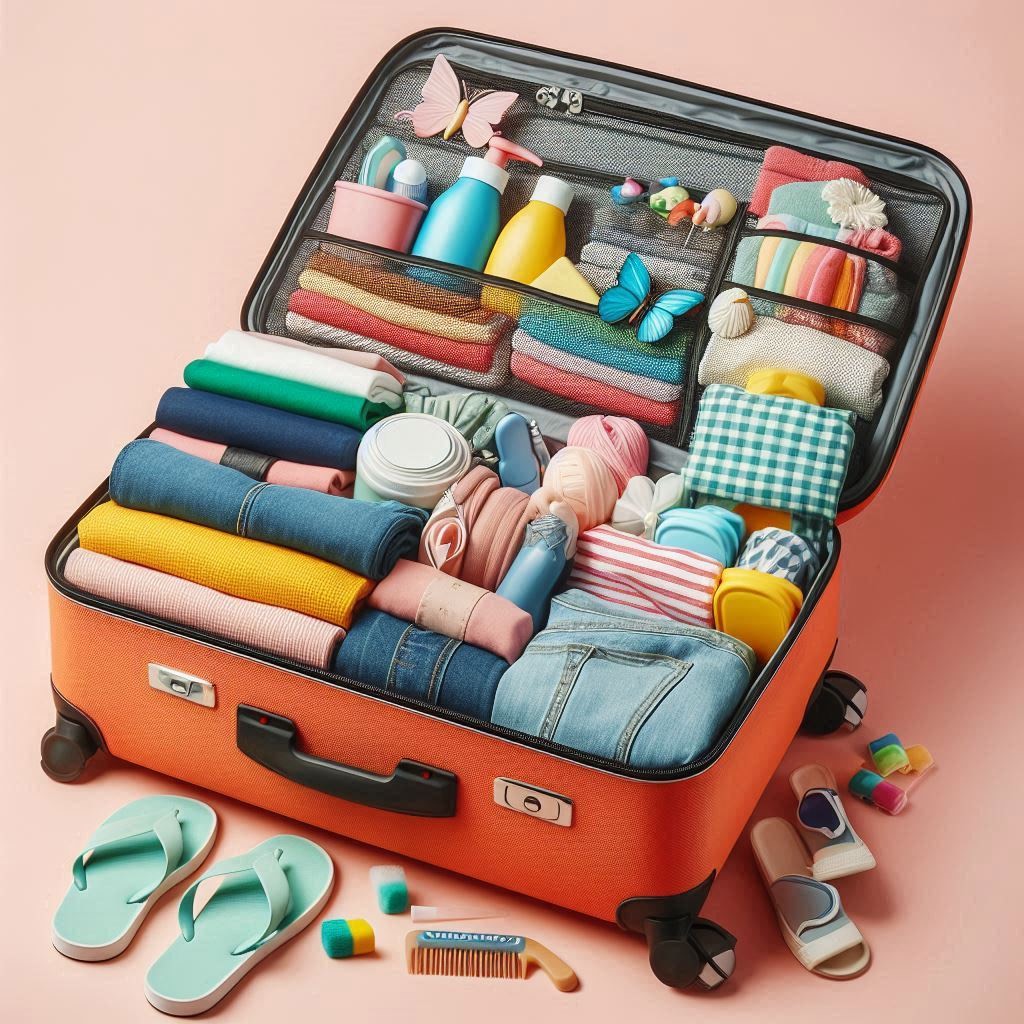
Pack Shoes and Toiletries Carefully
Shoes often take more space than travelers expect. Most trips need no more than two or three pairs.
A practical combination is:
- Comfortable walking shoes worn during travel.
- One flexible pair for evenings or formal plans.
- Sandals or activity shoes when truly necessary.
Wear the heaviest pair on travel day. Place the other shoes in shoe bags or clean plastic bags. Position them along the suitcase edges or near the wheels.
For toiletries, use small containers instead of full-size bottles. Label anything that is not easy to identify. Place liquids in a leak-resistant bag and keep that bag near the top if you may need it during security screening.
Before packing toiletries, ask:
• Can I buy this at my destination?
• Do I need it every day?
• Can one product serve two purposes?
• Can I use a solid version?
• Is the container larger than necessary?
Solid shampoo, bar soap, and solid deodorant can reduce spills and save space. Keep medicines in their original labeled packaging when possible, especially for international travel.
Keep Important Items Easy to Reach
The most efficient suitcase is not useful if you must unpack it to find your passport or medication. Create a top-access section for items you may need during travel.
Keep these items close:
• Passport or government ID
• Boarding pass
• Wallet and keys
• Prescription medicine
• Phone charger
• Headphones
• Travel documents
• A pen
• One change of underwear
• A clean shirt
For a carry-on, pack one spare outfit in case checked luggage is delayed. Include basic toiletries and important medication. Airlines can lose or delay bags, so valuable items should stay with you.
Use a personal item, such as a small backpack, for electronics and documents. This keeps your main luggage lighter and gives you a second place to store essentials.
I learned this after placing my charger at the bottom of a tightly packed bag on a long flight. Finding it meant moving half my belongings into the airport seat area. Now, anything needed during transit goes in a dedicated outer pocket.

Protect Fragile Items
Fragile items need padding, stable placement, and careful weight control. Do not place breakable objects near the suitcase shell, corners, or wheels.
Wrap fragile items in soft clothing and place them in the center of the suitcase. Use socks or scarves as padding. If an item is especially valuable or difficult to replace, carry it in your personal bag instead of checking it.
Avoid packing:
• Glass bottles near hard edges
• Electronics without protective cases
• Sharp objects in carry-on luggage
• Heavy items on top of delicate items
• Valuables in checked bags
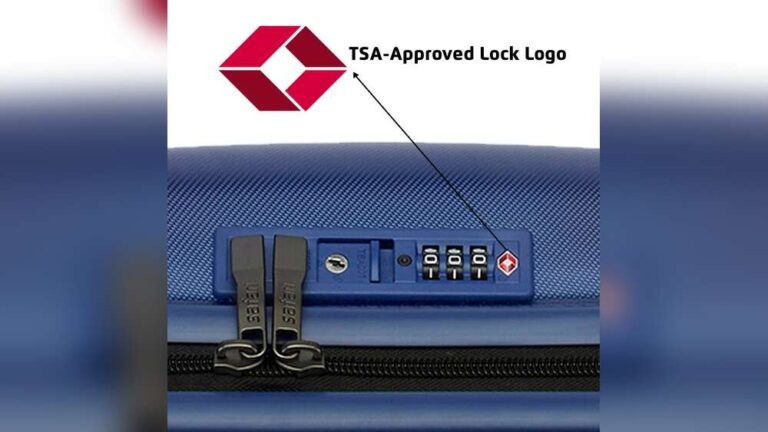
Check current airport security rules before traveling with tools, liquids, batteries, or sports equipment. Rules can vary by country and item type. When uncertain, verify the item with the airline or airport authority before departure.
Balance Weight and Follow Airline Rules
Efficient packing includes weight management. A compact bag can still be too heavy if it contains shoes, books, electronics, or dense clothing.
Use a luggage scale before leaving home. Check your bag when it is fully packed, including the outer pockets. Airline weight limits differ, and some carriers charge fees for overweight or oversized luggage.
To reduce weight:
• Wear your heaviest clothes and shoes.
• Remove duplicate items.
• Choose an e-reader instead of several books.
• Pack travel-size toiletries.
• Limit “just in case” items.
• Use lightweight luggage when practical.
• Share common items with travel companions.
Do not rely on a bathroom scale for exact results. It can give you a rough estimate, but a small luggage scale is easier to use and often more consistent.
Also check whether your destination has special rules for food, plants, medicine, or sports equipment. Efficient packing is not only about space. It is also about arriving without delays, confiscated items, or unexpected fees.
A Fast Packing Method for Last-Minute Trips
When time is short, use a repeatable order. This prevents you from jumping between rooms and packing random items.
Follow these steps:
- Place your luggage on the bed.
- Gather documents, medicine, and electronics first.
- Lay out all clothing before placing anything inside.
- Remove one-third of the clothing pile.
- Pack shoes and heavy items near the wheels.
- Add clothing cubes or rolled garments.
- Fill small gaps with light accessories.
- Pack toiletries in a sealed bag.
- Place travel-day essentials on top.
- Weigh the bag and do a final check.
The one-third rule is especially helpful. Most people pack more clothing than they wear. Removing a few items before they enter the suitcase can prevent a heavy, crowded bag.
If you are packing for a family, give each person a small packing area or cube. This avoids mixing everyone’s belongings and makes it easier to find clothes at the destination.
Common Packing Mistakes to Avoid
Many packing problems come from small choices made early. Fixing these habits can help you pack luggage efficiently on every trip.
Avoid these common mistakes:
• Packing without checking the weather
• Bringing several “maybe” outfits
• Taking too many shoes
• Ignoring airline weight rules
• Packing all medicine in checked luggage
• Forgetting a laundry bag
• Using full-size toiletries
• Placing documents at the bottom
• Packing clothes that match nothing else
• Leaving no space for the return trip
Another mistake is packing for every possible emergency. A small first-aid kit is sensible, but bringing a large collection of products you may never use wastes room.
There are limits to every packing method. A capsule wardrobe may not suit a wedding, a ski trip, or a long journey without laundry access. The goal is not to follow one rule blindly. The goal is to make thoughtful choices for your specific trip.
How to Pack Luggage Efficiently for Different Trips
Weekend trips
Use a small personal item or carry-on when possible. Pack two outfits, one backup top, sleepwear, basic toiletries, and one pair of shoes besides the pair you wear.
Business travel
Choose wrinkle-resistant clothing in matching colors. Keep documents, chargers, and work equipment in a separate compartment so they are easy to access.
Beach vacations
Pack lightweight clothing, swimwear, sandals, sunscreen, and a laundry bag. Wear bulky travel clothes and avoid bringing multiple formal outfits unless your plans require them.
Cold-weather trips
Wear your coat and heaviest shoes while traveling. Pack thin layers instead of several thick sweaters, and use compression only when it does not make the suitcase too heavy.
Family travel
Give each traveler a small set of essentials in a carry-on. For young children, pack spare clothes, snacks, comfort items, and activities where they can be reached quickly.
How to Keep Your Suitcase Organized During the Trip
Good organization should continue after you arrive. Unpack only what you need, and keep the rest in packing cubes. This prevents clothing from spreading across the room.
Use one cube or bag for dirty laundry. Do not mix worn clothes with clean clothes, even if everything looks neat at first.
At the end of each day, return small items to the same place. This simple habit reduces the chance of leaving chargers, jewelry, or documents behind.
Before checking out, inspect:
• Under the bed
• Bathroom shelves
• Closet and drawers
• Safe or desk
• Charging outlets
• Balcony or patio
• Car or transportation area
A clear system makes repacking faster. It also helps you pack luggage efficiently for the return journey, even when you are tired.
Frequently Asked Questions About How to Pack Luggage Efficiently
What is the most efficient way to pack a suitcase?
Plan your outfits first, remove duplicate items, and use packing cubes to group clothing. Place heavy items near the wheels, keep essentials on top, and leave a little space for purchases.
Is it better to roll or fold clothes?
Rolling works well for soft clothes, underwear, and casual shirts. Folding is better for dress shirts, jackets, sweaters, and other items that crease easily.
How many pairs of shoes should I pack?
Most trips need two or three pairs at most. Wear the heaviest pair during travel and pack shoes that match several outfits.
Do packing cubes really save space?
Packing cubes mainly improve organization and reduce wasted gaps. Compression cubes can reduce volume, but they may encourage overpacking and increase the final weight of your suitcase.
How can I avoid overweight luggage?
Use a luggage scale, reduce duplicate items, and limit heavy objects such as books, shoes, and large toiletry bottles. Wear your heaviest clothing during transit when practical.
What should I pack in my carry-on?
Keep identification, medication, valuables, electronics, chargers, travel documents, and one spare outfit in your carry-on. These items should not depend on checked luggage arriving on time.
How do I pack liquids for air travel?
Use travel-size containers and place them in a sealed, clear bag when required by the airport. Check the current rules for your departure airport because liquid limits and screening procedures can change.
Conclusion
Packing luggage efficiently starts with a plan, not a bigger suitcase. Choose versatile clothes, limit shoes, use space with care, protect fragile items, and keep important belongings within reach. A quick weight check and final review can prevent many travel problems.
Try this method on your next trip: plan your outfits, remove one-third of your clothing pile, and pack the smallest suitable bag. After your journey, note what you did not use and improve your list for next time. Explore more travel-planning guides, and share your best packing tip with fellow travelers.

Zayden Halbrook is a travel enthusiast and gear researcher passionate about making every journey smoother and more enjoyable. With a keen eye for practical travel essentials and real-world tips, he helps readers choose the right gear and travel smarter. When he’s not testing travel kits or exploring new destinations, Zayden shares simple, reliable advice to make every trip stress-free.