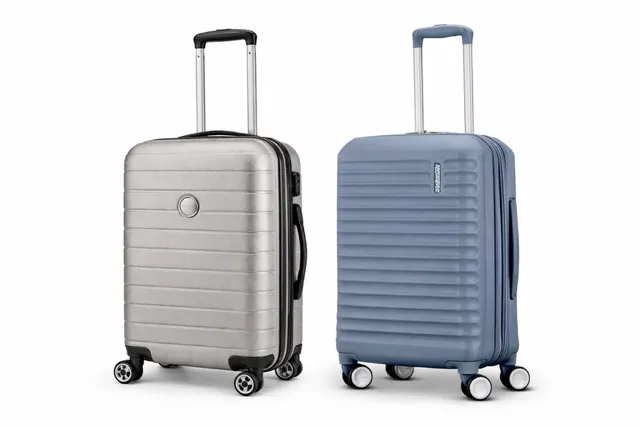
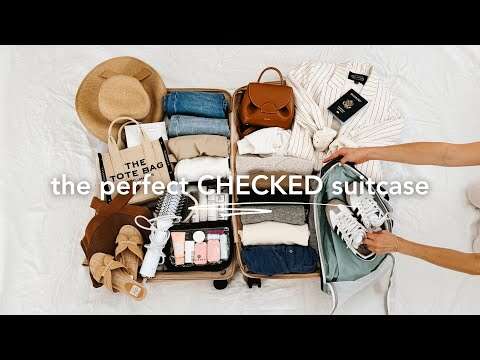
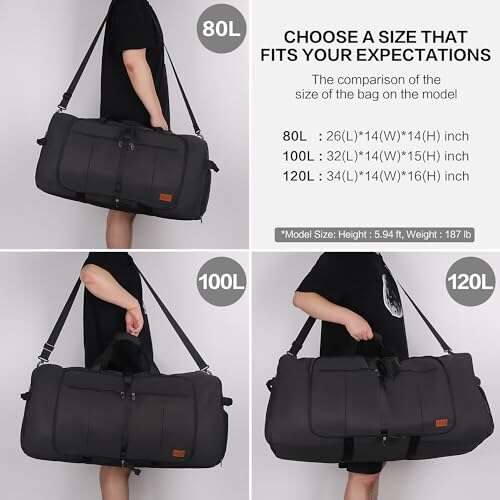
Fold Royal Caribbean luggage tags along the printed lines, then secure them firmly around your bag handle.
Knowing how to fold Royal Caribbean luggage tags can make embarkation faster and less stressful. The tag may look simple, but the fold, placement, barcode, and fastening method all matter. This guide explains the process in clear steps, based on Royal Caribbean’s common printable tag format and practical cruise packing experience.

What Are Royal Caribbean Luggage Tags?
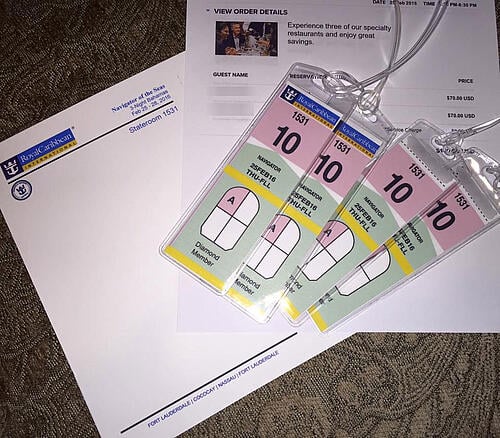
Royal Caribbean luggage tags are printed identification strips for checked bags. They usually show details such as your name, ship, sailing date, stateroom number, and a barcode or booking reference.
Port staff use the tag to route your luggage to the correct ship and cabin area. Think of it as a small address label for your cruise vacation.
You usually receive your luggage tags through the Royal Caribbean Cruise Planner, online check-in process, or electronic travel documents. The exact design can change, so always follow the fold marks shown on your own tag.
Royal Caribbean luggage tags are different from airline bag tags. You normally print them at home and attach them before arriving at the cruise terminal.

When Should You Print Your Royal Caribbean Luggage Tags?
Print your Royal Caribbean luggage tags after your cruise check-in details are available. Your stateroom number may not appear until check-in is complete, so printing too early can lead to incorrect information.
A good time to print the tags is one to three days before you leave. This gives you enough time to check the details without creating a last-minute rush.
Before printing, confirm these details:
• Your full name is correct.
• Your ship name is correct.
• Your sailing date matches your booking.
• Your stateroom number is correct, if assigned.
• The barcode or booking information is clear.
• The printer has enough black ink.
If your stateroom changes after printing, create new tags. Do not cross out the old room number by hand unless Royal Caribbean staff specifically instructs you to do so.
What You Need to Fold Royal Caribbean Luggage Tags
You do not need special tools, but a few supplies make the job easier and safer.
• Printed Royal Caribbean luggage tags
• A standard printer with clear black ink
• Scissors, if the tag sheet includes extra paper
• Clear tape
• A stapler, if allowed by your terminal instructions
• A plastic cruise luggage tag holder
• Your checked suitcase or travel bag
A plastic cruise tag holder is often the easiest option. It protects the paper from rain and tearing, while its loop keeps the tag attached to the suitcase handle.
If you do not have a holder, clear tape and a stapler can work. However, avoid covering the entire tag with thick tape. A sealed plastic sleeve is better because it protects the tag without making the barcode hard to scan.

How to Fold Royal Caribbean Luggage Tags Step by Step
Learning how to fold Royal Caribbean luggage tags is simple when you follow the printed guide. Take your time and avoid folding through key information unless the instructions show that you should.
1. Print the tag at full size
Open the tag file from your Royal Caribbean account and print it at its original size. Do not select “fit to page” unless the document tells you to do so.
A printer setting that shrinks the tag may make the barcode harder to scan. Check the print preview first. The complete tag should appear on the page without missing edges.
Use plain printer paper if you plan to place the tag inside a plastic holder. Medium-weight paper can feel stronger, but thick card stock may be difficult to fold or fit into some holders.
2. Cut away extra paper
Some luggage tag files include large blank areas around the actual tag. Cut along the outer border if needed.
Leave enough paper around the tag to keep the printed information intact. Do not trim off the barcode, stateroom number, or attachment area.
If the tag already has a clean rectangular shape, you may not need scissors at all.
3. Find the printed fold lines
Look for dotted lines, arrows, or small instructions on the tag. These marks show where to fold Royal Caribbean luggage tags.
Most printable cruise tags fold into a narrow strip that wraps around a suitcase handle. The printed information may end up on the outside, while the blank section creates the attachment flap.
Do not guess if your tag has a different layout. Royal Caribbean can update its documents, and tag designs may vary by sailing or check-in system.
4. Fold the tag along the first line
Place the tag on a flat table with the printed side facing up. Make the first fold directly along the marked line.
Press the crease gently with your finger. A sharp crease helps the tag sit neatly inside a holder or wrap evenly around the handle.
Do not press so hard that the paper tears. Thin printer paper can split, especially near a barcode or corner.
5. Fold the remaining panels
Continue folding along each printed line until the tag forms a long, compact strip. Keep the ship information, stateroom number, and barcode visible on the outside when possible.
The finished shape should be easy to wrap around the suitcase handle. It should not hang as a large, loose sheet.
If you are using a plastic holder, slide the folded tag into the sleeve instead of adding extra folds. Too many folds can hide important information.
6. Place the tag around the handle
Thread the folded tag through a strong handle on the suitcase. The main handle is usually better than a small decorative strap.
Choose a handle that can support the bag during loading. If the suitcase has two handle bars, place the tag around the full handle section rather than only one thin bar.
Make sure the tag is not trapped under a zipper, wheel, or retractable handle. Port staff need to see it quickly.
7. Secure the ends
Close the tag with the method shown in the instructions or holder. If using a plastic holder, connect the loop firmly through the tag’s attachment area.
If using staples, place them only through the blank ends of the tag. Keep staples away from the barcode and printed name.
If using tape, fasten the ends together without covering important text. Test the connection with a gentle pull before handing over your bag.
8. Check the finished tag
Before leaving for the port, inspect the tag from every angle. It should be tight, readable, and unlikely to catch on another suitcase.
Confirm that:
• The stateroom number is visible.
• The barcode is not badly creased.
• The tag cannot slide off the handle.
• The paper is protected from rain.
• No old airline or cruise tags remain on the bag.
This final check takes less than a minute and can prevent a frustrating baggage delay.