How To Clean A Suitcase
If you have ever opened your suitcase after a trip and found it dirty, you know how frustrating it can be. Dirt, stains, and odors can make your suitcase look old and even ruin your clothes. Many people do not realize that suitcases collect a lot of germs in airports, hotels, and taxis.
I have traveled to over 20 countries, and cleaning my suitcase has saved me from musty smells and hidden stains more than once. In this guide, I will show you step-by-step how to clean a suitcase so it looks fresh, works smoothly, and is safe for your next adventure.
Why Cleaning Your Suitcase Matters
Most people clean their clothes, but forget about the suitcase. This is a mistake. Your suitcase touches many surfaces: floors, car trunks, and even dirty sidewalks. Over time, dust, bacteria, and even bedbugs can hide inside. Cleaning your suitcase does not just make it look good; it also protects your health and your belongings. If you want your suitcase to last longer and keep your clothes safe, regular cleaning is essential.
Tools And Supplies You Will Need
Before you start, gather these common items:
- Vacuum cleaner (with hose and brush tool)
- Mild soap or dishwashing liquid
- Warm water
- Soft cloths or microfiber towels
- Sponge
- Old toothbrush or small brush
- Disinfectant spray
- Baking soda
- White vinegar
- Spray bottle
- Lint roller
- Rubber gloves
- Cotton swabs
- Paper towels
- Small bowl
- Garbage bag (for trash or debris)
These supplies work for both fabric and hard-shell suitcases. If you have a leather suitcase, you may need a special leather cleaner.
Credit: rollink.com
Preparing Your Suitcase For Cleaning
Start by emptying your suitcase. Take out all items, including hidden objects in pockets and compartments. Shake out any loose dirt or sand. Remove luggage tags, stickers, and anything that is not attached. Check all zippers and pockets.
Next, move the suitcase to a well-lit area. If you can, work outside or on a hard floor. Lay down old towels or newspaper to catch drips and dirt. Open every compartment so air can flow easily.
Cleaning The Exterior
Suitcases come in different materials. Each type needs a different cleaning method. Let’s look at the best way to clean fabric, hard-shell, and leather suitcases.
Fabric Suitcases
- Vacuum the surface to remove dust and crumbs. Use the brush attachment for best results.
- Mix a cleaning solution: Add a few drops of mild soap to warm water.
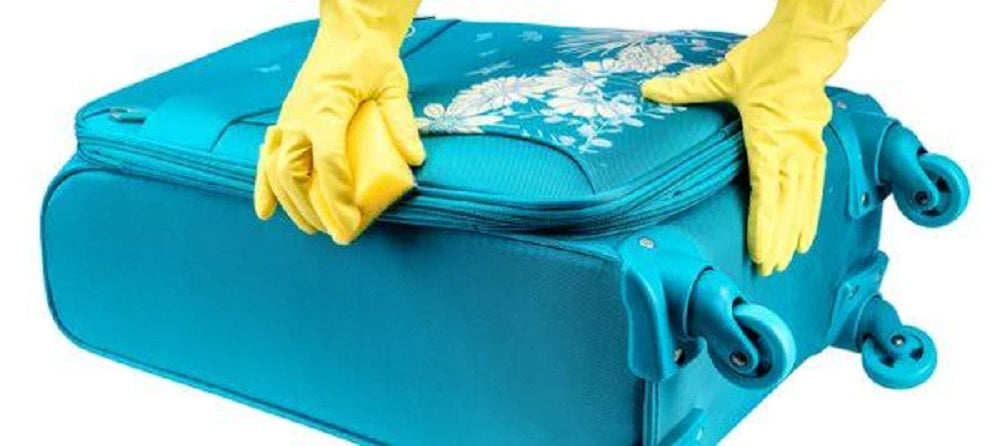
- Dip a cloth or sponge in the soapy water. Wring it out so it is damp, not wet.
- Wipe the fabric gently. Focus on stained areas but do not scrub too hard.
- Use an old toothbrush for seams and corners.
- Rinse the cloth in clean water and wipe away soap.
- Let it air dry fully before closing the suitcase.
Hard-shell Suitcases
- Vacuum or dust the outside first.
- Mix mild soap with water in a small bowl.
- Dip a soft cloth in the solution and wipe the shell.
- Scrub scuff marks with a sponge or brush, but use gentle pressure.
- Wipe with clean water to remove soap.
- Dry with a towel to prevent water spots.
Leather Suitcases
Leather needs gentle care.
- Wipe dust with a dry cloth.
- Use leather cleaner or mix a little soap with water.
- Damp a soft cloth and clean the leather in circles.
- Buff dry with a clean towel.
- Apply leather conditioner if needed. This keeps the leather soft.
Personal Tip: I once ruined a leather bag by using too much water. Remember, leather does not like to be soaked. Always use a damp, not wet, cloth.
Cleaning The Interior
The inside of your suitcase often collects hair, crumbs, and even spilled liquids. Cleaning it well can prevent odors and mold.
- Vacuum the inside using the hose and brush. Get into corners and pockets.
- Spot-clean stains with a mixture of mild soap and warm water. Use a sponge or cloth.
- Use a toothbrush for seams or stubborn spots.
- For fabric lining: Sprinkle baking soda, let it sit for 30 minutes, then vacuum. This removes odors.
- For plastic lining: Wipe with a cloth and soapy water. Rinse and dry.
- Let the suitcase air out with the zippers open for several hours.
Expert Insight: Most people forget to clean the pockets. I once found an old piece of candy in a side pocket after a trip. Check every compartment, even the hidden ones.
Removing Odors
Suitcases can smell bad after long trips, especially if you carry shoes or damp clothes. Here’s how to remove odors:
- Baking soda: Sprinkle it inside, close the suitcase, and let it sit overnight. Vacuum it out the next day.
- White vinegar: Fill a spray bottle with equal parts vinegar and water. Spray lightly inside (do not soak). Let it dry with the suitcase open.
- Dryer sheets or charcoal bags: Place one inside before storage. They absorb smells and keep your suitcase fresh.
Dealing With Stains
Common Stains And How To Treat Them
- Ink: Dab with rubbing alcohol on a cotton swab. Blot, do not rub.
- Grease: Sprinkle baking soda, let it sit, then vacuum and wipe with soapy water.
- Coffee or juice: Use a mix of soap and water. Blot gently.
- Mud: Let it dry, brush off, then clean with a damp cloth.
Test any cleaner on a small area first. This prevents damage or fading.
Cleaning Zippers, Handles, And Wheels
Suitcase zippers, handles, and wheels get dirty quickly. Keeping them clean helps your suitcase last longer.
Zippers
- Brush off dirt with a toothbrush.
- Wipe with a damp cloth.
- For sticky zippers, rub a little candle wax or bar soap along the teeth.
Handles
- Clean with soapy water and a cloth.
- For leather handles, use a leather cleaner.
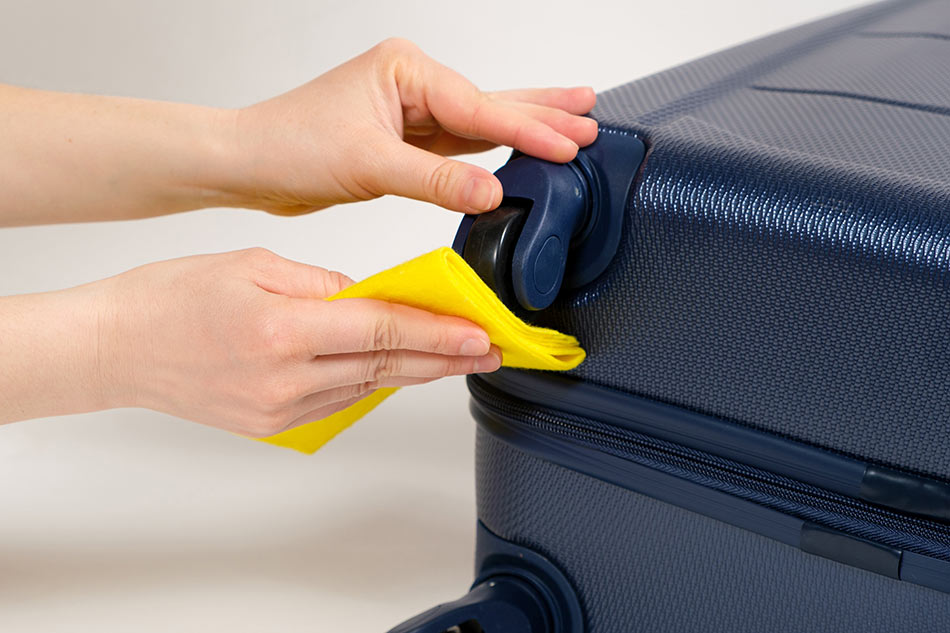
Wheels
- Remove hair or threads with tweezers.
- Wipe wheels with a damp cloth.
- Spray a small amount of disinfectant.
- Spin wheels to check for smooth movement.
Personal Experience: Once my suitcase wheel got stuck due to hair wrapped around it. Cleaning the wheels after every trip now saves me a lot of trouble.
Disinfecting For Germs And Bedbugs
Suitcases can carry germs and even bedbugs from hotels or public transport. Disinfecting is important, especially after international travel.
- Vacuum all parts to remove eggs or bugs.
- Spray disinfectant on both exterior and interior surfaces. Do not soak; just mist lightly.
- Wipe with a clean cloth. Focus on handles, zippers, and wheels.
- For extra safety: Place the suitcase in sunlight for a few hours. Heat kills most germs and insects.
If you suspect bedbugs, seal the suitcase in a large garbage bag and place it outside in the sun for a day.
Drying And Storing Your Suitcase
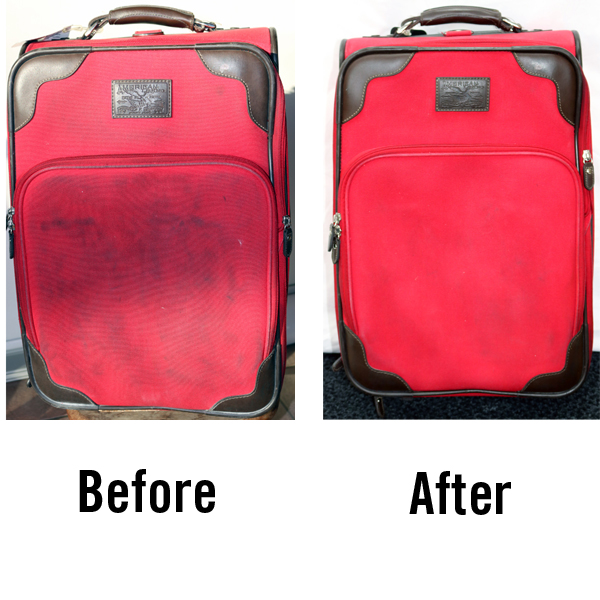
After cleaning, the suitcase must be completely dry before you store it. This prevents mold and bad smells.
- Open all compartments and leave the suitcase in a sunny, airy spot.
- Do not use a hair dryer or heat gun. These can damage fabric or plastic.
- For quick drying: Place a small fan next to the suitcase.
Once dry, store the suitcase with all zippers open a little. This lets air flow and stops odors. Put a dryer sheet or charcoal bag inside to keep it fresh.
Credit: stcroixcleaners.com
How Often Should You Clean Your Suitcase?
Cleaning depends on how often you travel and where you go.
- After each trip: Quick clean and vacuum.
- Every 3-6 months: Deep clean, especially if you use the suitcase often.
- After visiting high-risk places: Hotels, airports, or public transport can spread germs. Clean right away.
Tips For Keeping Your Suitcase Clean Longer
- Use packing cubes for clothes. This keeps spills and dirt away from the suitcase lining.
- Wrap shoes in plastic bags.
- Keep liquids in sealed bags to prevent leaks.
- Clean wheels and handles after every trip.
- Store your suitcase in a dry place away from pets and dust.
Many people skip these steps and then wonder why their suitcase smells or looks dirty. A little effort after each trip saves time later.
Comparison: Cleaning Methods For Different Suitcase Types
Here’s a quick look at how cleaning methods differ based on suitcase material.
| Suitcase Type | Main Cleaning Method | Special Care Needed |
|---|---|---|
| Fabric | Vacuum, mild soap, air dry | Avoid soaking, spot test cleaners |
| Hard-shell (Plastic/Polycarbonate) | Wipe with soapy water, rinse, towel dry | Avoid harsh chemicals, dry fully |
| Leather | Wipe, use leather cleaner, buff | Keep away from water, use conditioner |
Common Mistakes To Avoid
Many people make small mistakes when cleaning a suitcase. Here are some to watch out for:
- Using too much water: This can cause mold or damage, especially on fabric and leather.
- Scrubbing too hard: Can ruin fabric or scratch hard shells.
- Forgetting to clean wheels and handles: These parts collect the most germs.
- Not drying fully: Leads to bad smells and mold growth.
- Using bleach or harsh chemicals: These can fade colors and weaken materials.
Data: How Dirty Is The Average Suitcase?
You may be surprised at how many germs a suitcase can carry. Studies show that the handle of a suitcase has over 2,000 bacteria per square inch, which is more than a toilet seat. About 35% of travelers have found stains or odors in their suitcase after a trip.
With millions of bags passing through airports each day, it’s no wonder suitcases get dirty so quickly.
Comparison: Diy Cleaning Vs. Professional Cleaning
Wondering if you should clean your suitcase yourself or pay a professional? Here’s a comparison to help you decide.
| Aspect | DIY Cleaning | Professional Cleaning |
|---|---|---|
| Cost | Low (household supplies) | High ($20-$50 per bag) |
| Time | 30–60 minutes | 1–2 days |
| Effectiveness | Good for most dirt, stains | Best for deep stains, odor, mold |
| Convenience | Can do anytime | Have to drop off/pick up |
Most people find that home cleaning is enough for regular use. You may want professional help for old or expensive suitcases, or if you have a stubborn smell or stain that will not go away.
Credit: bagstogo.com.au
Travel Expert’s Advice: When To Replace A Suitcase
Cleaning helps a lot, but sometimes a suitcase is too old or damaged. Here’s how to know when it’s time for a new one:
- Cracked shell or frame
- Broken zippers that cannot be fixed
- Strong odor that does not go away
- Mold that returns after cleaning
- Handles or wheels that are loose or broken
If your suitcase shows these signs, it’s safer and easier to replace it.
What Most People Miss When Cleaning A Suitcase
Through years of travel, I’ve learned that the small details make a big difference. Here are two things beginners often forget:
- Cleaning the seams and folds: Dirt and bugs hide here. Use a toothbrush for these areas.
- Letting the suitcase air out after cleaning: Closing a damp suitcase is the fastest way to get mold.
These steps only take a few minutes but can extend the life of your suitcase by years.
Quick Reference: Suitcase Cleaning Steps
For easy recall, here’s a summary of the main steps:
- Empty and vacuum the suitcase.
- Wipe or wash the exterior (choose method based on material).
- Clean the interior and pockets.
- Treat stains and odors.
- Clean zippers, handles, and wheels.
- Disinfect if needed.
- Dry completely before storing.
Following these steps will keep your suitcase looking new and smelling fresh.
Additional Resources
For more about luggage care and cleaning, the Travel Goods Association offers expert tips at Travel Goods Association.
Frequently Asked Questions
How Can I Clean A Suitcase That Smells Bad?
Use baking soda or vinegar inside the suitcase. Let it sit overnight, then vacuum or wipe. Dryer sheets or charcoal bags also help.
Can I Use Bleach To Clean My Suitcase?
No, bleach can damage fabric and plastic. Use mild soap and water instead.
How Do I Clean Sticky Residue From Luggage Wheels?
Remove hair and dirt, then wipe with soapy water. For sticky residue, use a little rubbing alcohol on a cloth.
Is It Safe To Wash A Suitcase In A Washing Machine?
No, washing machines can damage the structure and lining. Always clean by hand.
How Can I Prevent Mold In My Suitcase?
Make sure the suitcase is completely dry before closing or storing. Store in a dry, cool place with a dryer sheet or charcoal bag inside.
Keeping your suitcase clean is not hard, but it does take a little time and care. With these steps, you will be ready for your next trip—safe, organized, and with a suitcase that lasts for years.

Zayden Halbrook is a travel enthusiast and gear researcher passionate about making every journey smoother and more enjoyable. With a keen eye for practical travel essentials and real-world tips, he helps readers choose the right gear and travel smarter. When he’s not testing travel kits or exploring new destinations, Zayden shares simple, reliable advice to make every trip stress-free.