62 linear inches luggage means the length, width, and height add up to 62 inches or less.
If you have ever read an airline baggage rule and wondered what “62 linear inches” means, you are not alone. This measurement is a standard size limit for many checked bags, but it is easy to misunderstand because it does not describe one side of the suitcase. This guide explains how to measure 62 linear inches luggage, which suitcase sizes qualify, what airlines usually allow, and how to avoid surprise fees at the airport.
What Is 62 Linear Inches Luggage?
62 linear inches luggage is a suitcase whose length, width, and height add up to no more than 62 inches. Airlines use this combined measurement to control the total size of checked baggage.
The formula is simple:
Length + width + height = total linear inches
For example, a suitcase that measures 30 inches long, 20 inches wide, and 12 inches high equals:
30 + 20 + 12 = 62 linear inches
That suitcase meets a 62-inch size limit. The three measurements do not need to match. A tall, narrow suitcase and a wide, shorter suitcase may both meet the same rule.
The term “linear inches” can sound technical, but it is really just a quick way to measure the outside size of a bag. Think of it as measuring the suitcase around its three main sides rather than measuring its volume.
How to Calculate Linear Inches
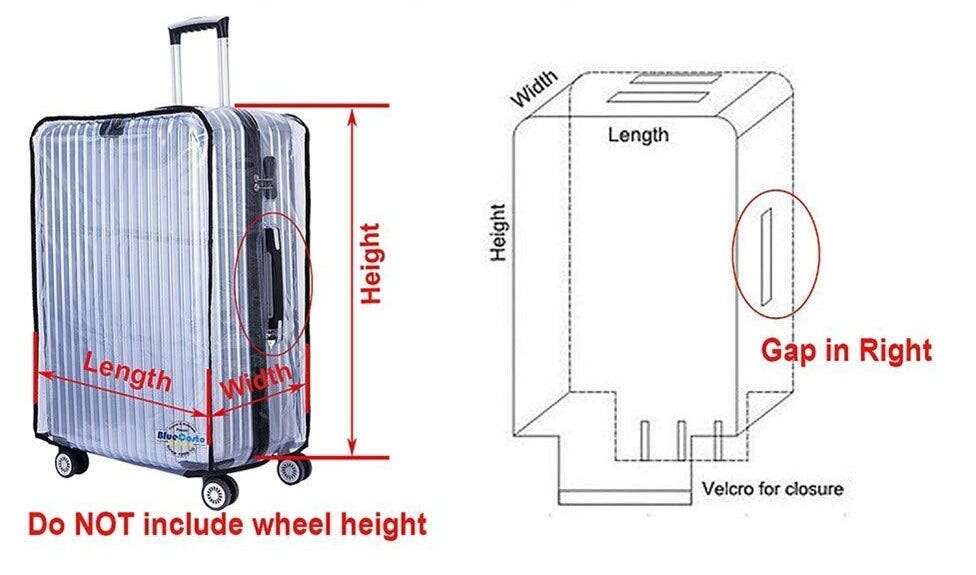
To calculate the size of 62 linear inches luggage, measure three parts of the bag:
- Length: The longest side of the suitcase
- Width: The side-to-side measurement
- Height: The distance from the bottom to the top
Add the three numbers together. The result is the bag’s linear measurement.
Here are several examples:
| Suitcase dimensions | Total measurement | Meets a 62-inch limit? |
|---|---|---|
| 28 × 18 × 16 inches | 62 inches | Yes |
| 30 × 20 × 12 inches | 62 inches | Yes |
| 32 × 19 × 11 inches | 62 inches | Yes |
| 29 × 20 × 14 inches | 63 inches | No |
| 31 × 21 × 13 inches | 65 inches | No |
A bag measuring 29 × 20 × 14 inches may look close to the limit, but its total is 63 inches. That extra inch may lead the airline to classify it as oversized.
Measure the bag when it is packed, not only when it is empty. A soft-sided suitcase can expand when full. That extra bulge may increase the width or depth enough to go over the limit.

Do Wheels and Handles Count?
Usually, yes. Airlines often measure the full outside dimensions of checked luggage, including wheels, handles, and other parts that stick out.
This detail causes many travelers trouble. A suitcase may be advertised as 62 linear inches based only on its main case. Once the wheels and handles are included, the actual size may be larger.
Before buying or flying with 62 linear inches luggage, check how the manufacturer lists its dimensions. Look for wording such as:
- Overall dimensions
* Exterior dimensions - Dimensions including wheels and handles
- Product dimensions
If the listing says 30 × 20 × 12 inches but does not explain what those numbers include, contact the seller or measure the bag yourself.
A soft tape measure works well. Measure from the farthest point on one side to the farthest point on the opposite side. Include every fixed part of the suitcase.

What Size Suitcase Is 62 Linear Inches?
There is no single suitcase size called a 62-inch suitcase. Many large checked bags can meet the limit if their three measurements add up to 62 inches or less.
Common examples include:
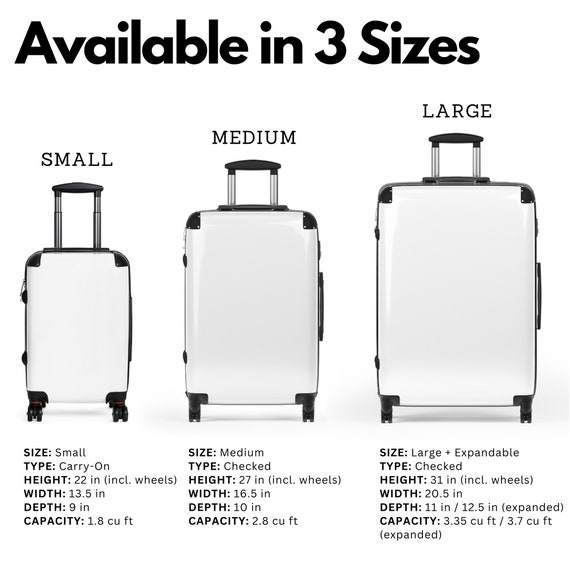
- 28-inch suitcase: Often around 60 to 62 linear inches
- 29-inch suitcase: Often around 61 to 63 linear inches
- 30-inch suitcase: May fit the limit, depending on its width and depth
- Large duffel bag: Can qualify if its packed dimensions stay within 62 inches
- Medium trunk: May qualify, but its boxy shape needs careful measurement
The label “28-inch luggage” does not guarantee that the bag meets the airline rule. One 28-inch model may measure 60 linear inches, while another may measure 64 inches because of its deep design and large wheels.
When shopping, focus on the total external dimensions rather than the suitcase height alone. This is one of the most useful lessons for anyone choosing 62 linear inches luggage.

Is 62 Linear Inches Luggage a Checked Bag?
In most cases, yes. The 62-inch limit is commonly used for standard checked baggage, especially on flights within the United States.
Carry-on bags follow different rules. Airlines usually measure carry-ons by their individual length, width, and height. A carry-on may need to fit in an overhead bin, so it is much smaller than a suitcase allowed under a 62-inch checked-bag rule.
A 62 linear inches luggage piece is generally too large and too heavy for the cabin. You should plan to check it at the airline counter or a self-service bag drop.
Checked bag rules often include two separate limits:
- Size: Commonly 62 linear inches
- Weight: Often 50 pounds for standard economy baggage
Meeting the size limit does not mean the bag meets the weight limit. A suitcase can be small enough but too heavy, or light enough but too large.

Why Do Airlines Use 62 Linear Inches?
Airlines use linear inches because the method works for many suitcase shapes. It gives them one simple number instead of creating separate rules for every luggage design.
The rule also helps baggage crews and aircraft systems handle bags safely. Very large luggage can take up more room in cargo areas and may be harder to move through airport equipment.
Most major US airlines use a standard checked bag size near 62 linear inches, but policies differ. Some airlines apply the rule to all checked bags. Others allow larger luggage for a fee, while some routes or ticket types have special terms.
Airline policies can also change based on:
- Travel route
- Fare type
- Frequent flyer status
- Military benefits
- Number of checked bags
- Partner airline rules
- Oversize and overweight limits
Always check the airline’s baggage page before your trip. The policy on your reservation may matter more than a general rule found online.

How to Measure 62 Linear Inches Luggage Correctly
Use these steps to measure your suitcase with less risk of error:
- Place the suitcase on a flat floor.
- Make sure it is packed as you plan to travel.
- Extend the handles only if they form part of the outside measurement.
- Measure the longest point from end to end.
- Measure the widest point from side to side.
- Measure the tallest point from bottom to top.
- Include wheels, corner guards, pockets, and fixed handles.
- Add the three measurements together.
- Leave a small safety margin if the total is close to 62 inches.
For example, imagine your packed suitcase measures 29 inches long, 19 inches wide, and 13 inches high. The total is 61 linear inches. That gives you a one-inch cushion.
A cushion is helpful because fabric can stretch, measuring tools can bend, and airport staff may measure from the widest outside points. I have seen travelers measure only the hard shell and forget the wheels. That small mistake can turn a legal bag into an oversized one.

What Happens If Your Bag Exceeds 62 Linear Inches?
If your suitcase exceeds the airline’s size limit, the carrier may charge an oversize baggage fee. The bag may still travel, but this is not guaranteed.
Possible outcomes include:
- The airline accepts the bag with an oversize fee.
- The airline charges both an oversize and overweight fee.
- The bag must be checked at a special counter.
- The airline places the bag under a larger baggage category.
- The airline refuses the bag if it exceeds the maximum size allowed.
Fees vary widely. Some carriers use a set oversize fee. Others calculate costs based on the route, fare, and total dimensions.
Do not assume that one extra inch will always be ignored. Some airport agents may allow a small difference, but travelers should not rely on discretion. A bag that measures 63 inches is technically outside a 62-inch rule.
The safest approach is to choose luggage that measures 60 or 61 linear inches when packed. That small buffer can prevent stress and reduce the chance of extra charges.

How Much Can You Pack in 62 Linear Inches Luggage?
The packing space depends on the suitcase shape, material, and design. Linear inches describe the outside size, not the inside capacity.
A boxy suitcase may hold more clothing than a narrow case with thick padding. Expandable luggage can also offer more room, but expansion may push the bag over the size limit.
For many travelers, a large suitcase within the 62-inch limit can hold:
- One to two weeks of clothing
- Several pairs of shoes
- Toiletries
- Folded jackets
- Small personal items
- Souvenirs with careful packing
Your packing method matters. Rolling soft clothing can save space, while packing cubes keep items organized. Heavy shoes should go near the wheels, and fragile items should sit in the center.
Avoid filling every inch. An overpacked suitcase may become too heavy, too wide, or difficult to close. It can also place stress on zippers and seams.
Weight Limits for Standard Checked Bags
Size and weight are separate baggage measurements. A 62 linear inches luggage piece may meet the size rule but still be overweight.
Many US airlines set a standard checked bag weight limit of 50 pounds for economy travelers. Some premium cabins and loyalty programs may allow a higher limit. International flights can have different rules.
Use a luggage scale before leaving home. Bathroom scales can help, but they are often less precise for large bags. A small hanging luggage scale is easier to use while traveling.
If your bag is too heavy, consider these options:
- Move shoes or books to another bag.
- Wear heavier clothing during the flight.
- Remove unnecessary packaging.
- Divide items between checked bags.
- Pay the overweight fee if it costs less than another bag.
Never assume that a large suitcase can weigh more simply because it is within the size limit. Airline staff normally check both measurements separately.