No luggage color has been proven to be more likely to be stolen in the United States. Theft risk depends more on where a bag is left, how easy it is to access, and whether it looks valuable than on its color.
If one color appears most often in baggage mix-ups and reported incidents, it is likely black or another dark neutral color. That does not mean black bags attract thieves. Black luggage is simply common, which creates more chances for accidental pickup and makes bags harder to tell apart.
A bright, unusual color can help you spot your bag faster. It may reduce the risk of someone taking it by mistake. But color alone is not a reliable theft deterrent.

Why black luggage is often linked with lost or stolen bags
Black luggage is common in the United States. Many travelers choose it because it looks clean, works for business trips, and is easy to match with other bags.
That popularity creates a large “exposure” problem. If most bags in a baggage claim area are black, many bags involved in mix-ups will also be black. This does not prove that black bags have a higher theft rate.
There is also a second issue: lost, misplaced, misidentified, and stolen are not the same thing.
- Misidentified: Another traveler takes your bag by mistake.
- Mishandled: An airline sends, delays, or routes your bag incorrectly.
- Lost: The bag cannot be located after a search.
- Stolen: Someone takes the bag without permission.
Public U.S. travel data usually groups baggage problems into broad categories. It does not normally compare theft rates by luggage color. The U.S. Department of Transportation tracks air travel complaints, and airlines track mishandled baggage. Neither source provides a reliable national ranking of stolen luggage colors.
That means claims such as “black luggage is stolen most often” should be treated as unproven unless they include a clear police or insurance dataset.

Does bright luggage reduce the chance of theft?
Bright luggage may reduce accidental pickup, but there is no strong evidence that it stops deliberate theft.
A red, yellow, orange, blue, or green bag is easier for you to identify. It also stands out on a baggage carousel. A person who grabs a bag by mistake may notice the difference before leaving the airport.
A deliberate thief may not care about the color. The thief may care more about:
- Whether the bag is unattended
- Whether the bag is in a public or poorly watched area
- Whether it looks expensive
- Whether the zipper or lock is easy to open
- Whether the bag contains items that can be resold
- Whether airport staff or other travelers are nearby
A bright color can also make a bag easier for security staff and witnesses to describe. That is useful if the bag goes missing. Still, visibility is not the same as protection.
The best color choice depends on your main risk
| Your main concern | A useful luggage choice | Why it helps |
|---|---|---|
| Accidental pickup | Bright or unusual color | Easier to recognize |
| Fast baggage claim | High-contrast color or bold pattern | Easier to see on the carousel |
| Professional appearance | Dark color with a bright strap | Keeps a simple look while adding contrast |
| Easy identification after loss | Any color with a clear ID tag | Gives staff a useful description |
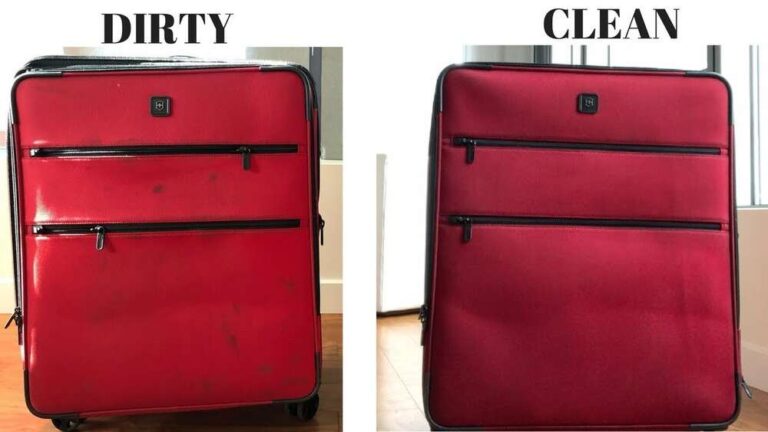
| Hiding signs of wear | Dark color | Scuffs and dirt may show less |
| Theft prevention | Any color plus good habits | Behavior matters more than color |
The practical choice for many travelers is a neutral bag with a bright luggage strap, large tag, or distinctive cover. You get a clean look and better visibility without relying on color as a security measure.

What makes luggage more attractive to thieves?
The contents and opportunity usually matter more than the exterior color.
A hard-shell suitcase with a luxury brand logo may suggest that it contains costly items. So might a business case, camera bag, or premium carry-on. A thief may also target a bag left alone in a hotel lobby, airport seating area, train station, or parking area.
The highest-risk situations often involve access and supervision:
- You leave the bag out of sight.
- The bag remains unattended for several minutes.
- The bag is in a crowded place where ownership is unclear.
- The bag contains visible valuables.
- The bag has an easy-to-open pocket.
- The bag is checked with fragile or valuable items inside.
A suitcase does not need to look expensive to be valuable. A plain black bag may hold a laptop, jewelry, medication, or travel documents. A bright bag may contain nothing of value.
This is why travelers should focus on opportunity control rather than color selection.
Items you should not place in checked luggage
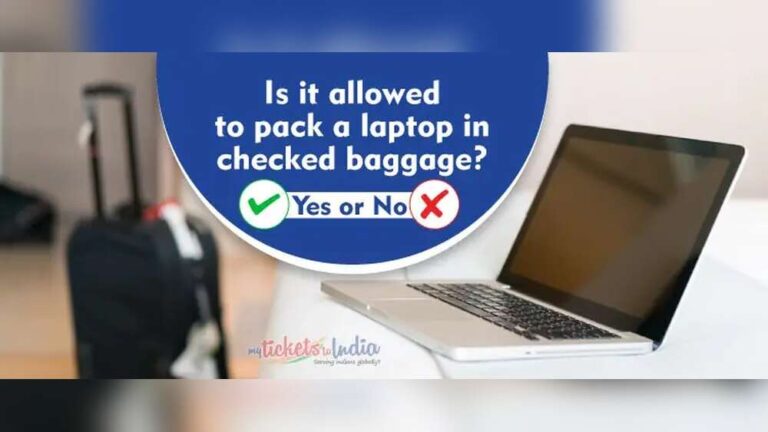
The exact rules can vary by airline and item, so check the current guidance from the Transportation Security Administration and your airline. As a general safety rule, keep important or valuable items with you when allowed.
Avoid placing these items in checked baggage unless the applicable rule clearly allows it and there is a strong reason:
- Cash
- Jewelry
- Passports and identity documents
- Prescription medicine
- Keys
- Laptops and tablets
- Cameras
- Essential work files
- Irreplaceable personal items
- Items needed during a delay
The TSA’s official screening guidance is a useful starting point, but the airline controls many baggage claims and transport conditions. Check both sources before a flight.

How to make any luggage easier to identify
Use several identification features instead of relying on color alone.
A luggage tag can fall off. A colored ribbon can tear. A sticker can peel away. Several simple markers give you a better chance of recovering the bag if one marker fails.
Try this setup:
1. Add a high-contrast strap or cover
Choose a strap or cover that is easy to describe. A solid neon color may work better than a common black strap.
Do not use a strap that blocks the suitcase handle or creates a snag risk. Check that it fits tightly before you travel.
2. Place contact information inside and outside
Put your name and a current way to contact you on the outside tag. Also place a paper with your name, phone number, and email inside the suitcase.
For privacy, avoid displaying your full home address in a highly visible way. A phone number or email address is often enough for initial contact.
3. Photograph the bag before travel
Take clear photos of:
- The front and back
- The luggage tag
- The brand and model
- Any scratches or marks
- The contents, if needed for an insurance claim
A photo can help an airline, airport, or police department identify the bag. It can also support a claim.
4. Record the baggage tag number
Airlines usually give you a baggage receipt or tag number when you check a bag. Keep it until you have collected the bag and checked its contents.
The number can help the airline trace the bag through its baggage system.
5. Use a tracker where permitted
A Bluetooth tracker may help you locate a missing bag, but it is not a theft-prevention device. It may show that the bag is still at the airport, in a vehicle, or at another location.
Before using one, check current airline and device rules. Keep the tracker charged. Do not confront someone based only on a tracker location. Give the information to the airline, airport police, or local law enforcement.

Is a luggage lock worth using?
A lock can discourage casual access, but it cannot guarantee that luggage will not be opened or stolen.
For flights departing from or within the United States, use a lock that airport security can open when required. The TSA explains its policy for recognized locks on its official website. A lock that cannot be opened during screening may be cut off.
A lock may help in these ways:
- It can slow down casual opening.
- It can show whether the bag was disturbed.
- It can keep zippers from sliding open accidentally.
- It may discourage a person looking for an easy target.
A lock does not make a suitcase theft-proof. A person can take the entire bag, damage the zipper, or remove the contents after opening it.
Do not put your only house key, essential medicine, or irreplaceable item in a locked checked bag. The lock supports good travel habits; it does not replace them.

How to lower your luggage theft risk in the United States
The safest approach is to reduce unattended time, protect valuables, and report problems quickly.
Use this checklist before and during your trip:
- Keep your bag beside you in public places.
- Do not leave luggage unattended in an airport, hotel lobby, restaurant, or rental-car area.
- Keep carry-on bags within sight during security and boarding.
- Use a hotel safe for items the hotel recommends storing there.
- Keep passports, medicine, cash, and electronics in your personal possession when possible.
- Do not advertise expensive contents.
- Check that every zipper is fully closed.
- Remove old airline tags before a new trip.
- Confirm the bag’s color, brand, size, and unique marks before leaving baggage claim.
- Do not take a similar-looking suitcase without checking the tag.
- Report a missing checked bag before leaving the airport when possible.
At a U.S. airport, start with the airline for a checked-bag problem. The airline can open a baggage tracing case and explain the claim process. For an item lost at a Transportation Security Administration checkpoint, use the TSA Lost and Found process. For suspected theft, consider contacting airport police or local law enforcement.
Your credit card, travel insurer, or homeowners or renters insurance may also have coverage. Read the policy limits and exclusions. Some policies require a police report, receipts, or prompt notice.

What color luggage should you buy?
Choose a color that you can identify quickly, then add a second visual marker.
There is no proven “safest” luggage color. The best choice depends on your priorities.
A bright bag is useful if you often travel through busy airports and want to find your suitcase fast. A dark bag may hide dirt and scuffs better. A patterned bag can be highly recognizable but may be harder to match with luggage covers or accessories.
A practical decision looks like this:
- Choose bright luggage if fast recognition is your main goal.
- Choose dark luggage if you value a classic look and less visible wear.
- Choose patterned luggage if you want a strong visual marker.
- Choose any color with a bright strap if you want both a simple bag and easy identification.
- Avoid choosing a bag only because you believe its color will stop theft.
The strongest setup is often a common-colored suitcase with uncommon details: a bright strap, a clear tag, a photo, and a tracker used within the applicable rules.

Common mistakes that increase luggage risk
Travelers often focus on the suitcase itself and overlook the moments when it is most exposed.
Leaving a bag unattended
A few minutes can be enough for someone to take a bag. Keep it with you, even in a place that feels safe.
Packing valuables in checked baggage
Airline liability may be limited for some items. A claim can also take time and require proof. Keep essential and high-value items in your carry-on when allowed.
Using only a small paper tag
A tiny tag can be hard to read or can tear away. Use an internal identification card and a durable external marker.