Airlines mishandle about 6.9 bags per 1,000 travelers, but permanent luggage loss is much rarer.
If you are asking how often does luggage get lost, the short answer depends on what “lost” means. Most bags called lost are delayed, misrouted, or held at another airport. Industry data gives a clearer picture: millions of bags are mishandled each year, yet only a small share never reaches the owner. This guide explains the real odds, common causes, timelines, airline duties, and simple ways to protect yourself.
How Often Does Luggage Get Lost?
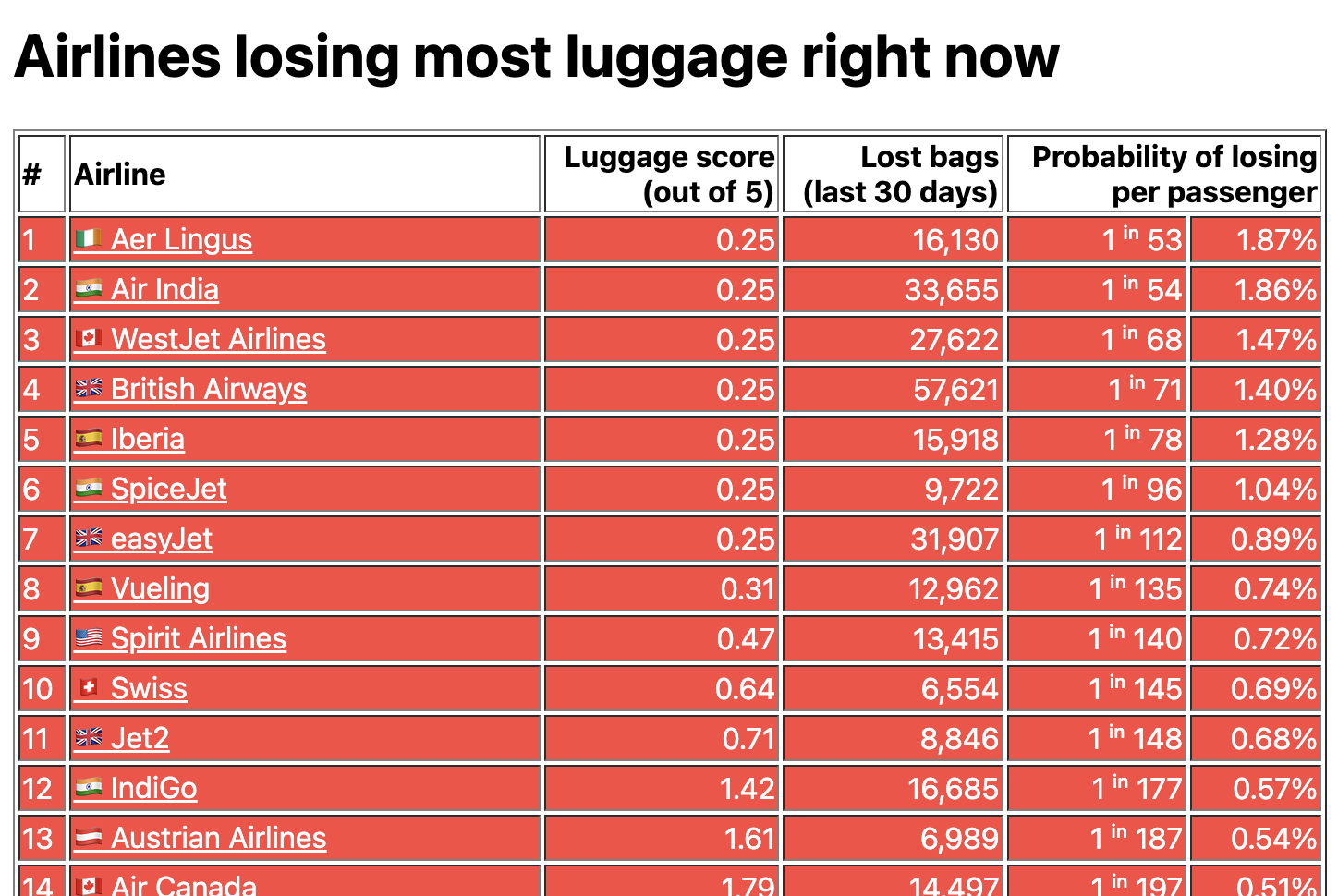
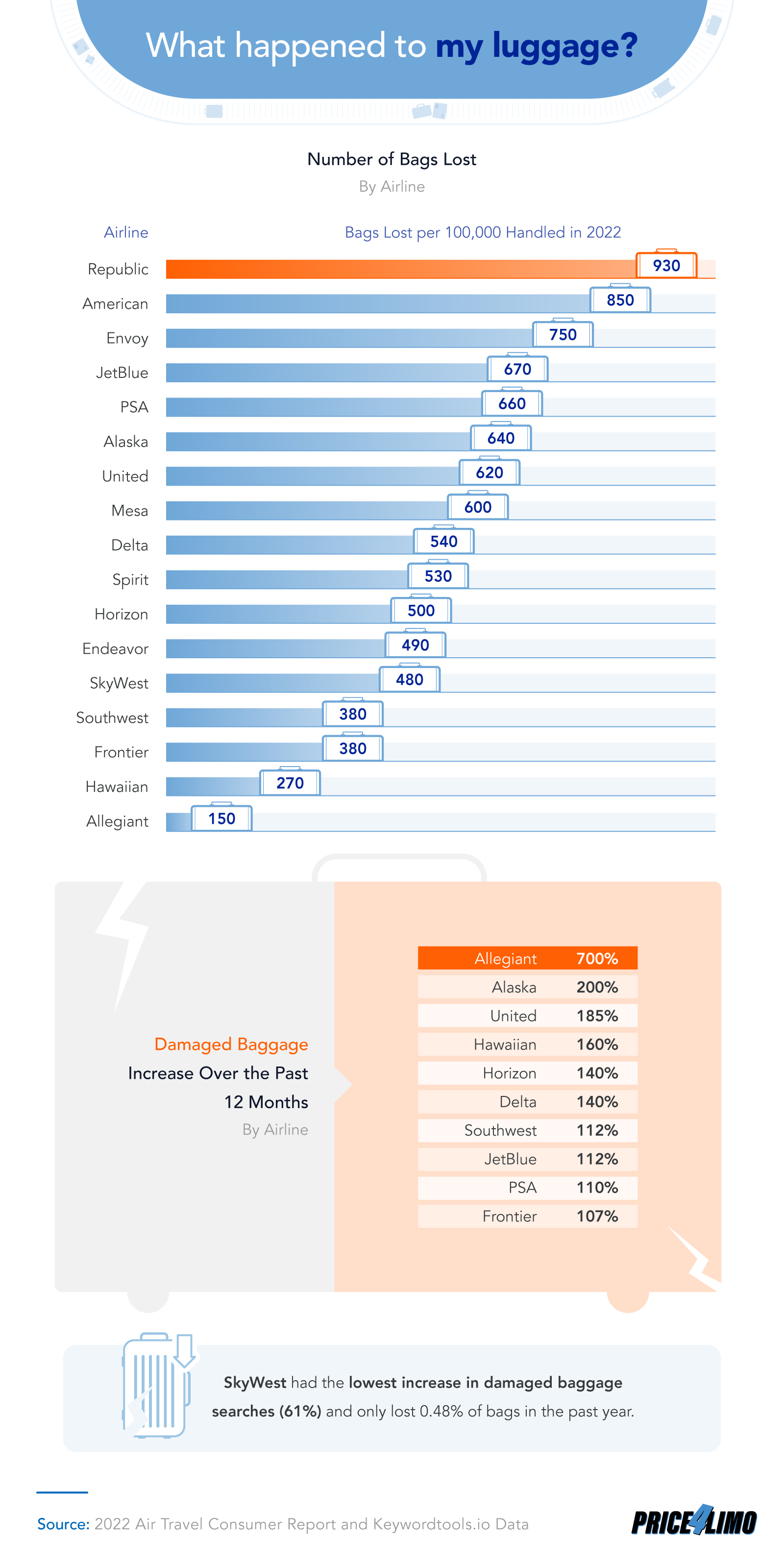
According to global airline baggage data, about 6.9 bags per 1,000 passengers were mishandled in 2023. That equals roughly 0.69%, or about 1 bag for every 145 travelers.
However, “mishandled” does not always mean permanently lost. This term can include bags that are:
• Delayed and delivered later
• Sent to the wrong airport
• Damaged during handling
• Missing items
• Held by airport security
• Permanently lost or stolen
Most mishandled bags are delayed, not gone forever. Global reports have found that delayed bags make up the largest share of baggage problems, while permanently lost bags represent a much smaller portion.
So, how often does luggage get lost forever? There is no single worldwide number because airlines use different reporting methods. Still, the available data shows that permanent loss is far less common than a temporary delay.
For a typical traveler, the risk is low. It rises when you take several connecting flights, check in close to departure, or travel during busy periods such as summer holidays.

What Does “Lost Luggage” Really Mean?
Airlines often use several terms for missing baggage. Knowing the difference can help you understand your rights and choose the right next step.
Delayed baggage
Delayed baggage has not arrived with you, but the airline still expects to find and deliver it. Many delayed bags arrive within 24 to 72 hours.
For example, your suitcase may remain on the plane during a short connection. It may then travel on the next available flight and arrive later that day.
Misrouted baggage
Misrouted luggage was sent to the wrong airport or placed on the wrong aircraft. This often happens when a baggage tag is scanned incorrectly or a bag misses a transfer.
A misrouted bag may look lost in the airline’s system. In many cases, staff can track it through barcode scans.
Lost baggage
Airlines may classify a bag as lost after a set period. The exact period can vary by airline and route, but 5 to 14 days is common for an international trip.
Some airlines use a shorter period for domestic flights. Until that deadline passes, the airline may still call the bag delayed.
Damaged or pilfered baggage
A damaged bag may have a broken wheel, torn fabric, or cracked shell. Pilfered baggage means something was removed from inside.
These problems count as baggage mishandling, but they are not the same as a missing suitcase.
Why Does Checked Luggage Go Missing?
There is no single answer to how often does luggage get lost because many events can lead to a missing bag. Most involve timing, transfers, tracking errors, or airport congestion.
Tight flight connections
Short connections create one of the biggest risks. You may have enough time to reach your next gate, but the baggage team may not have enough time to move your suitcase.
A 45-minute connection can feel comfortable to a passenger. For a bag, it may be an impossible race across a large airport.
Incorrect or damaged baggage tags
Baggage tags carry important routing data. If a tag is printed poorly, torn, or attached to an old tag, scanners may not read it correctly.
Always remove old airline tags before checking a bag. A clean tag gives the system a better chance of sending your suitcase to the right place.
Airport and airline transfers
Your luggage may pass through several teams during one trip. Ground crews, security staff, transfer agents, and airline workers may all handle it.
Each handoff creates another chance for a mistake. This is why direct flights usually have a lower risk of baggage problems than itineraries with multiple connections.
Weather and airport disruptions
Storms, heavy snow, hurricanes, and strong winds can delay baggage systems. A flight may depart while some bags remain behind for safety or timing reasons.
Large disruptions can also create a backlog. Your bag may be safe but waiting with thousands of others for a later flight.
Full flights and busy travel seasons
Airports handle more bags during holidays and peak summer travel. A busy system has less room for errors and delays.
The risk may also rise when flights are full and overhead or cargo space is limited. Airlines may remove some bags and send them on another aircraft.
Customs and security checks
A bag can be held for a security inspection or customs review. This does not always mean that it has disappeared.
If your baggage tracking stops at a certain airport, contact the airline before assuming the worst. The bag may be waiting for clearance.
Incorrect passenger information
A wrong name, phone number, or address can slow the return process. It may also make it harder for staff to match a suitcase to its owner.
Use your full name and current contact details when checking in. Place the same information inside the bag in case the outside tag comes off.

How Often Does Luggage Get Lost on Connecting Flights?
Connecting flights create more baggage risk than nonstop flights because your suitcase must move between aircraft. The more connections you take, the more transfers your bag must survive.
A single connection does not mean your luggage will disappear. Modern baggage systems use barcode scans and tracking tools to reduce errors. Still, each connection adds time pressure and another handoff.
The highest-risk situations often include:
• Very short layovers
• Connections at large, busy airports
• International transfers
• Flights booked on separate tickets
• Changes between unrelated airlines
• Connections during storms or major delays
• Rebooking after a canceled flight
Separate tickets deserve special attention. If Airline A takes you to a city and Airline B carries you onward, you may need to collect and recheck your bag. The airlines may not transfer it for you.
When booking, allow extra connection time. A longer layover may feel less convenient, but it gives both you and your luggage more breathing room.
Is Lost Luggage More Common on International Flights?
International flights can involve more baggage risk because they often include longer routes, multiple countries, customs checks, and airline transfers.
However, international travel is not automatically unsafe for checked bags. A nonstop international flight may be less risky than a domestic trip with two tight connections.
The key factors are:
• Number of flight segments
• Connection length
• Airport size
• Airline partnerships
• Customs procedures
• Weather and seasonal demand
• Whether you must recheck the bag
International passengers should also remember that baggage claim rules differ by country. Report a missing bag before leaving the airport when possible. Keep the baggage claim tag and the report reference number.
International air travel may also involve different compensation rules. The Montreal Convention can limit airline liability for baggage problems on many international journeys. Limits are based on special drawing rights and may change over time, so check the current rules for your itinerary.
What Should You Do If Your Luggage Is Lost?
Act quickly, but do not panic. Most missing bags are found through the airline’s tracing system.
1. Report the problem before leaving
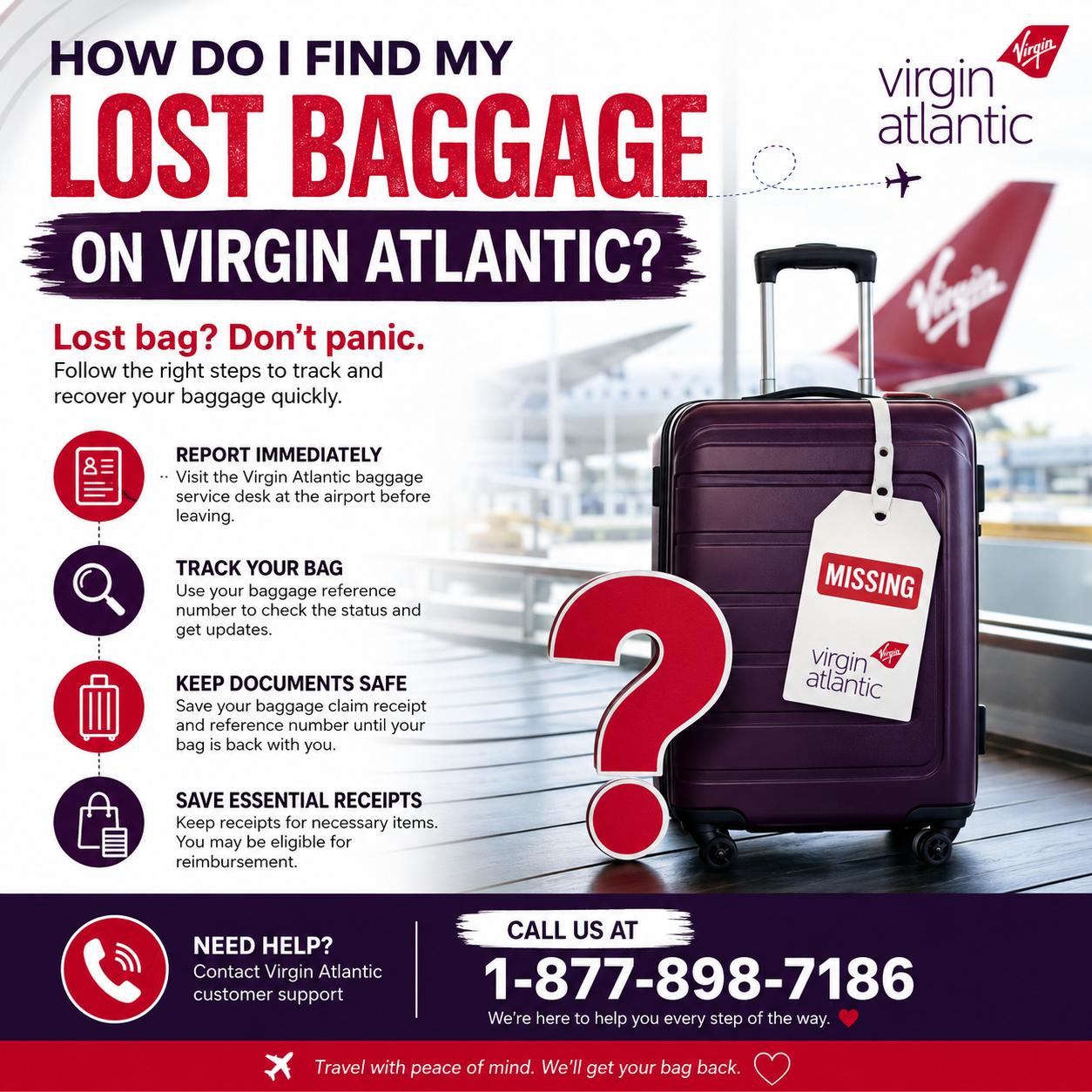
Go to the airline’s baggage service desk in the arrival area. Tell the agent that your suitcase did not arrive.
Ask for a Property Irregularity Report, often called a PIR. Write down the report number because you will need it to track the case.
2. Give clear bag details
Describe the suitcase in simple terms. Include its:
• Brand
• Color
• Size
• Distinctive marks
• Luggage tag
• Contents
• Tracking device, if used
A plain black suitcase can be hard to identify. A bright strap, ribbon, or unique tag may help staff spot it faster.
3. Provide a delivery address
Give the airline a reliable address and phone number. This could be your hotel, home, or a later travel stop.
Update the airline if you change locations. A found bag cannot reach you if the delivery details are out of date.
4. Keep receipts for essential purchases
If your bag is delayed, you may need basic items such as clothing, toiletries, or medicine. Buy only what you reasonably need.
Keep every receipt. Airlines and travel insurers may require proof before paying a reimbursement claim.
5. Track the claim
Use the airline’s website, app, or baggage phone line. Keep screenshots of updates and save all emails.
If the airline does not respond, contact its customer relations team. You may also have rights through your credit card or travel insurance policy.
6. File a written claim on time
A baggage report at the airport may not be the same as a formal compensation claim. Read the airline’s instructions and submit documents before the deadline.
Deadlines vary by airline, country, and type of baggage problem. Do not wait until the trip is over.
How Long Does It Take to Find Lost Luggage?
Many delayed bags return within one to three days. Some arrive within hours, especially when the bag was left behind on a previous flight.
The timeline depends on the cause. A bag with a readable tag is often easier to trace than one with no tag or incorrect information.
Airlines may continue searching for a bag for several days. If it does not appear after the airline’s official deadline, the claim may shift from delayed baggage to lost baggage.
During this period, stay organized. Keep your claim number, receipts, boarding passes, baggage tags, and messages in one folder.
A tracking device can provide helpful clues, but it does not replace an airline report. A location signal may show that your bag is in an airport, hotel, or aircraft area, but airline staff still control the recovery process.

How Much Can Airlines Pay for Lost Luggage?
Compensation depends on the route, airline policy, local law, and the facts of your case. Airlines may consider the value of the contents, the bag itself, and reasonable expenses caused by the delay.
For many international journeys, the Montreal Convention sets a maximum liability limit for baggage. This limit is not an automatic payment. You usually must show that the airline was responsible and provide supporting details.
Airlines may exclude or limit payment for certain items, such as:
• Cash
• Jewelry
• Electronics
• Important documents
• Fragile goods
• Perishable food
• Business samples
• Items packed against airline rules
Do not put passports, medicine, keys, valuables, or essential work items in checked luggage. If the airline asks for proof of value, receipts and photos can help.
Travel insurance may provide separate coverage. Read the policy before your trip because limits, exclusions, and deductibles vary widely.

How to Prevent Lost Luggage
You cannot remove all risk, but you can lower it. The goal is to make your bag easy to route, easy to identify, and easy to return.
Use these practical steps:
• Choose a nonstop flight when the price and schedule make sense.
• Allow at least 90 minutes for a busy connection when possible.
• Remove all old baggage tags.
• Photograph the suitcase and its contents before checking it.
• Put your name, phone number, and email inside and outside the bag.
• Add a bright strap or clear identifier.
• Use a luggage tracker if you understand its limits.
• Confirm that the tag shows the correct airport code.
• Keep the baggage receipt until you reach home.
• Pack medicine, documents, valuables, and one change of clothes in your carry-on.
• Do not overfill the bag or leave loose straps that can catch in equipment.
One lesson travelers often learn the hard way is that a carry-on does not need to hold everything. It only needs to protect the items you cannot afford to lose during the first day or two.
What to Pack in Your Carry-On
The best protection against luggage problems is a small backup plan. Pack items that would be difficult, expensive, or stressful to replace.
Consider carrying:
• Prescription medicine
• Identification and travel documents
• Credit cards and cash
• Phone chargers
• One change of clothing
• Basic toiletries
• Glasses or contact lenses
• Work items you need soon
• Valuable jewelry or electronics
• Important children’s items
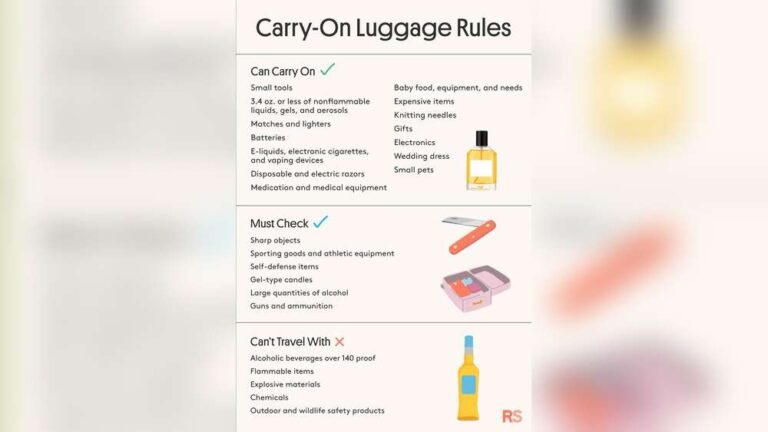
Keep liquids within the current airport security limits. Place documents and medication where you can reach them quickly.
I have seen travelers pack a full suitcase but leave their medicine and charger in checked baggage. That mistake turns a simple delay into a serious problem. A small carry-on can act like a safety net.
Does a Luggage Tracker Prevent Loss?
A luggage tracker does not prevent a bag from being lost. It can show the last known location and help you tell whether the bag is nearby.
Bluetooth trackers work best when compatible phones pass near them. GPS devices may offer wider tracking but can cost more and may require a subscription.
Use a tracker as an extra tool, not as proof that the airline has failed. Share the location with baggage staff and avoid entering restricted airport areas to retrieve the suitcase yourself.
A tracker is most useful when combined with:
• A clear baggage tag
• A photo of the suitcase
• An airline baggage report
• Up-to-date contact details
• A written record of the bag’s contents
Common Mistakes That Make a Lost Bag Harder to Recover
Small errors can slow down the search. Avoid these common mistakes:
Leaving the airport without reporting the issue
You may be tired after a long flight, but reporting the problem at once creates an official record.
Throwing away the baggage tag
The tag receipt helps connect your claim to the bag’s barcode. Keep it until your suitcase is safely home.
Giving a temporary address without updating it
If the airline finds your bag after you move to another hotel, delivery may fail. Update your address through the airline’s claim system.
Making large purchases without checking the policy
Buy reasonable essentials, not a new vacation wardrobe. Keep receipts and review the airline’s reimbursement rules.
Packing valuables in checked baggage
Airlines may limit responsibility for valuables. Carry these items with you whenever possible.
Assuming an insurance policy covers everything
Some policies exclude expensive electronics, sports equipment, or business property. Read the terms before relying on the coverage.
How Often Does Luggage Get Lost During Holidays?
Holiday travel can increase baggage problems because airports handle more passengers, more bags, and more schedule changes.
Thanksgiving, Christmas, New Year’s, spring break, and summer vacation periods often bring heavy demand. Weather can add another layer of trouble, especially during winter storms.
You can reduce holiday risk by:
• Arriving early
• Avoiding tight connections
• Choosing nonstop routes
• Carrying gifts instead of checking them
• Labeling bags with your full trip details
• Leaving extra time after arrival before important events
If you must attend a wedding, cruise, interview, or business meeting, arrive at least one day early. That choice gives you time to handle a delay without ruining the event.
Frequently Asked Questions About How Often Does Luggage Get Lost
How often does luggage get lost on a flight?
About 6.9 bags per 1,000 passengers were mishandled worldwide in 2023. Most were delayed or damaged, so permanent luggage loss happens less often than the headline figure suggests.
What percentage of lost luggage is never recovered?
There is no single global percentage because airlines define and report baggage loss differently. Most delayed bags are recovered, while a smaller share is formally declared lost after the airline’s search period.
Is luggage more likely to get lost on a connecting flight?
Yes, connecting flights generally create more risk because bags must move between aircraft. Tight layovers, several connections, separate tickets, and large airports can increase the chance of a delay.
How long before an airline considers luggage lost?
The time varies by airline and route. Many airlines treat a bag as lost after about 5 to 14 days, but you should report it immediately and follow the carrier’s claim process.
What should I do if my checked bag does not arrive?
Report the missing bag at the airline’s baggage desk before leaving the airport. Get a claim reference number, provide a delivery address, keep your baggage tag, and save receipts for reasonable essential purchases.
Does travel insurance cover lost luggage?
Many travel insurance plans offer baggage delay or baggage loss coverage, but limits and exclusions differ. Check the policy wording and keep reports, receipts, and proof of ownership.
Can I prevent my luggage from getting lost?
You cannot prevent every baggage problem, but you can lower the risk. Use nonstop flights when possible, avoid short connections, label your bag clearly, photograph it, and keep essential items in your carry-on.
Conclusion
How often does luggage get lost? Airline data shows that roughly 6.9 bags per 1,000 passengers were mishandled in 2023, but most of those bags were delayed rather than permanently lost. The greatest risks come from tight connections, busy airports, bad weather, incorrect tags, and complex itineraries.
Choose practical protection over worry. Pack essentials in your carry-on, keep your baggage receipt, report problems quickly, and save every claim document. Check your airline’s baggage rules before your next trip, and share your own luggage lessons in the comments.

Zayden Halbrook is a travel enthusiast and gear researcher passionate about making every journey smoother and more enjoyable. With a keen eye for practical travel essentials and real-world tips, he helps readers choose the right gear and travel smarter. When he’s not testing travel kits or exploring new destinations, Zayden shares simple, reliable advice to make every trip stress-free.