No, Sprayground backpacks are not officially smell proof, though their coated fabric may reduce light odors for a short time.
Sprayground backpacks are known for bold designs, sturdy materials, and useful storage, but odor control is a different matter. After reviewing how backpack fabrics, zippers, linings, and odor barriers work, I can say that most Sprayground bags should not be treated as airtight or smell-proof containers. This guide explains what they can do, where they fall short, and how to reduce unwanted smells safely.
Are Sprayground backpacks smell proof?
No, most Sprayground backpacks are not smell proof. Sprayground does not generally market its standard backpacks as airtight, odor-blocking, or designed to contain strong smells.
Many Sprayground bags use durable polyester or similar coated fabrics. These materials can resist light moisture and surface dirt, but they do not create a true odor barrier. Smells can move through gaps around the zipper, seams, pockets, and fabric panels.
A smell-proof bag usually has special features such as:
• An airtight inner liner
• A reliable zipper seal
• Activated carbon or charcoal layers
• Heat-sealed seams
• Materials tested for odor containment
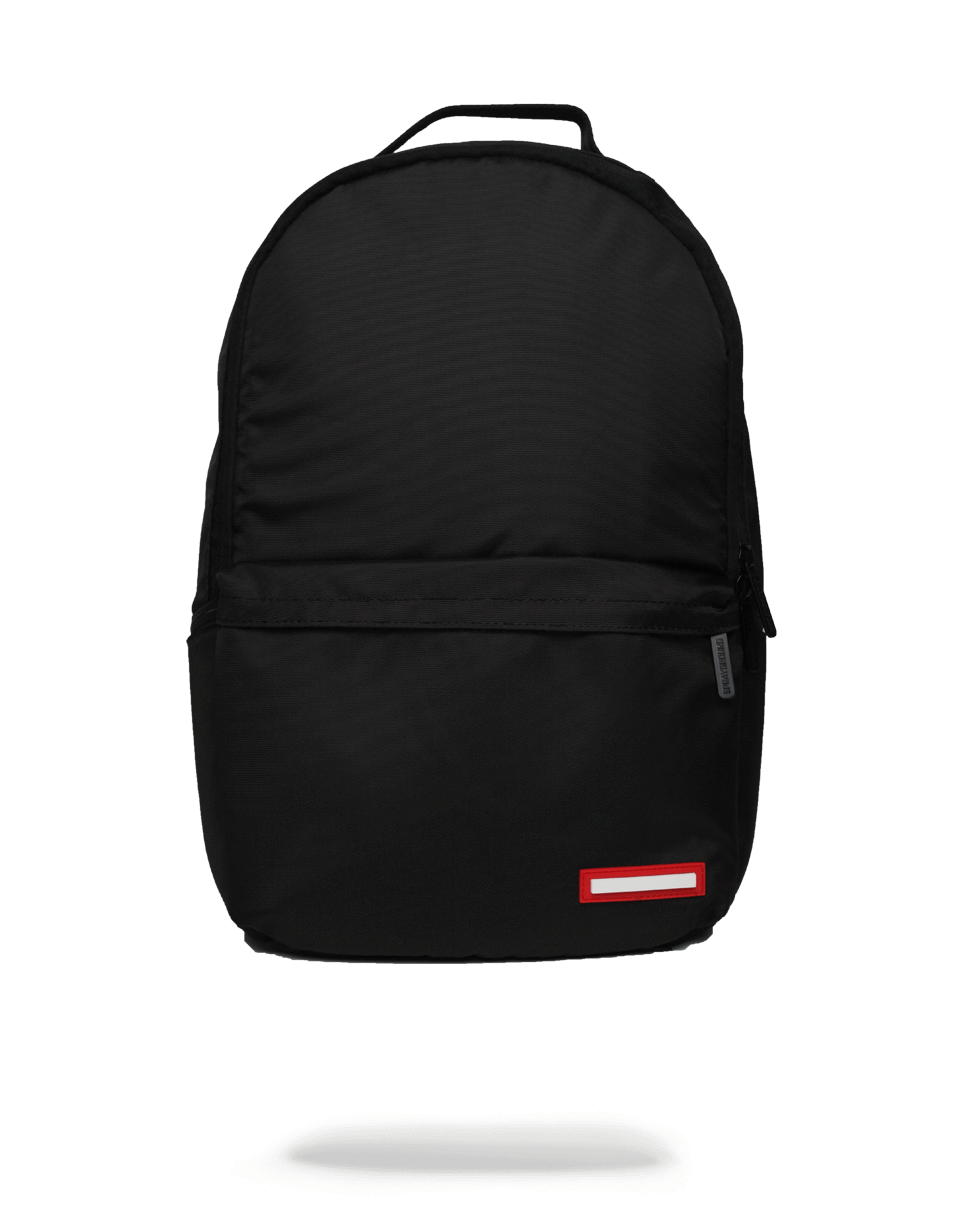
A typical Sprayground backpack is made for daily use, school, travel, fashion, and streetwear. It is not built like a laboratory storage pouch or a certified odor-control case.
Why Sprayground backpacks can hold odors
Even when a backpack looks clean, it can trap smells inside. Odor molecules cling to fabric, foam padding, dust, food crumbs, and moisture. The longer these materials stay inside the bag, the harder the smell becomes to remove.
Common odor sources include:
• Gym clothes and sports shoes
• Lunch containers and spilled drinks
• Wet towels or swimwear
• Smoke from cigarettes or cooking
• Pet items
• Damp books or school supplies
• Strong perfumes and sprays
The inside of a backpack acts like a small room. If air cannot move well, moisture and odor stay trapped. A coated outer shell may slow water entry, but it does not stop smell from spreading through the bag.
This is why the answer to “are Sprayground backpacks smell proof” remains no, even if a new bag seems to have little odor. A clean, dry bag may smell neutral at first, but it can still absorb strong odors over time.
What materials are used in Sprayground backpacks?
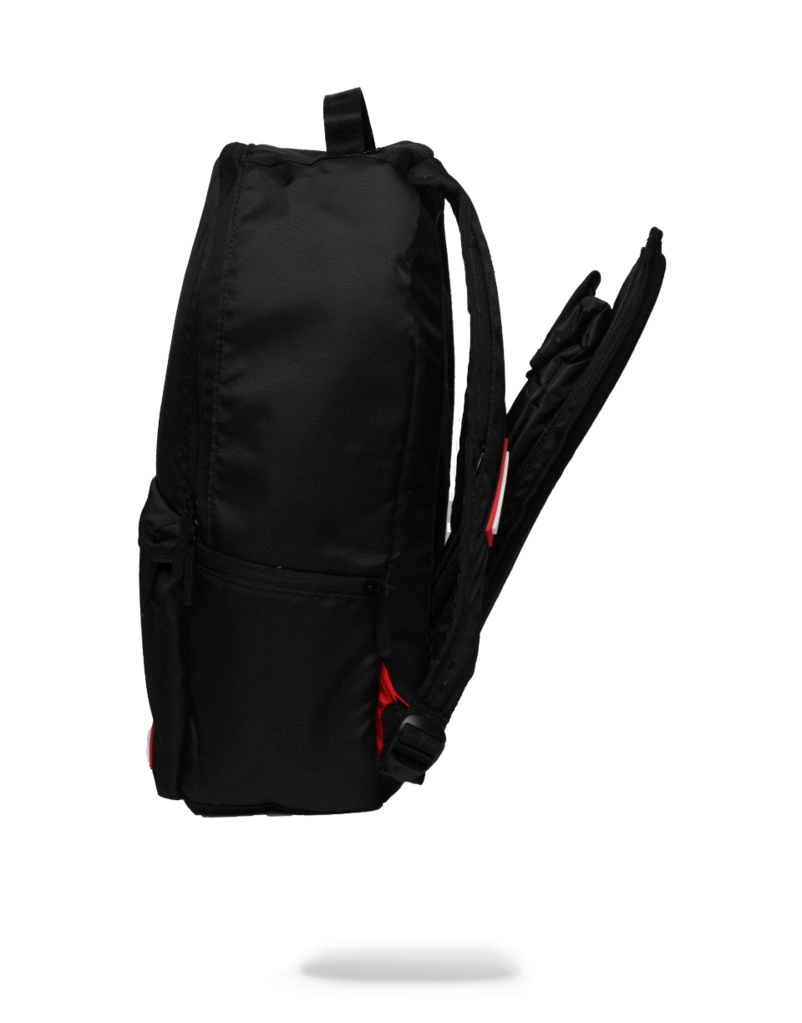
Sprayground backpacks vary by collection and model. Many use synthetic textile materials, including polyester, with printed outer panels and padded sections. Some models also include mesh pockets, smooth linings, rubber details, metal hardware, and foam-backed areas.
These materials offer useful benefits:
• They are light enough for daily carrying
• They can handle normal travel and school use
• Many surfaces are easier to wipe than cotton
• Printed coatings add style and some surface protection
• Padded sections help protect laptops and other items
However, these features do not equal odor protection. Polyester can still hold odors, especially when sweat, moisture, oils, or food residue reach the lining. Foam padding may also retain smells because it has many tiny spaces where odor particles can settle.
The design can also affect odor. A bag with many compartments gives you more places to store items, but it also creates more corners where crumbs, damp fabric, and dust can collect.
Sprayground backpack odor resistance versus smell proof protection
Odor resistance and smell proof protection are not the same thing.
An odor-resistant material may slow the growth of odor-causing bacteria or make cleaning easier. A smell-proof bag is designed to contain odors and prevent them from escaping. It needs a strong seal, not just a durable outer fabric.
Think of the difference like this:
• Odor resistant is similar to a rain jacket that sheds light water
• Smell proof is similar to a sealed jar that keeps its contents from reaching the air
Most Sprayground backpacks fall closer to standard, easy-care daily bags. They may resist a small spill for a short time, especially if the liquid stays on the outer coating. They are not designed to contain strong scents from wet clothing, food, smoke, or other odor sources.
This distinction matters if you plan to carry items with a noticeable smell. A stylish backpack can be practical, but it should not replace a sealed odor-control pouch.

Can you make a Sprayground backpack more smell proof?
You can make a Sprayground backpack better at limiting odors, but you cannot turn it into a fully certified smell-proof bag. The best approach is to place odor-producing items inside a separate sealed container before putting them in the backpack.
Useful options include:
• A high-quality airtight storage pouch
• A leak-resistant food container
• A washable dry bag
• A sealed toiletry case
• A reusable silicone bag
• A small odor-control pouch with activated carbon
Choose a container that matches the item. Wet clothes need a waterproof pouch. Food needs a leak-resistant container. Strong-smelling personal items need a pouch with a reliable seal and enough room to close properly.
Do not spray heavy perfume inside the backpack. Perfume often mixes with the original odor instead of removing it. It can also stain the lining and create an even stronger smell.
How to clean a Sprayground backpack safely
Always check the care instructions for your specific model first. Different prints, coatings, trims, and linings may react differently to water or cleaning products.
A gentle cleaning process usually works well:
- Empty every pocket and shake out crumbs and dust.
- Remove loose dirt with a soft brush or dry cloth.
- Mix a small amount of mild soap with lukewarm water.
- Test the mixture on a hidden area.
- Wipe the outer fabric and lining with a damp cloth.
- Use a soft toothbrush for seams and corners.
- Wipe away soap with a clean, damp cloth.
- Leave the backpack open to air-dry fully.
Avoid bleach, harsh solvents, abrasive brushes, and strong alcohol cleaners. These products can fade printed designs, weaken coatings, or damage synthetic trim.
Never store the bag while it is damp. Moisture is one of the main causes of musty backpack odors. Drying the bag completely is often more effective than using a scented product.
How to remove a musty smell from a Sprayground backpack
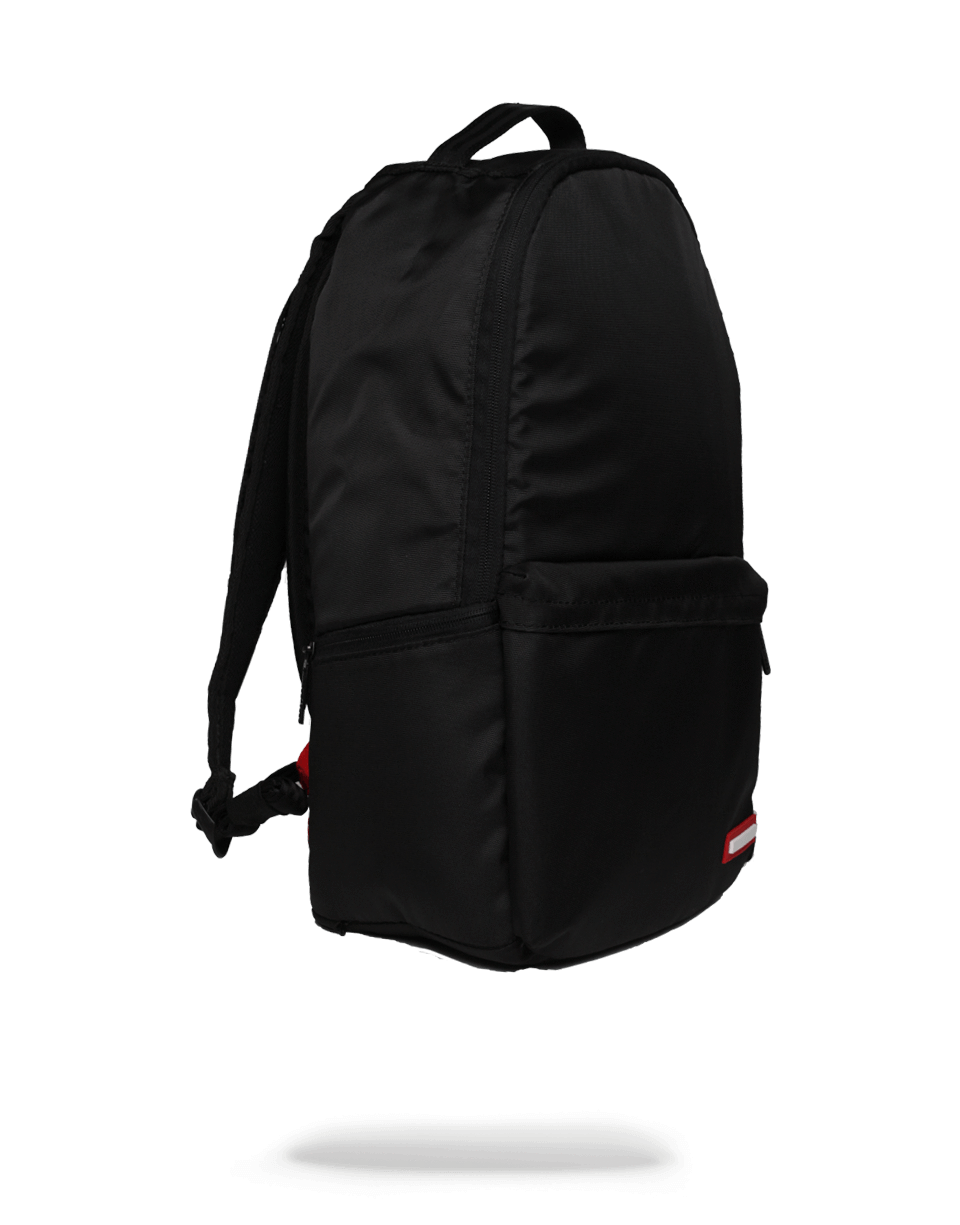
A musty smell often points to trapped moisture. Before treating the odor, find the cause. Check for damp clothing, an old food spill, wet paper, or water inside a hidden pocket.
Try this process:
• Empty the backpack completely
• Clean visible residue with mild soap and water
• Place the open bag in a dry, shaded area
• Use a fan to improve air movement
• Put activated charcoal nearby, not loose against delicate fabric
• Let the bag dry for one to two days
• Repeat the cleaning process if needed
Direct sunlight can help dry some materials, but strong sun may fade colorful prints. Use shade and good airflow when possible.
Baking soda can absorb some odors, but loose powder may enter zippers, seams, and padding. If you use it, place the baking soda in a breathable cloth pouch or open container inside the bag. Do not mix it with vinegar inside the backpack, because the reaction mainly creates water and carbon dioxide rather than lasting odor control.
Common mistakes that make backpack odors worse
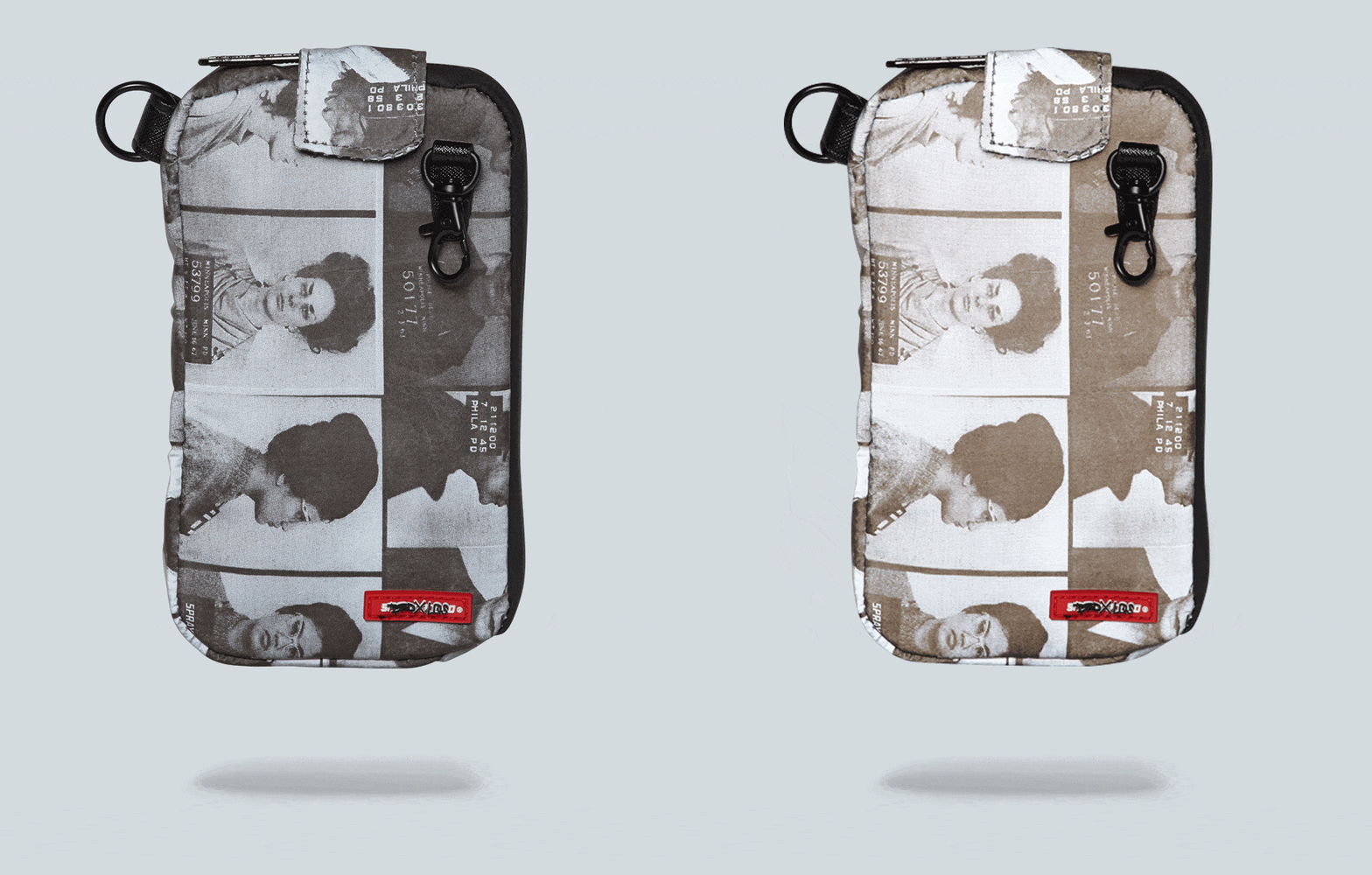
Many odor problems come from simple habits rather than the backpack itself. A wet towel left in a closed pocket can create a musty smell within hours. A takeout container with a small leak can spread food odor through the lining.
Avoid these mistakes:
• Packing damp clothes without a dry bag
• Leaving food waste in an inner pocket
• Closing the backpack before it is fully dry
• Using strong fragrance to cover the smell
• Washing the bag in a machine without checking the label
• Storing the backpack in a damp closet
• Carrying wet shoes without ventilation
In practical bag care, prevention is easier than restoration. I recommend a quick pocket check at the end of each day. It takes less than a minute and can prevent stains, mold growth, and stubborn odors.
If a backpack develops visible mold, a deep persistent smell, or damaged lining, stop using it until it has been cleaned and dried properly. People with allergies or asthma should take extra care around mold and strong cleaning chemicals.
Are Sprayground backpacks good for gym clothes?
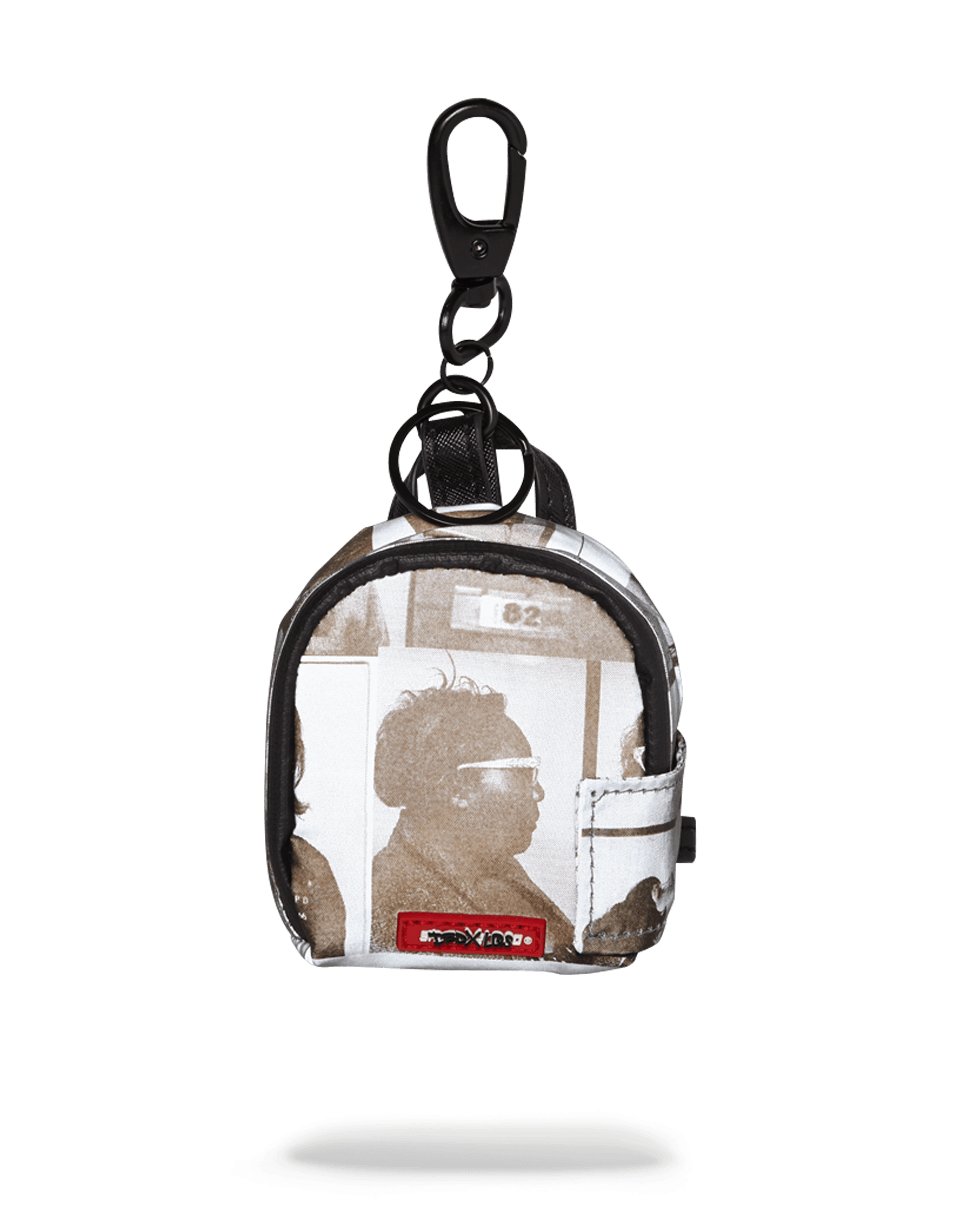
Sprayground backpacks can carry gym clothes, but they are not ideal for storing sweaty or wet items without protection. Sweat contains moisture, skin oils, and bacteria that can transfer to the lining.
Use a separate washable laundry bag inside the backpack. Let shoes and clothing dry before packing them when possible. A ventilated shoe pouch can also keep odor from spreading to the rest of the bag.
For daily gym use, look for these features:
• A separate shoe compartment
• Ventilation panels
• A washable inner liner
• Space for a waterproof clothing pouch
• Easy-to-clean surfaces
If your Sprayground model does not have these features, you can add them with low-cost packing accessories. This setup helps control odors without changing the backpack.
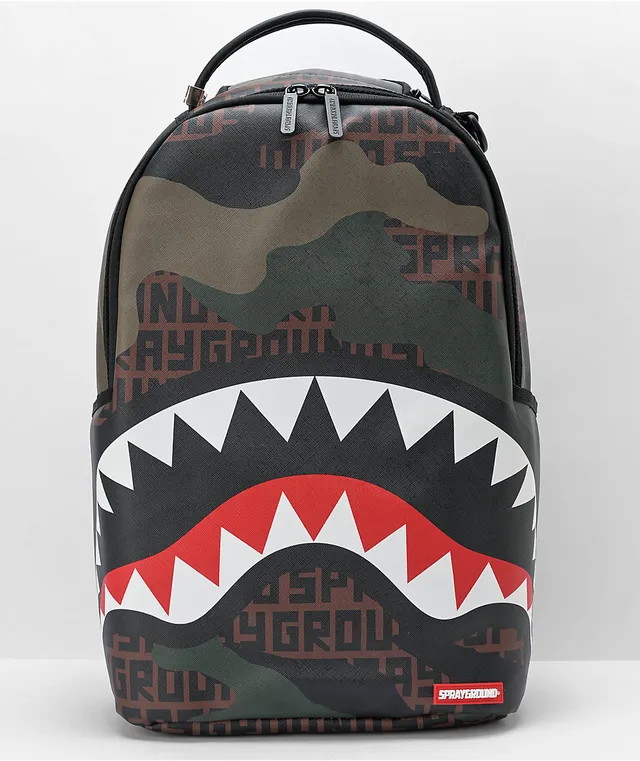
Are Sprayground backpacks suitable for food?
Sprayground backpacks can carry food, but food should stay in a sealed container. The backpack itself is not a food-safe cooler or leak-proof lunch bag unless the specific model clearly says so.
Soups, sauces, dairy products, and oily foods can leak into seams and padding. Once that happens, the smell may remain even after surface cleaning. Use a hard-sided lunch container or leak-resistant bag, and keep it upright.
For extra protection:
• Pack drinks with secure lids
• Wrap items that may leak
• Keep food away from electronics
• Clean spills as soon as possible
• Remove all food containers at the end of the day
This is another reason the answer to “are Sprayground backpacks smell proof” is no. The bag can transport food, but it does not provide the sealed protection needed to contain food odors or leaks.
What to look for in a truly smell-proof backpack
If odor containment is your main goal, focus on the construction rather than the brand name or appearance. Product descriptions should clearly mention odor control, airtight storage, carbon filtration, or sealed construction.
Important features include:
• A double zipper with a tight seal
• Heat-sealed or welded seams
• A replaceable activated carbon filter
• A waterproof inner liner
• Independent odor-control testing
• Clear care and use instructions
Be careful with vague phrases such as “odor resistant” or “discreet design.” These terms do not always mean that a bag has been tested for smell containment.
A smell-proof backpack may also have limits. Frequent opening, a damaged zipper, overloaded seams, or a strong odor source can reduce its effectiveness. No soft bag should be treated as completely scent-free under every condition.
How long does a Sprayground backpack stay fresh?
There is no fixed time. A clean, dry Sprayground backpack may stay fresh for years with regular care, while a bag used for wet sports gear can develop an odor in a single day.
Freshness depends on:
• What you carry
• How often you clean the bag
• Whether moisture enters the lining
• How well the bag dries
• Where you store it
• Whether odor sources are sealed separately
A simple weekly cleanout helps. Remove paper scraps, wrappers, clothing, and containers. Once a month, inspect the seams, bottom panel, and hidden pockets for dirt or moisture.
The best odor-control routine is simple: keep the inside dry, seal strong-smelling items, and allow air to circulate after use.
Frequently Asked Questions About Are Sprayground Backpacks Smell Proof
Are Sprayground backpacks designed to block odors?
No. Standard Sprayground backpacks are designed mainly for carrying personal items, school supplies, electronics, and travel gear. They do not normally include the airtight seals or carbon layers found in dedicated smell-proof bags.
Can a Sprayground backpack contain the smell of weed or smoke?
Not reliably. Smoke and cannabis odors can cling to polyester, foam, zippers, and inner lining, so a normal Sprayground backpack may allow the smell to escape. Use a properly sealed odor-control container instead of placing the item directly inside the backpack.
Can I put sweaty clothes in a Sprayground backpack?
Yes, but place them in a washable, waterproof laundry pouch first. Wet clothes left directly inside the backpack can create a musty smell and may damage or stain the lining.
How do I deodorize a Sprayground backpack?
Empty the bag, remove dirt, wipe it with mild soapy water, and let it dry fully in a shaded, well-ventilated place. Activated charcoal in a breathable pouch may help absorb remaining odors.
Can I wash a Sprayground backpack in a washing machine?
Do not assume that machine washing is safe. Printed coatings, padding, trims, and hardware may be damaged, so check the care label and use gentle hand cleaning unless the manufacturer gives different instructions.
Does a waterproof Sprayground backpack also stop smells?
No. Waterproofing and odor containment are different features. A water-resistant surface may slow liquid entry, but it does not make the zippers, seams, and fabric airtight.
Conclusion
Sprayground backpacks are stylish, useful, and durable for many everyday needs, but they are not generally smell proof. Their fabrics may resist light moisture and make surface cleaning easier, yet they do not provide the sealed construction needed to contain strong odors.
Keep wet clothes, food, shoes, and other odor sources in separate sealed pouches. Clean spills quickly, dry the backpack completely, and avoid using fragrance as a cover-up. If reliable odor containment matters, choose a purpose-built smell-proof bag and use the Sprayground backpack as an outer carrier.
Have a Sprayground backpack with an odor problem? Try the cleaning and storage steps above, then share your experience or explore more backpack care guides for practical solutions.

Zayden Halbrook is a travel enthusiast and gear researcher passionate about making every journey smoother and more enjoyable. With a keen eye for practical travel essentials and real-world tips, he helps readers choose the right gear and travel smarter. When he’s not testing travel kits or exploring new destinations, Zayden shares simple, reliable advice to make every trip stress-free.