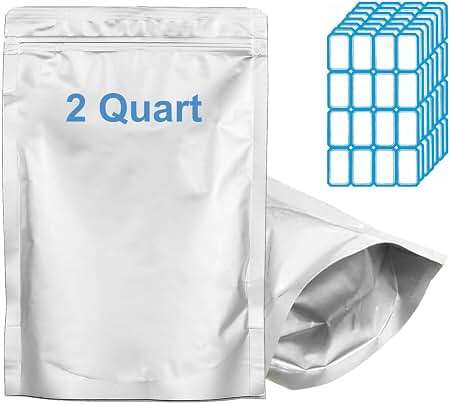
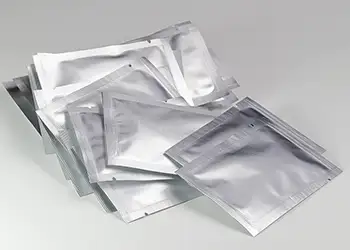
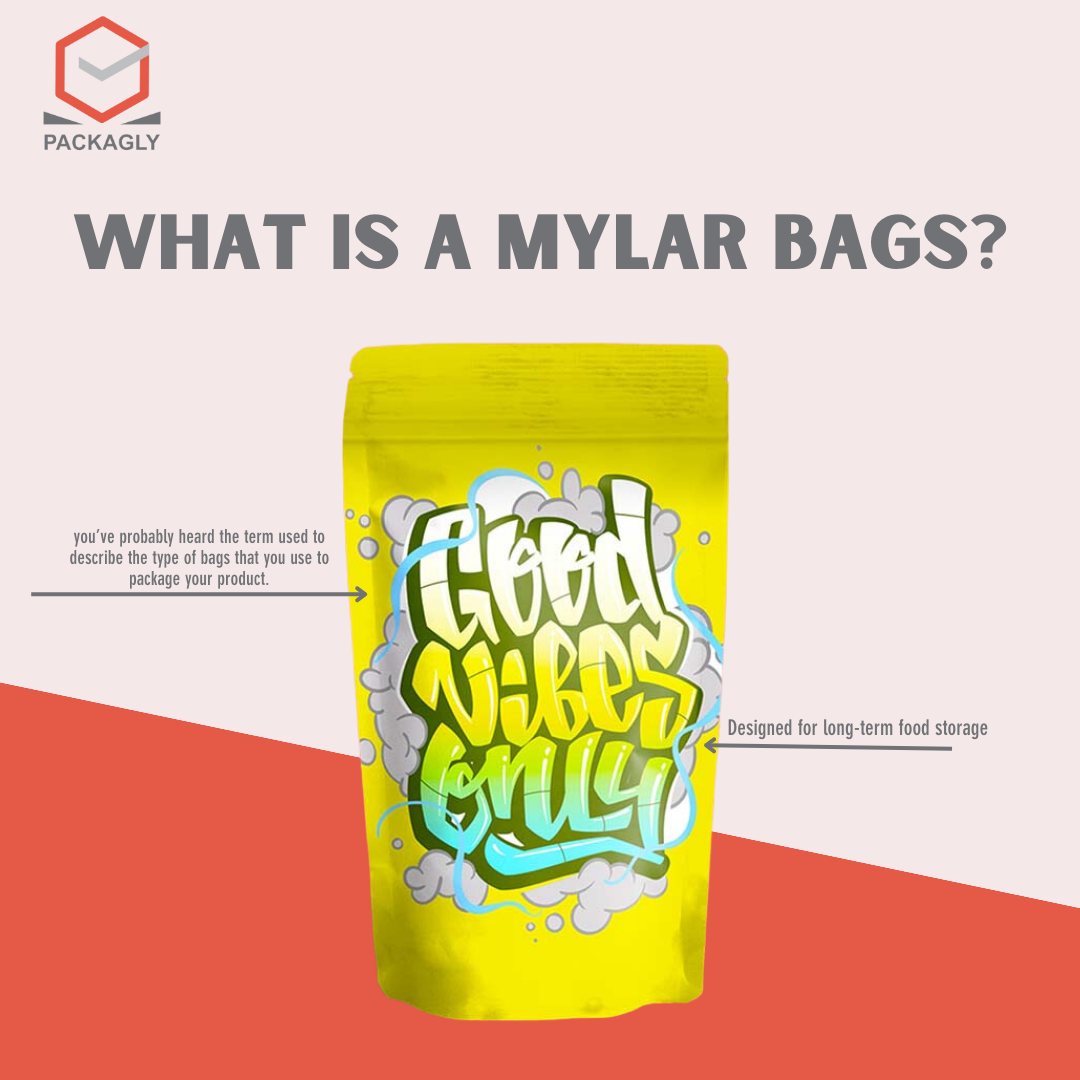
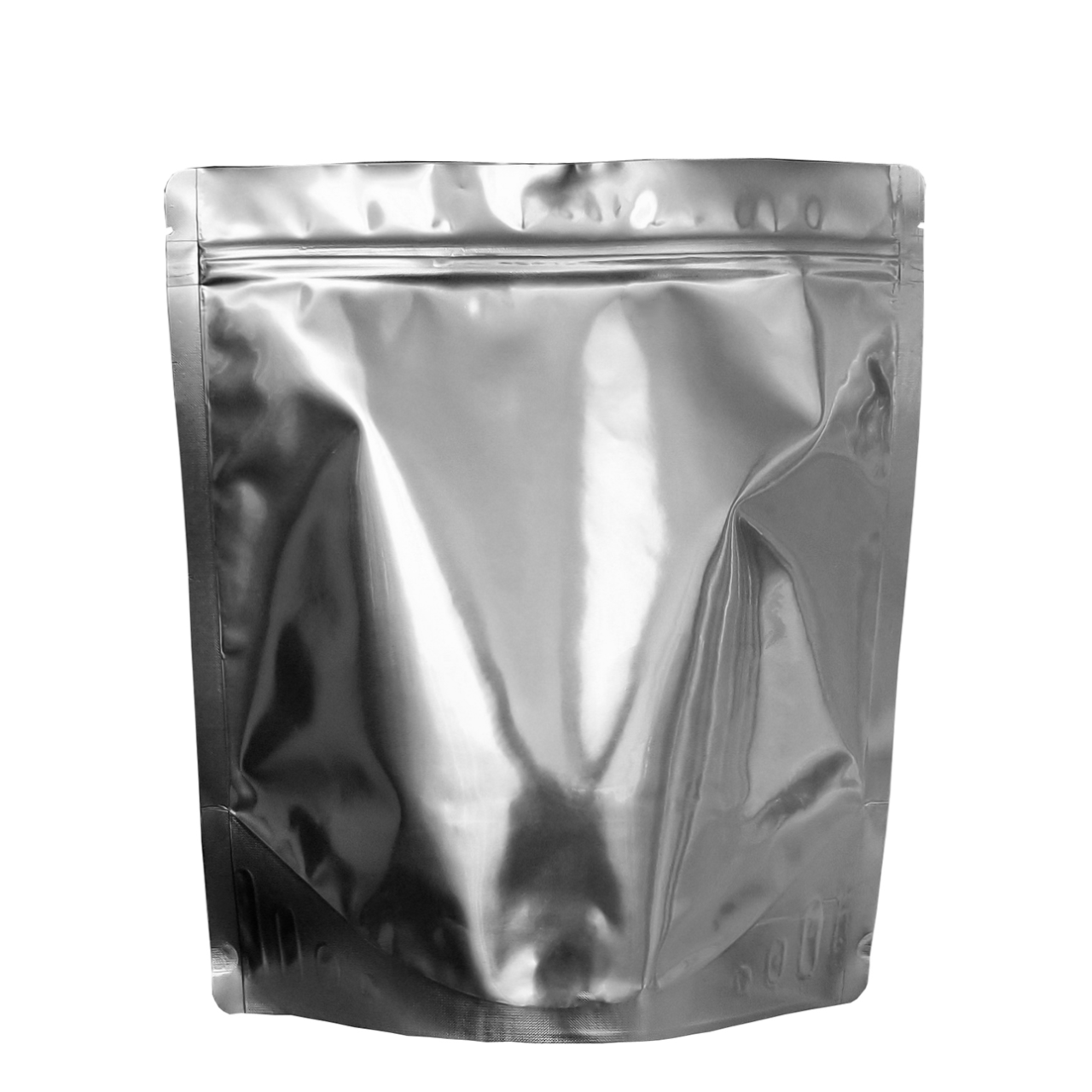
A Mylar bag is a heat-sealed pouch made from polyester film that blocks light, air, moisture, and odors.
If you have seen shiny silver pouches used for emergency food, coffee, medicine, or collectibles, you have likely seen a Mylar bag. Understanding what is a Mylar bag helps you choose the right thickness, oxygen absorber, seal, and storage method for long-term protection. This guide explains how these bags work, what they can preserve, where they fall short, and how to use them safely.
What Is a Mylar Bag?
What is a Mylar bag in simple terms? It is a flexible storage pouch made with a strong polyester film called BoPET, short for biaxially oriented polyethylene terephthalate. “Mylar” is a well-known trade name often used for this type of polyester film.
Many Mylar bags contain several layers. The polyester layer gives the pouch strength and helps block light. A thin aluminum layer adds a strong barrier against oxygen, moisture, and odors. Some bags also include a food-safe inner layer that allows heat sealing.
A Mylar bag is not the same as a regular plastic storage bag. A sandwich bag may hold food for a short time, but it allows more air and moisture to pass through. Mylar packaging acts more like a shield around the contents.
Common uses include:
• Storing rice, beans, wheat, oats, pasta, and other dry foods
• Protecting coffee, tea, spices, and powdered foods
• Packing emergency supplies
• Preserving seeds and dried herbs
• Protecting documents, photos, coins, and small electronics
• Reducing exposure to light, humidity, insects, and oxygen
The exact protection depends on the bag’s material, thickness, seal, and storage conditions. A thin decorative pouch may look like a Mylar bag but may not provide the barrier needed for long-term food storage.
How Does a Mylar Bag Work?
The best way to understand what is a Mylar bag is to think of it as a barrier system. It does not preserve food by itself. Instead, it slows the conditions that cause food to spoil.
Food can degrade because of oxygen, moisture, light, heat, pests, and microorganisms. A properly selected Mylar bag helps limit several of these threats at once.
Here is how the main features work:
• Light barrier: Silver or opaque bags help reduce damage caused by sunlight and indoor light.
• Oxygen barrier: The film slows oxygen movement. An oxygen absorber can remove much of the remaining oxygen inside the sealed bag.
• Moisture barrier: The layered film helps keep humidity out and prevents dry food from absorbing water.
• Odor barrier: Strong smells are less likely to move through a quality barrier pouch.
• Pest barrier: A sealed bag can stop insects from reaching the contents, although rodents may chew through it.
• Heat-sealable surface: A hot iron or impulse sealer can create an airtight closure when used correctly.
A Mylar bag works best as part of a complete storage plan. Dry food, a suitable oxygen absorber, a firm heat seal, and a cool storage area all matter. If one part fails, the shelf life may drop.
For example, a sealed bag stored in a hot garage may protect food better than a thin plastic bag, but heat will still speed up quality loss. Packaging is a tool, not a magic time capsule.
Mylar Bags vs. Plastic Bags
Many people ask what is a Mylar bag because they want to know whether it is better than a common plastic bag. In most long-term storage situations, it provides a stronger barrier.
Plastic bags vary widely. Polyethylene bags are useful for short-term storage, but many are not designed to block oxygen or moisture for years. They may also allow light to reach the food.
Mylar bags offer several advantages:
• Better resistance to oxygen transfer
• Stronger protection from light
• Improved moisture resistance
• Better odor control
• A surface that can be heat sealed
Plastic still has an important role. A sealed Mylar bag can be placed inside a food-grade bucket for added protection from rodents, crushing, and rough handling. The bucket also makes stacking easier.
The main weakness of a Mylar bag is puncture risk. A sharp edge, staple, rough grain, or careless tool can create a tiny hole. That is why many experienced storage users place filled bags inside rigid containers.
A clear plastic bag also lets you see the contents. A silver Mylar bag does not, so you must label it clearly with the food name, packing date, and use-by estimate.

What Are Mylar Bags Used For?
The answer to what is a Mylar bag becomes more useful when you understand its real-world applications. These pouches are used at home, in food supply chains, laboratories, shipping, and emergency planning.
Long-Term Food Storage
Dry foods are the most common contents. Good candidates include:
• White rice
• Dried beans
• Wheat berries
• Rolled oats
• Pasta
• Powdered milk
• Dehydrated vegetables
• Freeze-dried foods
Foods with high oil content need more care. Brown rice, whole-grain flour, nuts, seeds, and some granola can turn rancid because their natural oils break down. A Mylar bag can slow this process, but it cannot stop it forever.
Never store wet food in a standard Mylar food pouch unless the product and process are specifically designed for it. Low moisture is important for safe shelf storage.
Coffee and Tea
A Mylar bag can protect coffee from light, air, and odor transfer. However, freshly roasted coffee releases carbon dioxide. Some coffee packaging uses a one-way valve to let gas escape without allowing much air in. A fully sealed pouch may not suit every coffee product.
Tea, dried herbs, and spices can also benefit from light and moisture protection. Use clean, dry bags and avoid packing products while they are warm or damp.
Seeds and Collectibles
Dry seeds may remain viable longer when kept cool, dry, dark, and sealed. A desiccant may help control moisture, but it must be suitable for the contents and used according to its instructions.
Collectors may use barrier pouches for paper goods, photographs, coins, and textiles. Yet the bag should not trap moisture around an item. Always place clean, dry materials inside and consider archival storage guidance for valuable objects.

Benefits of Using Mylar Bags
A quality Mylar bag offers several practical benefits. These benefits explain why the material appears in emergency food kits and commercial packaging.
Strong Barrier Protection
The layered film helps reduce exposure to air, moisture, and light. These are major causes of flavor loss, discoloration, oxidation, and texture changes.
Long Storage Potential
When dry food is packed correctly and stored in a cool place, it may last far longer than food in ordinary packaging. Exact shelf life depends on the food, processing, temperature, moisture level, and seal quality.
Government food storage guidance often emphasizes the same core factors: keep food dry, cool, clean, and protected from pests. Mylar bags support those goals, but they do not replace safe food handling.
Lightweight Design
Compared with glass jars and metal cans, Mylar bags are light and easy to move. They also take up less space when empty.
Flexible Sizes
You can buy small pouches for spices or samples and larger bags for bulk grains. Smaller bags are often easier to open and use without exposing a large supply to air.
Reduced Light Exposure
Light can damage vitamins, color, flavor, and oils. Opaque bags help protect sensitive products better than clear packaging.
Limitations and Common Mistakes
Knowing what is a Mylar bag also means knowing what it cannot do. Many storage problems come from treating the bag as a complete preservation system.
It Does Not Kill Bacteria
A sealed pouch does not make unsafe food safe. It does not sterilize food, remove toxins, or destroy harmful bacteria. Use tested preservation methods for wet foods, meats, and other high-risk items.
It Does Not Protect Against Heat
Heat speeds up chemical reactions and can shorten food quality. Store sealed bags in a cool, dry, dark place. Avoid attics, sheds, car trunks, and garages that become very hot.
It Is Not Rodent Proof
Mice and rats can chew through flexible film. Use a sturdy food-grade bucket or another rigid container when rodents are a concern.
Oxygen Absorbers Are Not Universal
Oxygen absorbers are useful for many dry foods, but they are not suitable for every product. Do not use them with foods that need oxygen, such as some live cultures. Follow the absorber manufacturer’s instructions.
The Wrong Thickness Can Fail
Very thin bags may puncture or provide less protection. For long-term dry food storage, many users choose thicker bags designed for that purpose. The label should state the thickness and intended use.
Poor Seals Cause Problems
A weak seal can admit air and moisture. Wrinkles, crumbs, dust, and overfilled bags can prevent a complete closure.
A useful lesson from practical packing work is to leave enough empty space at the top for sealing. Trying to fill every inch often creates a crooked seal and a bag that splits during handling.

How to Use a Mylar Bag for Dry Food
If you are learning what is a Mylar bag for emergency food storage, follow a careful process. Small details make a large difference.
-
Choose suitable food. Use dry foods with low moisture and low oil content.
-
Inspect the bag. Look for tears, pinholes, weak seams, or damaged corners.
-
Fill the bag. Leave several inches of space at the top for sealing.
-
Add the correct oxygen absorber if appropriate. Use the size recommended for the bag volume and food type.
-
Remove excess air gently. Do not crush delicate food or force sharp pieces against the film.
-
Seal the opening. Use an impulse sealer, hair straightener, or carefully controlled iron, depending on the bag instructions.
-
Check the seal. It should be continuous, flat, and firmly bonded across the full width.
-
Label the bag. Include the food, packing date, ingredients, and any allergen information.
-
Store it safely. Place the bag in a cool, dry, dark location. Add a rigid container if pests are possible.
-
Inspect it later. Look for leaks, swelling, tears, moisture, or unusual odors before opening.
Do not rely only on the bag becoming tight. Some foods release gases, and some oxygen absorbers may not produce a dramatic visual change. The seal and storage conditions matter more than appearance alone.

How to Choose the Right Mylar Bag
The answer to what is a Mylar bag may sound simple, but products differ. Check these features before buying.
Thickness
Thickness is commonly listed in mils. A higher number usually means greater strength, but thickness alone does not guarantee quality. The bag should also have a reliable seal layer and a suitable barrier structure.
Size
Choose a size that matches your use. A large bag may be cost-effective for bulk storage, but smaller bags reduce repeated exposure after opening.
Shape
Flat pouches are easy to stack. Stand-up pouches are convenient for pantry use. Bags with gussets may hold more food but can be harder to seal evenly.
Material Details
Look for clear information about:
• Food-safe construction
• Heat-seal compatibility
• Intended storage period
• Aluminum or high-barrier layer
• Bag thickness
• Manufacturer instructions
Color
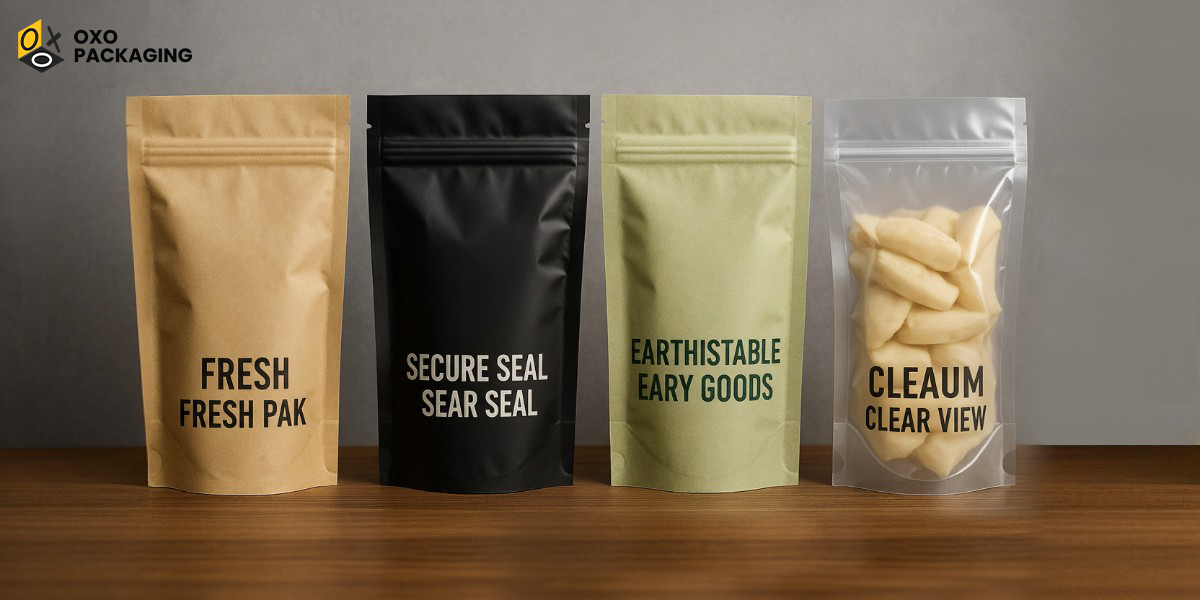
Silver bags usually block light well. White bags may also block light, depending on their construction. Clear bags offer visibility but provide less light protection.
Avoid choosing a product based only on a shiny appearance. Some decorative metallic bags have a thin coating and are not designed for long-term food storage.
Mylar Bag Safety Tips
Safe use depends on both the contents and the environment. Keep these points in mind:
• Use only clean, dry, food-safe bags for food.
• Do not pack food that is warm, damp, moldy, or spoiled.
• Keep oxygen absorbers away from children and pets.
• Never eat food from a leaking, wet, swollen, or foul-smelling package.
• Follow tested instructions for canning, drying, and vacuum packing.
• Store chemicals, fuels, and food in separate areas.
• Keep labels readable and include packing dates.
• Rotate stored food instead of assuming it will last forever.
For valuable documents or photographs, avoid sealing in moisture that is already present. A barrier bag preserves the condition of an item; it does not improve poor condition.
Frequently Asked Questions About What Is a Mylar Bag
What is a Mylar bag made of?
A Mylar bag is usually made from layered polyester film, often with an aluminum barrier and a food-safe inner sealing layer. The exact design varies by manufacturer and intended use.
Is a Mylar bag the same as a vacuum-seal bag?
No. A Mylar bag is a high-barrier pouch, while a vacuum-seal bag is designed to have air removed by a vacuum machine. Some Mylar bags can work with vacuum equipment, but not every product is made for that purpose.
How long does food last in a Mylar bag?
Shelf life depends on the food, moisture level, oxygen control, seal, and storage temperature. Properly packed dry foods may last for years, but no fixed time applies to every product.
Do Mylar bags need oxygen absorbers?
Not always. Oxygen absorbers are often useful for suitable dry foods, but they are not correct for every product or storage method. Use the absorber size and instructions recommended for the specific food and bag.
Can rodents chew through Mylar bags?
Yes. Mylar film can resist many normal storage conditions, but rodents may puncture or chew it. Place sealed bags inside sturdy containers when pest protection is important.
Can you reuse a Mylar bag?
You may reuse a bag for nonfood items if it remains clean and undamaged. For long-term food storage, a new bag is usually safer because an old pouch may have tiny punctures, food residue, or a weakened seal.
Can you write on a Mylar bag?
Yes. Use a permanent marker or a label that adheres well to the surface. Record the contents, date, preparation details, and any important allergen information.
Conclusion
A Mylar bag is a layered, heat-sealable pouch that helps protect dry goods from light, oxygen, moisture, odors, and insects. It works best when paired with dry food, the right oxygen-control method, a strong seal, clear labeling, and cool storage.
The most important lesson is simple: packaging alone does not create safe preservation. Choose the right bag, avoid unsuitable foods, inspect every seal, and store the finished packages inside rigid containers when needed. Use this knowledge to build a smarter pantry or protection system, and explore reliable food-storage guidance before sealing your next batch.

Zayden Halbrook is a travel enthusiast and gear researcher passionate about making every journey smoother and more enjoyable. With a keen eye for practical travel essentials and real-world tips, he helps readers choose the right gear and travel smarter. When he’s not testing travel kits or exploring new destinations, Zayden shares simple, reliable advice to make every trip stress-free.