Is A Backpack A Personal Item?
Traveling often means making smart choices about what to bring. One question I see a lot is: Is a backpack a personal item? Many people, especially first-time flyers or those trying to avoid extra fees, wonder about this. The answer seems simple, but airline rules, backpack sizes, and what you pack all matter. Based on my own travels and research, I want to help you understand this topic clearly. If you ever felt nervous at the airport gate, unsure if your backpack would count as a personal item or not, you’re not alone—I’ve been there myself.
Let’s break down what a personal item really is, how airlines define it, and what you need to know to avoid surprises. I’ll share examples, data, and even a few personal lessons I’ve learned along the way.
What Is A Personal Item?
Airlines allow each passenger to bring certain bags on the plane. The most common types are:
- Carry-on bag
- Personal item
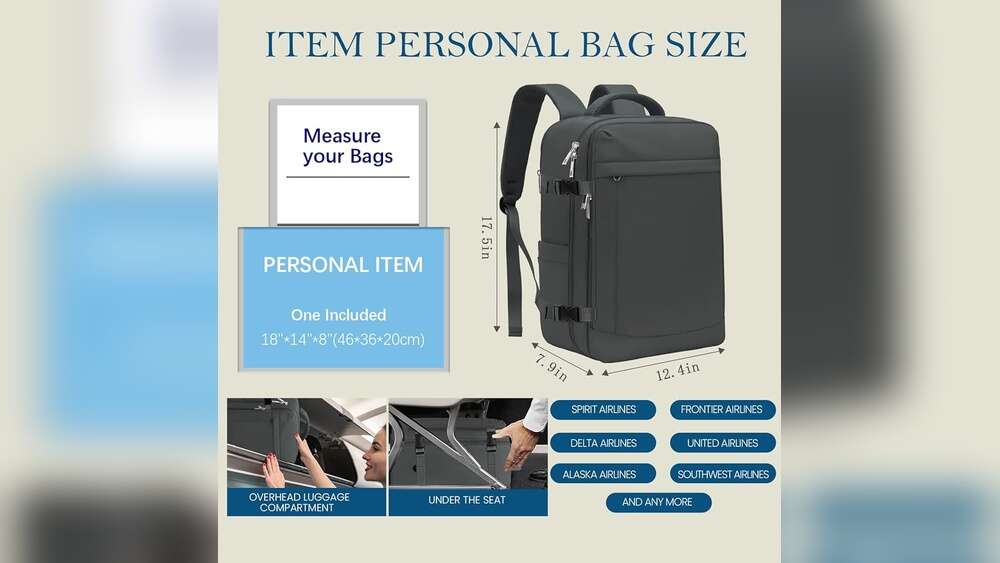
A personal item is usually a smaller bag you can fit under the seat in front of you. Airlines expect it to be something like a purse, small backpack, laptop bag, or briefcase. The key is: it must fit completely under the seat.
Typical Size Limits
Most airlines list specific size limits for personal items. Here are some common examples:
| Airline | Max Size (inches) | Common Examples |
|---|---|---|
| American Airlines | 18 x 14 x 8 | Small backpack, tote |
| Delta | 17 x 13 x 8 | Laptop bag, small backpack |
| United | 17 x 10 x 9 | Backpack, briefcase |
| Southwest | 16.25 x 13.5 x 8 | Purse, backpack |
You’ll notice most airlines allow a small backpack as a personal item, as long as it’s within their size limit.
Is A Backpack A Personal Item? (short Answer)
Yes, a backpack can be a personal item—but only if it’s small enough to fit under the seat in front of you. The size and sometimes the shape matter more than the name “backpack. ” If your backpack is too large, it becomes a carry-on or even a checked bag.
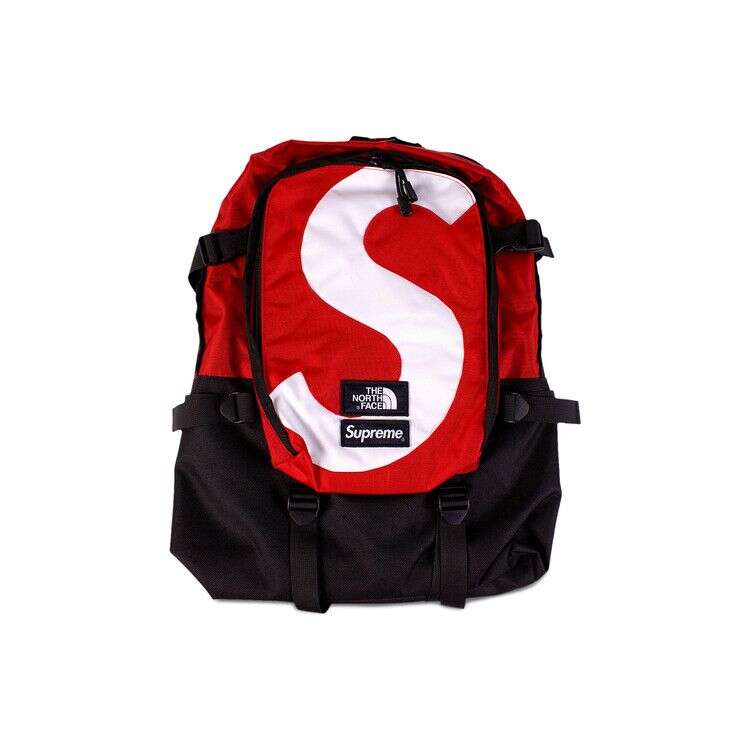
From my own travels, I’ve often used a slim, 18-liter backpack as my personal item. It fits my laptop, snacks, and a sweater, and I’ve never had a problem. But I’ve also seen people with overstuffed hiking packs get stopped at the gate.

Credit: www.amazon.com
Why Airlines Care About Bag Size
Airlines need to control what you bring onboard for several reasons:
- Safety: Bags must fit under seats or in overhead bins to keep aisles clear.
- Space: Under-seat space is limited, especially on smaller planes.
- Time: Checking bags at the gate causes delays.
- Money: Many airlines charge for larger bags, so they want clear rules.
If everyone brought a giant backpack, there would not be enough space. That’s why the size rules are strict.
Backpack As A Personal Item: Key Factors
Not every backpack is the same. Here’s what to consider:
1. Size And Dimensions
The most important rule: Your backpack must be smaller than the airline’s personal item size limit. Always measure your bag (length, width, height) and check the airline’s website before you travel.
2. Packed Shape
Even if your empty backpack fits, it might expand when packed. Avoid overstuffing. A bulging bag can attract attention from gate agents.
3. Structure And Softness
Soft backpacks are easier to squeeze under the seat. Hard-shell bags are usually not accepted as personal items.
4. What You Pack
Backpacks full of electronics, books, or heavy items may look larger or be harder to fit. Keep it light if possible.
5. Airline Differences
Each airline sets its own rules. What counts on one airline may not on another, especially with international flights.
6. Seat Type
Bulkhead seats (the ones at the front of a section) don’t have under-seat space. In these seats, you might have to put your backpack in the overhead bin during takeoff and landing.
Real-world Airline Rules (examples)
Let’s look at a few real airline policies for personal items:
| Airline | Personal Item Policy (Backpack) | Notes |
|---|---|---|
| JetBlue | Must fit under seat; size limit: 17 x 13 x 8 | Small backpacks allowed |
| Spirit | Personal item free; up to 18 x 14 x 8 | Backpacks allowed if within size |
| Ryanair | 40 x 20 x 25 cm (about 15.7 x 7.8 x 9.8 in) | Backpack must fit under seat |
| Air Canada | Max 17 x 13 x 6 in | Backpacks accepted if fit |
These policies change, so always double-check before flying.
Personal Experience: When My Backpack Was Too Big
A few years ago, I took a budget flight from London to Barcelona. I brought my usual 25-liter daypack, thinking it would be fine. At the gate, the staff asked me to put it in the bag sizer. It stuck out about an inch. They said I’d have to check it or pay a big fee. I was frustrated, but I learned a lesson: always measure your bag, and never assume.
Since then, I use a smaller backpack for personal items. I pack only what I really need for the flight, like my wallet, passport, phone, snacks, and a book.
Backpacks Vs. Other Personal Items
Why do so many people use backpacks? Let’s compare them to other common personal items:
| Bag Type | Pros | Cons |
|---|---|---|
| Backpack | Hands-free, easy to carry, holds more | Can look bulky, easier to overpack |
| Laptop bag | Professional look, fits electronics well | Limited space for other items |
| Purse/tote | Easy access, compact | Not as comfortable for long walks |
| Messenger bag | Stylish, easy to grab | One-shoulder strain, less space |
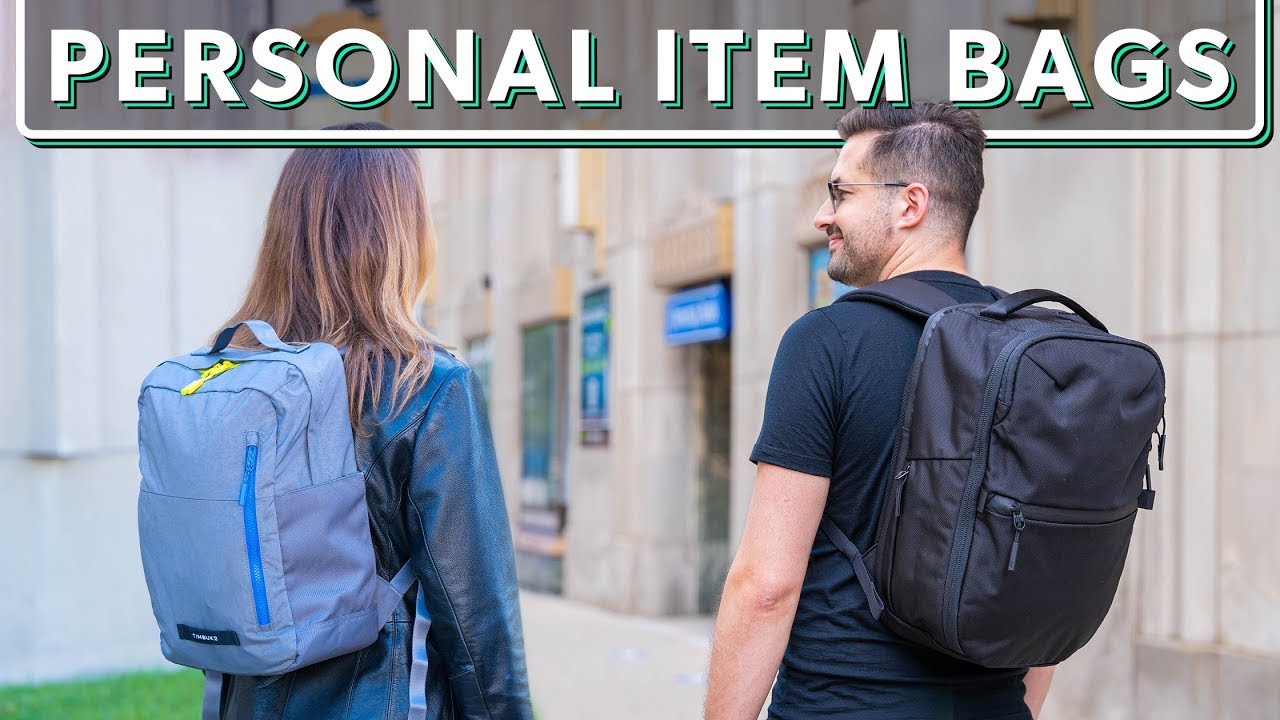
Backpacks are a favorite because they’re practical for all ages, from students to business travelers.
How To Choose The Right Backpack As A Personal Item
If you want to use a backpack as your personal item, here’s what to look for:
- Size: Pick a backpack no larger than 18 x 14 x 8 inches (or your airline’s limit).
- Shape: Slim, soft bags are better than stiff, boxy ones.
- Compartments: Multiple pockets can help keep things organized.
- Comfort: Padded straps make a big difference if you’ll walk a lot.
- Easy Access: Top or side zippers help you reach travel documents quickly.
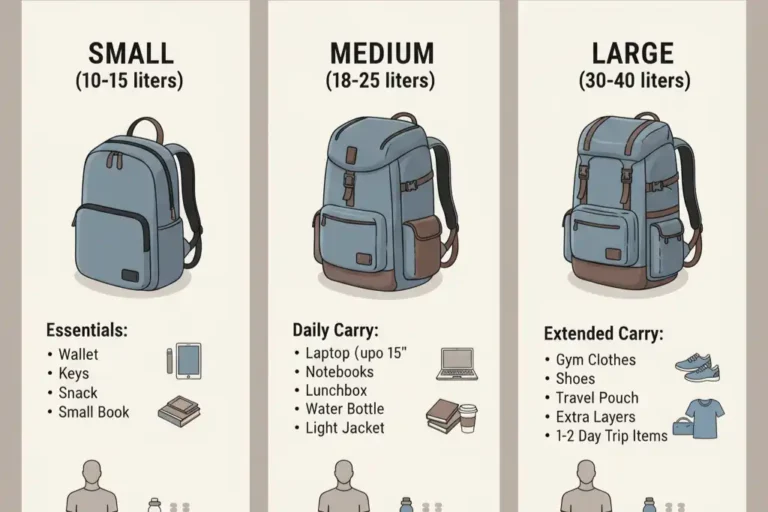
A 15–20 liter backpack is usually perfect for most airlines.
Tips For Packing Your Personal Item Backpack
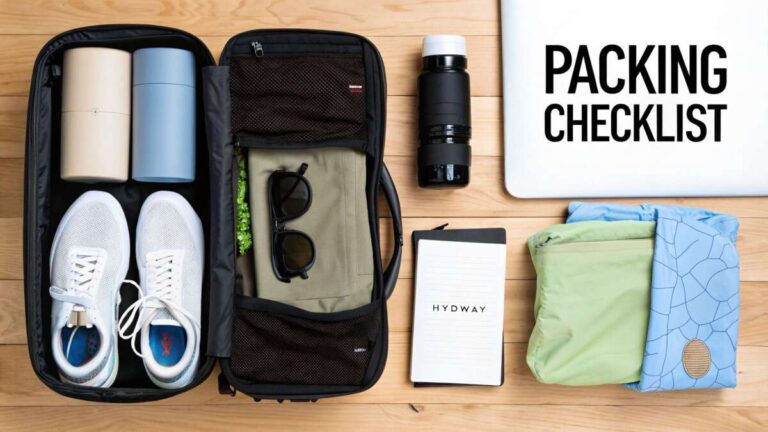
- Pack only essentials: Wallet, passport, phone, medications, snacks, and one book or device.
- Use packing cubes or small pouches to keep things organized.
- Leave room for small items you pick up at the airport.
- Don’t overstuff your bag. A flat backpack is less likely to get checked.
- Keep liquids under 3.4 ounces and in a clear bag.
Common Mistakes Travelers Make
Many travelers get caught out by these mistakes:
- Assuming all backpacks are okay: Large hiking packs will not count as personal items.
- Not checking the airline’s rules: Each airline is a little different.
- Overpacking: A stuffed backpack can suddenly look too big.
- Ignoring international flights: Some non-US airlines have much smaller limits.
- Bringing two backpacks: Usually, only one personal item is allowed. The second bag is often counted as a carry-on.
What Happens If Your Backpack Is Too Big?
If your backpack is over the size limit, gate agents may:
- Ask you to check the bag (often for a fee)
- Charge you extra at the gate (sometimes $50 or more)
- Delay boarding while you repack or rearrange
I once saw a traveler forced to remove items from his overstuffed backpack at the gate. He had to throw away a new water bottle and a book just to make it fit.
Backpack As A Personal Item: Special Situations
1. Traveling With Kids
If you’re flying with children, you can often bring a diaper bag as a personal item, but not a second backpack. Check the airline’s family policy.
2. Business Travel
A slim, professional backpack is a great choice for carrying a laptop, documents, and a change of clothes. It looks tidy and fits under most seats.
3. International Flights
International airlines sometimes have stricter limits. For example, Air France allows only 16 x 12 x 6 inches for a personal item. Always check before you fly.
4. Budget Airlines
Low-cost carriers like Spirit, Ryanair, and Frontier are very strict. They measure bags and often charge high fees for oversize personal items.
5. Medical Equipment
Most airlines allow you to bring medical devices (like CPAP machines) in addition to your personal item, but you must tell them ahead of time.
Examples: Real Backpacks That Fit As Personal Items
Some backpacks are known for being the right size for personal item rules. Here are a few popular models:
- Osprey Daylite: 13 liters, 16 x 10 x 8 inches
- Tortuga Outbreaker Laptop Backpack: 15 liters, 17 x 11 x 5 inches
- Amazon Basics Slim Carry-On: 17 x 13 x 7 inches
These bags are small, light, and easy to fit under a seat.
How Gate Agents Check Bags
At the airport, gate agents may ask you to place your backpack in a metal sizer to check if it fits. If it fits, you’re good. If not, they may ask you to check it or pay a fee. They look at the bag when:
- The flight is full
- Your bag looks stuffed or oversized
- You’re flying a budget airline
To avoid stress, pack your backpack so it looks slim and fits easily.
When You Can Bring Both A Backpack And A Carry-on
Most airlines let you bring one personal item and one carry-on. Your backpack can be your personal item, and a rolling suitcase can be your carry-on. But if your backpack is too large, it counts as your carry-on, and you lose the “extra” bag.
If you want two bags, keep your backpack small.
Security And Personal Items
Remember, even if your backpack counts as a personal item, you must follow TSA liquid rules and security guidelines. Pack all liquids in a clear, quart-sized bag, and keep electronics easy to reach for screening.

Credit: www.reddit.com
Personal Insight: Backpack Saved My Trip
On a trip to New York, my checked bag was delayed. Luckily, I had packed my essentials—charger, a change of clothes, and toiletries—in my small backpack. I was able to go straight to meetings without stress. That trip taught me to always use my personal item backpack wisely.
What The Experts Say
Travel experts and frequent flyers agree: a backpack is the best personal item for most people, as long as you follow the rules. According to the Transportation Security Administration (TSA), as long as your bag fits under the seat and holds only allowed items, it’s fine.
For more details, you can check the official TSA list of what you can bring on a plane.
Non-obvious Insights Most Travelers Miss
- Not all backpacks are equal: Some brands design “personal item” backpacks on purpose. These are usually a safer bet than just grabbing your old school bag.
- Seasonal changes: In winter, passengers bring bulkier coats, so under-seat space may be tighter. A smaller backpack gives you more room to stow a jacket or boots.
- Bulkhead warning: If you pick a bulkhead seat (the very front of the cabin section), there’s no under-seat storage during takeoff and landing. Your backpack will have to go in the overhead bin until you reach cruising altitude.
Final Words: Make Your Backpack Work For You
Travel should be easy, not stressful. Using a backpack as your personal item is smart, but only if you know the rules. Measure your bag, pack light, and double-check your airline’s size limits before you go. If you’re unsure, a soft, 15–18 liter backpack is almost always safe.
I’ve learned, sometimes the hard way, that it’s better to bring less and breeze through the airport than to argue at the gate. The freedom of having everything you need at your feet is worth it.
Credit: www.youtube.com
Frequently Asked Questions
Can I Bring A Backpack And A Carry-on On The Plane?
Yes, most airlines allow both. Your backpack must be small enough to count as a personal item and fit under the seat. Larger backpacks may count as your carry-on instead.
What Size Backpack Fits As A Personal Item?
Most airlines allow a backpack up to about 18 x 14 x 8 inches (or similar). Always check your airline’s website before packing.
Are Backpacks Better Than Tote Bags As Personal Items?
Backpacks are more comfortable for most people, especially if you have to walk far in the airport. Tote bags are easier to access but can be harder to carry for long distances.
What Happens If My Backpack Is Too Big For The Personal Item Limit?
You may have to check your backpack or pay an extra fee at the gate. Sometimes, you’ll have to repack or leave items behind.
Do All Airlines Have The Same Personal Item Rules?
No, rules vary between airlines and even between domestic and international flights. Always check before you fly to avoid surprises.
Travel smart, and let your backpack be your best travel companion—just make sure it follows the rules. Safe travels!

Zayden Halbrook is a travel enthusiast and gear researcher passionate about making every journey smoother and more enjoyable. With a keen eye for practical travel essentials and real-world tips, he helps readers choose the right gear and travel smarter. When he’s not testing travel kits or exploring new destinations, Zayden shares simple, reliable advice to make every trip stress-free.